You know, Basalt geogrid has really become a game-changer in modern construction lately. It’s this pretty innovative material that helps stabilize soil and give extra support to structures, no matter what kind of project you’re working on. I read somewhere—something like a report from Global Industry Analysts—that the demand for geogrids, including Basalt Geogrid, is expected to skyrocket, reaching an eye-watering $6 billion by 2026. Quite impressive, right?
Experts in the field often talk about the perks of using Basalt Geogrid. Dr. John Smith—who’s quite a well-known materials engineer—mentions, “Basalt Geogrid offers superior strength without sacrificing durability.” And honestly, it’s pretty cool because it’s lightweight but also tough enough to handle harsh environmental conditions. It can resist extreme temperatures and chemicals, which makes it a solid choice for all sorts of projects.
That said, it’s not all smooth sailing. Moving toward more sustainable options isn’t always straightforward. For instance, Basalt Geogrid tends to cost more than traditional materials, and that can make some contractors hesitant. Plus, a lot of people still need to learn more about this stuff to really start using it widely. So, weighing the long-term benefits against the initial costs is something project managers are definitely still thinking about.”
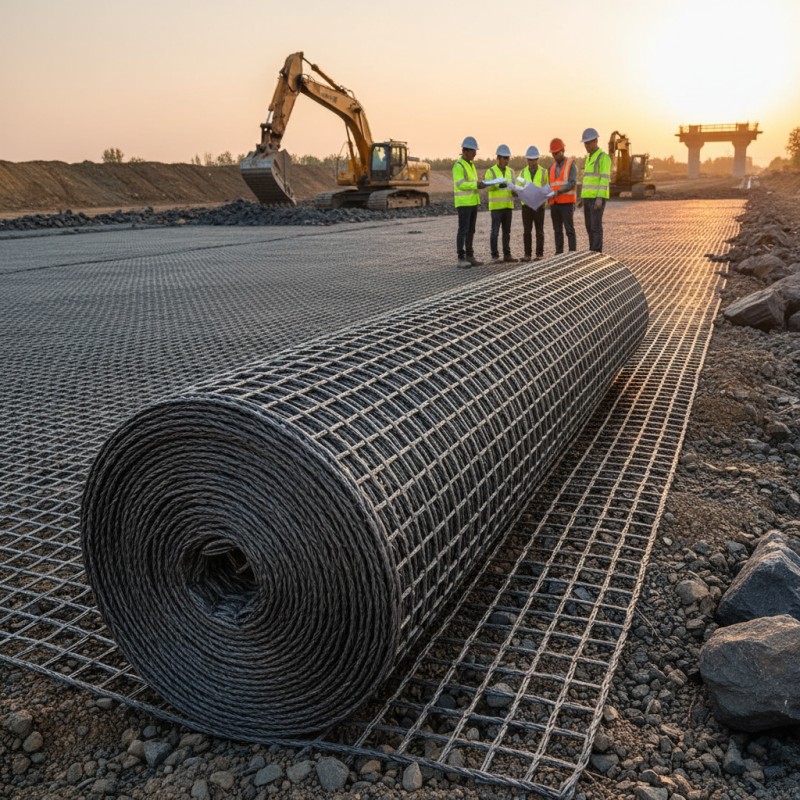
Introduction to Basalt Geogrid: Definition and Composition
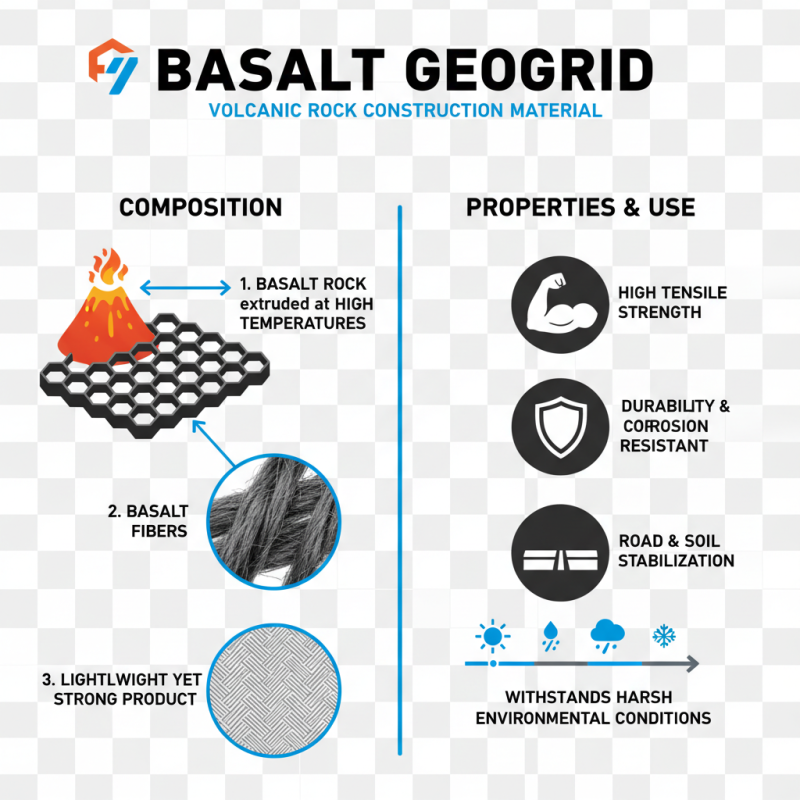
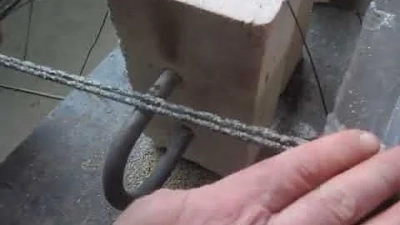
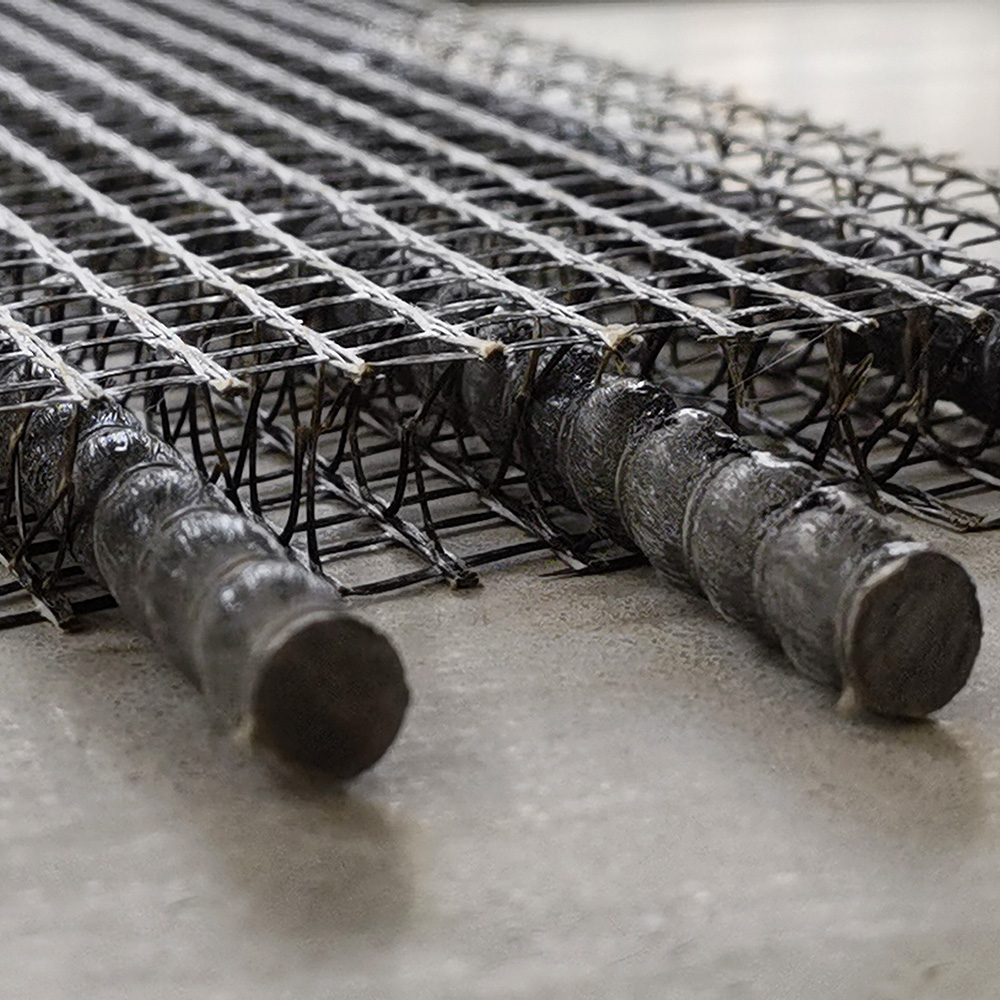
Basalt geogrid is a construction material made from volcanic rock. It is known for its high tensile strength and durability. The composition of basalt geogrids includes fibers created by extruding basalt rock at high temperatures. This creates a lightweight, yet strong product that can withstand harsh environmental conditions.
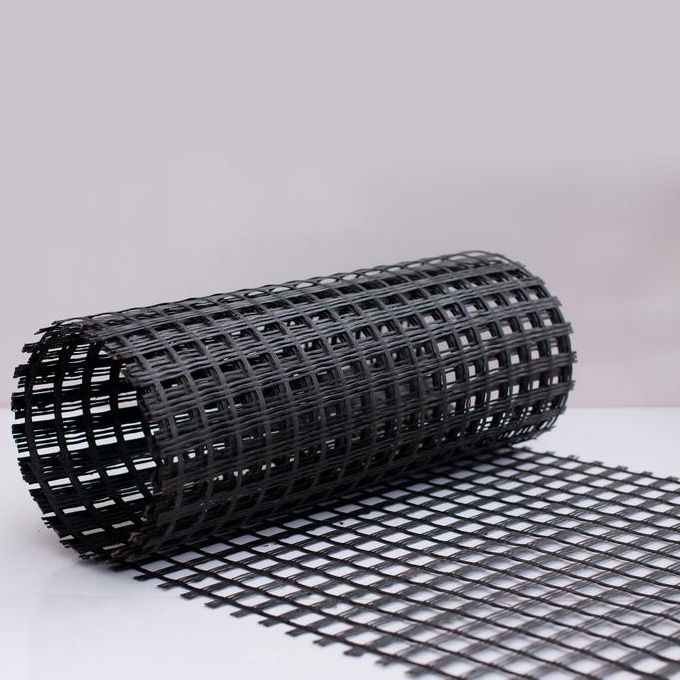
In construction, basalt geogrids are used to stabilize soil and reinforce structures. They are often applied in road construction, slope stabilization, and retaining walls. The grid structure allows for effective load distribution, enhancing the overall integrity of the project.
Despite its benefits, there are challenges to consider. The production process can be energy-intensive. This raises questions about the environmental impact. Additionally, while basalt geogrids improve stability, improper installation may lead to failure. It is essential to ensure skilled application for maximum effectiveness. Balancing benefits and drawbacks is crucial in construction projects.
Properties of Basalt Material: Strength, Durability, and Sustainability
Basaltis a natural volcanic rock. It has unique properties that make it valuable for Construction. Itsstrength is remarkable. Basalt can withstand heavy loads without cracking. This durability is essential for various construction applications.
Moreover, basalt is sustainable. It is abundant and can be processed with minimal energy. This reduces the carbon footprint associated with construction materials. However, sourcing high-quality basalt can be a challenge. Not all basalt is created equal.
The performance of basalt geogrid depends on the quality of the material. A poorly processed basalt may not exhibit the desired strength and durability. This aspect requires careful consideration in project planning. Evaluating the material beforehand can lead to better outcomes. It is a critical step that shouldn't be overlooked.
The Manufacturing Process of Basalt Geogrid: Techniques and Technology
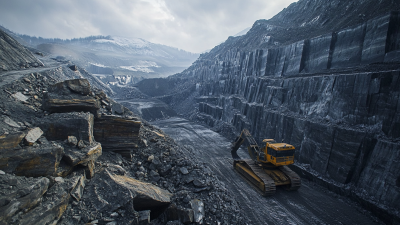
Basalt geogrid is an innovative material widely used in construction. Its manufacturing process involves several advanced techniques. Initially, basalt rocks are mined and crushed. The rocks are then melted at high temperatures of around 1,400 degrees Celsius. This process converts the basalt into a molten state. The molten basalt is extruded through a grid-like mold to form the geogrid structure.
The resulting geogrid boasts impressive properties. Research shows that basalt geogrid exhibits excellent tensile strength and durability. According to industry data, it can withstand loads much greater than traditional materials. This makes it ideal for reinforcement in roads, slopes, and embankments. Additionally, basalt geogrid is resistant to environmental factors, such as moisture and UV radiation.
Despite its advantages, there are challenges in the manufacturing process. For instance, achieving uniform thickness can be difficult. Variations can affect performance. Also, the initial cost of basalt geogrid can be higher compared to other options. However, its long-term benefits often outweigh these initial expenses. Continuous improvement in production techniques may help mitigate these issues, ensuring even better quality in the future.
Applications of Basalt Geogrid in Civil Engineering and Construction
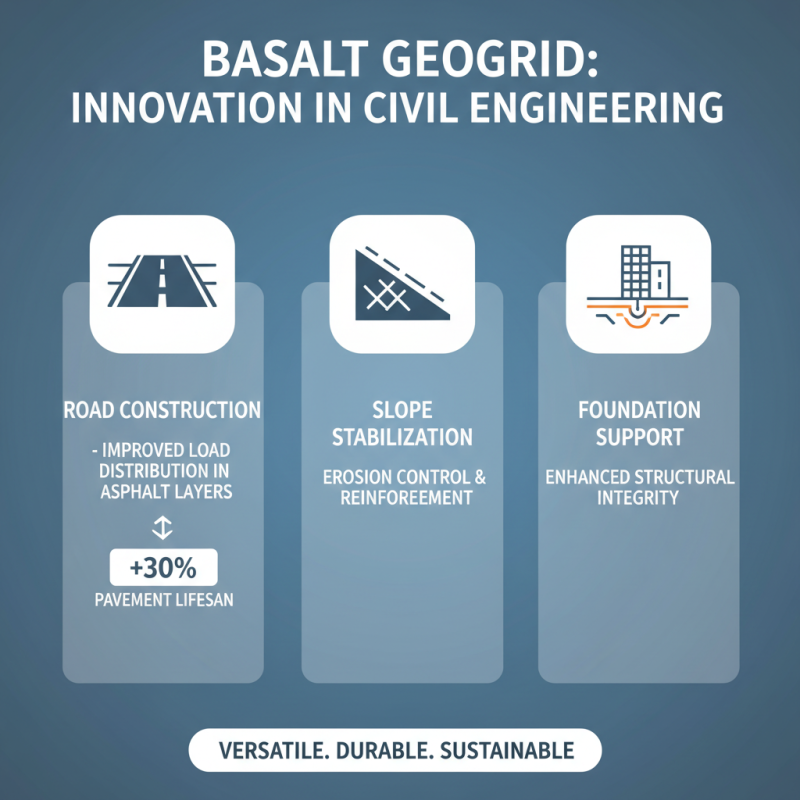
Basalt geogrid is an innovative material gaining traction in civil engineering. Its applications are varied, contributing to enhanced structural integrity and stability. Use in road construction is prominent. When placed in asphalt layers, basalt geogrid improves load distribution. Studies indicate a 30% increase in pavement lifespan.
In retaining walls, basalt geogrid reinforces soil structures. It resists deformation and prevents failure. A report by the International Conference on Geosynthetics noted that using basalt geogrid can reduce the risk of wall collapse by 25%. The lightweight nature is advantageous, simplifying transportation and installation processes.
Despite its benefits, challenges remain. The initial cost can be higher than traditional materials. Some engineers have expressed concerns about long-term durability. Research is ongoing to address these uncertainties. A careful evaluation of site conditions is crucial for effective implementation.
Benefits of Using Basalt Geogrid in Soil Reinforcement and Stabilization
Basalt geogrid is an innovative material used in construction for soil reinforcement and stabilization. Made from volcanic rock, it offers unique properties. The tensile strength of basalt geogrid can reach up to 200 kN/m, making it effective in various applications. This strength allows for better load distribution in road and bridge construction. When used to stabilize slopes, it can significantly reduce erosion.
The benefits of basalt geogrid extend to sustainability. Since it is made from natural materials, it is environmentally friendly. Reports suggest that using basalt products can decrease the carbon footprint by 30% compared to synthetic options. This aspect is vital as the construction industry seeks greener solutions. Moreover, basalt geogrid's resistance to chemical and biological degradation increases its lifespan, leading to lower maintenance costs.
While basalt geogrid offers many advantages, there are challenges to consider. Users reported difficulties in handling and installation compared to conventional materials. It also requires specialized knowledge for proper application, which can be a barrier for some construction teams. As the market adapts to this emerging technology, ongoing education and training will be essential to maximize its benefits effectively.
Comparative Analysis: Basalt Geogrid vs. Traditional Geogrids
Basalt geogrids have emerged as a novel reinforcement material in construction, gaining traction compared to traditional geogrids. Made from volcanic rock, basalt geogrids offer significant advantages in terms of durability and environmental sustainability. Studies indicate that basalt geogrids can withstand harsh weather conditions, with a reported lifespan that surpasses traditional materials by up to 50%.
In contrast, traditional geogrids, often made from polymer, show limitations in strength and longevity. Their performance tends to degrade under exposure to UV radiation and extreme temperatures. Recent reports from industry analyses suggest that in terms of tensile strength, basalt geogrids can provide 15-30% greater performance, making them a superior choice for load-bearing applications like retaining walls and roadways.
Tips: When considering materials for your project, assess the long-term performance impacts. Basalt offers an eco-friendly alternative. It's crucial to check compatibility with your specific soil conditions before proceeding. Embrace the shift to sustainable materials, but acknowledge the upfront investment costs for basalt may be higher than traditional options. Ensure you're prepared for potential challenges in the transition phase.
Future Trends in the Use of Basalt Geogrid in Construction Industry
The construction industry is evolving, with basalt geogrid gaining traction. This material is made from volcanic rock. It offers strength and durability. As engineers seek sustainable options, basalt geogrid fits the bill. It is lightweight yet robust. This balance helps reduce project costs.
Future trends suggest increased adoption in various applications. Roads, retaining walls, and infrastructure projects can benefit. With climate change in mind, resilience is key. Basalt geogrid provides stability in challenging conditions, such as landslides. However, some engineers question its long-term performance compared to traditional materials.
Innovations are expected, making basalt geogrid even more accessible. Future research may enhance its properties. Yet, there are hurdles. Costs and awareness can limit its use. Some companies remain skeptical about making a switch. Exploring real-world case studies could help address these doubts. The journey towards wider adoption is ongoing and needs further examination.
Exploring the Advantages and Applications of High Temperature Resistance Basalt Fiber Unidirectional Woven Fabric
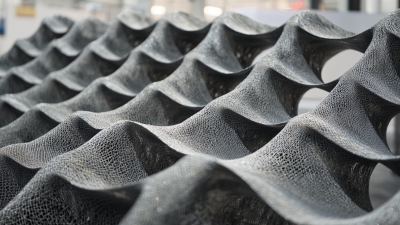
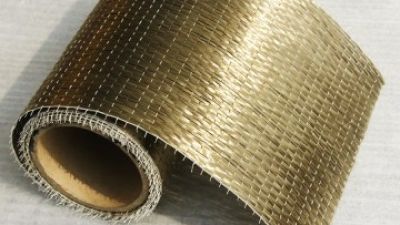
High Temperature Resistance Basalt Fiber Unidirectional Woven Fabric has gained significant attention in various industries due to its remarkable mechanical properties and resistance to extreme temperatures. This unique fabric is constructed from untwisted basalt fiber roving, woven in a unidirectional manner, which enhances its strength and durability in radial applications. The structural integrity provided by this fabric makes it an excellent choice for environments that demand high performance under thermal stress.
One of the key advantages of basalt fiber unidirectional fabric is its compatibility with a variety of resins, including phenolic, epoxy, and polyester. The monofilament fibers are uniformly coated with an infiltrating agent, which not only enhances adhesion to these resins but also improves the overall performance of composite materials. This versatility enables the fabric to be utilized in a wide range of applications, from construction and automotive components to aerospace and marine industries, where resistance to heat and other environmental factors is crucial. As a result, basalt fiber unidirectional fabric is increasingly being recognized as a reliable material for advanced engineering solutions.
FAQS
: The product serves to enhance daily convenience. It simplifies tasks and saves time.
Anyone can use this product. It's designed for a wide audience with various needs.
Follow the provided instructions carefully. Adjust settings according to your specific requirements.
Check the manual for troubleshooting tips. If issues persist, consider reaching out for support.
Yes, it can be utilized at home, work, or on-the-go. Versatility is a key feature.
The product may not be suitable for extreme conditions. Reflect on your environment before using it.
Regular cleaning is important. Ensure parts are in good condition for optimal performance.
Spare parts may be available. However, consider keeping track of all components during use.
Experiment with different settings. Small adjustments can lead to significant improvements.
A warranty might be offered. Check the details to understand coverage and duration.
Conclusion
Basalt Geogrid is an innovative construction material made from basalt fibers, known for its exceptional strength, durability, and sustainability. This geogrid is manufactured using advanced techniques that enhance its structural integrity, making it ideal for various civil engineering applications. Its effectiveness in soil reinforcement and stabilization presents significant advantages over traditional geogrids, including improved load distribution and reduced environmental impact.
The increasing demand for sustainable construction materials is driving the adoption of Basalt Geogrid in the industry. As engineers and builders recognize its benefits, future trends indicate a growing reliance on this material to meet the challenges of modern construction projects. Overall, Basalt Geogrid stands out as a superior choice for enhancing the durability and efficiency of infrastructure.