You know, these days, the construction world is really starting to pay more attention to using sustainable materials to cut down on environmental impact. And honestly, Basalt Fiber Fabric is pretty exciting as a game-changer. It’s got really strong mechanical properties, plus it can handle heat and chemicals without breaking down—making buildings more Durable. Plus, it fits perfectly with green building trends. I recently read that the global market for basalt fiber is expected to hit around $1.6 billion by 2026—that’s a big jump, showing just how much folks are craving eco-friendly options. One company that’s leading the charge is China Beihai Fiberglass Co., Ltd. They’re really at the forefront in the domestic basalt fiber scene, focusing on researching and making high-performance basalt continuous fiber. Bringing more of this stuff into sustainable construction isn’t just good for the planet, it also helps ensure our buildings last longer and stay resilient. It’s pretty exciting to think about how this could shape a greener, stronger future for all of us.
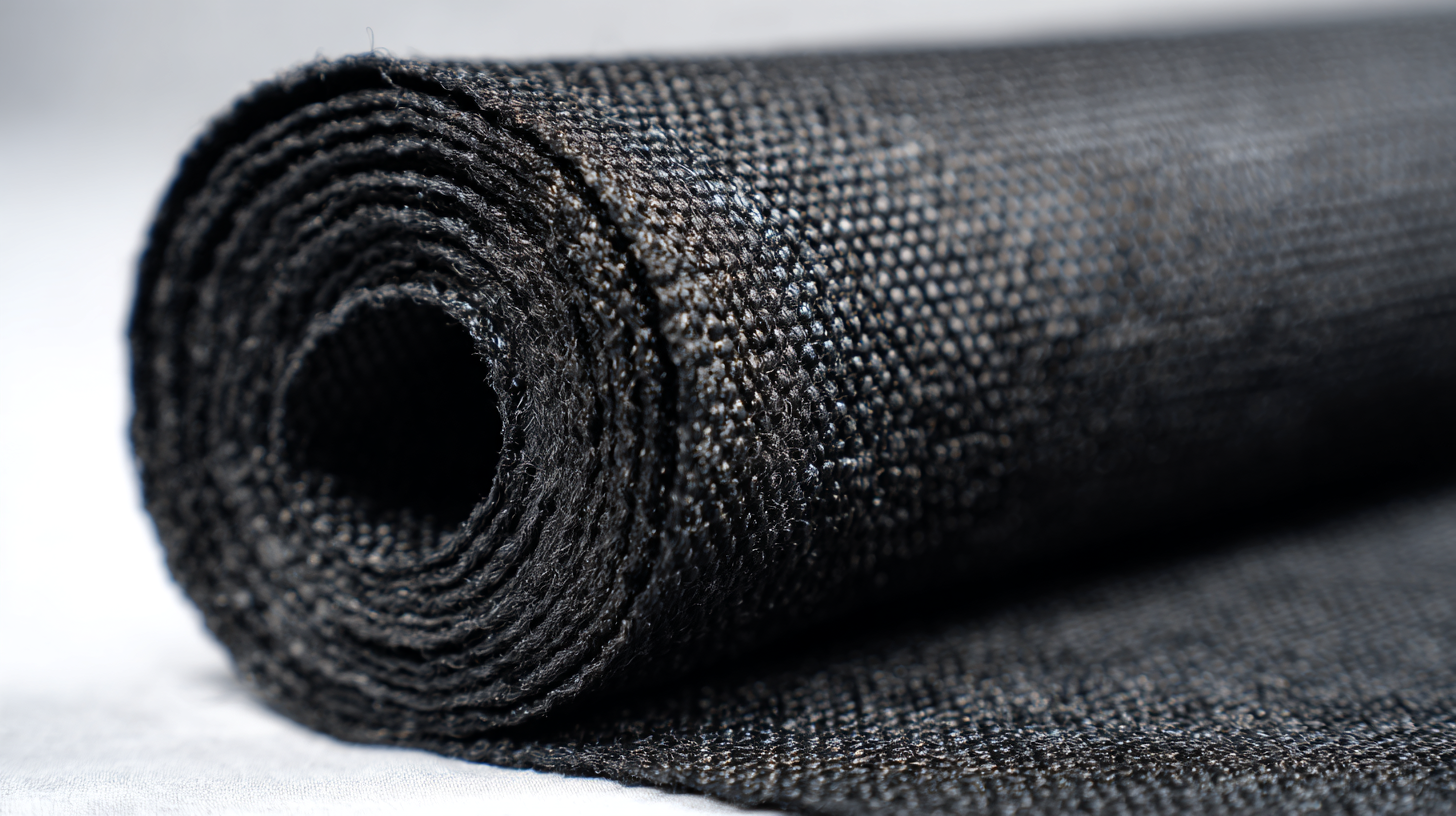
You know, Basalt Fiber, which is made from volcanic rock, is pretty amazing when it comes to sustainable building. Its toughness combined with being lightweight really helps cut down on energy used during transport and installation—saving both time and money. Plus, this stuff is super resistant to chemicals and doesn’t break down easily even in tough environmental conditions, so buildings made with it tend to stand the test of time without needing constant repairs. That’s a big win for anyone into eco-friendly construction because it means less waste and a longer-lasting structure.
And here’s the best part—it's actually pretty eco-conscious itself. Producing basalt fiber takes less energy compared to materials like glass or carbon fibers, and it releases fewer pollutants too, which is definitely a plus when we’re trying to go green. As more folks wake up to environmental issues, the demand for sustainable building materials is only growing. When architects and builders start using basalt fiber fabric in their projects, they’re not just making buildings that look good—they’re also helping to reduce our ecological footprint and create healthier living spaces. It’s like building smarter, not just better-looking, structures.
You know, basalt fiber fabric is really starting to take off in the world of eco-friendly construction and green building design. It’s pretty impressive—these fibers have some serious mechanical strength, and they’re actually better for the environment too. I read a study from the U.S. Department of Energy that mentions basalt fibers are stronger than steel, but with way less impact on the planet during production. Unlike those traditional fiberglass options, making basalt fibers doesn’t involve any nasty chemicals, which helps cut down the overall carbon footprint of building materials.
But it’s not just about being eco-friendly. The global market for basalt fiber is expected to hit around $631 million by 2025, mainly because more and more builders are realizing how useful it is. Its resistance to corrosion and fire makes it perfect for making buildings safer and just more durable overall. Plus, it’s lightweight, so handling and applying it is much easier—saving time and cutting costs on labor. All in all, basalt fiber fabric seems like a really promising alternative to the old-school materials, pushing us toward more sustainable architecture without sacrificing performance.
Lately, there's been a real buzz around using basalt fiber fabric in sustainable building stuff — people are starting to see it as a legit alternative to the usual materials. Basically, basalt fiber comes from volcanic rock, and it’s got some pretty cool traits, like being super strong and resistant to the stuff that usually wears out construction materials over time. I came across a report from MarketsandMarkets that says the global basalt fiber market could hit 1.24 billion dollars by 2025 — which kind of says a lot about how much interest there’s growing in eco-friendly building options. Not only does this stuff last longer, but it also helps cut down on the carbon emissions caused by construction, which is pretty awesome.
Compared to some traditional go-tos like steel and concrete, basalt fiber doesn’t transfer heat as much, so it actually helps keep buildings more energy-efficient. There was a study done by the American Society of Civil Engineers that found structures made with basalt fiber composites could cut energy loss by up to 30%. Plus, it’s naturally resistant to corrosion and doesn’t get damaged by chemicals, meaning a lot of building parts could end up lasting way longer. All these points basically highlight how basalt fiber might totally change the game in modern construction — making it more sustainable and durable than ever.
| Material | Tensile Strength (MPa) | Environmental Impact | Cost ($/kg) | Thermal Resistance (°C) |
|---|---|---|---|---|
| Basalt Fiber Fabric | 400 | Low | 3 | 800 |
| Glass Fiber Fabric | 280 | Moderate | 2.5 | 400 |
| Carbon Fiber Fabric | 3500 | High | 20 | 600 |
| Polyester Fabric | 150 | Moderate | 1.5 | 200 |
Lately, basalt fiber fabric has been gaining some serious attention in the world of sustainable construction and green building design. It’s pretty impressive stuff, really, thanks to its unique qualities and eco-friendly perks. If you’ve been reading industry reports, you’ll notice they often mention how strong basalt fiber is—high tensile strength, excellent heat resistance, and it outperforms traditional materials like steel and fiberglass when it comes to durability. That makes it a really solid choice for reinforcing concrete, giving structures extra strength without adding a ton of weight. Plus, producing basalt fibers is actually more eco-conscious too—less energy required, which lines up perfectly with green building standards.
In terms of how it’s actually used, basalt fiber can be mixed into concrete or used in insulation. When you add it to concrete, the benefits are pretty clear: stronger mechanical properties and a lower carbon footprint compared to older reinforcement methods. And on the insulation side of things, basalt fiber helps keep indoor temperatures steady, making buildings more energy-efficient overall.
**A quick tip:** If you’re thinking about using basalt fiber for your next project, it pays to find suppliers who really focus on sustainable practices. For example, Beihai Fiberglass Co., Ltd., is a big name in the industry—they offer innovative solutions to boost the performance of building materials. Using basalt fiber not only makes your structures more durable but can also help you hit green building certifications like LEED. Pretty cool, right?
Using basalt fiber fabric in construction projects actually offers quite a few economic perks that can really help cut down overall costs. For instance, basalt fibers are way stronger for their weight compared to traditional materials like steel or glass fibers. That means you can build lighter structures, which in turn puts less stress on the foundations and can save you some bucks on support costs. Plus, these fibers are super durable—they resist rust and weathering, so the long-term maintenance costs are pretty low.
And here’s a bonus: because basalt fibers are so versatile—they can be used to reinforce concrete or blend into composite materials—they can make the whole process smoother and cheaper. You don’t need as many different materials, which helps reduce procurement expenses and even speeds up the project timeline. All of this stuff means that construction budgets stay more predictable, making it easier for developers and investors to plan long-term, especially if they’re into green building practices that focus on sustainability and savings down the line.
Looking ahead, the future of sustainable construction is getting pretty exciting, especially with innovative materials like basalt fiber gaining more attention. China Beihai Fiberglass Co., Ltd. is really leading the charge when it comes to research and development in this space — they’re at the forefront of pushing this technology forward. What’s cool about basalt fiber fabric is that it’s lightweight but incredibly strong, making it perfect for eco-friendly building designs. It’s durable and resistant to environmental stressors, which means fewer headaches when it comes to maintenance and a longer lifespan for structures. That’s a win-win for green building principles!
Honestly, I believe we’ll see basalt fiber being used more and more in eco-conscious construction projects. From insulation materials to reinforcing concrete, the possibilities are pretty wide. Plus, as the industry leans more toward sustainable practices, the demand for basalt fiber is only going to grow. That puts a spotlight on the need for better manufacturing techniques and high-performance fibers. By focusing on developing top-notch basalt continuous fibers and advanced production equipment, China Beihai isn’t just helping move the industry forward — they’re paving the way for a more sustainable approach to building design that’s better for the planet.
All in all, it’s an exciting time for eco-friendly construction, and basalt fiber is definitely playing a key role in shaping that future.
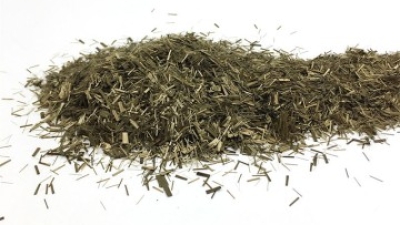
The innovative applications of basalt fiber chopped strands in thermoplastic composites represent a significant advancement in material science, particularly in enhancing the performance of thermoplastic materials. Basalt fiber chopped strands are created by chopping continuous basalt fiber filaments into short segments, resulting in a reinforcing agent that is both lightweight and highly effective. This product is especially valuable for reinforcing polymers such as PA6, PA66, PP, and PE, making it an excellent choice for applications that require enhanced mechanical properties and durability.
The unique properties of basalt fiber, including its thermal stability and resistance to chemical corrosion, allow for its utilization in various high-performance applications. When blended with thermoplastic resins during the modified twin-screw extrusion process, the chopped strands improve the overall strength and toughness of the composite materials. This has led to their integration in a wide range of products, from automotive components and electrical parts to industrial pipelines and everyday items. The use of a silane-based sizing agent on the fibers facilitates better adhesion with the matrix resins, ensuring optimized performance in end-use applications and making basalt fiber chopped strands an innovative solution in the realm of composite materials.
: Basalt fiber is derived from volcanic rock and is known for its high tensile strength, lightweight nature, chemical resistance, and durability, making it suitable for sustainable construction.
Its lightweight nature reduces energy consumption during transportation and installation, and its low thermal conductivity helps maintain energy efficiency within buildings.
Yes, the production of basalt fiber requires less energy and emits fewer pollutants compared to materials like glass or carbon fibers, making it a greener option for construction.
Basalt fiber fabric is stronger than steel, has excellent corrosion and fire resistance, and is lighter, which reduces labor costs and construction time compared to traditional materials.
The global basalt fiber market is expected to reach $631 million by 2025, driven by its increasing applications in the construction industry.
Its high resistance to chemical corrosion and fire enhances the durability and safety of building structures, reducing the need for repairs or replacements.
Its manufacturing process involves no harmful chemicals and exhibits a lower overall environmental impact, significantly reducing the carbon footprint associated with construction.
Structures made with basalt fiber composites can achieve up to a 30% reduction in energy loss compared to those built with conventional materials.
Its extraordinary mechanical properties, eco-friendliness, and potential to influence modern construction methodologies make it a powerful alternative to traditional materials.
Due to its resilience and durability, basalt fiber reduces the need for frequent repairs or replacements, aligning with sustainability principles.
You know, Basalt Fiber Fabric is really starting to turn heads in the world of green building and sustainable construction. It’s gaining popularity for good reason — it’s strong, lightweight, and stands up well against the elements, making it a fantastic choice if you're aiming to build eco-friendly structures. When you compare it to traditional materials, it’s pretty clear that basalt fiber outperforms them in durability and performance, plus it doesn't break the bank in the long run.
And let’s not forget the financial perks. Using basalt fiber can actually help cut overall project costs because it lasts so long and doesn’t require much maintenance. As the industry keeps evolving, we’re definitely expecting to see more and more of this stuff in innovative, sustainable building projects. Companies like China Beihai Fiberglass are definitely leading the way in this eco-friendly shake-up.
Overall, it’s exciting to see how basalt fiber is becoming a game-changer in creating greener, more resilient buildings.