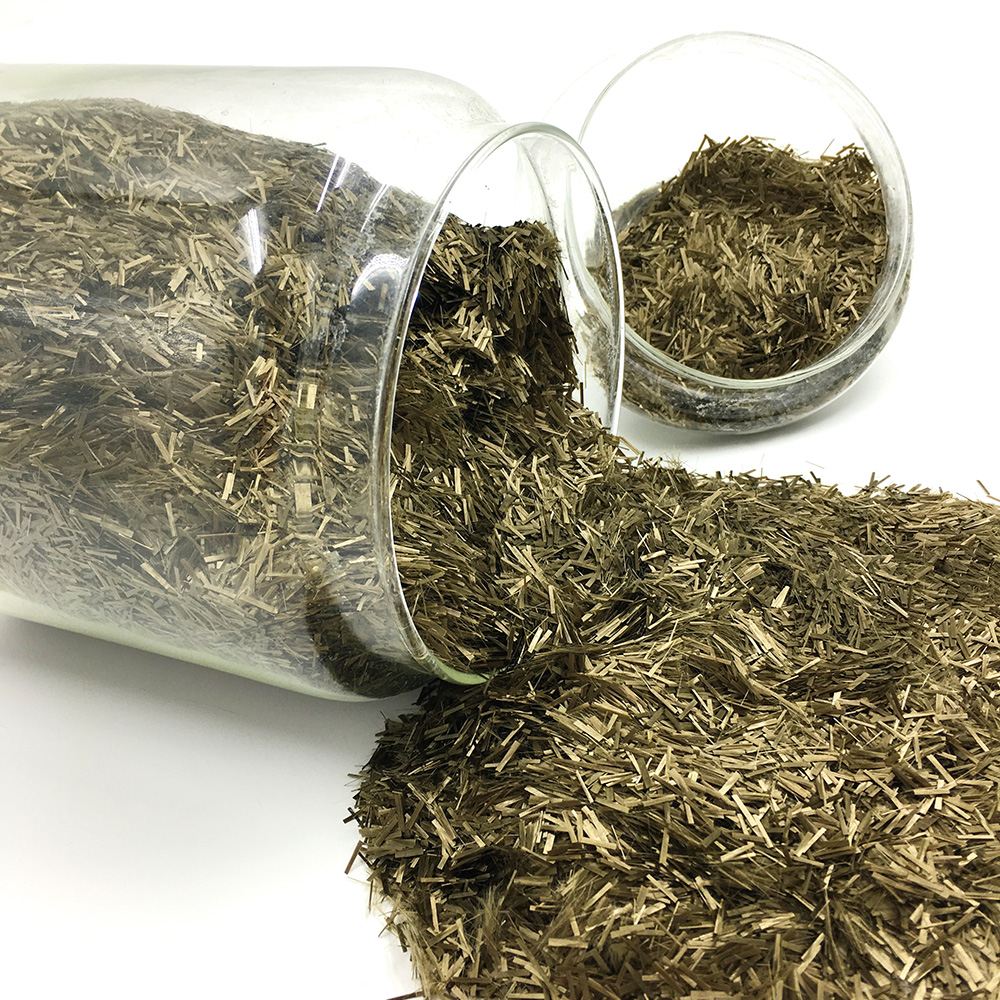
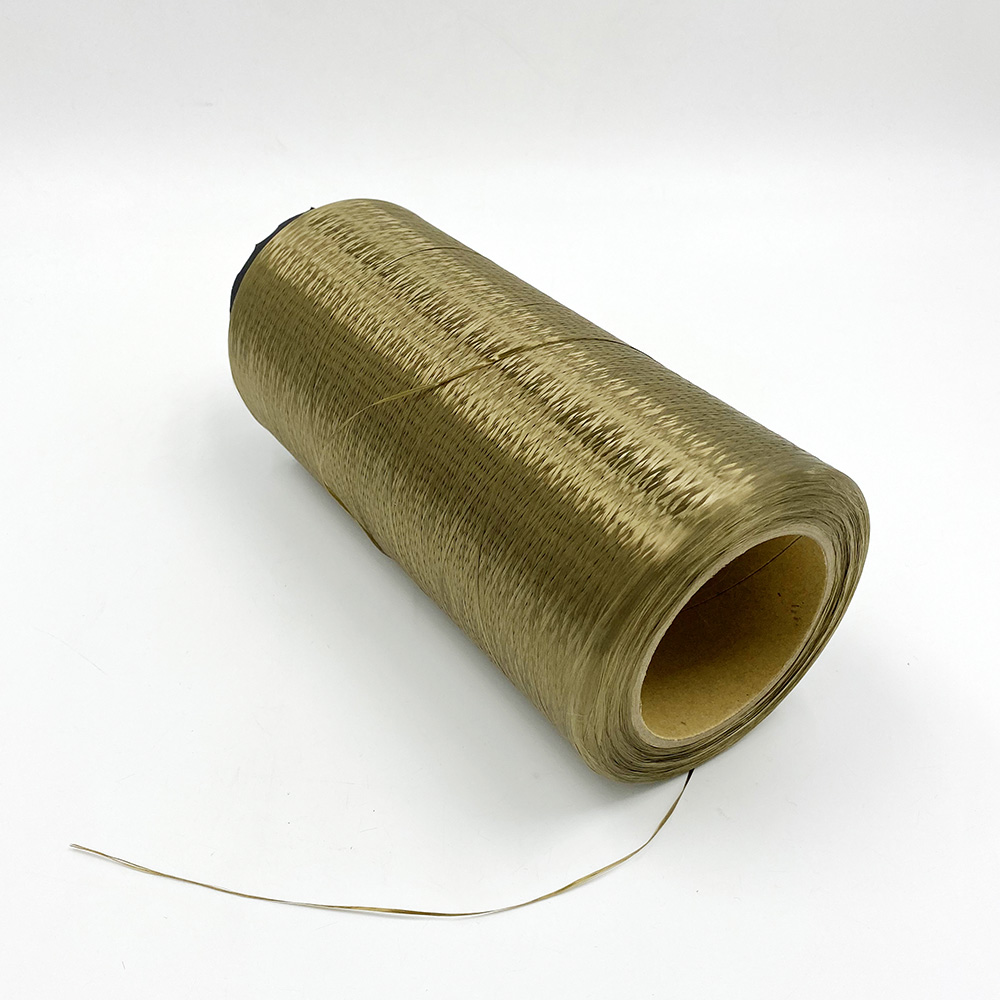
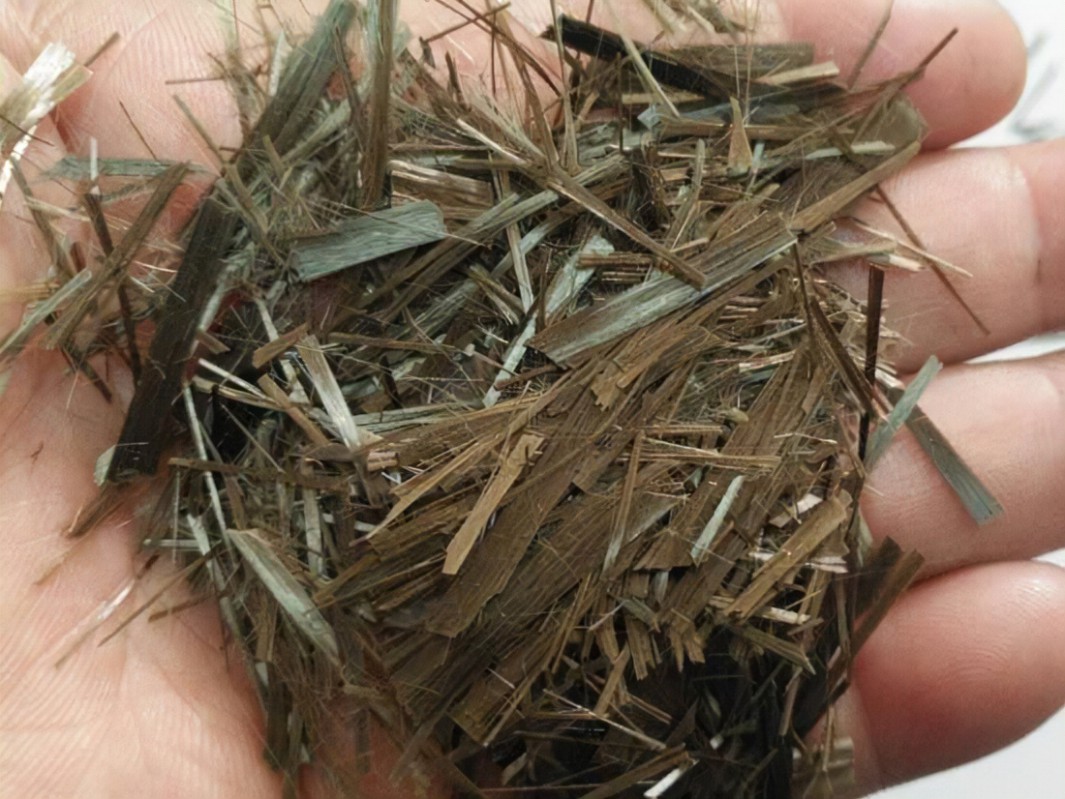
You know, China has really stepped up as a major player when it comes to producing top-notch materials, especially Basalt Fiber Cloth. This isn’t just any fabric — it’s actually pretty impressive for its strength, heat resistance, and eco-friendly qualities. Companies like Jiangsu Jinsheng New Material Technology Co., Ltd. are leading the way, offering high-quality options that cater to all kinds of industries.
But here’s the thing: Basalt Fiber Cloth isn’t just a product; it’s like a symbol of dedication to quality and sustainability. Manufacturers put a lot of effort into using advanced techniques to make sure the fabric performs well and lasts a long time. That said, there are some hurdles — sourcing good raw materials can be tricky, and keeping the quality consistent is an ongoing challenge. It’s really about constantly tweaking and improving the production process.
If you're thinking about getting some Basalt Fiber Cloth Twill Cloth, pick your supplier carefully. It’s super important to consider their expertise and whether you can trust them. Don’t hesitate to ask questions and look for transparency — building a good relationship with a reliable supplier can really make a difference and help you get the best stuff out there.
Understanding Basalt Fiber: Properties and Advantages in Industry
Basalt fiberis gaining traction in various industries due to its impressive properties. This natural fiber, derived from Basalt Rock, exhibitshigh tensile strength and excellent thermal stability. Reports indicate that basalt fiber can withstand temperatures over 1,000 degrees Celsius. Such traits make it ideal for industries requiring robust materials, including construction and automotive.
In comparison to traditional materials like steel and glass fiber, basalt fiber has several advantages. It is lighter than steel and possesses a higher tensile strength. According to research, it can outperform glass fibers in terms of corrosion resistance. Notably, basalt fibers are non-toxic and environmentally friendly, aligning with the increasing demand for sustainable solutions.
Despite these advantages, there are challenges to consider. Basalt fiber production requires significant energy, which raises questions about its overall environmental impact. Additionally, the industry lacks widespread adoption due to limited awareness and high initial costs. Ongoing research aims to address these issues and improve scalability, making basalt fiber a more accessible option for various applications.
Key Applications of Basalt Fiber Cloth in Construction and Manufacturing
Basalt Fiber Cloth has emerged as a versatile option in construction and manufacturing. Its unique properties offer solutions that traditional materials cannot. This cloth consists of fine fibers made from basalt rock. It exhibits high tensile strength and resistance to heat. These characteristics make it ideal for reinforcing concrete structures.
In construction, Basalt Fiber Cloth is used in various applications. For example, it is effective for retrofitting old buildings. This cloth can enhance the structural integrity of aging infrastructures. Additionally, it provides excellent insulation against fire and temperature fluctuations. Many engineers now consider it for aspects like wall reinforcements.
Moreover, in manufacturing, Basalt Fiber Cloth is gaining traction. It is lightweight but remarkably durable. This factor can improve the performance of industrial products. However, there is still a need to assess its cost-effectiveness. Some projects may find it more expensive than comparable materials. Adjustments may be essential to ensure a balanced budget while achieving desired results.
Comparative Analysis: Basalt Fiber vs. Traditional Materials
Basalt fiber is emerging as a formidable alternative to traditional materials like glass and carbon fibers. Its thermal resistance and mechanical strength are noteworthy. In industries where durability is crucial, basalt fiber offers distinct advantages. It withstands extreme temperatures better than many conventional options. Additionally, it is lighter and has a lower density, making it an efficient choice for various applications.
Nonetheless, the production process of basalt fiber is less widespread compared to traditional materials. This can lead to inconsistent availability and pricing. While basalt fiber boasts superior properties, it may not always be the most cost-effective option. Engineers and designers must weigh the benefits against potential sourcing challenges. The technology for using basalt fiber is still evolving, which raises questions about its long-term reliability.
In terms of environmental impact, basalt fiber is generally more sustainable. It is made from natural volcanic rock, which minimizes the carbon footprint. However, the industry still needs to address recycling methods. Without a robust recycling system, the ecological benefits could be diminished. The conversation surrounding basalt fiber versus traditional materials is nuanced, with many factors influencing the ultimate choice.
China Best Wholesale Basalt Fiber Cloth Quotes for Superior Quality Solutions? - Comparative Analysis: Basalt Fiber vs. Traditional Materials
| Material Type | Tensile Strength (MPa) | Weight (g/m²) | Thermal Resistance (°C) | Cost (USD/m²) |
| Basalt Fiber | 800 | 200 | 600 | 15 |
| Glass Fiber | 600 | 250 | 450 | 10 |
| Carbon Fiber | 1500 | 180 | 800 | 30 |
| Aramid Fiber | 700 | 220 | 500 | 25 |
Market Trends: Growth and Demand for Basalt Fiber Products in 2023
The growth of basalt fiber products has seen remarkable trends in 2023. The global demand for basalt fiber is expected to reach $4.83 billion by 2025, with an annual growth rate of over 15%. This surge is driven by its lightweight, high tensile strength, and resistance to heat and chemicals. Industries such as construction, automotive, and aerospace are increasingly adopting basalt fiber cloth due to its superior performance.
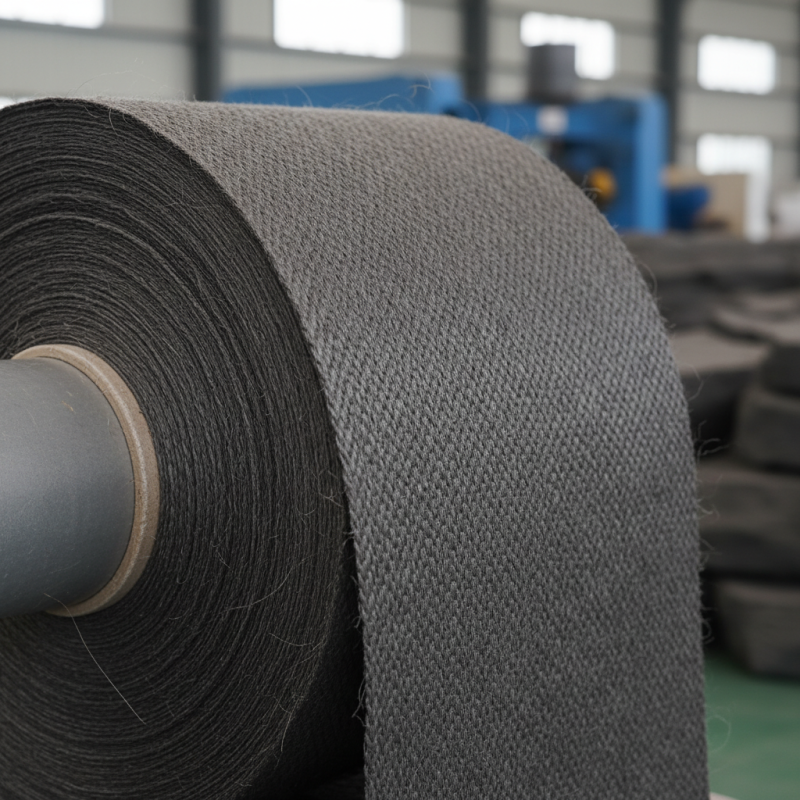
In particular, the Basalt Fiber Cloth Roll is gaining prominence. Its versatility makes it suitable for various applications, from insulation to reinforcement. Data indicates that the construction sector is the largest consumer, accounting for nearly 40% of the total market share. However, challenges still exist. The limited availability of raw basalt and high production costs may hinder growth. Increasing access to advanced manufacturing technologies could address these issues.
Moreover, environmental considerations highlight the benefits of basalt fiber. Unlike synthetic alternatives, basalt fibers are produced from natural volcanic rock. This process emits fewer pollutants. However, the market needs to address the recycling and reusability of basalt fiber materials. Focusing on these aspects can provide sustainable solutions while enhancing the overall market resilience.
Quality Standards and Certifications for Basalt Fiber Cloth Supply
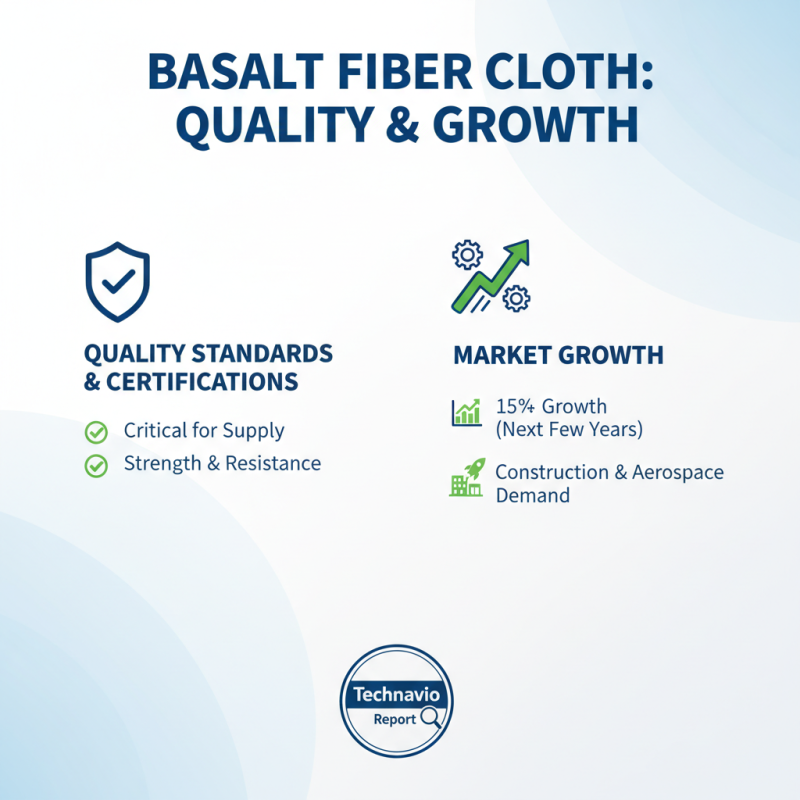
When it comes to the supply of basalt fiber cloth, adhering to quality standards and obtaining proper certifications is critical. Basalt fiber, known for its strength and resistance, has been gaining traction across various industries, including construction and aerospace. According to a report by Technavio, the global basalt fiber market is expected to grow by over 15% in the next few years, indicating a clear demand for quality materials.
In ensuring that basalt fiber cloth meets industry standards, manufacturers must pursue certifications such as ISO 9001 for quality management systems. This certification signals to clients that the product conforms to international standards. Moreover, compliance with ASTM and EN standards is essential to demonstrate reliability in different applications. It's important to note that while many suppliers claim quality, the absence of these certifications raises concerns about their product's integrity.
The production process itself should also be scrutinized. Factors like raw material sourcing and manufacturing techniques can greatly affect the final product quality. Without rigorous testing and a transparent supply chain, issues may arise. These could range from inconsistencies in fabric thickness to variations in performance metrics. Companies should regularly review their quality assurance practices to ensure they align with current industry benchmarks.
Cost-Effectiveness of Wholesale Basalt Fiber Solutions in Various Applications
Basalt fiber solutions present significant cost-effectiveness across various applications. This material, derived from volcanic rock, offers unique benefits. Studies show that basalt fiber can be up to 30% stronger than fiberglass. Its durability and resistance to extreme temperatures make it suitable for diverse uses. Industries such as construction and aerospace are increasingly opting for basalt fiber due to its high performance and lower production costs.
When considering wholesale Basalt Fiber Fabric Cloth, the upfront investment can seem substantial. However, long-term savings in maintenance and replacement often outweigh these costs. Reports indicate that buildings using basalt fiber reinforced materials show a 25% decrease in structural damage over time. Hence, selecting the right wholesale options becomes crucial for maximizing returns.
**Tip:** Always assess the long-term benefits of materials. Don't just focus on the initial price. Also, consider the environmental impact. Basalt fiber production has a lower carbon footprint than traditional fibers. This aspect may enhance your project’s sustainability profile. Evaluate suppliers carefully to find the best quality and price combination.
Future Innovations in Basalt Fiber Technology and Their Impacts
Innovations in basalt fiber technology are set to redefine industry standards. Recent reports indicate that the global basalt fiber market is projected to grow at a compound annual growth rate (CAGR) of 10.5% from 2022 to 2027. This growth is driven by the increasing demand for lightweight and high-strength materials in construction and aerospace.
Development in basalt fiber technology, particularly in the manufacturing of Basalt Fiber Multi Axial Cloth, shows promise for diverse applications. This fabric offers superior mechanical properties and thermal resistance. It is ideal for reinforcing composite materials, which can enhance the durability of construction elements. While progress is evident, challenges remain in unlocking its full potential.
Despite the benefits, limitations exist in the widespread use of basalt fiber. Consistency in quality and production costs need attention. Some manufacturers struggle with ensuring uniformity, which can affect the final product's performance. Future innovations must address these issues to maximize the material’s impact across industries.
Future Innovations in Basalt Fiber Technology
FAQS
: Basalt Fiber Cloth consists of fine fibers made from basalt rock, offering unique properties for construction and manufacturing.
It enhances structural integrity, retrofits old buildings, and provides excellent insulation against fire and temperature changes.
Yes, it is lightweight but remarkably durable, improving the performance of various industrial products.
Yes, it can be more expensive than traditional materials, necessitating a budget evaluation for projects.
It should conform to certifications like ISO 9001 and comply with ASTM and EN standards for reliability.
Certifications signal product conformity to international standards, helping clients trust the integrity of the materials.
Factors like raw material sourcing and manufacturing techniques can lead to inconsistencies and affect the final product.
Problems such as inconsistencies in fabric thickness and performance variations may occur, affecting overall reliability.
Yes, regular reviews are essential to ensure alignment with the current industry benchmarks for product quality.
Yes, the market is expected to grow significantly, indicating a clear demand for quality basalt fiber materials.
Conclusion
The article delves into the emerging significance of Basalt Fiber Cloth, highlighting its impressive properties and advantages over traditional materials. With unique characteristics such as high strength, thermal stability, and resistance to corrosion, basalt fiber has found common applications in construction and manufacturing. It not only serves as an innovative alternative to conventional materials but also offers cost-effective solutions for various projects.
In 2023, the market for basalt fiber products is witnessing notable growth and demand, driven by ongoing innovations in technology and an increasing focus on sustainability. The article outlines essential quality standards and certifications for the supply of basalt fiber cloth, ensuring reliability and performance in diverse applications. As the industry evolves, future advancements in basalt fiber technology are anticipated to further enhance its utility and impact across multiple sectors.