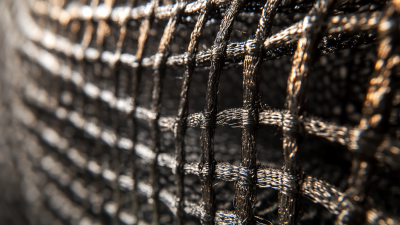
You know, as the construction game keeps changing, more and more folks are turning to innovative materials that are better for our planet. One that’s really catching on lately is 3D Basalt Mesh. I read in the International Journal of Civil Engineering that using basalt fiber in building projects doesn’t just make structures stronger, but it also helps cut down on environmental damage. That’s pretty huge, especially when you consider that about 40% of the world's carbon emissions come from construction stuff—crazy, right?
Companies like Basalt Technologies are raving about this material, saying that 3D Basalt Mesh has incredible tensile strength. Plus, it’s super lightweight but still resists Chemicals and high temperatures naturally, making it a pretty solid alternative to the usual materials we’ve used forever. And get this—by 2027, the market for basalt fiber composites could hit around $3.2 billion. People are really betting on this stuff.
That said, it’s not all smooth sailing. Not everyone in the construction world is totally familiar with 3D Basalt Mesh yet, which could slow down its widespread adoption. Plus, it can be pricey upfront, especially for smaller companies trying to get started. Still, when you think about the durability and how it can save money on upkeep down the road, it’s honestly a pretty tempting option for projects that want to be future-ready. So, yeah, it’s worth thinking about all these pros and cons when you’re considering using 3D Basalt Mesh in your next build.
Benefits of Using 3D Basalt Mesh in Construction Projects
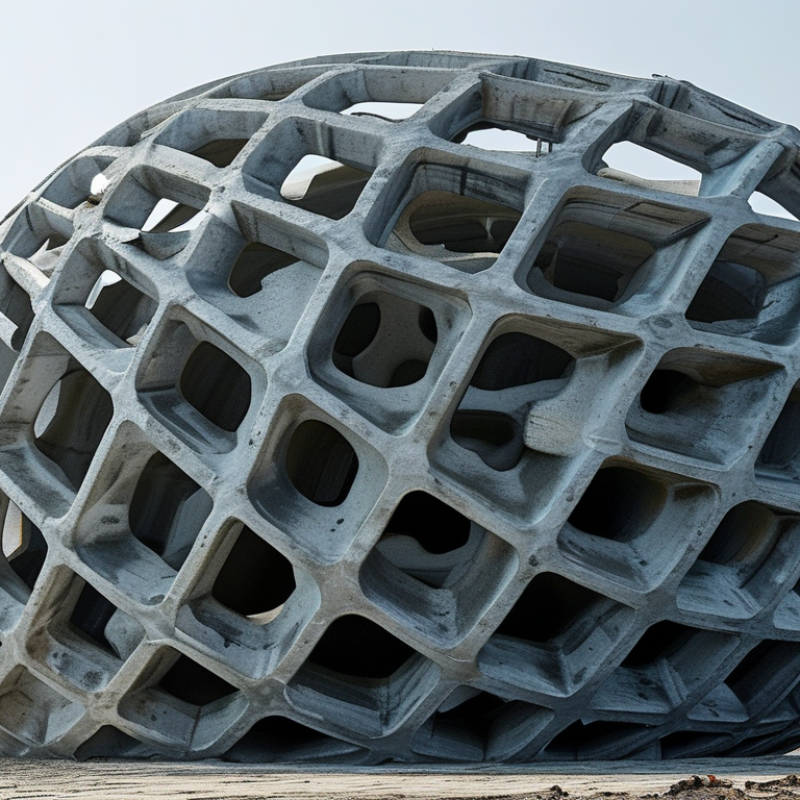
In contemporary construction projects, 3d Basalt Mesh has emerged as a game-changer. This innovative material excels due to its unique combination of strength and flexibility. It is made from basalt fibers, which are known for their impressive durability and resistance to environmental factors. This feature is crucial in unpredictable weather conditions, where conventional materials might fail.
The use of 3D Basalt Mesh enhances structural integrity. Its lightweight nature contributes to easier handling and faster installation times. The mesh's design allows for effective load distribution, which minimizes the risk of cracks and failures in structures. However, some might question its long-term performance compared to traditional materials. It's vital to conduct thorough testing to ensure the right choice for specific applications in construction. While many have embraced 3D Basalt Mesh, understanding its limitations remains essential. After all, innovation often involves navigating new challenges.
Key Properties of Basalt Fiber in Structural Applications
Basalt fiber is gaining recognition in structural applications. Its unique properties make it a strong contender for construction needs. Lightweight yet durable, Basalt Fiber Mesh thrives under various conditions. It shows excellent resistance to corrosion, ensuring longevity in demanding environments. This is crucial in areas exposed to moisture or chemicals.
Tips: When exploring materials, consider the specific environmental factors for your project. Assess how basalt fiber mesh performs in those conditions.
Another advantage of basalt fiber is its thermal stability. It resists high temperatures, providing safety in fires. This can be vital in regions prone to wildfires or industrial settings. Moreover, basalt fiber mesh has a high tensile strength. This strength adds resilience to structures, reducing the likelihood of damage over time.
Tips: Evaluate both short-term and long-term benefits of materials. A material's initial cost may be higher, but its durability can save money in the future.
While basalt fiber mesh offers many advantages, potential challenges exist. It may require skilled labor for installation. Training may be necessary to fully utilize its benefits. This highlights the importance of expert guidance in construction projects. Investing in knowledgeable personnel can optimize the use of basalt fiber.
Comparison of 3D Basalt Mesh with Traditional Reinforcement Materials
When evaluating 3D Basalt Mesh against traditional reinforcement materials, a few key factors stand out. The 3D Basalt Mesh system demonstrates superior tensile strength. Research indicates that its tensile strength can reach up to 1200 MPa, significantly higher than conventional steel mesh. This enhanced strength translates to improved structural integrity. However, the manufacturing process for Basalt Mesh requires more precision, which can lead to higher upfront costs.
Durability is another critical aspect. Basalt products are highly resistant to corrosion. According to industry reports, they exhibit a lifespan that is at least three times longer than that of steel in harsh environments. This effectively reduces the need for frequent repairs or replacements. Yet, some challenges exist in terms of the material's availability. Sourcing Basalt Mesh may be less straightforward than obtaining traditional materials in certain regions.
Moreover,
installation techniques for Basalt Mesh may require specialized training. Not all construction teams are familiar with the nuances of working with this material. This can result in a steeper learning curve. While the performance benefits of 3D Basalt Mesh are clear, the transition from traditional methods should be approached cautiously.
Applications of 3D Basalt Mesh in Various Construction Sectors
3D Basalt Mesh has found a vital role in various construction projects. It provides strength and durability, making it ideal for a range of applications. One common use is in structural reinforcement. The mesh can enhance the tensile strength of concrete structures. This results in safer, more reliable buildings.
Another area where 3D Basalt Mesh excels is in road construction. Its lightweight nature simplifies handling. Moreover, it resists environmental degradation, ensuring long-lasting road surfaces. In industrial applications, it supports heavy machinery installations. Builders appreciate its resistance to chemicals and extreme temperatures.
Yet, there are challenges when using 3D Basalt Mesh. Its initial cost can be higher compared to traditional materials. Knowledge about its applications is still growing. Some construction workers may need training to maximize its benefits. Despite these hurdles, the advantages clearly outweigh them. More awareness can drive innovation in construction methods.
Environmental Impact and Sustainability of Basalt Mesh
The environmental impact of construction materials is a critical concern today. Basalt mesh stands out for its eco-friendly properties. Made from volcanic rock, it possesses a lower carbon footprint compared to traditional materials like steel. According to a report from the Global Cement and Concrete Association, the production of steel contributes approximately 8% of global carbon emissions. In contrast, using Basalt Fibre Mesh can significantly reduce these emissions, promoting greener building practices.
Moreover, basalt mesh offers high durability and resistance to harsh environmental conditions. It doesn't rust or corrode, which means it can last longer without requiring replacements. The World Bank estimates that infrastructure replacement costs could be reduced by 30% when using durable materials like basalt fibre mesh. However, it's essential to note that the awareness of such sustainable options is still in its infancy among many construction firms. Adoption may be slow due to the initial costs associated with sourcing basalt materials.
Yet, the long-term benefits are undeniable. By incorporating basalt fibre mesh, builders can contribute to sustainable development goals while ensuring structural integrity. This eco-friendly alternative helps balance the need for modern infrastructure and environmental responsibility. While more data is needed to address the broader implications of its use, the potential for basalt mesh is promising.
Installation Techniques for 3D Basalt Mesh in Construction
3D Basalt Mesh offers a robust solution for construction projects. Its unique properties make it ideal for various applications, especially in reinforcement. Understanding installation techniques is crucial to maximizing its benefits.
When installing 3D Basalt Mesh, ensuring proper alignment is key. This ensures optimal performance under stress. Often, installers overlook this detail, leading to potential weaknesses in the structure. A careful approach can prevent future issues.
**Tips:** Use a level to check alignment during installation. This simple tool can save time and resources.
Another important aspect is securing the mesh effectively. This involves choosing the right fasteners and ensuring they are adequately spaced. Improper fastening can lead to the mesh shifting over time. Installers should regularly review their techniques to enhance their skills.
**Tips:** Double-check fastener placement as you go. Adjusting as needed is easier than fixing after installation.
Lastly, consider environmental factors. 3D Basalt Mesh is highly resistant to corrosion, but installation conditions matter. Working in extreme weather can affect adhesion. Recognizing this can lead to better outcomes. Always assess the environment before starting.
Why Choose 3D Basalt Mesh for Your Construction Needs?
| Feature | Description | Benefits |
| Durability | 3D basalt mesh is made from natural basalt fibers, offering remarkable durability compared to traditional materials. | Long-lasting performance that reduces maintenance costs. |
| Lightweight | The lightweight structure facilitates easy handling and installation. | Reduces transportation costs and labor during installation. |
| Corrosion Resistance | Basalt fibers do not corrode, offering longevity against environmental factors. | Increases structural integrity and lifespan of the construction. |
| Environmental Friendly | Made from natural and sustainable raw materials, 3D basalt mesh is eco-friendly. | Promotes environmentally responsible building practices. |
| Installation Techniques | Can be easily cut, shaped, and attached to various structures. | Flexible installation reduces time and labor costs. |
Cost Analysis: 3D Basalt Mesh vs. Conventional Reinforcement Solutions
When considering construction materials, understanding cost implications is critical. 3D basalt mesh provides a compelling alternative to traditional reinforcement solutions. Its unique properties offer a variety of benefits that can lead to long-term savings. The initial investment may seem higher, but the durability of basalt mesh often results in fewer repairs and lower maintenance costs.
Tips: Evaluate your project's long-term needs. Often, a higher upfront cost translates to significant savings later.
Basalt mesh is lightweight yet strong, which makes it easier to handle during installation. This can reduce labor costs and time on-site. Traditional methods usually require more manpower and lengthy installation times. Over time, the efficiency of using basalt mesh can lead to a decreased overall project budget.
Tips: Consider the environmental impact. Basalt mesh is made from natural materials, offering a sustainable choice compared to steel. It’s worth taking time to analyze the complete life cycle cost.
Some may argue about the effectiveness of new materials like these. It's essential to stay informed and open-minded. Testing and feedback from industry professionals can guide your decisions better than assumptions.
Innovative Applications and Benefits of Basalt Fiber Biaxial Fabric: Exploring the +45°/-45° and 0°/90° Series
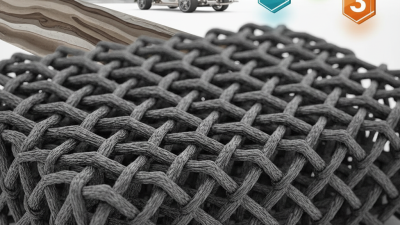
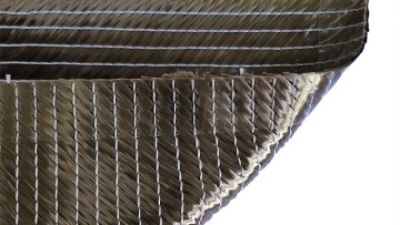
Basalt fiber biaxial fabric has emerged as a revolutionary material in various engineering applications, particularly due to its unique structural properties. Made from high-performance basalt fiber untwisted roving knitted with polyester threads, this fabric is available in two distinct orientations: the +45°/-45° series and the 0°/90° series. These orientations provide the versatility required in diverse applications, allowing for optimal strength and flexibility.
The mechanical benefits of basalt fiber biaxial fabric are significant. Its inherent characteristics promote enhanced tensile strength, durability, and resistance to environmental factors compared to traditional materials. The +45°/-45° configuration is particularly advantageous in applications requiring multi-directional strength and support, while the 0°/90° format excels in scenarios where maximum linear strength is crucial. This dual orientation capability allows engineers and designers to tailor solutions to specific performance needs, making basalt fiber an ideal choice for applications in construction, automotive, and aerospace industries.
FAQS
: 3D Basalt Mesh can reach tensile strength up to 1200 MPa, outperforming traditional steel mesh significantly.
Basalt Mesh lasts at least three times longer than steel in harsh environments, reducing repair needs.
Availability can be an issue; it may not be as easy to obtain as traditional reinforcement materials.
Yes, installation requires precision. Improper alignment can weaken the structure significantly over time.
Using a level is essential. It helps check alignment and can save time and resources during installation.
Environmental conditions matter. Extreme weather can impact adhesion, so assess conditions before starting.
The initial cost is higher, but reduced maintenance and repairs lead to long-term savings over time.
Yes, it is lightweight yet strong, which can lower labor costs and speed up the installation process.
Staying open-minded and seeking professional feedback can lead to better material choices over assumptions.
Evaluate sustainability; Basalt Mesh is made from natural materials, making it an eco-friendly option.
Conclusion
3D Basalt Mesh has emerged as a transformative solution in the construction industry due to its numerous advantages over traditional reinforcement materials. Its key properties, including high tensile strength, durability, and corrosion resistance, make it ideal for structural applications. In contrast to conventional materials, 3D Basalt Mesh offers enhanced structural integrity while being lightweight, facilitating easier installation and lower transportation costs.
The applications of 3D Basalt Mesh span various construction sectors, including infrastructure, residential, and industrial projects, showcasing its versatility. Additionally, its environmental impact is notably positive, as basalt fibers are naturally occurring and promote sustainability in construction practices. A thorough cost analysis reveals that, while the initial investment in 3D Basalt Mesh may be comparable to conventional solutions, its long-term benefits—such as reduced maintenance and extended lifespan—make it a cost-effective choice. Overall, embracing 3D Basalt Mesh stands to revolutionize construction methodologies by offering a robust, sustainable, and efficient alternative.