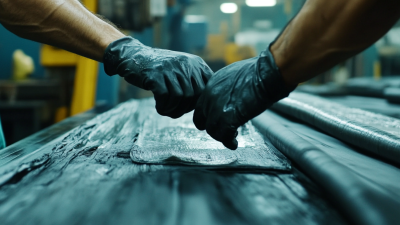
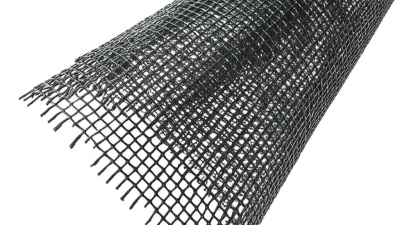
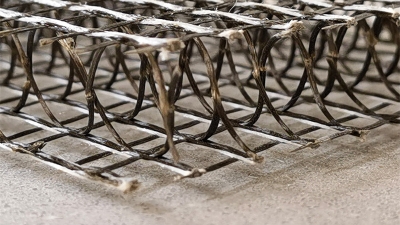
You know, over the past few years, the Construction and engineering fields have really started to catch on to just how versatile3D Basalt Mesh can be. I mean, it’s got this amazing strength-to-weight ratio and it's tough against the elements! A recent report from MarketsandMarkets even predicts that the global basalt fiber market could hit around USD 98 million by 2025—all thanks to its great uses in civil engineering and composites. Now, if we're talking about the big players in this game, China Beihai Fiberglass Co., Ltd. is definitely leading the pack. They’re all about the research, development, and production of high-performance basalt continuous fiber. Plus, incorporating 3D Basalt Mesh into projects can really boost the durability of structures and slash maintenance costs, not to mention it's a step towards more sustainable building practices. In this blog, we're going to dive into the different applications of 3D Basalt Mesh and share some tips on how to use it effectively in a variety of projects. So, stick around!
Understanding 3D Basalt Mesh: Properties and Benefits in Various Industries
So, have you heard about 3D basalt mesh? It’s this pretty cool material that’s been making waves in a bunch of different industries—and for good reason! Basically, it’s made from volcanic rock, and those basalt fibers bring some impressive qualities to the table. They’re tough, resistant to rusting, and handle heat like a champ, which makes them a go-to choice in construction, automotive, and even aerospace. A report from MarketsandMarkets suggests the global composite materials market could hit around $155 billion by 2025, with basalt fibers at the heart of this growth thanks to how eco-friendly and effective they are!
In construction, people are really starting to get the hang of using 3D basalt mesh to reinforce concrete structures. It’s lightweight, which is fantastic for cutting down on material costs while still boosting the overall strength of the builds. Plus, maintenance costs can go down significantly since it's not as vulnerable to the usual wear and tear we see with traditional materials. But remember, it’s crucial to think about how to integrate the mesh properly into your designs. You’ll want to keep an eye on things like load capacity and the environment to make the most of it.
**A quick tip:** If you’re thinking about incorporating 3D basalt mesh in your projects, definitely take the time to run some tests to find the best ways to use it. Teaming up with engineers and material experts can help tailor the mesh to fit your specific needs. And don’t forget to stay updated on any advancements in basalt technology to really tap into its full potential!
Key Applications of 3D Basalt Mesh in Construction and Civil Engineering
You know, 3D basalt mesh is really making waves in the construction and civil engineering world, and it's easy to see why! It’s got some pretty impressive mechanical properties and is super sustainable too. A report from MarketsandMarkets even predicts that the global market for composite materials, including basalt fibers, could hit a whopping $85 billion by 2025! That just shows how much people are craving innovative building materials. One cool application of 3D basalt mesh is in reinforced concrete structures — it really boosts tensile strength and crack resistance, which is awesome because it helps prevent those scary structural failures.
But wait, there’s more! This mesh is also becoming a go-to solution in geotechnical engineering, especially for soil stabilization and erosion control. I came across a study in the International Journal of Materials Science that showed using basalt mesh in retaining walls really improves load distribution and overall stability. Plus, it cuts down on maintenance costs.
The mesh is super lightweight and resistant to chemical attacks, making it a fantastic pick for coastal areas and places with heavy traffic, where durability is key. With manufacturing techniques getting better all the time, 3D basalt mesh is on track to really shake up the construction industry, leading the way for more robust and eco-friendly structures — how cool is that?
Comparative Analysis: 3D Basalt Mesh vs. Traditional Reinforcement Materials
When it comes to the comparison between 3D basalt mesh and traditional reinforcement materials, several studies emphasize the superior mechanical properties and sustainability of basalt fibers. Recent experiments indicate that the orientation and placement of fibers in concrete significantly influence its load-carrying capacity, strength, and energy absorption. Specifically, fiber-reinforced composites have shown remarkable performance improvements, particularly under dynamic loads, making them a preferable choice over conventional materials.
In addition to enhanced mechanical performance, basalt fibers are recognized as environmentally friendly materials, offering a sustainable alternative to synthetic fibers. Research has highlighted that incorporating basalt fibers in polymer composites not only bolsters their mechanical attributes but also reduces the overall ecological footprint of construction projects. Such innovation positions basalt fibers as a compelling choice for architects and engineers looking for greener solutions.
Tip: For effective utilization of 3D basalt mesh in construction, ensure proper fiber orientation during the placement process to maximize structural integrity and load distribution. Additionally, considering the use of basalt fiber in combination with other materials could yield hybrid solutions that enhance performance even further. Leveraging the unique properties of basalt fibers can significantly contribute to the sustainability and durability of modern construction.
Industry Certification Standards for 3D Basalt Mesh: Ensuring Quality and Compliance
Hey there! You might have heard about 3D basalt mesh—it's really becoming a big deal in different industries these days, especially in construction, aerospace, and automotive. With all the buzz around sustainability and durability, it’s super important to follow industry certification standards. These standards basically make sure that the 3D basalt mesh products not only perform well but also keep us safe. Recent reports show that the global demand for basalt fiber is expected to shoot up by around 15% each year from 2023 to 2028. Pretty impressive, right? It really highlights how crucial quality assurance is in this field.
If you want to make sure you’re getting quality products, you might want to check out suppliers like China Beihai Fiberglass Co., Ltd. They really know their stuff when it comes to high-performance basalt continuous fiber. Just don’t forget to double-check that your 3D basalt mesh has the right certifications, like ISO 9001—that’s key for ensuring it’s reliable for structural uses.
A little tip: when you’re on the hunt for 3D basalt mesh, pay attention to detailed product specs and make sure to grab those certificates that confirm compliance with ASTM standards. Keeping up with quality reports can really help you get the best performance out of your materials. And hey, don't hesitate to chat with suppliers about the best ways to integrate 3D basalt mesh into your designs to make the most of it!
Applications and Compliance of 3D Basalt Mesh
This chart presents the diverse applications of 3D Basalt Mesh across various industries and highlights the importance of adhering to industry certification standards for ensuring quality and compliance.
Strategies for Efficient Utilization of 3D Basalt Mesh in Manufacturing Processes
You know, the use of 3D basalt mesh in manufacturing is really starting to pick up steam! Why? Well, it turns out this stuff has some pretty cool properties that make it super versatile. Recent research shows that if you use basalt fiber reinforced composites, you could boost product durability and performance by as much as 30% compared to the old-school materials like fiberglass. Pretty impressive, right? This is mainly because basalt has some fantastic tensile strength and thermal resistance, making it a go-to option across various industries, from construction to aerospace. If manufacturers want to make the most of these advantages, they should think about weaving 3D basalt mesh into their design plans to ensure that their structures are not just lightweight but also really strong.
One smart move would be to dive into additive manufacturing techniques with 3D basalt mesh. This method opens up the door for all kinds of intricate shapes and lets you customize material properties. A report by the International Journal of Advanced Manufacturing Technology even highlighted that using these additive methods with basalt mesh can cut waste material by about 25%. Talk about being sustainable! Plus, if manufacturers use simulation software during the design phase, they can fine-tune the layout of the mesh. This would not only enhance its performance but also help keep production costs in check. By embracing these strategies, companies can really make the most out of 3D basalt mesh and amp up their manufacturing game!
Future Trends: Innovations and Market Growth in 3D Basalt Mesh Applications
The 3D basalt mesh market is really on the verge of some big growth in the next few years, and it's all thanks to some cool innovations in material technology and a rising demand in a bunch of different industries. A recent report from Grand View Research suggests that the global basalt fiber market could hit around 500 million bucks by 2027, which is pretty impressive, with a compound annual growth rate (CAGR) of 15.6% from 2020 to 2027. So, why all the excitement? Well, it boils down to the unique qualities of basalt mesh. It’s not just strong; it’s lightweight, resists heat and chemicals, and, hey, it's environmentally friendly too!
Looking ahead, it seems like new manufacturing techniques are really going to amp up the versatility and uses for 3D basalt mesh. The construction industry could see some serious benefits from these innovations. By using basalt mesh for concrete reinforcement, builders have a greener alternative to the usual steel, which is a win for sustainable building practices. A report from MarketsandMarkets even points out that the construction segment is likely to dominate the basalt fiber market, grabbing a big slice of the pie as more companies jump on the sustainability bandwagon to meet regulations and what consumers want. As new ideas keep popping up, 3D basalt mesh should really spread its wings across different industries, helping us build more resilient and eco-friendly infrastructures.
Exploring the Benefits of Lightweight and High Strength 3D Basalt Fiber Mesh in Modern Construction
In modern construction, the demand for materials that combine strength with lightweight properties is ever-increasing. The 3D Basalt Fiber Mesh stands out in this regard, offering a high-performance solution that meets the rigorous standards of contemporary civil engineering. Its unique three-dimensional structure not only enhances tensile strength but also provides unparalleled stability, making it a crucial reinforcement material in various construction applications.
Constructed from high-quality basalt fiber, this mesh exhibits exceptional corrosion resistance and durability, far surpassing traditional materials. Its ability to effectively enhance the load-bearing capacity of concrete and soil structures ensures that engineering projects are more resilient and have an extended service life. Whether utilized in road construction, bridge engineering, or foundation treatment, the 3D Basalt Fiber Mesh proves to be an indispensable asset, delivering reliable support that engineers can depend on. The integration of this innovative material into construction practices not only boosts structural integrity but also aligns with the industry's growing emphasis on sustainability and performance.
FAQS
: 3D basalt mesh is a composite material reinforced with basalt fibers that offers improved durability and performance. It is gaining popularity due to its superior tensile strength, thermal resistance, and versatility across various industries.
Studies indicate that basalt fiber reinforced composites can enhance product performance and durability by up to 30% compared to traditional materials like fiberglass.
One effective technique is additive manufacturing, which allows for the creation of complex geometries and tailored material properties while integrating 3D basalt mesh.
Additive methods involving basalt mesh have demonstrated a 25% reduction in waste material, contributing to more sustainable manufacturing practices.
The global basalt fiber market is projected to reach USD 500 million by 2027, with a CAGR of 15.6%, driven by innovations in material technology and increased demand across various sectors.
The construction industry is anticipated to experience significant benefits, as the use of basalt mesh in concrete reinforcement presents an eco-friendly alternative to traditional steel.
3D basalt mesh has a high strength-to-weight ratio, is resistant to heat and chemicals, and promotes eco-friendly practices, aligning with green building initiatives.
Implementing simulation software during the design phase is recommended, as it can assist in optimizing the mesh's layout and enhancing performance while reducing production costs.
As companies seek to meet regulatory demands and consumer preferences for sustainable materials, the use of 3D basalt mesh is expected to increase significantly in various industries.
The use of basalt mesh in concrete reinforcement serves as an environmentally friendly alternative to traditional steel, promoting more sustainable building practices.