
Leave Your Message
You know, in recent years, the global market for Basalt Rebarhas really started to shine—it's grabbing a lot of attention because it has some fantastic properties compared to the usual Steel Reinforcement we’re all familiar with. According to theGlobal Basalt Fiber Market Report, it looks like the demand for basalt fiber products is set to grow at over 9% annually until 2025. That's pretty impressive! China Beihai Fiberglass Co., Ltd., which is like a big player in the basalt fiber industry, really stresses the need for high-quality basalt rebar to stick to those tough construction standards that everyone’s striving for. With its amazing tensile strength, resistance to corrosion, and lightweight feel, basalt rebar is not just a smart choice; it's also a sustainable alternative. It helps keep structures going strong while supporting those green building efforts we’re all getting behind these days. So, this handy checklist I've put together aims to help buyers nail down all the essential technical details and sourcing tips to find the best basalt rebar out there in the global market, ensuring their projects really benefit from this innovative material.
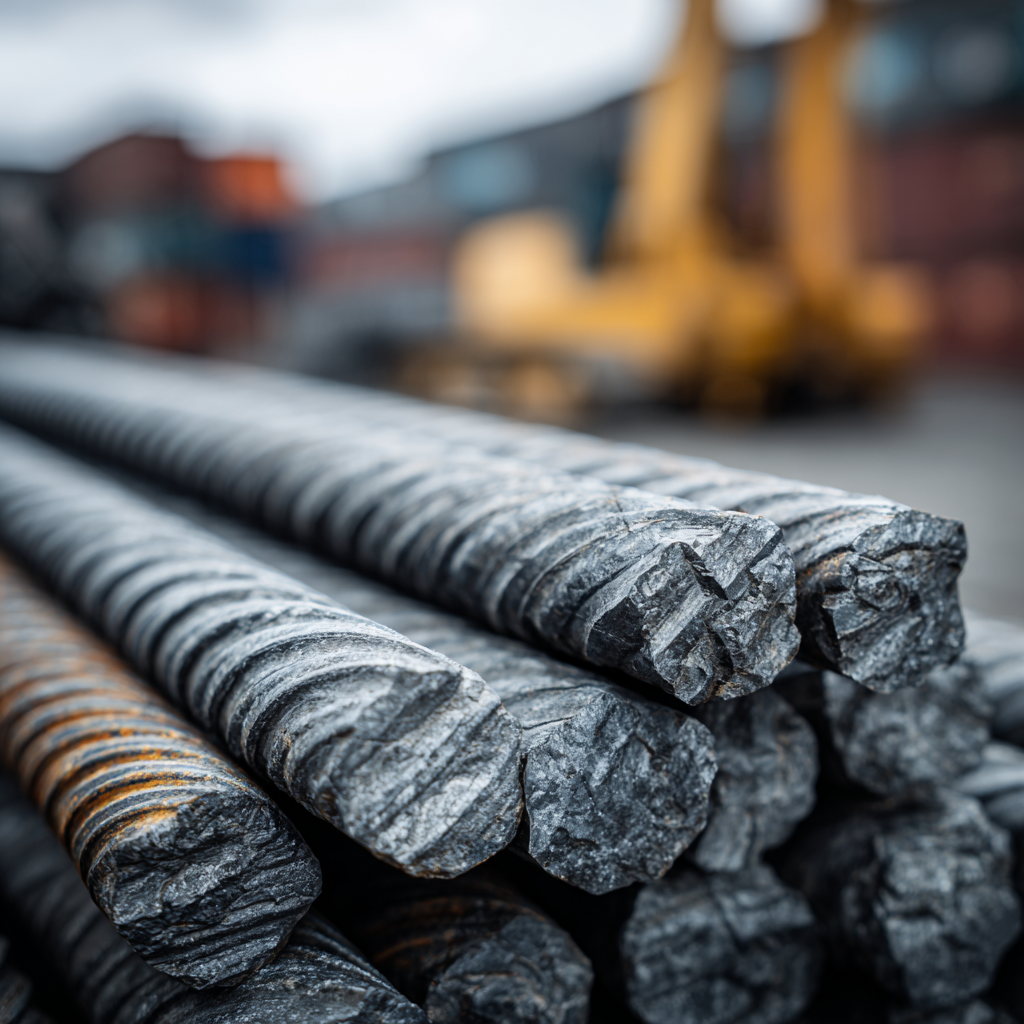
You know, lately, there’s been a real boom in demand for basalt rebar, and the numbers are pretty impressive! Projections show that by 2025, the global basalt fiber market could hit around USD 420 million, growing at a solid rate of 10.5% each year. Quite a leap, right? This surge is happening for a bunch of reasons—mainly how exceptional basalt is when it comes to strength-to-weight ratio, not to mention its corrosion resistance and sustainability compared to the old-school steel we’ve been using. With the construction sector all over the globe hunting for new and durable materials, basalt rebar is really starting to stand out in everything from cozy homes to massive infrastructure projects.
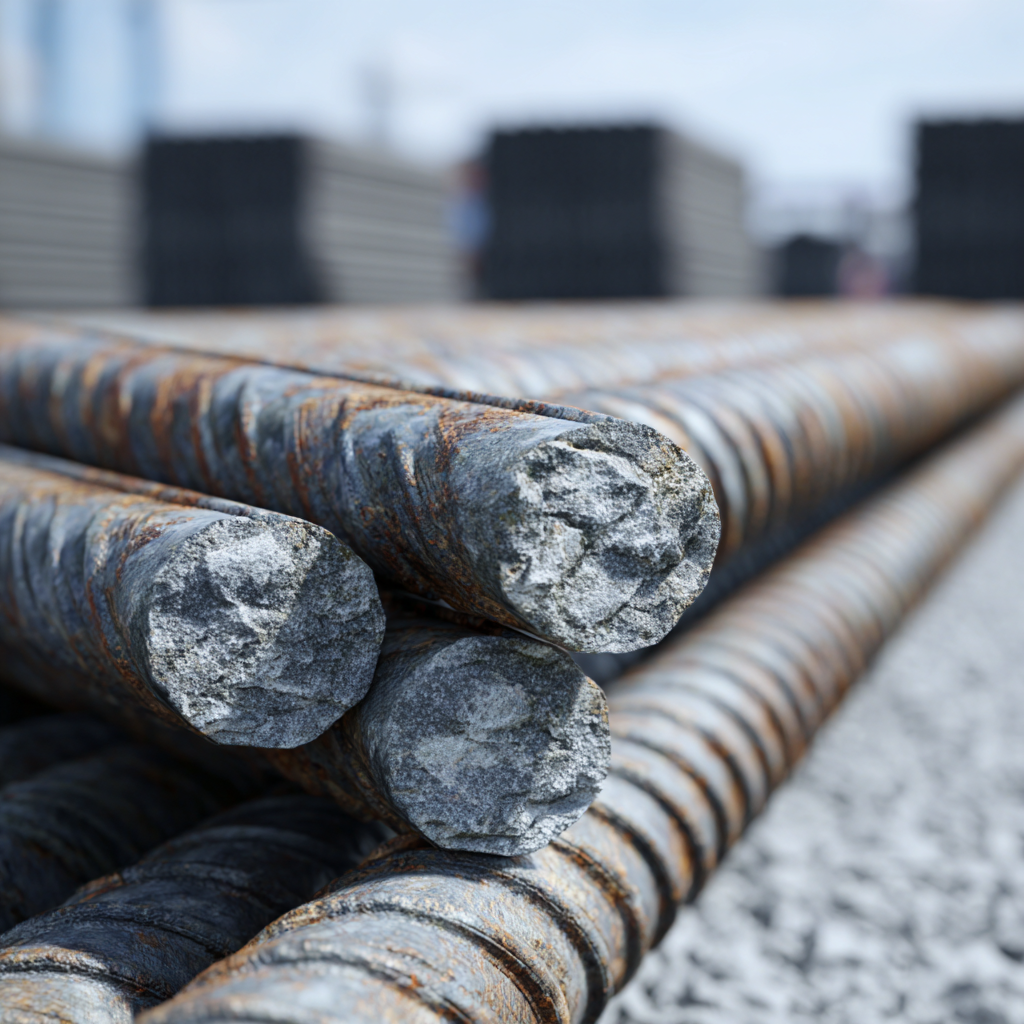
Over here at China Beihai Fiberglass Co., Ltd., we’re super excited to be leading the charge in this dynamic market. We’re all about high-performance basalt continuous fiber and have some pretty advanced production equipment that helps us keep up with the soaring global demand. With our cutting-edge technology and deep research know-how, we’re dedicated to delivering top-notch basalt rebar solutions. Supporting the push for d durability and sustainability in construction isn’t just a bonus for us; it’s part of our mission to lead the way in basalt fiber innovation and application. As the market for basalt rebar continues to grow, we can’t wait to play a key role in building a more sustainable future for construction!
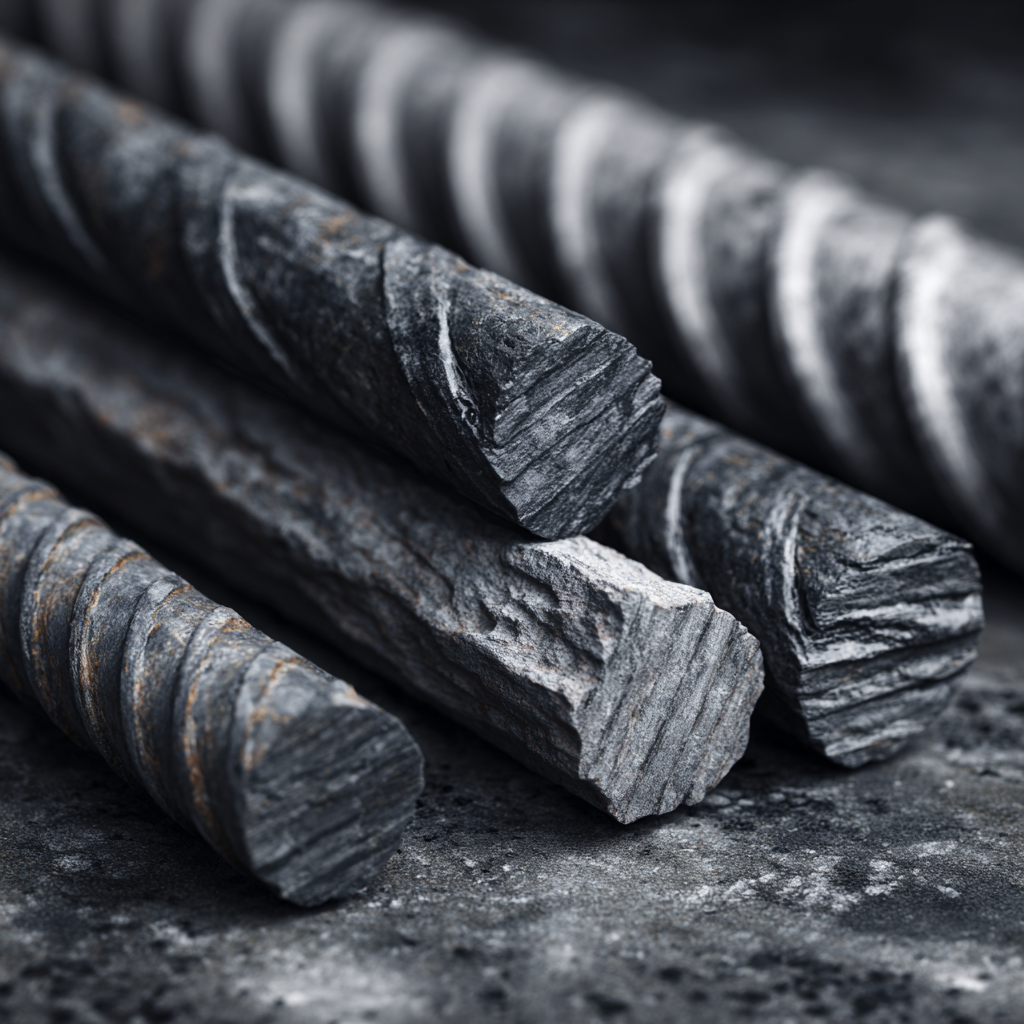
In the quest to enhance construction durability, the integration of wear-resistant basalt fiber rebar is proving to be a game changer across various sectors, including construction, roads, and bridges. This innovative material is gaining traction due to its remarkable mechanical properties and resistance to environmental wear, making it an ideal choice for reinforcing concrete structures. According to a recent industry report, structures reinforced with basalt fiber exhibit up to 50% higher tensile strength and significantly improved seismic performance compared to traditional steel counterparts.
In the realm of road construction, basalt fiber rebar is redefining the standard for pavement durability. Studies indicate that the use of basalt fiber can enhance pavement's load-bearing capacity by nearly 30%, thus extending its service life significantly. Additionally, it offers superior resistance to cracking and environmental degradation, making it a sustainable option in modern pavement design.
When it comes to bridges, basalt fiber rebar enhances the overall structural integrity while also improving seismic performance. Research shows that bridges incorporating basalt fiber reinforcement can withstand greater loads and stresses, which is particularly beneficial in seismically active regions. This innovative material not only improves safety and durability but also reduces maintenance costs over time, positioning basalt fiber reinforced plastic as a vital component in the future of infrastructure development.
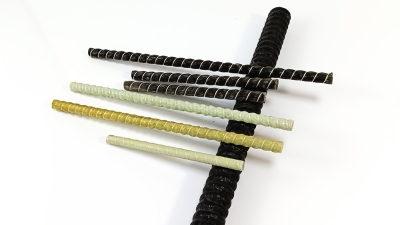
: Basalt rebar is a reinforcement material made from natural basalt rocks. Its demand has surged due to its exceptional strength-to-weight ratio, corrosion resistance, and sustainability compared to traditional steel reinforcement, especially as the construction industry seeks innovative and durable materials.
The global basalt fiber market is expected to reach USD 420 million by 2025, expanding at a compound annual growth rate (CAGR) of 10.5%.
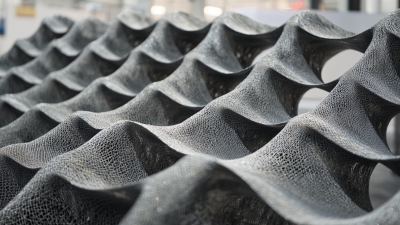
Innovative manufacturing techniques, such as 3D printing and automated pultrusion, are set to enhance the efficiency and sustainability of basalt rebar production, leading to reduced costs and waste.
Basalt rebar is more environmentally friendly as its production requires less energy and generates minimal waste, significantly reducing the carbon footprint associated with construction projects.
Basalt rebar enhances the longevity and durability of structures due to its high resistance to corrosion, ultraviolet radiation, and extreme temperatures, resulting in fewer repairs and replacements over time.
Businesses should evaluate suppliers based on their adoption of innovative manufacturing techniques, focus on environmental sustainability, and the unique advantages of basalt rebar like high tensile strength and chemical corrosion resistance.
China Beihai Fiberglass Co., Ltd. is at the forefront of the basalt fiber industry, leveraging advanced production equipment and technology to meet global demand for high-quality basalt rebar solutions.
Besides rebar, the overall basalt fiber market is projected to reach USD 260 million by 2025, with a CAGR of 8.5%, driven by increasing demand for lightweight and corrosion-resistant materials in various construction applications.