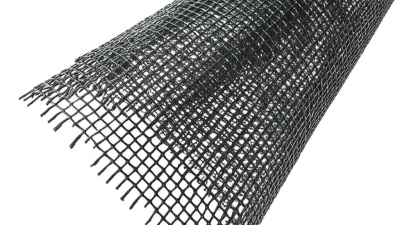
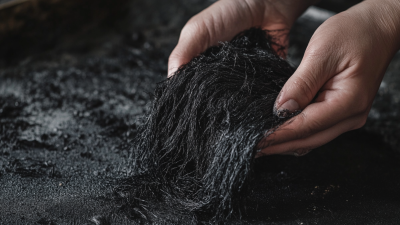
You know, the world of materials science is always changing, and right now, there’s this huge push for high-performance solutions that’s really sparking innovation in so many industries. One material that's been making waves is Basalt Fiberglass Cloth. It’s got incredible strength, durability, and heat resistance, which is pretty impressive!
Looking ahead to 2025, it’s super important for businesses and project managers to get a grip on the market dynamics and how this versatile material can be applied. Take, for example, China Beihai Fiberglass Co., Ltd. – they're a big player in the basalt fiber game, focusing on research, development, and producing top-notch basalt continuous fiber and the equipment to make it.
This guide you're reading aims to empower you with everything you need to know about picking the best Basalt Fiberglass Cloth for your projects. Plus, we’ve included insights on market trends and some cool examples that showcase its benefits and applications across different fields.
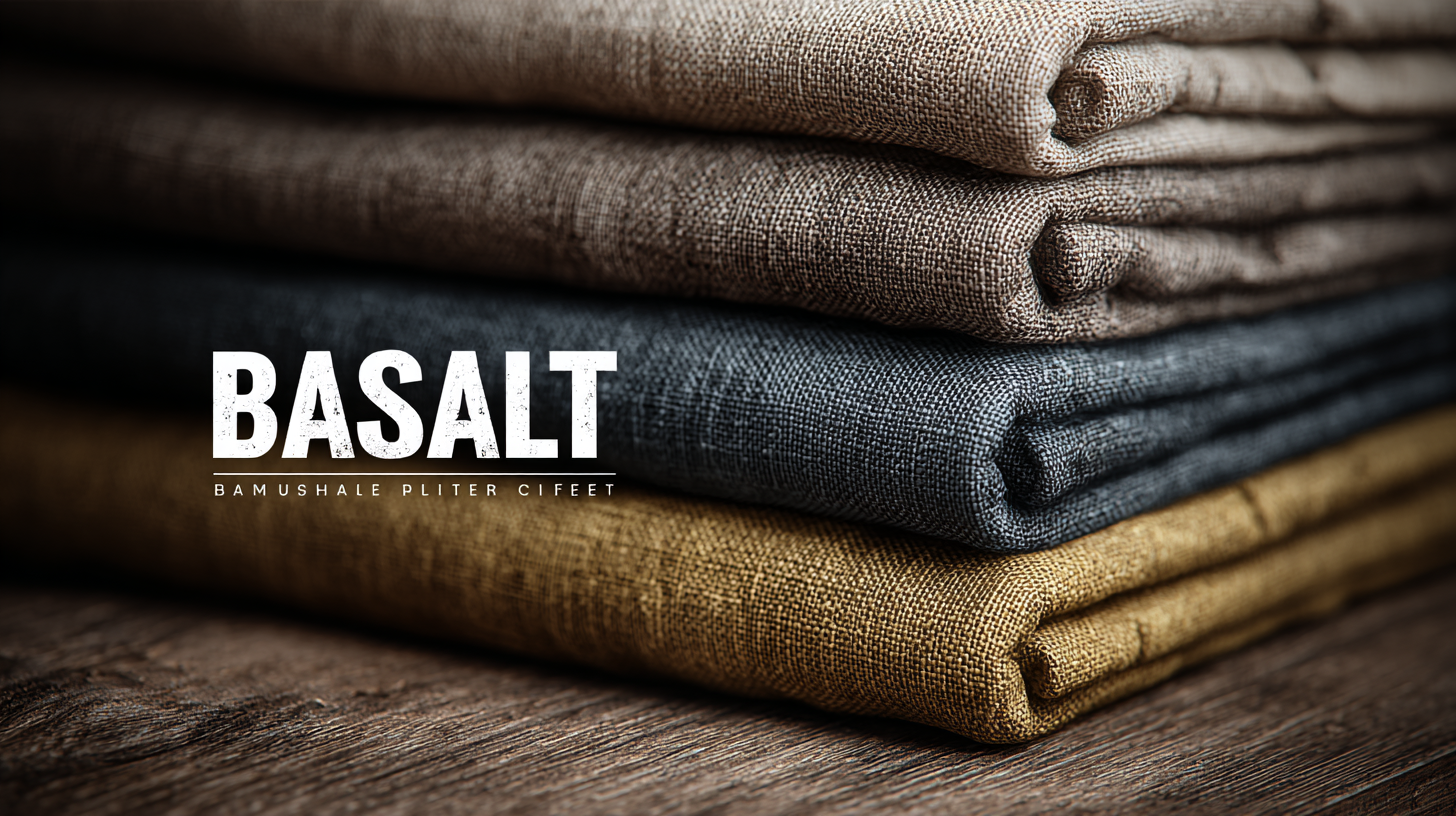
Understanding Basalt Fiberglass Cloth: Composition and Characteristics
You know, basalt fiberglass cloth has really become a standout material these days, and it’s being used in so many different industries. What makes it special? Well, unlike traditional fiberglass that’s made from silica, basalt fiberglass comes from volcanic rock. This gives it some serious durability and thermal resistance! So, it can handle extreme temperatures like a champ, which is why it’s such a popular choice for projects needing insulation or reinforcement in tough environments. Plus, it's non-combustible, which is a big plus for fire safety, especially in construction and manufacturing settings.
Here at China Beihai Fiberglass Co., Ltd., we’re all about researching and producing basalt continuous fiber, and we’ve made a name for ourselves in the domestic basalt fiber market. We're super committed to innovation, so you can trust that we’re providing high-quality basalt fiberglass cloth that’s customized for all sorts of projects. Whether you need lightweight materials for Aerospace engineering or strong options for civil construction, really getting to know the ins and outs of basalt fiberglass cloth will help you make smart choices that boost the performance and lifespan of your projects.
Ultimate Guide to Choosing the Best Basalt Fiberglass Cloth for Your Projects
| Type | Weight (g/m²) | Thickness (mm) | Tensile Strength (MPa) | Application |
| Basalt Fiberglass Cloth 160 | 160 | 0.12 | 650 | Automotive, Aerospace |
| Basalt Fiberglass Cloth 240 | 240 | 0.18 | 800 | Construction, Wind Turbines |
| Basalt Fiberglass Cloth 320 | 320 | 0.24 | 900 | Boats, Marine Applications |
| Basalt Fiberglass Cloth 400 | 400 | 0.30 | 1000 | Industrial Applications |
| Basalt Fiber Composite | Varies | Varies | Varies | Custom Applications |
Key Applications of Basalt Fiberglass Cloth in Various Industries
Hey there! So, have you heard about basalt fiberglass cloth? It’s really turning heads in a bunch of industries because it’s super versatile. What makes it stand out are its impressive qualities, like being really heat-resistant, strong, and stable when it comes to chemicals. A prime example of where it’s making waves is in the aerospace industry. Materials in that field have to handle some seriously tough conditions. A report from MarketsandMarkets even says that the aerospace composites market is on track to hit a whopping $60 billion by 2025, and folks are starting to notice how basalt composites are really light and perform better than the traditional stuff like carbon fiber.
Jumping over to the automotive world, basalt fiberglass cloth is also stepping in to help manufacturers crank up their efficiency and lighten the load of vehicles. The Global Composites Market report notes that composite materials are expected to grow at a rate of about 5.2% until 2027. This boost is pretty much driven by some stricter rules about fuel efficiency, and basalt composites are looking like a great option compared to the good old fiberglass since they come with better mechanical properties and resistance to heat.
Oh, and one thing to remember: when you’re picking out basalt fiberglass cloth, it’s super important to think about what your specific project needs. Like, what kind of temperatures are you working with? And how much mechanical stress will the materials face? Don’t forget to check that your supplier gives you those material data sheets to back up the performance claims. It can save you a lot of headaches later on!
Comparing Basalt Fiberglass Cloth to Other Fiber Materials: A Data-Driven Approach
So, when you're trying to pick the right fiberglass cloth for your projects, it's super important to get a handle on the differences between basalt fiberglass cloth and other fiber materials. You see, basalt fiberglass has some pretty cool properties—like amazing high temperature resistance and excellent mechanical strength—so it’s perfect for those tough jobs. On the flip side, traditional fiberglass can be easier on the wallet, but it definitely doesn’t hold up against heat like basalt does. So really, it all comes down to what your specific project needs are. Making the right material choice is key for getting the best performance and toughness out of your projects, you know?
Here’s a little tip: try doing a performance comparison based on what you're working on. For example, if you're dealing with materials that need to handle extreme temperatures, go with basalt. But if you’ve got a tight budget, checking out options like polyester or standard fiberglass could be a better way to save some cash.
Oh, and don’t forget to think about the environmental impact of your choices! Basalt fibers come from volcanic rock, so they have a lower carbon footprint compared to synthetic fibers. If being eco-friendly is a big deal for your project, then investing in basalt fiberglass cloth might be a smart move. It not only aligns with green practices but also gives you solid structural integrity.
Comparison of Different Fiber Materials: Strength and Weight
Factors to Consider When Choosing Basalt Fiberglass Cloth for Your Project
Choosing the right basalt fiberglass cloth for your projects can feel a bit overwhelming, but don’t worry, it’s not too complicated! The first thing you really want to do is think about what your specific project needs. Like, where are you planning to use this material? Because the truth is, basalt fiberglass cloth can differ quite a bit in terms of how tough it is, how well it handles heat, and its chemical resistance. You really need to match those qualities to what your project demands, whether you’re working on something for construction, automotive, or even marine purposes.
Here’s a little tip: Focus on the mechanical properties like tensile strength and flexibility when you’re looking at different fabrics. And definitely seek out reputable suppliers who can give you all the details—you want to be sure the cloth is up to snuff for what you’re doing. Oh, and don't forget to check out the weight and thickness of the fabric, too! These features play a big role in how well it performs and functions overall.
Another biggie to think about is how well the basalt fiberglass cloth goes with other materials you're using. This part is super important if you’re mixing it with composite materials or pairing it up with other types of fibers. Knowing how these materials vibe together will save you a lot of headaches down the road—trust me! So, by taking the time to dig into these factors, you’ll be in a much better spot to pick out the perfect basalt fiberglass cloth for a successful project!
Top Manufacturers and Market Trends in Basalt Fiberglass Cloth Industry
Hey there! If you're on the hunt for basalt fiberglass cloth for your next project, you've got to keep an eye on who's who in the manufacturing world and what’s trending out there. Lately, there’s been a pretty significant rise in demand for this stuff, and it’s not surprising—its awesome heat and chemical resistance makes it perfect for everything from cars to airplanes! Companies like SGL Carbon and BGF Industries are really leading the pack, always working on new and improved products to keep up with what people need. So, getting to know what they offer can definitely help you make some smart choices.
When you're picking out your basalt fiberglass cloth, think about what your project really needs. You should consider things like weight, the type of weave, and thickness. Different projects might call for different specs—you might find that a tighter weave will give you better strength and rigidity, while a looser weave could give you the flexibility you need. And don't forget to keep an eye on market trends! They often reveal some exciting new technologies and eco-friendly options that are really catching on lately.
Oh, and here’s a handy tip: always ask for samples from the manufacturers before you dive into a big order. That way, you can check out how the material performs firsthand and see if it really fits your project. Also, it’s great to stay in the loop with industry publications and forums. They’re a goldmine for feedback from other users and pros about their experiences with specific products and brands.
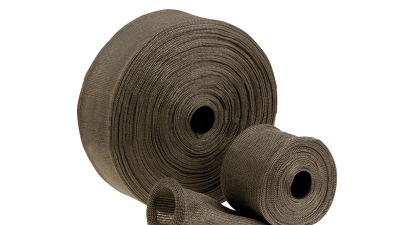
Enhance Thermal Protection with Insulation Basalt Fiber Wrapping Tape and Sleeving: Efficient Solutions for All Applications
In today's fast-paced industrial environment, ensuring safety and efficiency are paramount. The use of thermal protection solutions, such as Insulation Basalt Fiber Wrapping Tape and Sleeving, is becoming increasingly critical across various applications. This innovative material not only provides superior thermal insulation, but also extends the lifespan of components subjected to extreme temperatures. Basalt fiber, derived from natural volcanic rock, can withstand temperatures up to 1,000°C (1,832°F), making it an excellent choice for industries like automotive, aerospace, and marine.
Basalt Fiber Sleeving, known for its remarkable flexibility andDurability, excels in protecting engine and generator exhaust pipes, hydraulic hoses, and oil pipelines in a variety of settings. According to a report by Research and Markets, the global thermal insulation market is expected to reach $92 billion by 2027, driven by stringent safety regulations and a growing emphasis on energy efficiency. With increasing demand for reliable thermal protection in applications ranging from construction to mining, basalt fiber products stand out as an effective solution.
Moreover, in metallurgical and chemical processes, where heat and fire risks are a significant concern, Basalt Fiber Sleeving helps safeguard vital hoses and cables, ensuring operational safety and reliability. Its corrosion-resistant properties further enhance its appeal for applications in harsh environments, where traditional insulation materials might fail. Investing in quality basalt fiber insulation can lead not only to immediate safety enhancements but also to long-term cost savings through reduced maintenance and downtime.
FAQS
: Basalt fiberglass cloth is made from volcanic rock, providing enhanced durability and thermal resistance, unlike traditional fiberglass, which is derived from silica.
The main benefits include its ability to withstand extreme temperatures, non-combustibility for fire safety, and overall durability, making it suitable for insulation and reinforcement in harsh environments.
Basalt fiberglass cloth is made from volcanic rock rather than silica, which enhances its thermal resistance and durability compared to traditional fiberglass.
Basalt fiberglass cloth is used across various industries, including automotive, aerospace, civil construction, and manufacturing, due to its superior resistance to heat and chemicals.
You should consider the specific requirements of your project, including weight, weave type, thickness, and the specific properties needed for your application.
Notable manufacturers include SGL Carbon and BGF Industries, which are known for their continuous innovation and adaptation to meet consumer needs.
Requesting samples allows you to assess the material's performance firsthand, ensuring that it meets your project's specific criteria before committing to a larger order.
Staying updated with industry publications and forums can provide valuable insights into emerging technologies, eco-friendly options, and user feedback on specific products and brands.