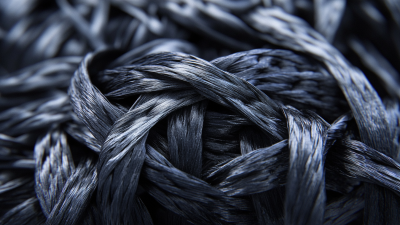
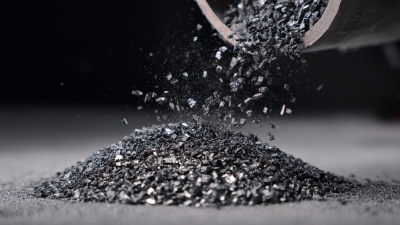
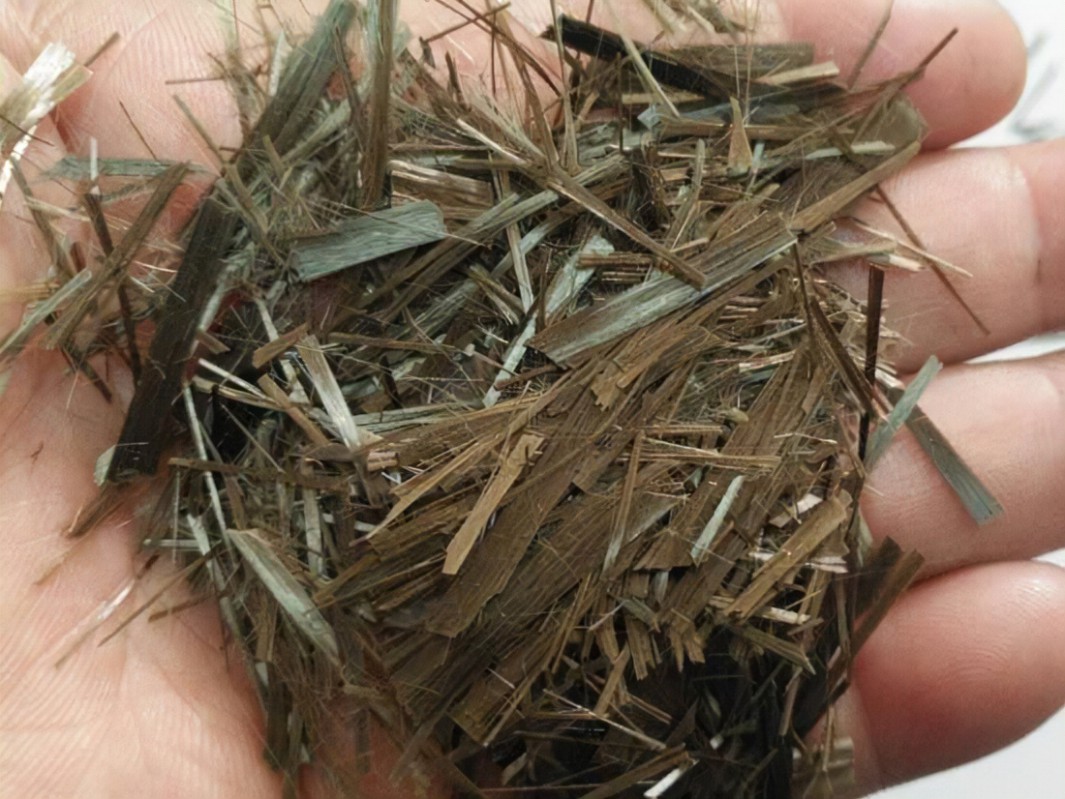
As the Construction world keeps changing, it's pretty exciting to see how materials science is really shaping the future of building methods. One cool new product coming into the picture is3d Basalt Fiber Mesh. It’s a pretty innovative material that offers great strength and durability, but at the same time, it's eco-friendly, which is a big win these days. Of course, sourcing good-quality 3D Basalt Fiber Mesh can be tricky—trust me, it's not always straightforward. Luckily, there are a few tricks up your sleeve to make the process easier.
Most companies that deal with advanced composites tend to produce this kind of mesh. But, not all of them are creating top-notch products, so doing a bit of research is definitely worth your time. Checking out their reputation, experience, and the quality of what they offer can save you a headache later. Networking with folks in the industry can also point you toward trusted suppliers—people who’ve been around the block, you know? Plus, hitting up trade shows or browsing online forums can sometimes lead you to hidden gems or vendors you never knew existed.
That said, while 3D Basalt Fiber Mesh really looks promising, it’s not necessarily the perfect fit for every project. It’s super important to really understand what your construction needs are before jumping onto the bandwagon with new tech. Getting advice from experts can help steer you in the right direction and make sure you get reliable results. At the end of the day, it’s all about balancing innovation with practicality—making smart choices in a fast-evolving market can make all the difference.

Understanding 3D Basalt Fiber Mesh and Its Applications in Construction
3D basalt fiber mesh is gaining momentum in construction. This innovative material is made from basalt rock fibers. It offers excellent strength and durability. Builders appreciate its lightweight nature and corrosion resistance. These features make it suitable for various construction applications.
One major application is in reinforcing concrete structures. Basalt fiber mesh enhances the tensile strength of concrete. It minimizes cracking, which is crucial for long-lasting structures. Additionally, it can be used in road construction to improve overall durability. The mesh also provides resistance to high temperatures. This quality is essential in environments prone to fire.
Despite its advantages, sourcing 3D basalt fiber mesh requires careful consideration. Not all suppliers offer the same quality. It’s vital to assess the reliability of potential vendors. Conducting thorough research on their manufacturing processes and certifications is essential. Misleading claims can lead to subpar results. Investing time in selecting the right supplier will ensure successful project outcomes.
Identifying Suppliers of 3D Basalt Fiber Mesh Globally
Finding reliable suppliers of 3D Basalt Fiber Mesh can be challenging. This innovative material is gaining traction in construction due to its strength and lightweight properties. However, sourcing it globally demands careful research.
Start by exploring industry databases and networks. Join specialized forums and trade groups focused on advanced composites. Connect with professionals in the construction field who have experience with Basalt Fiber Mesh. Their insights could lead you to reputable suppliers.
Tips: Always request samples before making large orders. Evaluating the quality ensures that the material meets your project’s standards. Additionally, consider suppliers' certifications and compliance with industry regulations. This ensures you receive a trustworthy product.
Another effective approach is attending trade shows. These events offer direct access to manufacturers and distributors. Engaging with representatives allows you to ask questions about the production process and performance characteristics of 3D Basalt Fiber Mesh.
Remember, not all suppliers are created equal. Take your time to compare options. Reflect on your findings before making a decision.
2026 Trends in Sourcing 3D Basalt Fiber Mesh for Construction
Evaluating Quality Standards for 3D Basalt Fiber Mesh Products
When sourcing 3D Basalt Fiber Mesh products for construction, quality standards are crucial. Understanding these standards helps ensure longevity and strength in applications. The first step is evaluating the raw materials used in production. Authentic basalt fibers should be durable and resistant to environmental factors. Check for certifications that validate the material's origin and properties.
Next, consider the manufacturing processes. Reliable suppliers often share information about their production techniques. Look for details on how the fibers are woven. This affects the final performance of the Basalt Fiber Mesh Geogrid. Regular testing should be part of the supplier's quality assurance. Results should be accessible to buyers.
Lastly, think about real-world applications. Inspect samples and past projects using these materials. Discrepancies in performance might emerge during use. Understanding these potential flaws can guide better decisions. Quality in 3D Basalt Fiber Mesh is not just about the product but also the support from the supplier. Choose wisely to avoid future challenges.
The Benefits of Using 3D Basalt Fiber Mesh in Construction Projects
3D basalt fiber mesh is gaining popularity in construction due to its unique properties. This material is lightweight yet strong. It offers improved durability compared to traditional options. According to a report by the Global Composites Market, basalt fiber can have a tensile strength of up to 800 MPa, which outperforms many steel alternatives. This strength contributes to the longevity of structures, making it a cost-effective choice over time.
Additionally, 3D basalt fiber mesh is resistant to corrosion and chemical damage. This attribute can significantly reduce maintenance costs. The mesh can withstand extreme temperatures, making it suitable for various climates. A study indicates that structures using basalt fiber may have a lifespan increase of 25%. However, some challenges remain. For instance, its initial cost can be higher than traditional materials. This upfront investment might deter some builders.
Despite these challenges, the benefits of 3D basalt fiber mesh in construction are substantial. Its environmental impact is also a consideration. Being made from natural volcanic rock, it has a lower carbon footprint during production. Research from industry analysts shows potential for this material to revolutionize sustainable building practices. Now is the time to explore its full potential in construction.
2026 How to Source 3D Basalt Fiber Mesh for Construction? - The Benefits of Using 3D Basalt Fiber Mesh in Construction Projects
| Dimension | Value | Description |
| Weight | 150 g/m² | Lightweight for easy handling and installation. |
| Tensile Strength | 800 MPa | High resistance to stretching and breaking. |
| Thermal Stability | Up to 1000°C | Excellent performance in high temperature environments. |
| Water Absorption | | Minimal water uptake for durability and longevity. |
| Application Areas | Concrete Reinforcement, Road Construction | Versatile use in various construction applications. |
| Environmental Impact | 100% Recyclable | Sustainable choice for eco-friendly construction. |
Cost Considerations When Sourcing 3D Basalt Fiber Mesh
Sourcing 3D Basalt Fiber Mesh for construction involves careful cost considerations. Prices can vary significantly based on quality and supply chain factors. It's essential to analyze different suppliers to understand pricing structures. Quality materials often come at a higher cost, but they also offer better durability and performance.
When estimating costs, consider production methods and transportation. The production of Basalt Fiber Geogrid Mesh requires advanced technology, which can drive up expenses. Additionally, transportation fees can impact the overall budget. Local suppliers might reduce shipping costs but could offer limited options. Take time to compare both local and international sources.
Unexpected costs can arise during sourcing. For example, delays in shipping can lead to idle construction sites, resulting in financial loss. Quality assurance practices are crucial; cutting corners can lead to future expenses. Ensure that any supplier meets established standards to avoid potential pitfalls. It's essential to weigh all these factors to fully understand the cost implications of sourcing 3D Basalt Fiber Mesh.
Logistics and Supply Chain Management for 3D Basalt Fiber Mesh
Logistics and supply chain management play a crucial role in sourcing 3D basalt fiber mesh for construction. This innovative material offers strength and durability, yet its sourcing requires careful planning. According to a recent industry report, optimized supply chains can reduce costs by as much as 15%. Understanding the key logistics components is essential for ensuring timely procurement.
Transportation methods impact overall costs and delivery times. Well-structured logistics can enhance efficiency in moving materials. A survey noted that 45% of organizations face challenges in transportation that lead to project delays. Companies need to analyze their routes and select the best carriers for delivery. This process may involve exploring local suppliers to reduce lead times.
Additionally, inventory management is key for balancing supply and demand. Effective tracking systems can help avoid shortages or excess stock. Research indicates that companies with robust inventory systems experience 20% less waste. Regular assessment and adjustment of inventory levels based on project needs can enhance reliability. Embracing a flexible logistics strategy is vital in today’s fast-paced construction environment.
Future Trends in the Use of Basalt Fiber in Construction Industry
The construction industry is witnessing a shift towards sustainable materials. Basalt fiber, as a natural and durable alternative, is gaining traction. Its strength and resistance to various environmental factors make it ideal for construction projects. Basalt Fiber Mesh Cloth can reinforce structures and enhance durability. This trend is expected to continue as the demand for eco-friendly materials rises.
Many architects and engineers are exploring the potential of basalt fiber. Its lightweight nature reduces transportation costs and carbon footprint. Moreover, it offers excellent thermal and acoustic insulation, which is crucial for energy-efficient buildings. As more studies validate its benefits, the adoption rate may increase.
Tips: When sourcing Basalt Fiber Mesh Cloth, seek reputable suppliers with verified quality standards. Always ask for samples to assess the material’s characteristics. Consider collaborating with experts to ensure proper application in your specific project. The future of construction lies in innovation, and embracing basalt fiber can lead to significant advancements.
FAQS
: It is a lightweight, strong material used in construction, gaining popularity for its durability.
Explore industry databases, join trade groups, and connect with experienced professionals in construction.
Evaluating samples ensures the quality meets your project’s specific standards before ordering in bulk.
It provides high strength, corrosion resistance, and lower maintenance costs. It can extend a structure's lifespan.
The initial cost may be higher than traditional materials, which could deter some builders from using it.
Made from natural volcanic rock, it has a lower carbon footprint, supporting sustainable building practices.
There is a shift towards sustainable materials, with an increasing demand for eco-friendly building solutions.
It offers excellent thermal and acoustic insulation, making buildings more energy efficient.
Ensure their experience aligns with proper application of basalt fiber in your specific construction project.
Not all suppliers offer the same quality. Taking time to reflect on options can lead to better decisions.
Conclusion
The article "2026 How to Source 3D Basalt Fiber Mesh for Construction?" provides a comprehensive overview of the sourcing process for this innovative material. It begins by explaining the properties and various applications of 3D Basalt Fiber Mesh in construction, highlighting its advantages such as strength, durability, and resistance to environmental factors. The article further explores how to identify reliable suppliers globally while emphasizing the importance of evaluating the quality standards of the products they offer.
Moreover, it discusses the financial implications of sourcing 3D Basalt Fiber Mesh, including cost considerations that may affect project budgets. The logistics and supply chain management aspects are also covered to ensure efficient delivery and utilization of this material. Finally, the article looks ahead at future trends in the construction industry, projecting how the adoption of basalt fiber products, including 3D Mesh, may evolve. Overall, this resource is invaluable for construction professionals looking to implement this cutting-edge material in their projects.