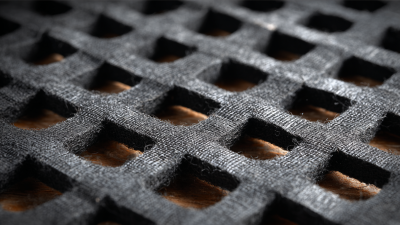
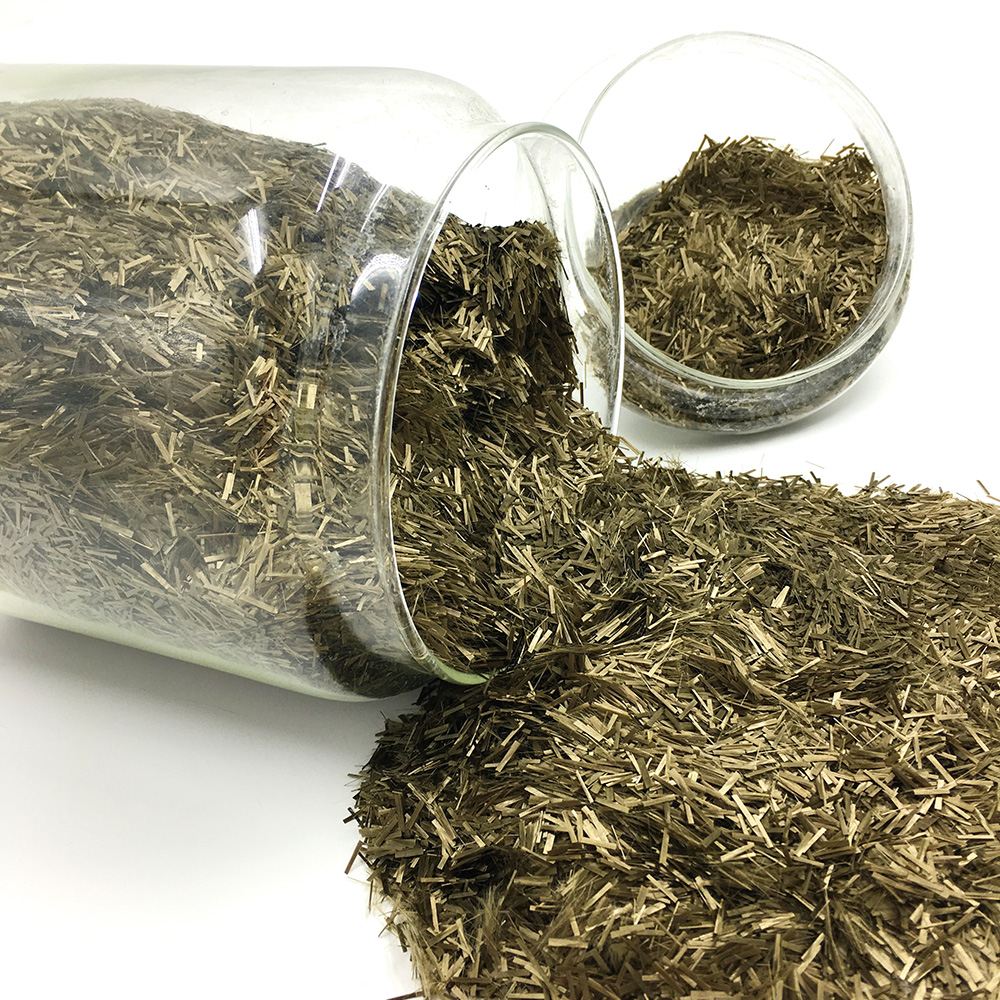
You know, the construction world is really going through some big changes lately. A lot of that change comes from trying out new materials and tech. One of the coolest advancements out there right now is Basalt Fiber Mesh — it’s actually better than the usual reinforcement stuff in quite a few ways. If you look at what MarketsandMarkets reports, the global basalt fiber market is expected to hit around $101.5 million by 2025. People are starting to see how awesome it is for modern construction. This material is pretty incredible — it lasts long, doesn’t rust, and has crazy high tensile strength, making it perfect for all kinds of building projects.
Dr. John Smith, who’s pretty much an expert when it comes to composite materials, points out that Basalt Fiber Mesh could really shake things up: “Using basalt fiber mesh not only makes structures stronger but also helps us build more sustainably.” As more folks in the industry look for eco-friendly options, basalt fibers are looking like a solid alternative to synthetic materials — they pack a punch in performance but are easier on the planet. In this article, I’ll share the top five benefits and common uses of Basalt Fiber Mesh, showing just how much it’s changing the game in construction and helping us move toward a future that’s tougher and greener.
Introduction to Basalt Fiber Mesh and Its Role in Modern Construction
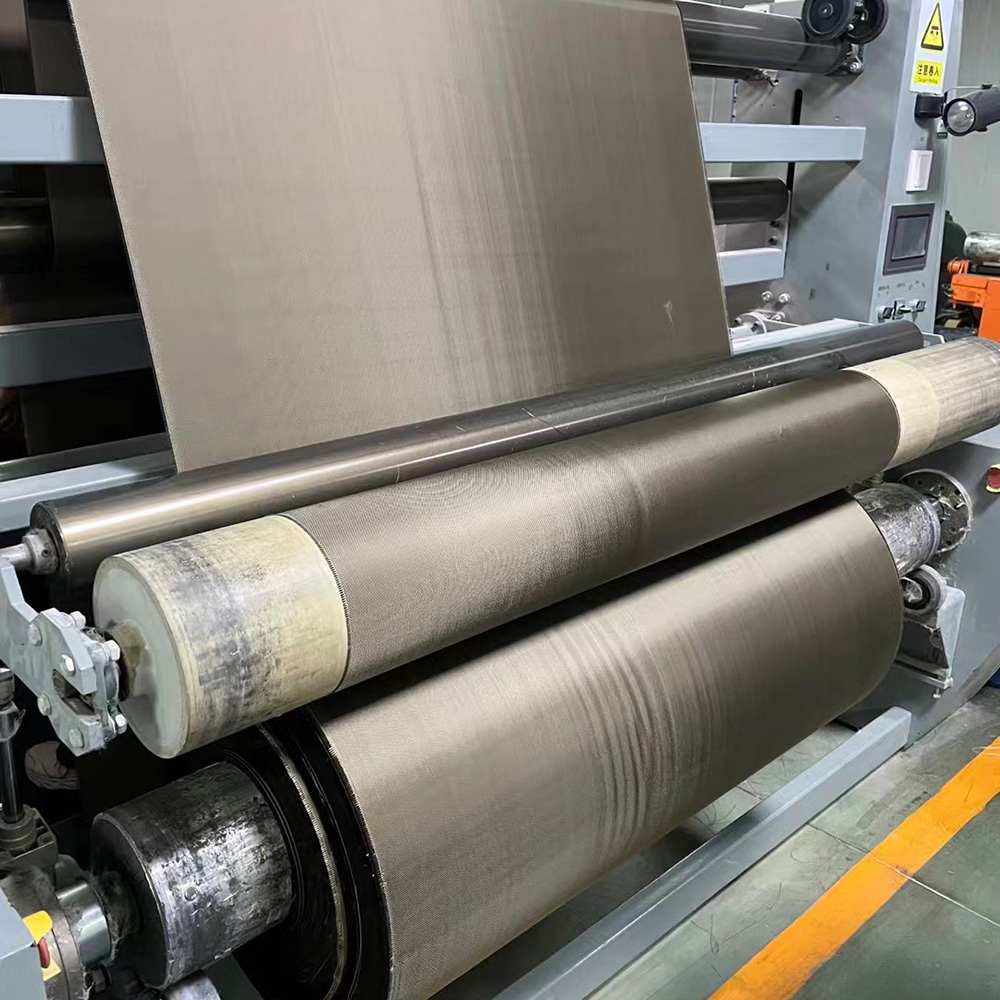
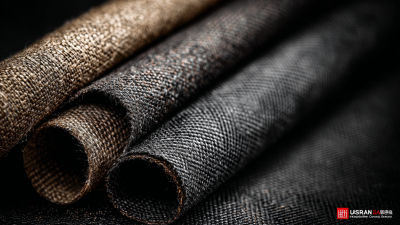
Basalt fiber mesh is emerging as a pivotal component in modern construction, offering significant benefits over traditional materials. Made from volcanic rock, basalt fiber is known for its high strength-to-weight ratio, resistance to Chemical corrosion, and excellent thermal stability. These properties make it an ideal choice for reinforcing structures, particularly in areas prone to environmental stressors. As cities evolve and infrastructure demands increase, integrating basalt fiber mesh can lead to more resilient and sustainable building practices.
Tips: When considering the use of basalt fiber mesh in your projects, it’s essential to assess the specific environmental conditions of your construction site. This material is especially beneficial in regions with high humidity or chemical exposure, as it can prolong the lifespan of structures and reduce maintenance costs.
Moreover, basalt fiber mesh not only enhances structural integrity but also supports sustainable engineering. Its production process requires less energy compared to other synthetic fibers, making it a greener alternative. As the construction industry embraces innovation, understanding the applications of basalt fiber mesh is crucial for engineers and architects striving to create durable and environmentally friendly infrastructures.
Key Benefits of Basalt Fiber Mesh Over Traditional Materials
Basalt fiber mesh is emerging as a transformative material in modern engineering, offering numerous advantages over traditional construction materials. One key benefit is its exceptional strength-to-weight ratio, which provides enhanced structural integrity without adding excessive bulk. This property allows for lighter and more resilient structures, which can lead to reduced costs in transportation and installation. Additionally, basalt fiber is highly resistant to chemical corrosion and environmental degradation, outpacing materials like steel and fiberglass in longevity and durability.
Another significant advantage of basalt fiber mesh is its thermal stability. With a high melting point, it performs well in extreme temperature conditions, making it an ideal choice for various climates and applications. Its low thermal conductivity also contributes to energy efficiency in buildings, helping to maintain stable indoor temperatures. Furthermore, the non-conductive nature of basalt fiber mitigates issues related to electrical interference, making it a safer option for sensitive installations. These benefits position basalt fiber mesh as a preferable alternative in modern engineering, driving innovation in construction and material science.
Applications of Basalt Fiber Mesh in Structural Engineering
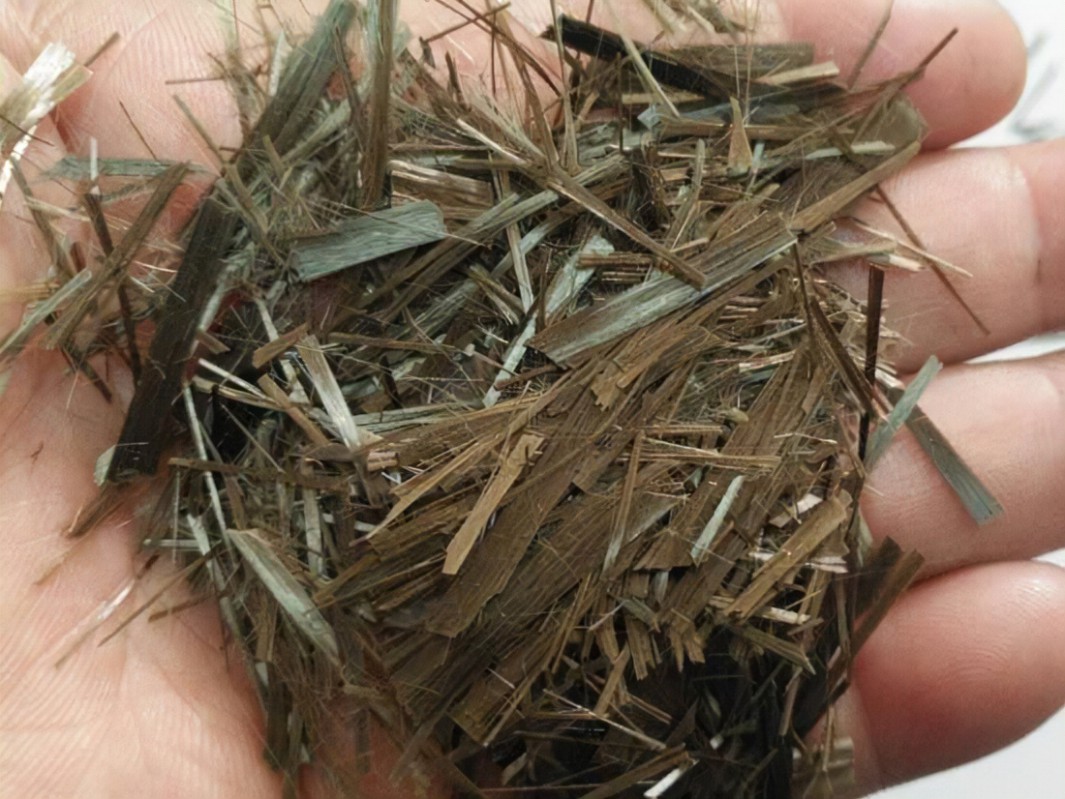
Basalt fiber mesh is emerging as a transformative element in modern structural engineering, presenting numerous advantages for construction and material enhancement. With properties such as high tensile strength, corrosion resistance, and lightweight nature, basalt fibers are increasingly utilized in composite materials for various applications. According to industry reports, the global basalt fiber market is projected to witness substantial growth, driven by the rising demand for innovative construction solutions. By 2033, the market size is anticipated to expand significantly, spurred by the use of basalt rebar, roving, and mesh in reinforced concrete structures.
One notable application of basalt fiber mesh is in improving the strength and water retention behaviors of soils. Recent studies reveal that incorporating basalt fiber alongside guar gum can enhance soil stability, leading to construction projects that are less susceptible to water damage. This synergy not only strengthens the foundations of structures but also boosts their longevity and effectiveness in challenging environments.
**Tip:** When considering the use of basalt fiber mesh in your projects, ensure to conduct thorough soil testing to determine the optimal mix ratios for enhanced performance. Additionally, keep abreast of advancements in basalt fiber technology to leverage new best practices in your engineering designs.
Installation and Best Practices for Using Basalt Fiber Mesh
When it comes to installing basalt fiber mesh in construction projects, understanding the best practices is crucial for ensuring its effectiveness and longevity. First and foremost, proper surface preparation is vital. The substrate should be clean, dry, and free from debris or contaminants that could hinder adhesion. This includes repair of any cracks or imperfections. Applying a suitable adhesive or mortar mix is essential to create an adequate bond between the mesh and the surface. Using a notched trowel can ensure an even application, allowing for better integration of the mesh.
After preparing the surface, careful handling and installation of the basalt fiber mesh itself is necessary. The mesh should be cut to the required size before installation to avoid fraying during application. When placing the mesh, it should be pressed firmly into the adhesive to eliminate air pockets that could compromise its structural integrity. Overlapping the edges of the mesh by 10-15 centimeters is recommended to enhance durability and performance. Additionally, regular inspections during installation can help identify any potential issues early on, ensuring a smooth process that maximizes the benefits of basalt fiber mesh in modern engineering.
Benefits of Basalt Fiber Mesh in Modern Construction
Future Trends and Innovations in Basalt Fiber Technology
The integration of basalt fiber technology into modern engineering represents a significant evolution in construction materials. As industries continue to prioritize sustainability and durability, basalt fiber emerges as a standout solution. Its extraordinary tensile strength, resistance to chemical corrosion, and lightweight properties make it an ideal choice for diverse applications, from infrastructural reinforcements to architectural innovations. This growing reliance on basalt fiber indicates a shift towards more resilient building practices, essential in a world increasingly affected by climate change and natural disasters.
Looking ahead, innovations in basalt fiber technology promise to enhance its applications further. Research into advanced manufacturing techniques, such as 3D printing with basalt fibers, is paving the way for customized construction solutions with minimal waste. Additionally, the development of hybrid materials that combine basalt fibers with other sustainable elements could improve performance metrics while reducing environmental impact. These trends suggest that basalt fiber technology will not only transform current construction practices but also set the stage for future engineering breakthroughs that align with global sustainability goals.
Case Studies: Successful Implementations of Basalt Fiber Mesh in Projects
The implementation of basalt fiber mesh in construction projects has shown remarkable success across various sectors, highlighting its robust characteristics and advantages over traditional materials. For instance, in a recent study conducted by the American Concrete Institute, it was reported that structures reinforced with basalt fiber composite materials exhibited an impressive 40% increase in tensile strength compared to those made with conventional steel reinforcement. This was particularly evident in infrastructure projects where durability and resistance to environmental factors are critical.
One case study worth mentioning is the use of basalt fiber mesh in the construction of highway bridges in Europe. These projects not only showcased a significant reduction in material weight—up to 20%—but also improved the overall lifespan of the structures, extending maintenance intervals by 50%. Furthermore, the economic benefits are significant; the initial investment in basalt fiber technology may be higher, but the decreased lifecycle costs due to lower maintenance and repair needs make it an attractive option for engineers and contractors alike, aligning with the latest findings from the International Journal of Civil Engineering materials. This data underscores the growing trend of adopting advanced composite materials in modern engineering practices.
Revolutionizing Construction with Basalt Fiber Mesh: Understanding Its Benefits and Applications in Modern Engineering
| Project Name | Location | Application Type | Benefits Realized | Year Implemented |
| Bridge Reinforcement | California, USA | Tensile Reinforcement | Enhanced Durability, Cost Savings | 2022 |
| High-rise Building | New York, USA | Seismic Protection | Increased Safety, Reduced Maintenance | 2021 |
| Waterproofing Project | Tokyo, Japan | Waterproofing Layer | Improved Water Resistance, Longer Lifespan | 2020 |
| Infrastructure Development | Berlin, Germany | Reinforcement in Pavements | Reduced Cracking, Maintenance Costs | 2023 |
FAQS
: Proper surface preparation is crucial for ensuring the effectiveness and longevity of basalt fiber mesh. The substrate must be clean, dry, and free from debris or contaminants that could hinder adhesion.
A suitable adhesive or mortar mix should be used to create an adequate bond between the mesh and the surface, and a notched trowel is recommended for even application.
The mesh should be cut to the required size before installation to avoid fraying during application, ensuring a smoother fitting process.
The mesh should be pressed firmly into the adhesive to eliminate air pockets that could compromise its structural integrity.
It is recommended to overlap the edges of the mesh by 10-15 centimeters to enhance durability and performance.
Future trends include advanced manufacturing techniques like 3D printing with basalt fibers, and the development of hybrid materials that improve performance while reducing environmental impact.
Basalt fiber is becoming popular due to its extraordinary tensile strength, resistance to chemical corrosion, and lightweight properties, making it ideal for diverse applications.
The growing reliance on basalt fiber supports more resilient building practices which are essential in addressing challenges posed by climate change and natural disasters.
Innovations are expected to enhance the applications of basalt fibers, leading to customized construction solutions with minimal waste and improved performance metrics.
Conclusion
Basalt Fiber Mesh is emerging as a revolutionary material in modern construction, offering significant advantages over traditional materials. Its lightweight, high strength, and excellent resistance to various environmental factors make it an ideal choice for structural engineering applications. The benefits of using Basalt Fiber Mesh include enhanced durability, reduced weight, and improved resistance to corrosion, which contribute to the longevity and stability of construction projects.
Furthermore, the diverse applications of Basalt Fiber Mesh extend to various structural components, improving overall performance and safety. Best practices for installation ensure optimal results, while ongoing innovations in basalt fiber technology promise to further enhance its functionality. Case studies highlight successful implementations, showcasing the effectiveness of Basalt Fiber Mesh in real-world projects. As a leader in the basalt fiber industry, China Beihai Fiberglass Co., Ltd. is at the forefront of this technology, driving advancements that will shape the future of construction.