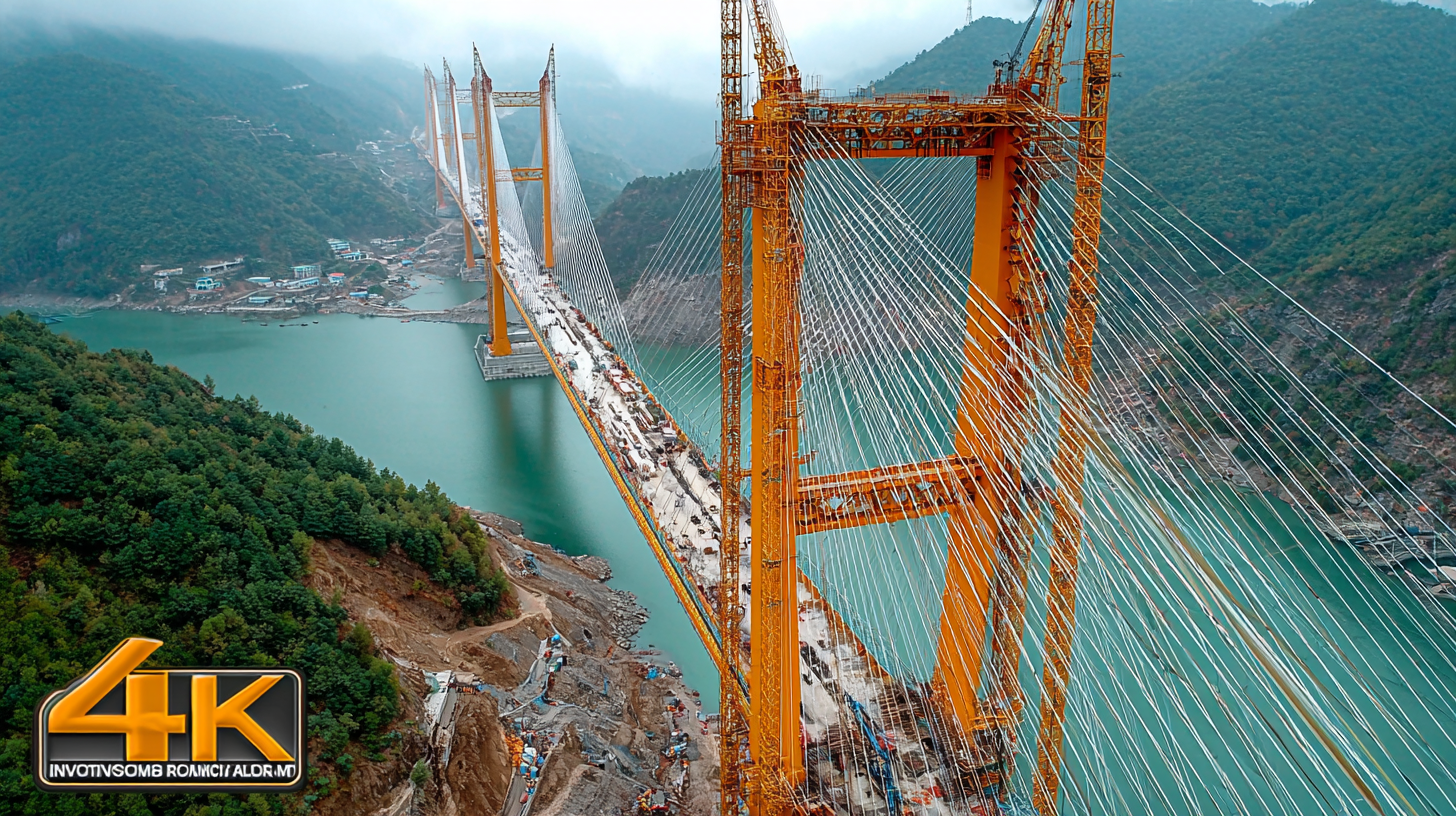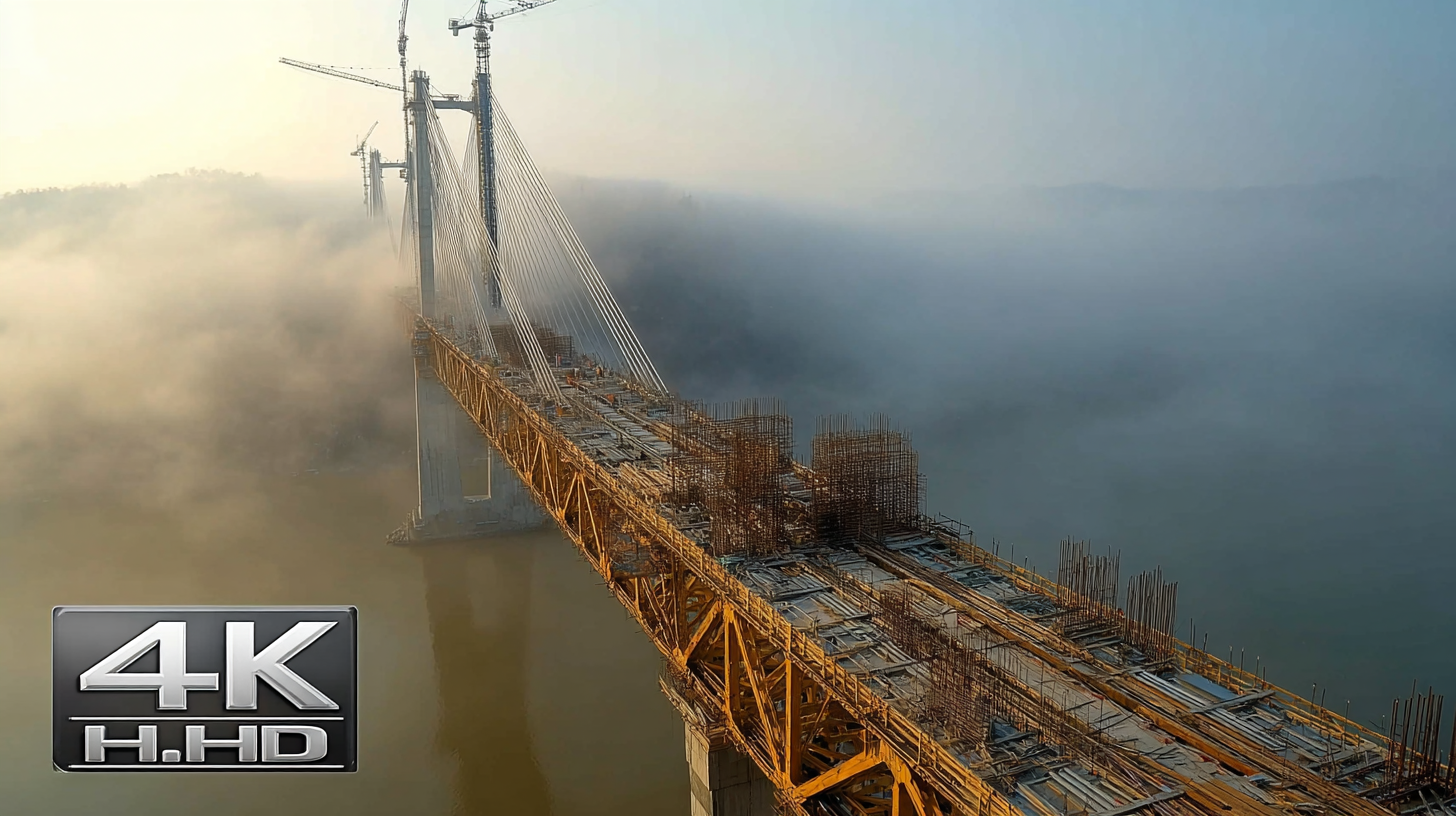
You know, bridge Construction is a pretty big deal when it comes to developing infrastructure. It’s not just about getting people or goods from one side to the other; these bridges really stand as a testament to human ingenuity. I recently came across a report from the International Federation of Consulting Engineers that estimates the global construction market could hit a whopping $10.3 trillion by 2025! And guess what? Bridge building is actually one of the fastest-growing areas in that whole market. To really keep up with what’s needed today—like durability, sustainability, and being budget-friendly—we have to embrace some cutting-edge materials and techniques. That’s where companies like China Beihai Fiberglass Co., Ltd. come into play. They’re a high-tech outfit that specializes in high-performance basalt continuous fiber and all the gear you need to produce it. China Beihai is really shaking things up in the world of bridge construction materials! With a strong emphasis on R&D, they’re working on solutions that tackle a bunch of challenges in the industry. It’s no wonder they’re becoming a key player in how bridge engineering and construction techniques are evolving around the globe.
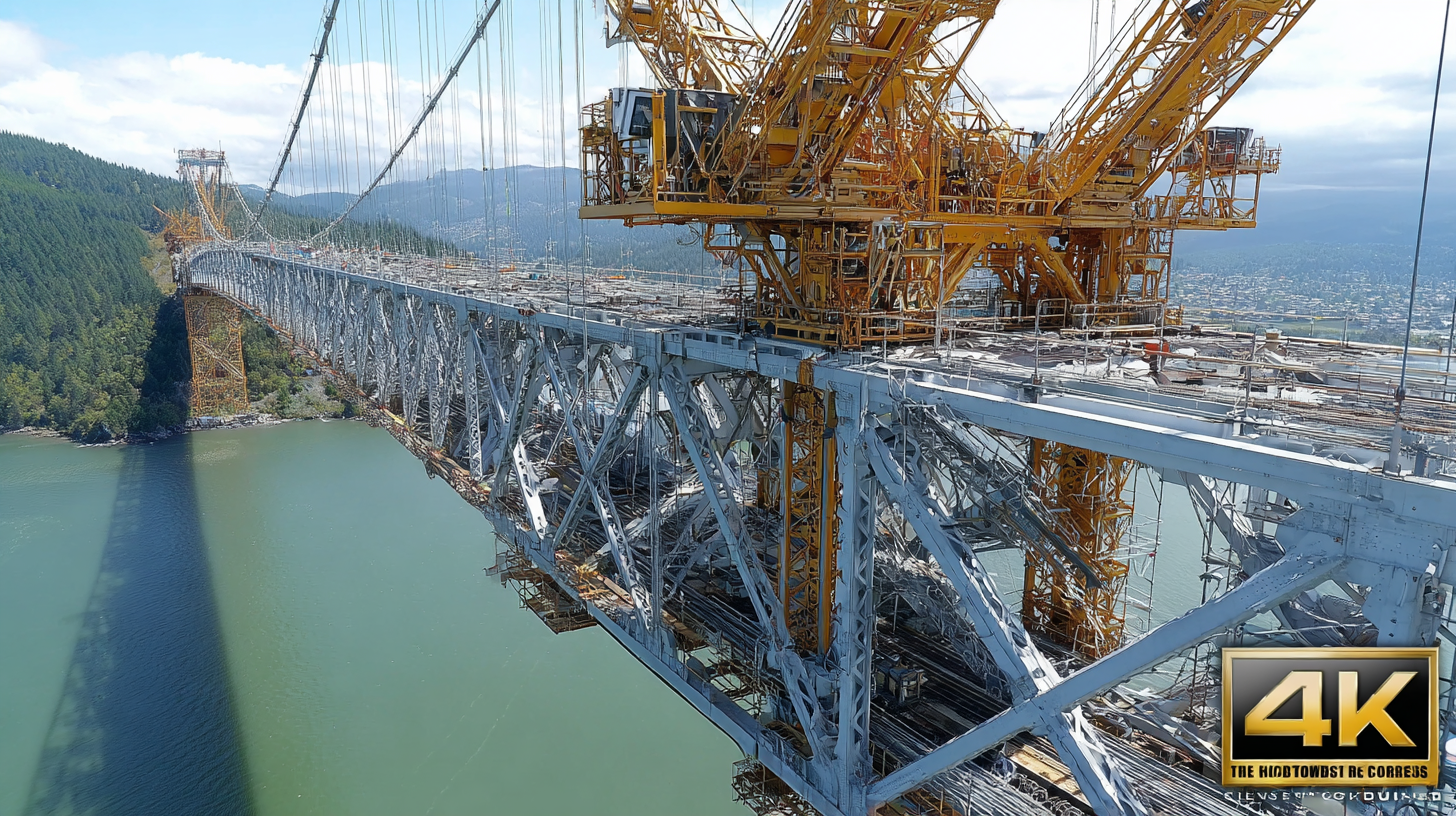
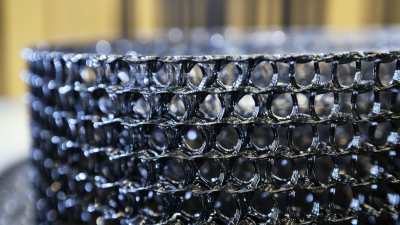
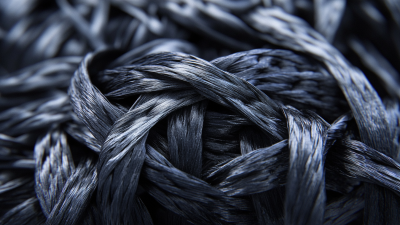
You know, when it comes to building bridges, we’re really seeing some exciting stuff with new materials that are shaking things up. One game-changer in this area is basalt continuous fibers. This high-tech material is not only strong and Durable, but it's also super lightweight. Plus, it’s eco-friendly, which is a big deal these days! Unlike some traditional materials, basalt fibers resist corrosion like a champ, which is essential for standing up to tough weather and heavy traffic.
Just look at China Beihai Fiberglass Co., Ltd. They’re leading the charge with their research and development of these basalt fibers and the tech to produce them. By using modern methods in bridge construction, Beihai is really changing the game for engineers tackling design challenges. By bringing basalt fibers into the mix, we’re not just making bridges that last longer; we’re also slashing maintenance costs, which is a huge win for cities trying to keep their infrastructure running smoothly. As more of the industry jumps on board with these advancements, I’ve got to say — the future of bridge construction looks pretty bright in terms of efficiency, safety, and sustainability!
This chart represents the usage of different innovative materials in bridge construction techniques around the world based on recent surveys and case studies.
You know, in today’s bridge engineering scene, sustainability has really taken center stage. It’s influencing design and construction practices all over the globe. Just take a look at the Sellwood Bridge—it’s pretty remarkable! It’s actually one of the biggest projects in the U.S. that’s aiming for Greenroads certification. What’s cool is that its multi-modal design not only pushes for eco-friendly transportation options but also includes sustainable features to cut down on environmental damage. This whole approach is a great example of how smart engineering can cater to community needs while also keeping our planet in mind.
And then there’s the New Pamban Bridge in India, which is another fantastic example. It shows how traditional engineering can mix with modern green practices. This bridge tackled some serious environmental and logistical hurdles, and it really highlights just how crucial resilience is in building our infrastructure. Plus, there’s some exciting research happening around using earth-based materials, which hints at a big shift toward what folks are calling 'living' frameworks in architecture and engineering. By getting into circular city concepts, we're starting to focus on creating systems that regenerate themselves, pushing sustainability to new heights. It’s like a growing movement in the industry that’s not just about making structures last but also ensuring they fit smoothly into their environment.
You know, as the world keeps changing, so does the way we think about building bridges—thanks to all those cool tech advancements. In fact, over the last ten years, we’ve managed to put up more than 3,700 major bridges! It’s crazy to think about how these new materials and techniques have made such a huge difference in not just making them stronger but also giving them a greener edge. For example, using high-performance concrete and fiber-reinforced polymers can cut maintenance costs by up to 30%—that’s straight from a report by the International Bridge Conference (IBC). So, it's pretty clear that these innovations not only make bridges safer but also tackle some of those pesky environmental issues we face with older materials.
When it comes to designing a bridge, I’ve got a few handy tips that might just speed things up. First off, think about using smart sensors while you're building. They help keep tabs on the structure's health in real time, which can make it last longer and work better for you. Then there's modular construction—this can really speed up the whole process and might even save you around 20% on costs! And let's not forget about those fancy simulation software tools. They’re great for analyzing loads and stress points, helping you design things more accurately and cutting down on wasted materials.
All these cool solutions are shaking things up in bridge engineering, making sure that the projects we roll out in the future not only get the job done efficiently but also stay kind to our planet.
You know, bridges are way more than just places to cross rivers or valleys—they’re actually these amazing symbols that show off the latest and greatest in engineering. Take the Millau Viaduct in France, for example. It’s not just a bridge; it’s the tallest one in the world! The design is something else, featuring this cool cable-stayed technology and that sleek, aerodynamic shape that really helps minimize wind resistance. It’s a stunning mix of careful planning and modern materials, making it not only sturdy but also a real piece of art.
Now, when we talk about building bridges, sustainability has to be high on the list. Using recyclable materials and eco-friendly designs can really help cut down on the project’s carbon footprint. Check out the new Tsing Ma Bridge in Hong Kong; it has solar panels to power its lights. I mean, how awesome is it that you can have something so functional and still care for the environment?
And then there’s the Helix Bridge in Singapore. It’s famous for its unique double-helix design, which stands as a symbol of unity and harmony. Plus, with its innovative LED lighting, it not only looks stunning at night but also makes the city feel more alive. Projects like this are a perfect example of how blending artistry with engineering can create something that’s not only useful but also a real visual treat.
Looking ahead to 2025, it’s clear that the bridge construction industry is about to go through a big change, thanks to some really cool technologies and a focus on sustainability. We’re starting to see these smart materials making a splash—they’re tougher and kinder to the planet at the same time. Plus, with advanced sensors built right into the structures, we can keep tabs on safety in real-time, which is pretty awesome for making sure they last. These innovations not only help us keep things running smoothly with maintenance but also cut down on costs overall. It’s no wonder that both public and private sectors are getting excited about investing in infrastructure with these advancements!
On top of that, there’s a real trend towards modular construction techniques happening globally. This approach makes assembly a whole lot faster and helps to cut down on waste on-site, which is super important for sustainable development these days. Countries everywhere are jumping into prefabricated components that can be made in controlled settings, leading to quicker project timelines and lower labor costs. As the industry shifts, it’s really important for everyone involved to stay up to date with these changes because they’re opening up tons of opportunities for improving how we design and build bridges in the years to come.
When it comes to building bridges, you really can’t overlook safety and durability - they’re everything, right? Luckily, there’s some cool stuff happening in the world of materials and construction techniques that are making bridges tougher than ever. Take this new high-performance basalt continuous fiber, for example. It’s turning out to be way stronger and more durable than the old-school materials we used to rely on. Companies like China Beihai Fiberglass Co., Ltd. are leading the charge, diving deep into the research and development of basalt fiber technologies that are really boosting the lifespan and dependability of our bridge builds.
But it’s not just about making sure they’re safe. Using the best practices in bridge engineering helps not only with safety standards but also has a nice bonus of promoting sustainability, too. The lightweight quality of basalt fiber means designers can get creative while still keeping the structure strong and reliable—it's like having your cake and eating it too! Plus, this fiber doesn’t rust, which is a huge win for areas that face harsh weather. So, we can count on these bridges to stand the test of time. With these cutting-edge materials and new construction methods on the rise, the future of bridge building is looking pretty bright when it comes to safety and durability!
: Basalt continuous fibers are at the forefront of transforming bridge construction, offering superior strength, durability, and lightweight characteristics.
Basalt fibers are not only stronger and more durable than traditional materials, but they are also environmentally friendly and exhibit excellent resistance to corrosion.
China Beihai Fiberglass Co., Ltd. is a prominent leader in the research and development of basalt continuous fibers and their production technologies.
The use of basalt fibers extends the lifespan of bridges, reduces maintenance costs, and enhances overall structural integrity.
Sustainability is a key consideration in modern bridge engineering, influencing both design and construction practices to minimize environmental impact.
The Sellwood Bridge is a notable project in the United States that has pursued Greenroads certification, integrating sustainable features that promote eco-friendly transportation.
The New Pamban Bridge in India showcases the integration of traditional engineering techniques with modern sustainability practices, overcoming significant environmental challenges.
Contemporary research emphasizes the use of earth-based materials and "living" frameworks in architecture and engineering, promoting circular city concepts and regenerative systems.
Basalt fiber significantly improves the longevity and reliability of bridge constructions due to its high strength, durability, and corrosion resistance.
The lightweight nature of basalt fibers allows for more efficient designs while maintaining structural integrity, reducing the overall weight of bridges.