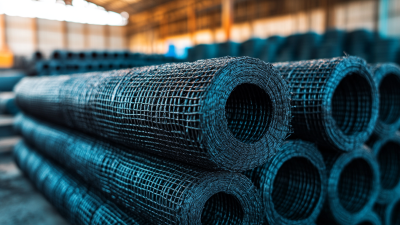
These days, the Aerospace industry is really embracing innovative materials and tech to boost efficiency in their supply chains and make sure their products are ultra-reliable. There’s this report from Markets and Markets that predicts the global aerospace composites market will hit around $34.78 billion by 2025, and that’s mainly thanks to the growing use of lightweight, high-strength materials for aerospace applications. Now, if you look at China Beihai Fiberglass Co., Ltd., you'll see they're a big player in the basalt fiber game, and they fit right into this trend. They’re all about high-performance basalt continuous fiber and they’ve got some pretty advanced production gear. So, China Beihai really stands out as a leader in the domestic basalt fiber scene, playing a significant role in the development of aerospace applications. Their dedication to quality and innovation doesn’t just meet the global aerospace market’s needs; it also helps solidify the reputation of 'Made in China' as something that stands for reliable, high-quality products.

Innovative Insights: The Role of AI in Optimizing Aerospace Supply Chains
You know, the aerospace industry is changing pretty fast these days, and it’s crazy how artificial intelligence (AI) is really stepping up as a crucial part of optimizing supply chains. Companies are tapping into some pretty cool algorithms and machine learning to get a handle on demand forecasting, smooth out inventory management, and nail down their supplier selection processes.  For example, AI can sift through past data and market trends to spot demand shifts, which helps manufacturers tweak their production schedules before things get out of hand. This not only helps cut back on excess inventory but also speeds up lead times, making sure they deliver the essential components right on time.
But wait, there’s more! AI isn’t just about forecasting; it’s also a big player in keeping an eye on supply chain activities in real-time. Thanks to the Internet of Things (IoT), aerospace companies can actually see what’s happening in their logistics, from tracking parts and materials all the way from suppliers to assembly lines. This kind of transparency means they can quickly spot any hiccups and make faster decisions.
So when challenges pop up—because, let’s be real, they always do—these aerospace firms can keep things running smoothly, boosting their overall resilience in this competitive global market. With all these innovative uses, AI isn’t just another tool; it’s really changing the game in how the aerospace industry manages its supply chains.
Data-Driven Decisions: Leveraging Big Data for Predictive Maintenance in Aerospace
You know, the aerospace industry is really moving fast these days, and one of the coolest changes we’re seeing is the way big data analytics is shaking things up—especially when it comes to predictive maintenance. In the past, maintenance schedules were pretty much set in stone, often just following what manufacturers suggested without looking at actual real-time data. But now, thanks to some seriously impressive analytics tools, aerospace companies can dive into tons of operational data. This means they can make smarter, more proactive maintenance decisions. It’s not just about keeping planes safe; it also helps cut down on unexpected disruptions and saves money on last-minute repairs.
By pulling data from all sorts of places—like flight data recorders, engine sensors, and even old maintenance logs—companies can pick up on patterns and spot any anomalies that might hint at potential failures. They’re using advanced algorithms to make sense of all that data and predict when something might break down. This way, maintenance teams can tackle issues before they turn into big problems. Plus, it boosts safety and helps in managing resources better; making sure parts are on hand and that the right people are scheduled to take care of everything. So, embracing big data in predictive maintenance? It’s really raising the bar in aerospace and driving the industry toward a future that’s all about efficiency and safety.
Predictive Maintenance in Aerospace: Data-Driven Insights
This chart illustrates the average predictive maintenance savings in percentage across several key areas within the aerospace sector. The data highlights the benefits of leveraging big data analytics in optimizing maintenance schedules and reducing unexpected downtimes.
Enhancing Efficiency: 3D Printing Applications in Aerospace Parts Supply Management
You know, the aerospace industry is really going through some big changes lately, especially with the cool new ways they’re using 3D printing in supply chains. Back in the day, making aerospace parts took forever and was super resource-heavy. But now, thanks to 3D printing tech, companies can whip up complex parts right when they need them, which really cuts down on lead times and inventory costs. It’s a game changer; manufacturers can now pivot quickly to whatever the market's throwing at them, which really amps up efficiency.

Plus, with 3D printing, the possibilities for design are way more flexible. Aerospace engineers can craft lightweight yet tough parts that just weren't feasible to make using the old-school methods. By using additive manufacturing, companies can not only streamline how they produce stuff but also cut down on waste since materials get used more precisely. So, integrating 3D printing into aerospace supply chains really shows how forward-thinking these organizations are, helping them stay competitive in a world that’s always changing.
Blockchain Technology: Ensuring Traceability and Security in Aerospace Supply Chains
You know, the aerospace industry is really starting to take notice of how crucial advanced technologies are for making supply chains work better and, honestly, safer. Take blockchain technology, for instance. It brings some next-level traceability and security to aerospace supply chains that we’ve never seen before. Considering the global aerospace supply chain was valued at a whopping $800 billion back in 2021, according to the International Air Transport Association, making sure this huge network stays intact is absolutely vital. Blockchain is a game-changer because it creates a tamper-proof ledger, allowing everyone involved to track every single part from its production right through to final assembly. This means we can cut down on counterfeit products and stay on top of those tough regulations.
For companies like China Beihai Fiberglass Co., Ltd., which focuses on high-performance basalt continuous fiber, getting on board with blockchain could really make their operations smoother. Imagine implementing blockchain solutions – we could track materials in real-time, keeping the entire supply chain clear and efficient. There’s even this report from the International Data Corporation that suggests blockchain could slash supply chain management costs by 30% in the next five years. That’s pretty huge when you think about it! As the aerospace sector keeps evolving, using innovative technologies like blockchain isn’t just a nice-to-have; it’s essential for staying competitive and meeting those high standards for safety and quality that everyone is expecting.
Sustainability Initiatives: The Shift Towards Eco-Friendly Materials in Aerospace Logistics
You know, the aerospace industry is really starting to wake up to how crucial sustainability is, especially with all the environmental challenges we’re facing these days. There’s this big shift happening towards using eco-friendly materials in aerospace logistics, and it’s pretty exciting. These materials help cut down on the carbon footprint when it comes to manufacturing, plus they make the supply chains way more sustainable overall. For example, you’ve got these lightweight composites made from renewable sources that are really catching on. They let manufacturers build aircraft that use less fuel and spew out fewer emissions throughout their lifecycle.
**Tip:** Seriously consider diving into some research and investing in sustainable materials like bioplastics or recycled composites. It’ll definitely give you an edge in the highly competitive aerospace game.
On another note, companies are also grabbing hold of circular economy principles. This means they’re focusing on recycling and reusing materials at different points in the supply chain. Teaming up with suppliers that care about sustainability can really help build a logistics network that’s not only more resilient but also more environmentally friendly. This approach doesn’t just tick the regulatory boxes; it also caters to the growing number of consumers who prefer eco-friendly practices.
**Tip:** Build strong partnerships with suppliers who prioritize sustainability. It’ll help create a solid network that aligns well with your green goals, improving both your operational efficiency and your brand’s reputation.
Exploring Innovative Use Cases of Best Aerospace Applications in Global Supply Chains - Sustainability Initiatives: The Shift Towards Eco-Friendly Materials in Aerospace Logistics
| Use Case | Material Type | Supply Chain Phase | Sustainability Impact | Challenges |
| Biodegradable Composites | Natural Fibers | Manufacturing | Reduced plastic waste | Performance vs. durability trade-offs |
| Recycled Aluminum Parts | Recycled Metals | Production and Parts Supply | Lower energy consumption | Quality control in recycling process |
| 3D Printed Components | PLA and Other Bioplastics | Design and Prototyping | Less material waste | Limited material options |
| Eco-Friendly Packaging | Recyclable and Compostable Materials | Logistics | Minimized landfill waste | Higher cost compared to traditional materials |
| Sustainable Fuel Alternatives | Biofuels | Transportation | Reduced carbon footprint | Availability and infrastructure |