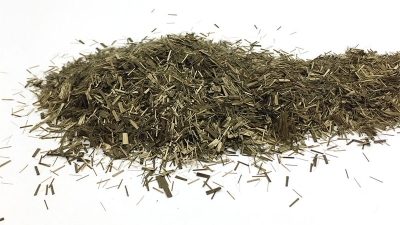
You know, with all the back-and-forth over tariffs between the US and China, it’s really cool to see how resilient Chinese manufacturing is proving to be. They’re adapting and finding ways to thrive even when the economic landscape gets tough. A great example of this is the booming Basalt Fiber industry. Companies like China Beihai Fiberglass Co., Ltd. are really stepping up to the plate, especially when it comes to high-performance basalt continuous fiber. They’re not just in it for the profits; they’re putting a big emphasis on research and development, cranking out some cutting-edge stuff like their Basalt Fiber Mats. These mats really show off the technological skills of Chinese manufacturers and point to a future where we can rely on sustainable, high-performance materials that hold up against all sorts of challenges. With the global market always changing, it’s impressive how companies like China Beihai stay committed to innovation and quality. They're definitely in a strong position to take advantage of new opportunities, even with all the trade tensions still hanging around.
Impact of US-China Tariffs on Chinese Manufacturing Sector Dynamics
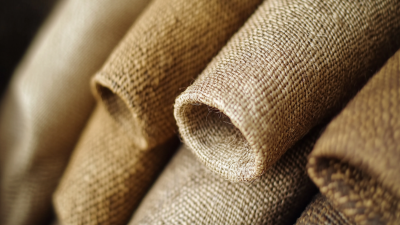
You know, the trade tensions between the US and China have really shaken things up for the manufacturing scene in China. With tariffs messing with trade flows and cranking up production costs, manufacturers have to think on their feet and adapt fast. One cool trend we're seeing is this rise in the use of advanced materials, like basalt fiber mats. These mats are pretty amazing—they're super strong but Lightweight, which makes them perfect for all sorts of uses, from construction to the auto industry. As companies scramble to find new ways to cope with tariffs, hopping on the bandwagon with these materials could really help them bounce back.
**A little advice if you're considering a switch**: Dive into material innovation! Maybe think about incorporating basalt fiber mats into your production line for extra durability and possibly cutting down costs in the long haul. And hey, a bit of market research could open your eyes to new opportunities that come up because of changing demand thanks to those pesky tariffs.
Plus, it’s crucial for manufacturers to look into digital transformation. Embracing advanced tech can really streamline your operations, help manage your supply chain better, and boost overall productivity. Companies that get on board with automation and data analytics will definitely be in a better spot to handle the ups and downs of the market caused by those trade disputes.
**Tips for your digital upgrade**: Start by taking a good look at your current processes to spot areas where you could use some automation magic. Taking a step-by-step approach to roll out new tech can keep costs in check and reduce disruptions while making things more scalable down the line.
Growth Trends in Chinese Manufacturing: Statistics and Projections
You know, it's pretty impressive how the manufacturing sector in China has been holding its ground, even with all that trade tension going on with the U.S. I came across some data from the National Bureau of Statistics of China that really highlights this point— the Manufacturing Purchasing Managers' Index, or PMI for those in the know, has been consistently hanging above that crucial 50-point mark. This suggests that the sector is expanding, which is a good sign! In August 2023, the PMI was at 52.1, showing a nice little bump from the previous months. This really hints at a rebound in production capacity. It’s pretty remarkable to see how Chinese manufacturers are rolling with the punches, adjusting to pressures by exploring new markets and revving up their product lines.
On another note, if you’re looking at innovation, basalt fiber mats have become a hot topic. These things are seriously gaining traction as manufacturers search for new materials to stay ahead of the game. The global market for basalt fiber is expected to hit around $1.5 billion by 2027, growing at a solid 12% every year from 2023 to 2027, according to a report from ResearchAndMarkets. And why is that? Well, these mats are not only lightweight but they also have amazing thermal resistance and strength. That’s why industries like automotive and construction are increasingly wanting in on the action. It's pretty cool to think about how China is seizing this growth opportunity while juggling all the complexities of international trade and tariffs, right?
Basalt Fiber Mats: A Game Changer in Resilient Manufacturing Strategies
You know, in the fast-changing world of manufacturing, basalt fiber mats are really standing out as a game changer—especially for those Chinese manufacturers trying to make sense of the whole US-China tariff situation. These materials are pretty cool because they offer this awesome mix of strength, flexibility, and resistance to all kinds of environmental challenges. It's like they’re becoming a secret weapon for companies looking to build solid manufacturing strategies that can really hold up. As businesses aim to boost their efficiency and stay competitive, I honestly think basalt fiber mats could be a big deal in driving both innovation and sustainability in the industry.
And let’s not forget, with all the attention on securing important infrastructure—like those fiber-optic networks—it’s clear we need to think beyond the usual ways of doing things. Just like how new fiber technologies are improving connectivity and keeping data flowing, using basalt fiber mats can really help create a manufacturing setup that’s tougher against unexpected hiccups. This blend of smart materials and strategic thinking doesn't just make the manufacturing process stronger; it also fits perfectly with the trend of using cutting-edge technologies to gain an edge in our super-connected world.
Resilient Growth of Chinese Manufacturing in the Wake of US China Tariffs with Basalt Fiber Mats
| Dimension | Data | Description |
| Growth Rate of Chinese Manufacturing (2021) | 8.4% | Year-on-year growth rate of the manufacturing sector. |
| Effect of US Tariffs on Exports | -15% | Reduction in export volume due to tariffs. |
| Market Share of Basalt Fiber Mats in China | 20% | Current market share of basalt fiber mats in the composite materials sector. |
| Investment in Basalt Fiber Technology (2022) | $150 million | Amount of investment in basalt fiber manufacturing technology. |
| Projected Growth of Basalt Fiber Market (2025) | 25% | Expected annual growth rate of the basalt fiber market. |
Comparative Analysis: Chinese vs. US Manufacturing Post-Tariff Era
You know, the manufacturing scene in both China and the U.S. has really shifted since the tariffs came into play, especially when we look at areas like composite materials. Chinese manufacturers have shown some real grit, with production growth hanging around 6 to 7% each year, according to the latest reports from the China National Bureau of Statistics. It’s pretty clear that basalt fiber mats are taking off—they’re popular for their awesome qualities in construction and automotive uses, boosting overall market demand by about 15%.
On the flip side, U.S. manufacturing is definitely feeling the pinch. Rising production costs and supply chain hiccups, all cranked up by those tariffs, have made it tough. The National Association of Manufacturers (NAM) pointed out that the U.S. manufacturing sector only grew by 2.5% last year. A lot of companies are stepping up their game, pouring more money into tech and automation to get through these bumps in the road. While some American firms, like Owens Corning, are starting to dabble in basalt fiber composites, they're still playing catch-up compared to the scale and efficiency of the Chinese manufacturers. As both countries figure out this ever-changing landscape, how their manufacturing capabilities stack up will really shape global supply chains and competitive standings in the years to come.
Innovations Driving the Resilience of Chinese Manufacturing Sector
You know, the Chinese manufacturing scene has really shown some serious grit in the face of those pesky US-China tariffs lately. A big part of that success story? Innovations in materials, especially with this cool stuff called basalt fiber mats. Seriously, basalt fiber is a game changer! It’s super strong, light as a feather, and can handle some crazy temperatures. Because of that, it’s making waves in all sorts of industries, from construction to automotive. There's even a report from MarketsandMarkets that suggests the global basalt fiber market could skyrocket from $150 million in 2020 to $320 million by 2025. That just goes to show how much people are starting to love this eco-friendly material.
To really make the most of these innovations, manufacturers are diving into some pretty advanced tech – think automation, AI, and the Internet of Things (IoT). These tools are not just helping things run smoother; they're actually slashing production costs, which is essential if you want to stay in the game in such a shaky market. A study by the International Federation of Robotics shared that by 2021, robot density in Chinese manufacturing hit 187 units per 10,000 employees. That’s a pretty big deal and shows just how heavily they're investing in automation.
**Quick tip:** It's a great idea for manufacturers to buddy up with tech companies to weave smart manufacturing solutions into their processes. That way, they'll stay ahead of the competition. Plus, don’t sleep on training programs for employees! If they know their way around new tech and materials like basalt fiber, it can really boost productivity. Keeping production flexible is key too—it really helps them navigate those international trade ups and downs.
Resilient Growth of Chinese Manufacturing in the Wake of US China Tariffs
Market Opportunities for Chinese Manufacturers Amidst Tariff Challenges
So, here’s the deal: when the US slapped tariffs on Chinese goods, it definitely stirred up some serious challenges. But on the flip side, it also opened some cool new opportunities, especially for Chinese manufacturers in niche markets like basalt fiber production. You know, basalt fiber is pretty impressive stuff – it’s strong and can stand up to all sorts of environmental challenges. It’s starting to get a lot of attention in the construction, auto, and aerospace industries. According to a recent report I came across from MarketsandMarkets, the global basalt fiber market is set to jump from $210 million in 2021 to a whopping $547 million by 2026. That’s a big chance for Chinese manufacturers to really step up their game, even with all the tariff drama going on.
Now, if Chinese manufacturers want to navigate these tricky tariff waters, they really need to double down on innovation and boost their quality to meet global standards. Investing in cutting-edge manufacturing technologies like automation and AI? That’s the way to go! It can help streamline their processes, keeping costs down while still delivering great products. A little tip for those manufacturers: trying to source raw materials locally could help cut costs, and teaming up with international companies could really widen their market reach, helping to cushion against those pesky tariff fluctuations.
Also, honing in on specific niches where basalt fiber shines could be a game changer. Just think about sectors like renewable energy, where lightweight and tough materials are super important. By fine-tuning their products and marketing for these areas, Chinese manufacturers can not only survive but totally thrive in this challenging trade landscape.
Harnessing Strength and Versatility: The Advantages of Using Basalt Fiber Chopped Strands in Thermoplastics
Harnessing Strength and Versatility: The Advantages of Using Basalt Fiber Chopped Strands in Thermoplastics
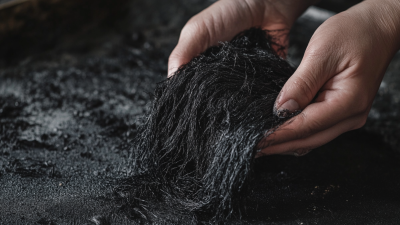
In the quest for materials that offer both strength and adaptability, basalt fiber chopped strands stand out as a remarkable choice for reinforcing thermoplastics. Made from continuous basalt fiber filaments, these chopped strands are meticulously processed into short pieces, making them ideal for enhancing various thermoplastic materials. The incorporation of a silane-based sizing agent on the surface allows for excellent bonding with polymers such as PA6, PA66, PP, and PE, ensuring optimal reinforcement for a wide array of applications.
The versatility of basalt fiber chopped strands is particularly evident in their application through modified twin-screw extrusion processes. When blended with resin and subjected to extrusion pelletizing, they facilitate the production of durable components used in myriad sectors, including automotive, electrical, and everyday consumer goods. The robustness of basalt fibers ensures that the final products not only exhibit enhanced mechanical properties but also improved resistance to heat and corrosion. As manufacturers seek to meet the demands of modern engineering and environmental considerations, the advantages of using basalt fiber in thermoplastics become increasingly apparent.
FAQS
: The manufacturing sector in China remains resilient, with the Manufacturing Purchasing Managers' Index (PMI) consistently above 50, indicating expansion. As of August 2023, the PMI was at 52.1, suggesting a rebound in production capacity.
While trade tensions have posed challenges, they have also led Chinese manufacturers to adapt by diversifying markets and enhancing product offerings to maintain competitiveness.
Basalt fiber mats are lightweight materials that offer superior thermal resistance and strength. They are becoming increasingly desirable across industries such as automotive and construction, presenting significant growth opportunities for Chinese manufacturers.
The global basalt fiber market is projected to reach $1.5 billion by 2027, with a compound annual growth rate (CAGR) of 12% from 2023 to 2027.
Chinese manufacturers can focus on innovation and quality enhancement, utilize advanced manufacturing technologies, leverage local resources for raw materials, and explore partnerships with international firms to expand their market reach.
Targeting specific niches, such as renewable energy where durable, lightweight materials are essential, and tailoring products and marketing strategies to these sectors can help manufacturers not only survive but thrive amidst tariff pressures.