Leave Your Message
0%

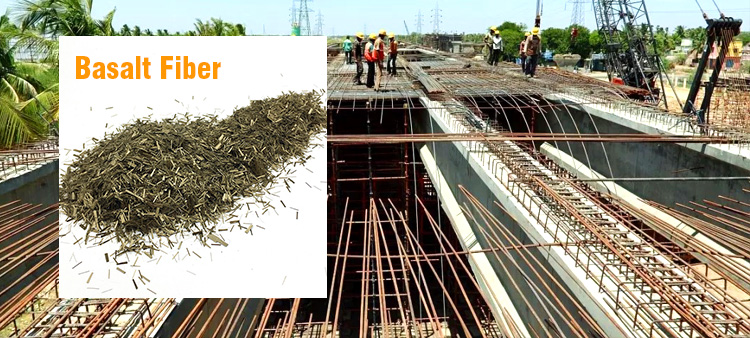
You know, in the fast-moving world of Aerospace, safety and efficiency are more important than ever. As the industry keeps evolving and new tech keeps popping up, finding better materials and refining processes is just something you can’t overlook. Take China Beihai Fiberglass Co., Ltd., for example—it's a high-tech company that's really making waves with its innovative high-performance Basalt continuous fibers. They’re constantly pushing forward with research, development, and cutting-edge manufacturing, which keeps them right at the top of China's basalt fiber game. By weaving these advanced materials—like basalt fibers—into aerospace parts, we can boost structural strength without adding weight, which obviously makes everything safer and more efficient. This article’s all about the smart strategies for using these kind of innovative materials to really improve aerospace tech, aiming for a safer, better-performing aviation industry.

How to Optimize Aerospace Applications for Enhanced Safety and Efficiency

Strategies for Implementing Advanced Materials to Increase Aerospace Safety

You know, advanced materials really are a game-changer when it comes to making aerospace tech safer and more efficient. As the industry pushes the envelope with cooler, more innovative designs, materials like carbon fiber-reinforced polymers (CFRPs) and titanium alloys are stepping up in a big way. I came across a report from Research and Markets that says the global market for aerospace composites could hit about $34.78 billion by 2026 — that's pretty wild — growing at around 8.5% each year. These high-tech materials do more than just strengthen the structure; they also cut down weight, which pretty much means better fuel efficiency and top performance all around.

When you're choosing materials for aerospace parts, it's really worth thinking about how well they hold up over time — like, their fatigue resistance — and how they handle high temperatures. Oh, and if you're looking to take safety up a notch, smart materials that can sense their own condition and send back real-time data? Totally worth considering. Teaching your team about the ins and outs of these materials is super important, so everyone’s on the same page when it comes to using them effectively.

Another exciting thing going on is additive manufacturing — or 3D printing, basically. It’s changing the game for designing and making aerospace parts because now, we can create more complex shapes that just aren’t possible with traditional methods. This not only makes things safer by optimizing how we use materials and cutting down waste but also speeds up the whole process from design to production. According to the Aerospace Industries Association, jumping into next-gen materials and production tech can slash costs by about 20-30%. That’s a huge boost for innovation without compromising safety.

By the way, it’s a smart move to invest in training your team on the latest in material tech and manufacturing tricks. And teaming up with material scientists? That’s a no-brainer — they can help you pick just the right stuff for each aerospace project, making sure you stay ahead of the curve.

Utilizing Predictive Maintenance Techniques to Boost Aircraft Operational Efficiency

Predictive maintenance is really changing the game in the aerospace industry. It’s helping aircraft operate more efficiently and safely — kind of like having a high-tech health monitor for planes. And with the wireless industrial IoT sensor market set to jump from about $8 billion in 2025 to over $21 billion by 2033 (growing at around 13% annually), it’s clear that using cutting-edge sensors isn’t just a nice-to-have anymore — it’s becoming pretty much essential. These sensors let companies keep an eye on aircraft systems in real time, which means fewer unexpected breakdowns and generally more reliable flights.

Recently, stats show that predictive maintenance can cut down unplanned repair events by roughly 43%. Companies that are actually using AI-driven tech report about a 65% boost in how efficiently their maintenance teams work. This means MRO teams can be more proactive — catching issues early instead of rushing to fix things after they break. Plus, the industry is also investing in vibration monitoring tech for engines, with tools like accelerometers and laser Doppler vibrometers. All of this data helps them spot problems early and make smarter decisions, ultimately saving resources and keeping flights smoother and safer.

It’s pretty exciting to see how all these innovations are coming together to really up the safety and performance standards in aerospace — it feels like we're on the verge of some real breakthroughs.

Aircraft Operational Efficiency Improvement with Predictive Maintenance

This chart illustrates the correlation between predictive maintenance practices and aircraft operational efficiency over a period of 12 months.

Integrating AI and Machine Learning for Enhanced Flight Safety Protocols

Integrating AI and machine learning into aerospace stuff really has the potential to totally shake up how we handle flight safety. I mean, according to a report from Markets and Markets, the global AI in aerospace market is on track to hit around $2.2 billion by 2026, growing at an eye-popping rate of about 40.8% CAGR. That’s a clear sign that the industry’s catching on to what AI can do—like predictive maintenance, spotting anomalies before they turn into big problems, and better risk management. These machine learning algorithms can sift through massive amounts of flight data, pick up on patterns that might signal safety concerns, and give airlines a chance to fix issues early on—before things get out of hand.

One cool way AI is really helping keep flights safer is through smarter decision-making systems. For instance, Boeing’s been using AI-powered analytics to keep an eye on flights and predict when maintenance might be needed—way before something actually breaks. And the European Union Aviation Safety Agency (EASA) points out that bringing AI into safety management can cut down on human errors, which, by the way, account for about 75% of aviation accidents. So, by harnessing AI and machine learning, not only can the industry boost safety, but it also becomes more efficient overall. That’s a win for everyone—making flying safer and more dependable for passengers all around the world.

How to Optimize Aerospace Applications for Enhanced Safety and Efficiency

Optimizing Aerodynamics through Computational Fluid Dynamics in Aerospace Design

In the world of aerospace, safety and efficiency are kind of like the top priorities—without a doubt. One of the coolest ways engineers are making big improvements is by optimizing aerodynamics through Computational Fluid Dynamics, or CFD for short. Basically, it’s this pretty advanced computer tool that lets us simulate how air flows around an aircraft, helping designers tweak their models way before spending time and money on building actual prototypes. I read somewhere that the global CFD market for aerospace is projected to hit around $1.8 billion by 2025—so it’s no secret that this tech is becoming a game-changer for analyzing aerodynamics in a big way.

What’s really awesome about CFD is that it lets engineers run virtual wind tunnel tests. That means fewer physical tests and, honestly, a huge cutback on costs and time. And get this—improving aerodynamic efficiency by just 10% can actually save about 5% on fuel in commercial flights. That’s a pretty significant deal. Plus, CFD can handle all those tricky flow scenarios, like turbulence and shock waves, which might reveal potential safety hiccups long before a plane ever takes off. Incorporating CFD into the design process doesn’t just push innovation forward; it also helps meet safety regulations and makes flying safer for everyone. Honestly, it’s become an essential part of modern aerospace engineering, and it’s pretty exciting to see how it’s shaping the future of flight.

How to Optimize Aerospace Applications for Enhanced Safety and Efficiency

Parameter Value Impact on Aero Efficiency Safety Implications
Drag Coefficient (Cd) 0.02 Lower drag increases fuel efficiency by 10% Reduces risk of stalling
Lift-to-Drag Ratio (L/D) 18 Higher ratio allows for longer glides Improves control during emergencies
Wing Area (S) 30 m² Optimized area enhances stability Better response to turbulence
Aspect Ratio 10:1 Improves aerodynamic efficiency Enhances stall characteristics
CFD Analysis Iterations 25 Refined design maximizes performance Identifies potential failure modes

Adopting Sustainable Practices for Fuel Efficiency and Environmental Compliance in Aviation

You know, the aviation world is really starting to see how important it is to adopt more sustainable practices. It’s not just about being green for the sake of it—there’s real stuff at stake here. For example, the Air Transport Action Group mentions that flying accounts for about 2-3% of global CO2 emissions. That might not sound like a lot at first, but it’s definitely enough to push the industry to innovate. And, honestly, there’s some pretty exciting tech coming into play—like sustainable aviation fuels (or SAFs, if you wanna sound cool). These fuels can cut greenhouse gases by up to 80% over their entire lifecycle compared to regular jet fuel—that’s a game-changer!

On top of that, regulations are getting stricter. The International Air Transport Association (IATA) has set this pretty bold target—they want to hit net-zero emissions by 2050. Airlines are responding by trying out smarter strategies—like tweaking flight routes, designing planes for better aerodynamics, and generally optimizing how they fly to save fuel. Research shows these kinds of tweaks can cut fuel use by around 15%, which is pretty impressive. It’s a win-win: they get to meet new rules, and help the environment at the same time. All these efforts show how committed the industry really is to making air travel safer, cleaner, and more efficient down the line.

How to Optimize Aerospace Applications for Enhanced Safety and Efficiency

FAQS

: What are advanced materials and why are they important in aerospace applications?

: Advanced materials, such as carbon fiber-reinforced polymers and titanium alloys, enhance safety and efficiency in aerospace applications by improving structural integrity and reducing weight, leading to increased fuel efficiency and performance.

What is the projected growth of the aerospace composites market?

The global aerospace composites market is projected to reach $34.78 billion by 2026, with a compound annual growth rate (CAGR) of 8.5%.

How do smart materials contribute to aerospace safety?

Smart materials with self-sensing capabilities provide real-time data on structural integrity, which enhances safety measures in aerospace applications.

What advantages does additive manufacturing offer in aerospace component production?

Additive manufacturing allows for the design and production of complex geometries, optimizing material usage, reducing waste, and accelerating the prototyping and manufacturing processes.

How can investing in training programs benefit aerospace companies?

Training programs focused on the latest material technologies and manufacturing techniques help teams stay informed and improve decision-making regarding material selection for specific aerospace applications.

What is predictive maintenance, and how does it enhance aircraft operational efficiency?

Predictive maintenance employs advanced sensor technology for real-time monitoring of aircraft systems, significantly reducing unplanned downtime and increasing reliability.

What are the benefits of using AI-driven solutions in maintenance strategies?

Companies using AI-driven solutions report a 65% increase in labor efficiency, allowing maintenance teams to focus on proactive measures rather than reactive repairs.

How much can predictive maintenance reduce unplanned maintenance events?

Predictive maintenance can lead to a 43% reduction in unplanned maintenance events.

What role do IoT sensors play in the aerospace industry?

IoT sensors enable real-time monitoring of aircraft systems, which is essential for effective maintenance strategies and improving operational efficiency.

How does data analytics contribute to safety in the aerospace industry?

By continuously analyzing performance data, aerospace companies can make informed decisions, optimize resource allocation, and ensure smoother flight operations, driving safety and operational excellence.

Conclusion

Aerospace is really stepping up its game when it comes to safety and efficiency, and you can see a bunch of cool new strategies being rolled out. For example, more companies are using advanced materials like high-performance basalt fibers—stuff produced by firms such as China Beihai Fiberglass—that help make structures stronger and safer. On top of that, predictive maintenance is becoming a big deal; it’s like giving aircraft a health check so they perform better and you can avoid those unexpected breakdowns, saving a ton on costs and downtime.

And let’s not forget the role of AI and machine learning — they’re actually helping improve flight safety by keeping a closer eye on everything and responding faster when needed. Plus, engineers are using really sophisticated simulations of airflow—called computational fluid dynamics—to tweak and perfect aerodynamic designs. Oh, and there's also a push toward sustainability in the industry—think better fuel efficiency and being kinder to the environment—so we’re heading toward a greener, more responsible future. All these efforts show just how important continuous innovation is in aerospace—it's about making flights safer, smoother, and more efficient for everyone involved.


Sophie

Sophie

Sophie is a dedicated marketing professional at Jiujiang Beihai Glass Fiber Co., Ltd. (Project Four), where she leverages her extensive knowledge of the company's products to enhance brand visibility and drive customer engagement. With a strong focus on innovation and quality, she plays a pivotal......
Previous Innovative Approaches for Utilizing Basalt Cleavage in Modern Applications