Leave Your Message
0%

Lately, there's been a real uptick in demand for advanced materials in Construction, and Basalt Chopped fibers are turning out to be a total game changer because of their impressive properties. I read in a report by Research and Markets that the global market for basalt fibers is expected to grow around 15.2% each year from 2020 to 2025 — pretty cool, right? It just shows how more and more industries, especially construction, are embracing basalt-based products. These chopped fibers are lightweight but super strong, and they stand up really well against heat and chemical corrosion, which is honestly transforming how we build things nowadays.
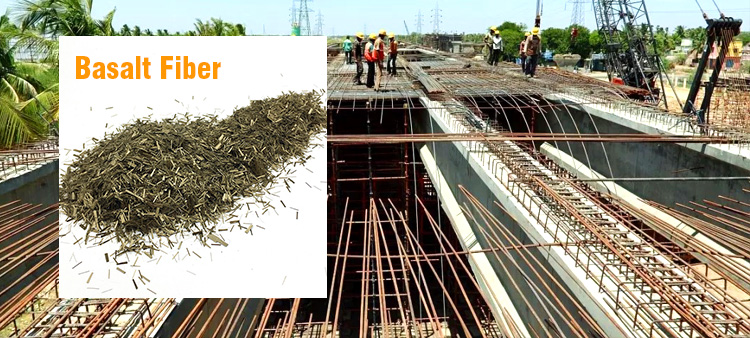
短切玄武岩纤维在桥面混凝土中的应用.jpg

At China Beihai Fiberglass Co., Ltd., we’re proud to be a leader in the local basalt fiber scene, focusing heavily on R&D to develop high-performance basalt continuous fibers. Our goal? To open up new possibilities for making buildings more durable and eco-friendly. This guide's basically a deep dive into how these basalt chopped fibers are making a difference today—and how they might just be shaping the future of construction as we know it.

Basalt Chopped Fiber: An Overview of Its Composition and Characteristics

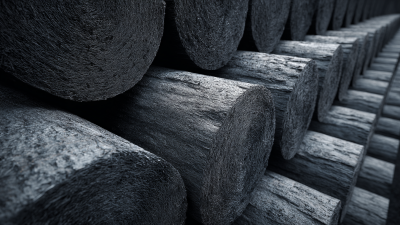
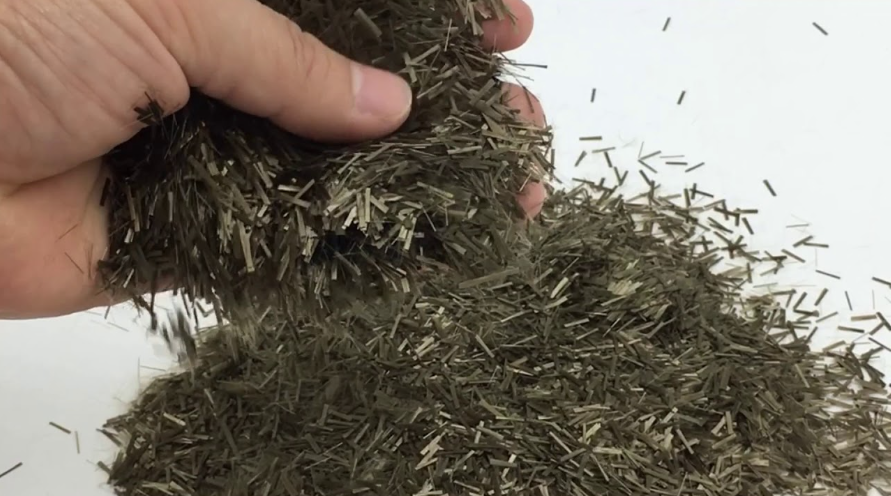
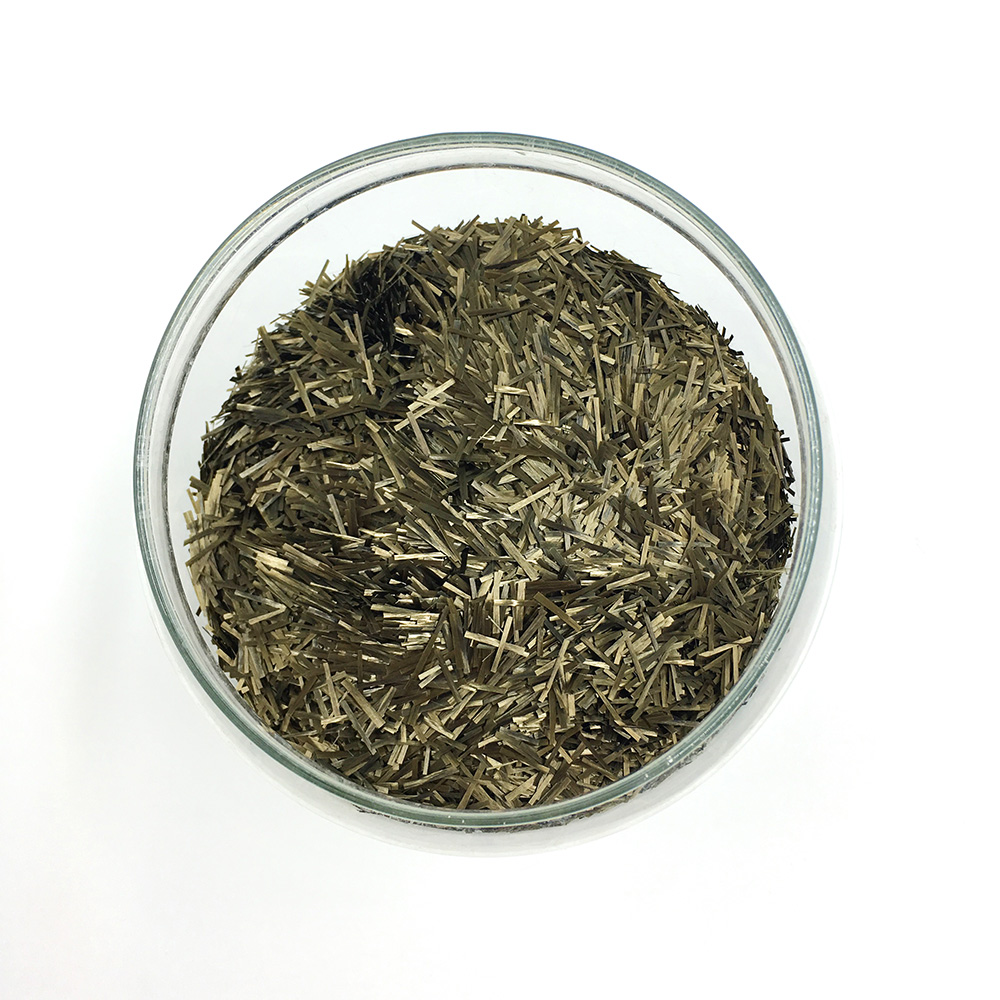
You know, basalt chopped fiber has really started to make waves in today’s construction scene. It’s praised for being super strong and also eco-friendly, which is kinda great. Basically, it’s made from melted basalt rock—just like lava, but then it’s cooled down carefully to keep its special qualities. Compared to the usual reinforcements like steel or glass fibers, basalt fibers are pretty impressive: they handle heat well, are super strong in tension, and resist chemicals like a champ. These traits don’t just boost how long buildings last, but they also keep things lightweight, making installation a whole lot easier.

The way these fibers are made—like their length and thickness—really matters because it lets you customize them for different stuff, whether it’s concrete, asphalt, or composite materials. They help improve the strength and impact resistance of these materials, which means fewer cracks and less risk of structural failure over time. Plus, basalt fibers are non-toxic and environmentally friendly, making them an appealing choice if you're into sustainable building practices. Overall, the cool features of basalt chopped fiber make it a pretty valuable player in the modern construction world, for sure.

The Advantages of Using Basalt Chopped Fiber in Modern Construction

You know, basalt chopped fibers are really gaining popularity these days in modern construction. People are starting to see just how many advantages they bring, especially when it comes to reinforcing concrete and other composite materials. I came across a study from the American Concrete Institute, and it said that adding basalt fibers can boost the tensile strength of concrete by as much as 40%. That’s pretty impressive! Not only does this mean structures last longer, but it also helps cut down on maintenance costs over time—definitely a win from an economic standpoint.

Plus, basalt fibers are pretty resistant to the tough environmental conditions out there. According to the International Journal of Research in Engineering Technology, these fibers hold up well against things like corrosion and chemicals, including alkali and acids. That makes them super suitable for places exposed to harsh conditions—think bridges or marine structures—where saltwater and chemicals can really do a number on materials. Overall, bringing basalt chopped fibers into construction seems like a smart move, tackling a lot of the challenges the industry’s faced for ages.

Benefits of Basalt Chopped Fiber in Modern Construction

Key Applications of Basalt Chopped Fiber in Structural Engineering

You know, basalt chopped fibers are really starting to make a splash in the world of structural engineering. People are loving them because they’re insanely strong, durable, and lightweight — pretty impressive, right? They’re often used to reinforce concrete and asphalt, which helps make structures not just sturdier but also more resistant to the wear and tear from the environment. That’s why you’ll often see these fibers in high-stress stuff like bridges, tunnels, or tall buildings. What’s also super cool is that basalt fibers don’t rust or corrode, so they last longer, cut down on maintenance costs, and actually help make construction projects more eco-friendly and sustainable.

chopped basalt fibers.png

Now, on the scene is China Beihai Fiberglass Co., Ltd., leading the charge in this space. They focus on developing and producing top-notch basalt continuous fibers. Thanks to their sophisticated manufacturing processes, they’re able to deliver high-quality chopped basalt fibers that really meet what modern-day construction needs. Plus, they’re always investing in research and development. This means they’re constantly finding new ways to improve the fibers’ properties and applications — helping engineers and architects push the limits of design — all while keeping things efficient and sustainable. Pretty exciting, don’t you think?

Comparative Analysis: Basalt Chopped Fiber vs. Traditional Reinforcement Materials

When you're looking at modern construction materials these days, choosing between basalt chopped fiber and the more traditional reinforcement options is becoming more and more important. So, basalt chopped fiber—what’s that exactly? It’s made from natural basalt rock, and honestly, it packs some serious advantages that steel or polypropylene just can’t match. For one, it boosts the strength and longevity of structures, and it’s also resistant to corrosion, which means things last way longer. Plus, in things like concrete reinforcement, basalt fiber is super lightweight—so your entire structure is easier to handle and transport, all while keeping the strength up. Pretty cool, right?

Now, on the industry side, China Beihai Fiberglass Co., Ltd. is really leading the charge here. They’re focused on producing top-notch continuous basalt fibers, offering some pretty innovative solutions for construction projects. When you compare basalt chopped fiber to traditional materials, it’s clear that it’s not just about performance—it’s also better for the environment, since it’s naturally sourced and eco-friendly. As construction keeps evolving, having lightweight yet sturdy materials like this is going to be a game-changer. All in all, basalt fiber seems like a perfect fit for modern building needs—strong, sustainable, and forward-thinking.

Sustainability Benefits of Incorporating Basalt Chopped Fiber in Building Projects

When it comes to modern construction these days, sustainability is really a top priority, and using basalt chopped fiber is actually a pretty smart move that packs a lot of environmental benefits. Basically, basalt fibers come from volcanic rock — so they’re eco-friendly and also help make building materials stronger and more durable. It’s a natural alternative to synthetic fibers, which means we’re reducing our dependence on non-renewable resources. That’s a big step toward more sustainable building practices.

If you’re thinking about adding basalt chopped fiber into your projects, I’d suggest starting with a thorough review of the material specs to make sure it works well with what you’re already using. Also, teaming up with suppliers who focus on eco-friendly manufacturing can really help create a more sustainable supply chain. Plus, buildings reinforced with basalt fibers tend to be more energy-efficient — they usually require less heating and cooling, which means they have a smaller carbon footprint over time.

And don’t forget, spreading the word about these benefits is super important. Talk to architects, builders, everyone involved — share why basalt chopped fiber is a game-changer. When people are more informed, they’re more likely to choose greener options, and that can really push the industry toward more sustainable, responsible building practices.

Basalt Fiber-081.jpg

Exploring the Strengths and Benefits of Good Durability Basalt Fibre Geogrid Mesh in Modern Construction

Basalt fibre geogrid mesh is emerging as a game-changer in the realm of modern construction, thanks to its remarkable durability and the myriad benefits it offers. Made from alkali and acid-resistant basalt fibre, this innovative geotextile is engineered to withstand harsh environmental conditions while providing essential support for various infrastructure projects. Its superior water permeability and filtration capabilities ensure that it can effectively reinforce asphalt-concrete surfaces commonly found in airports, highways, and pedestrian walkways, significantly enhancing their lifespan and performance.

One of the standout features of basalt fibre geogrid mesh is its impressive weight-to-strength ratio. While offering reinforcement comparable to traditional metal reinforcements, it is 2.6 times lighter, which drastically improves handling and transportation processes on construction sites. This lightweight characteristic not only simplifies installation but also contributes to overall project efficiency. Additionally, the use of basalt nets when reinforcing disc cutters enhances their reliability and efficiency, ultimately leading to smoother operations and better outcomes in cutting tasks.

In an era where sustainability and high-performance materials are paramount, basalt fibre geogrid mesh stands out as a forward-thinking solution that meets the demands of contemporary engineering. Its robust qualities position it as an ideal choice for engineers and builders looking to optimize both durability and functionality in their projects.

FAQS

: What is basalt chopped fiber made from?

: Basalt chopped fiber is derived from molten basalt rock that undergoes a cooling process, preserving its unique properties.

What are the main benefits of using basalt chopped fiber in construction?

Basalt chopped fiber offers excellent thermal stability, high tensile strength, resistance to chemical corrosion, and reduces the risk of cracking and structural failures.

How does basalt chopped fiber compare to traditional reinforcement materials like steel?

Basalt chopped fiber enhances strength and durability while being lightweight and resistant to corrosion, significantly extending the lifespan of structures compared to traditional materials like steel.

Is basalt chopped fiber environmentally friendly?

Yes, basalt chopped fiber is non-toxic and derived from natural basalt rock, making it a sustainable choice for construction, reducing reliance on non-renewable resources.

What are some tips for integrating basalt chopped fiber into construction projects?

It's important to conduct a thorough analysis of material specifications for compatibility, collaborate with suppliers who prioritize eco-friendly production methods, and educate stakeholders on its benefits.

Can basalt chopped fiber improve energy efficiency in buildings?

Yes, buildings reinforced with basalt chopped fiber require less energy for heating and cooling, leading to lower carbon footprints over time.

In what forms is basalt chopped fiber produced?

Basalt chopped fiber is produced in various lengths and diameters to allow for tailored applications in concrete, asphalt, and composite materials.

How does basalt chopped fiber contribute to sustainable construction practices?

It aligns construction practices with sustainable development goals by offering a natural alternative to synthetic fibers and enhancing the durability and strength of building materials.

What role does education and advocacy play in promoting basalt chopped fiber?

Educating and advocating for basalt chopped fiber among architects and builders encourages the adoption of sustainable materials, supporting a shift towards greener construction practices.

Conclusion

Hey there! So, I wanted to share this really cool guide about Basalt Chopped Fiber and how it's changing the game in modern construction. First off, it starts by breaking down what makes this material so special—its unique makeup and properties that set it apart. Then, it dives into all the awesome benefits it brings to the table, like being super strong and long-lasting compared to the usual reinforcement options we’ve seen before.

The guide also covers how versatile Basalt Chopped Fiber is in different structural engineering applications. Plus, it’s pretty eye-opening to see a side-by-side comparison that shows why choosing this over traditional materials can be a smarter move.

And let’s not forget—it’s not just about performance. There’s a real focus on how eco-friendly and sustainable this material is, making it a forward-thinking pick for builders who care about the environment. With China Beihai Fiberglass Co., Ltd. leading the charge in this tech, things look pretty exciting for the future of construction. All in all, it’s definitely a material to keep an eye on!
Isabella

Isabella

Isabella is a dedicated marketing professional at Jiujiang Beihai Fiberglass Co., Ltd. (Project Four), specializing in promoting the company's diverse range of high-quality fiberglass products. With a deep understanding of the industry and a passion for innovation, she plays a vital role in driving......
Previous Innovative Approaches for Utilizing Basalt Cleavage in Modern Applications