
Leave Your Message
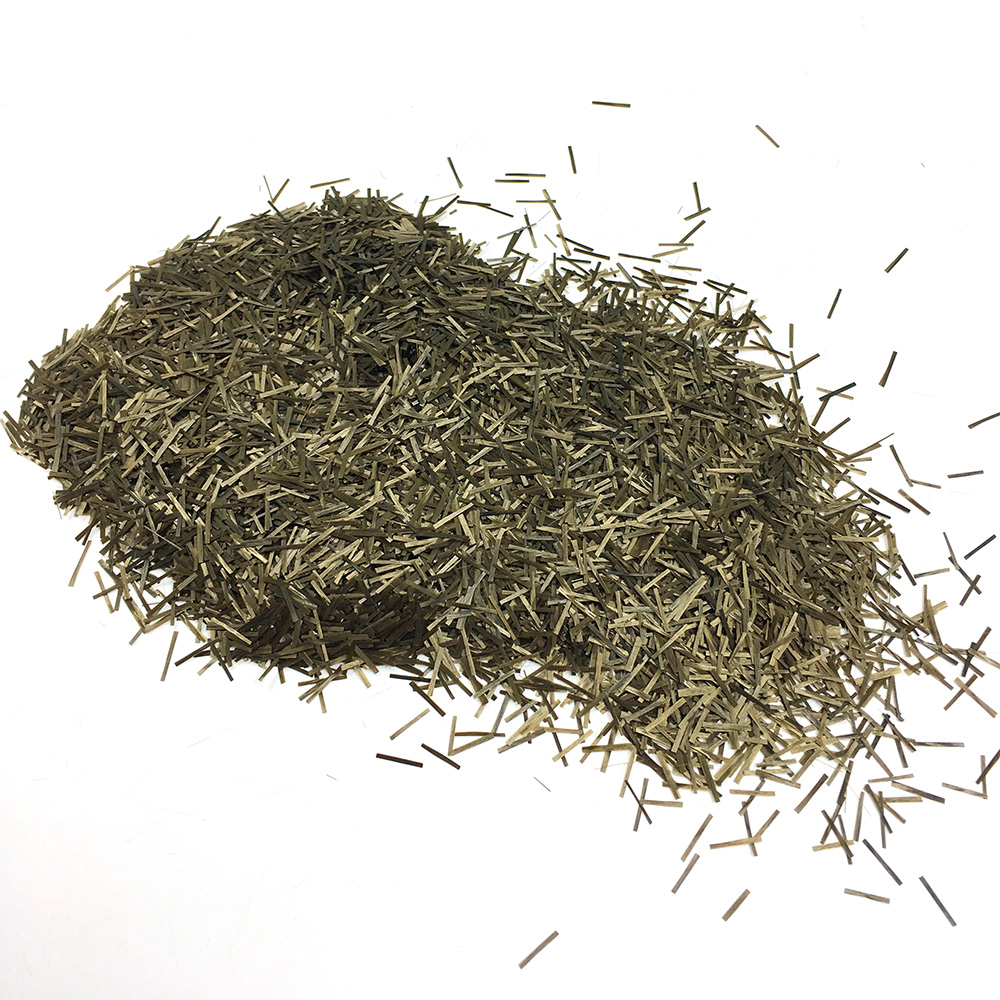
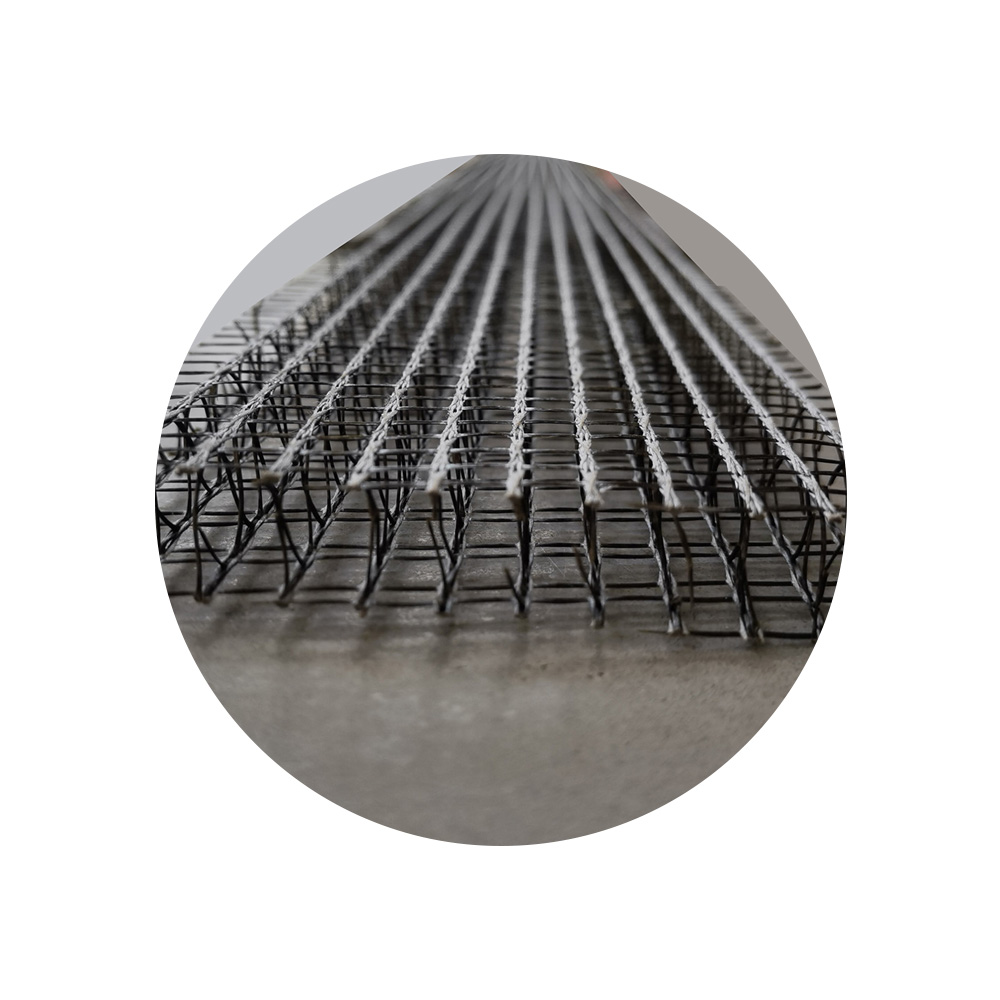
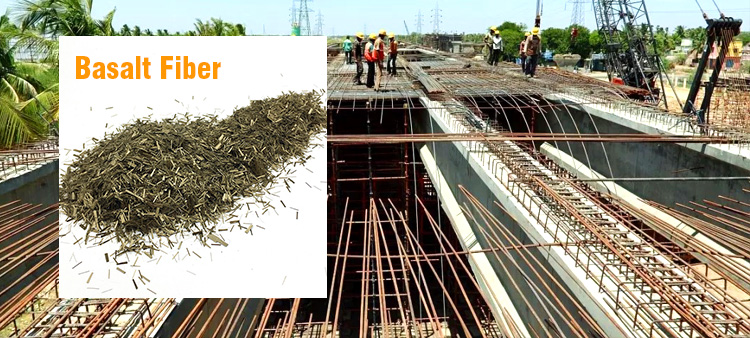
When it comes to modern architecture these days, using the right materials really makes a big difference for both how things look and how well they work. You’ve probably noticed that more and more projects are showcasing cool new stuff like Basalt continuous fiber — and honestly, it's not just for show. These materials are super Durable and perform really well, which is a huge plus. I was reading a recent industry report that said the global market for advanced fiber materials might hit around $35.5 billion by 2027 — that’s a clear sign that everyone’s craving smarter, more efficient building solutions.
China Beihai Fiberglass Co., Ltd.is definitely a company to watch; they’re leading the charge with their focus on R&D, manufacturing, and selling high-performance Basalt Fibers. Using these kinds of materials, architects and builders can not only ensure their structures do the job but also give them thatwow factor. It’s exciting to think about how this could shape future architecture — more sustainable, more eye-catching, and just plain better all around.
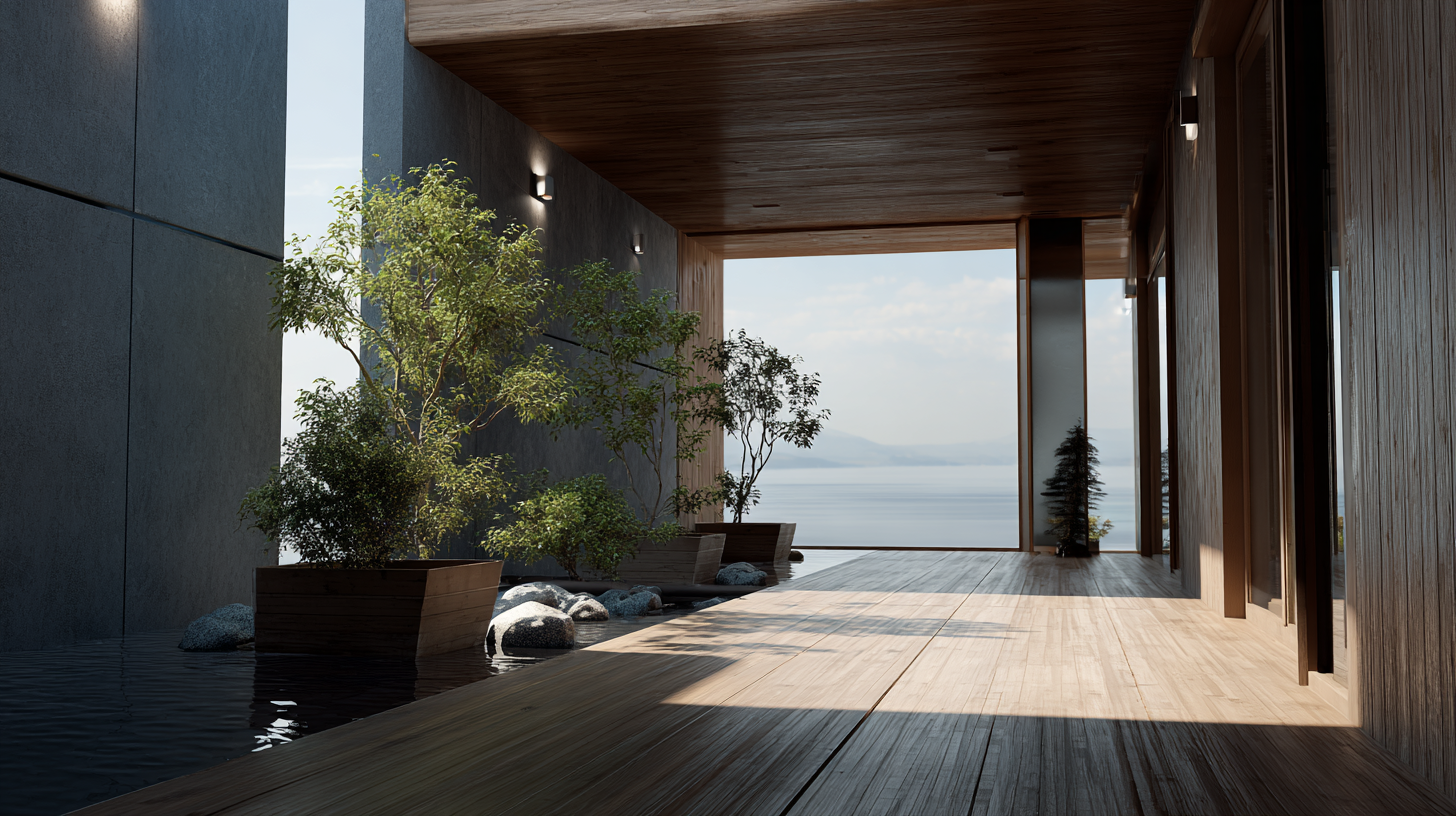
When it comes to architecture, finding that sweet spot between looking good and being practical is kind of the gold standard. I mean, a building’s aesthetics—the way it looks—tells a story through form, colors, and materials. But honestly, no matter how gorgeous a structure appears, it only truly shines when it works well in everyday life. Take natural light, for example. It not only makes a building look nicer but also helps save energy and keeps people inside feeling good. That’s a win-win, right?
Plus, blending looks and functionality isn’t just about sticking fancy elements together. It’s about smart design choices that really focus on how people use the space. Things like open areas that invite interaction can totally boost the vibe of a community and add a bit of wow factor. And using eco-friendly materials? That’s not just good for the planet—it makes the building last longer and perform better. So, at the end of the day, architects shouldn’t see beauty and practicality as opposites. Instead, when you get them to work together just right, you end up with buildings that are not only pleasing to the eye but also super functional and useful.
| Dimension | Aesthetic Impact | Functional Benefit | Optimization Techniques |
|---|---|---|---|
| Material Selection | Enhances visual appeal through texture and color | Durability and maintenance considerations | Use sustainable and innovative materials |
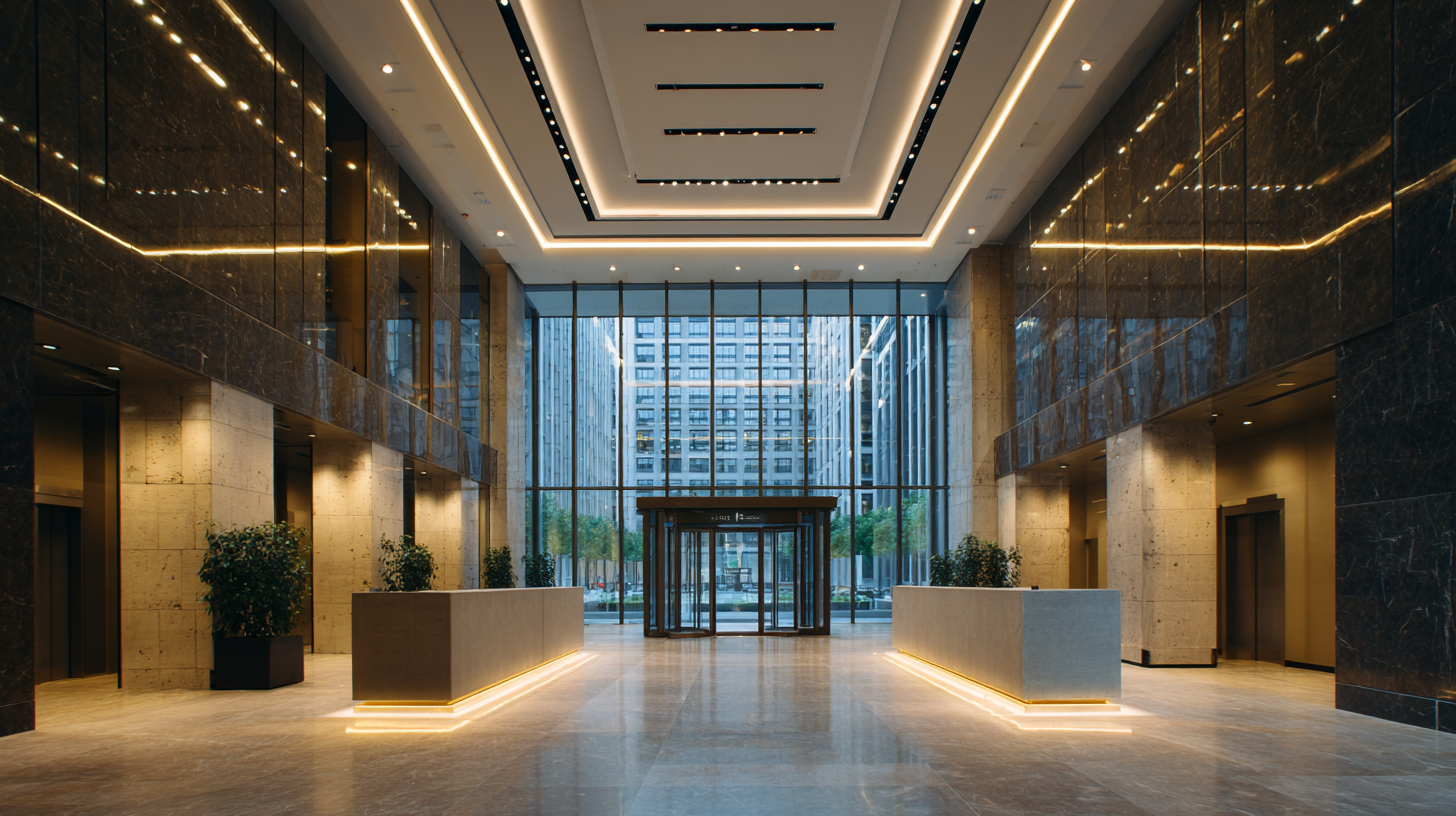
| Lighting Design | Creates ambiance and highlights architectural features | Improves functionality of spaces through visibility | Incorporate natural and artificial lighting sources |
| Spatial Planning | Maximizes aesthetic flow and harmony | Enhances usability and traffic patterns | Employ open floor plans and multifunctional spaces |
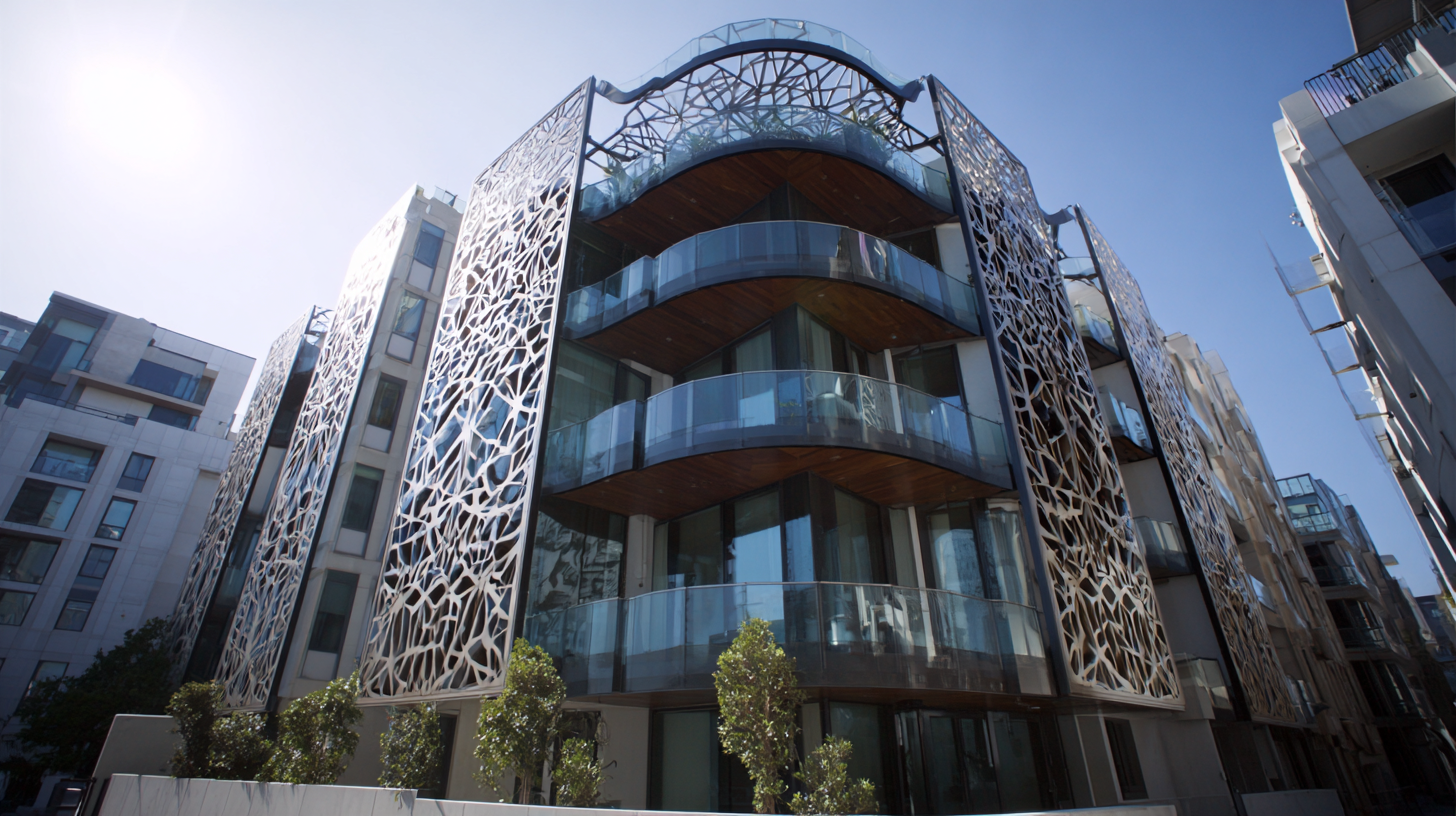
| Facade Treatment | Defines style and character of the building | Provides weather protection and insulation | Integrate green walls or dynamic cladding |
| Sustainability Features | Promotes a modern and eco-conscious image | Reduces operational costs through energy efficiency | Implement solar panels and rainwater harvesting systems |
: The main focus is on achieving a harmonious balance between aesthetics and functionality in architectural design.
Aesthetics serve as the visual language of a building, while functionality ensures that the structure serves its intended purpose; both elements are interdependent and should be balanced.
Natural light enhances both the visual appeal of a space and contributes to energy efficiency and occupant well-being.
Sustainable materials enhance building aesthetics while significantly improving functionality, durability, and reducing the overall carbon footprint of constructions.
They offer remarkable structural integrity, eco-friendliness, and a favorable strength-to-weight ratio, promoting both aesthetic and functional excellence.
Innovative technologies, such as nanotechnology, allow architects to create stronger and lighter building components, improving both aesthetics and functionality.
Engaging local residents fosters a sense of ownership and ensures the design reflects the unique cultural and aesthetic values, making buildings more appealing and tailored to users' needs.
Architects can hold community workshops and utilize digital tools like immersive 3D modeling and virtual reality to gather real-time reactions and insights.
The goal is to create buildings that not only delight the eyes but also effectively serve their intended purpose and enhance the quality of life for residents.
It leads to more harmonious and successful projects that elevate the architectural landscape and improve the overall living environment for residents.
You know, in today's world of architecture, hitting that sweet spot between looks and functionality is more important than ever if you want your designs to truly stand out. Architects need to focus on those key design principles that make buildings not just beautiful but also practical—they’ve gotta serve their purpose, you know? Using sustainable materials is a big part of the puzzle, offering that nice balance of eye-catching appeal and real-world benefits. And let’s not forget technology—it opens up all kinds of cool, innovative smart design options that can seriously elevate a project’s overall vibe.
Plus, it’s pretty essential to get the community’s input as well. You want buildings that fit well into their surroundings and genuinely meet the needs of the folks who use them. Here at China Beihai Fiberglass Co., Ltd., we’re leading the way in the basalt fiber industry, and we’re all about supporting these kinds of projects with top-notch, high-performance materials. Our goal? To help architects create spaces that are not just visually stunning but also practical and eco-friendly. When you bring all these elements together, the result is a space that’s beautiful, functional, and sustainable—something everyone can truly appreciate.