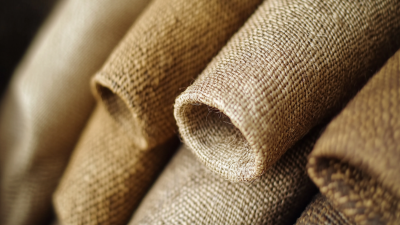
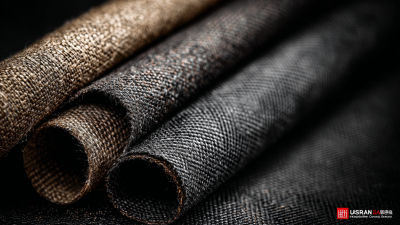
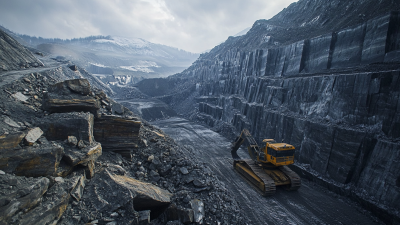
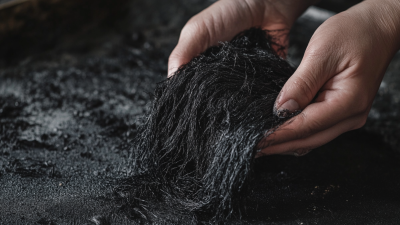
You know, the way advanced applications are being developed across different industries is really fascinating, and a big part of that story is all about innovative materials. Take Basalt Fiber Cloth, for instance—it's really making a name for itself! According to industry reports I came across, the global basalt fiber market is expected to hit around USD 78.3 million by 2025. That growth is mainly fueled by its rising use in areas like construction, automotive, and Aerospace.
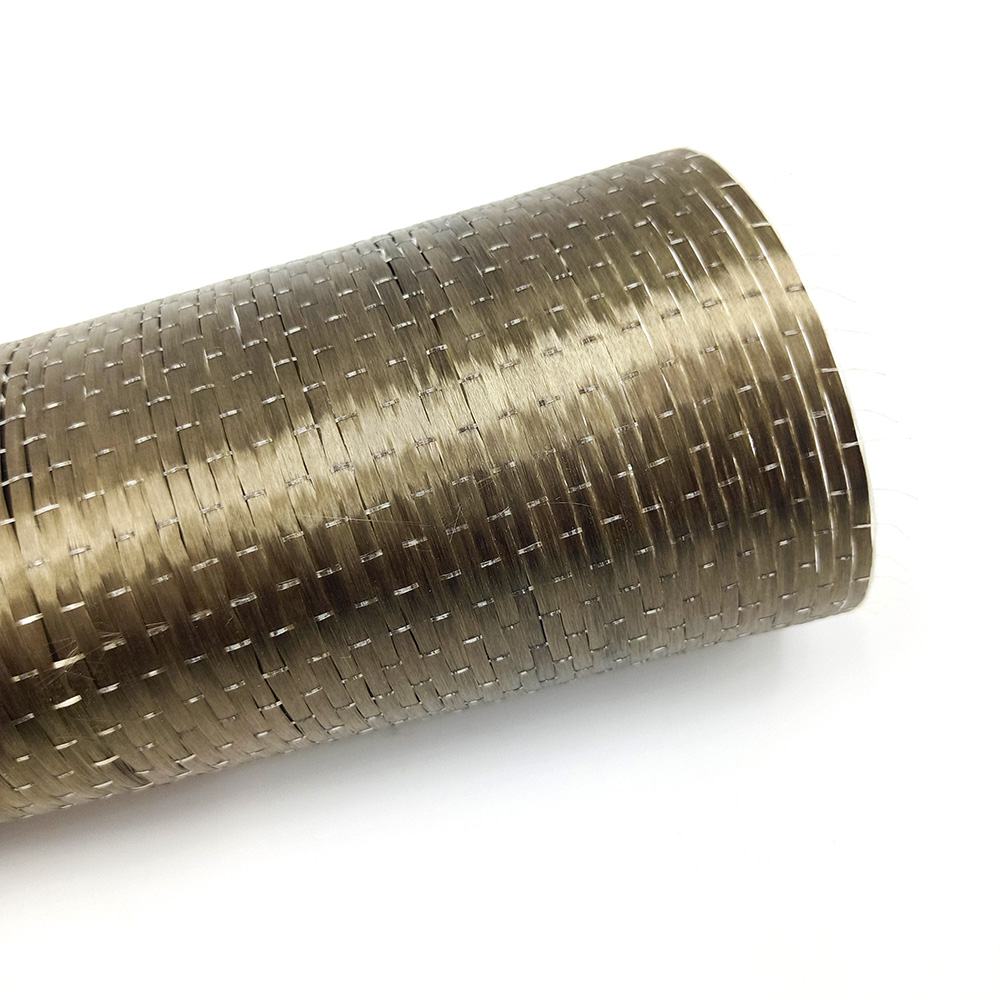
And speaking of pioneers, China Beihai Fiberglass Co., Ltd. is definitely one to watch. They’re a high-tech company that's deep into researching and producing basalt continuous fiber. With their focus on quality and innovation, they seem to be at the forefront of the domestic basalt fiber scene and are all set to take advantage of this booming demand for high-performance materials. Looking ahead, the smart use of Basalt Fiber Cloth in future applications seems like it’ll not only boost performance but also help promote sustainability across the board, which is such a win-win!
The Importance of Industry Standards in Advanced Applications
You know, the whole idea of having industry standards, especially in advanced applications, is really something we can't overlook. As we head into this future where materials like basalt fiber cloth are becoming more and more popular, having solid industry standards is just crucial. There's this report from the Global Composites Market that says the composite materials sector, which includes basalt fibers, could hit around $155 billion by 2027! That's a pretty impressive growth rate of about 7.2% per year. This really highlights how important it is to have standardized practices in place to keep quality and performance consistent across various uses.
And let me tell you, these industry standards aren’t just numbers and papers—they're really a key benchmark for safety and reliability. Take the American Society for Testing and Materials (ASTM), for example. They’ve rolled out a bunch of standards for composite materials that are vital for industries like aerospace, automotive, and construction. One specific one, ASTM D7766, even lays out how to test the tensile properties of woven basalt fiber fabrics. Following these standards doesn’t just make products more reliable; it also builds consumer trust in those advanced applications using basalt fiber cloth. Basically, when manufacturers stick to these standards, they can be sure their products are up to snuff, meeting the tough demands of today’s applications. This really helps pave the way for new innovations and growth in the field.
Understanding Basalt Fiber Cloth: Properties and Benefits
You know, basalt fiber cloth has really made a name for itself in advanced applications, and it's easy to see why. Made from natural volcanic rock, these basalt fibers pack a serious punch with their incredible tensile strength—about 3000 MPa, which is actually stronger than steel! This makes basalt fiber cloth a top pick for industries like automotive, aerospace, and construction, where high-performance materials are absolutely a game-changer. Oh, and get this: they can handle some serious heat, withstanding temperatures up to 1000°C, which is perfect for those high-temperature situations.
But wait, there's more! One of the coolest things about basalt fiber cloth is its resistance to chemical corrosion. This really opens up a lot of options for using it in all sorts of environments. According to a report from Composites Market Research, the interest in basalt fiber is on the upswing—like, over 15% growth every year. Why? Well, it's eco-friendly and recyclable, making it a solid alternative to fiberglass and carbon fiber.
Quick tip: If you're a manufacturer thinking about using basalt fiber cloth in your projects, keep in mind that its lightweight nature can give your products a nice efficiency boost without losing out on durability.
Another tip: When you’re on the lookout for basalt fiber supplies, be sure to choose suppliers who can show you quality certifications. This way, you can rest easy knowing you're sticking to industry standards and getting the best performance out of your final product!
Key Industries Embracing Basalt Fiber Technology
You know, as different industries keep pushing the envelope and using the latest materials, basalt fiber technology is really starting to make waves in a bunch of key fields. People are catching onto how strong, heat-resistant, and durable basalt fiber cloth is, and it’s being embraced in construction, automotive, and aerospace. These sectors are getting creative with basalt fiber, making stuff that’s not just lighter and stronger, but also better for the environment. It’s like they’re redefining what materials can do.
Take construction, for example. They’re using basalt fiber-reinforced composites to make structures last longer and stand up better over time. It doesn’t just help with corrosion resistance; it also makes construction processes a bit more energy-efficient, which is pretty cool. Then you’ve got the automotive industry where car makers are adding basalt fiber components to shave off some weight without skimping on safety—this means better fuel efficiency too! And in aerospace? They're eyeing it for lighter designs that can perform at higher levels, which is just perfect for creating the aircraft of the future. Honestly, as these industries dig deeper and put more investment into basalt fiber tech, the possibilities ahead look super exciting and game-changing.
Comparative Analysis: Basalt Fiber vs. Other Materials
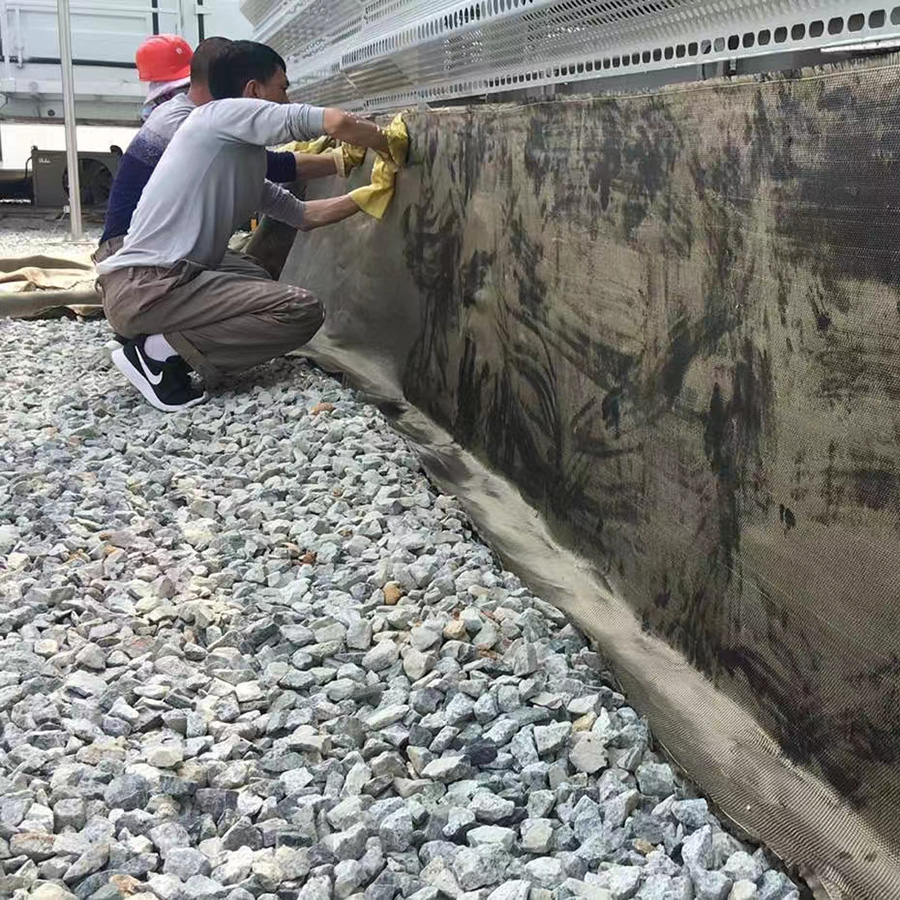
You know, as industries keep hunting for materials that deliver top-notch performance without breaking the bank, basalt fiber is really stepping up to the plate, putting traditional fibers like glass and carbon in the shade. A report from Global Market Insights even says that the basalt fiber market could top $250 million by 2027! That’s thanks to its light weight, impressive tensile strength, and fantastic thermal resistance. Unlike glass fiber, which tends to soak up moisture and can wear out over time, basalt fiber is way more durable. That's why it’s becoming the go-to choice for long-term projects in construction, automotive, and aerospace.
And if you pit basalt fiber against carbon fiber, the price advantage of basalt really stands out. It costs about 30% less to produce than carbon fiber, yet still matches it in performance aspects like strength-to-weight ratio and thermal stability. So, if companies are trying to juggle performance with budget, basalt is a smart pick.
**Quick tip:** If you’re a business thinking about making the switch to basalt fiber, doing a solid cost-benefit analysis could lead you to some serious savings in both manufacturing and maintenance.
Plus, basalt fiber’s resistance to chemicals and UV rays extends its lifespan, which cuts down the need for replacements. By taking advantage of these benefits, businesses can really set themselves apart from the competition.
**Another tip:** Don’t forget to look into partnerships with suppliers who can hook you up with high-quality basalt fiber cloth to nail down performance and sustainability.
The Future of Advanced Applications: Comparative Analysis of Basalt Fiber vs. Other Materials
Regulatory Framework: Setting Standards for Quality and Safety
You know, the growing use of advanced applications for basalt fiber cloth really highlights how important it is to have a solid set of regulations in place to keep things safe and of good quality. A report from Smithers Pira even says that the global basalt fiber market could hit a whopping $140 million by 2025! That's a huge sign that people are looking for standardized products. If we can set up strong guidelines, it’ll help manufacturers deliver basalt fiber cloth that’s consistent and meets industry standards, which is great for protecting both users and the environment.
So, for manufacturers out there, it’s super important to stay updated on changing regulations and to get involved in industry standards committees. Taking a proactive approach to compliance boosts product safety and can really help build trust with consumers. Plus, investing in third-party testing services to ensure their materials match up with international quality standards is a smart move. By following these steps, they can make the market for basalt fiber applications more reliable and safe for everyone.
On top of that, regulatory bodies need to team up with industry folks to create clear criteria for quality assurance. If everyone in the basalt fiber supply chain sticks to these standards, we’ll see improvements in product performance and safety across the board. As the market keeps growing, it’ll be super important for regulators and manufacturers to keep the conversation going—this way, they can tackle new challenges together and support innovation in these advanced applications.
Future Trends: Innovations in Basalt Fiber Applications
You know, as more and more folks start looking for cutting-edge materials, basalt fiber is really starting to shine as a fantastic option for some advanced uses. I recently came across this report from Market Research Future that says the global market for basalt fiber is expected to grow at a whopping 10.5% from 2020 to 2027. That’s pretty impressive! Its lightweight feel coupled with incredible tensile strength makes it perfect for a bunch of industries—think construction, aerospace, and even beyond. Plus, it’s got that thermal stability and resistance to chemical corrosion that just adds to its charm. Imagine all the new and exciting uses this could lead to in places like automotive engineering and renewable energy!
Oh, and if you're thinking about incorporating basalt fiber into your projects, it's a good idea to really think about what mechanical properties you need. Getting a handle on how it stacks up against other materials like fiberglass or carbon fiber can help you pick the right one for your needs.
And here’s a cool bit: advances in manufacturing are really going to change how we use basalt fiber. New production techniques are allowing for composites that are even tougher and more functional. For example, there’s some exciting research happening at the University of Naples where they've developed a hybrid basalt fiber-reinforced polymer that dramatically boosts impact resistance. As more companies catch on to the perks of these innovative solutions, we can expect basalt fiber to really take off when it comes to trends in the market.
So, here’s a tip: keep your ear to the ground about the latest discoveries and tech upgrades in basalt fiber applications. Teaming up with universities and industrial research groups could really open doors for some groundbreaking advancements in your field!
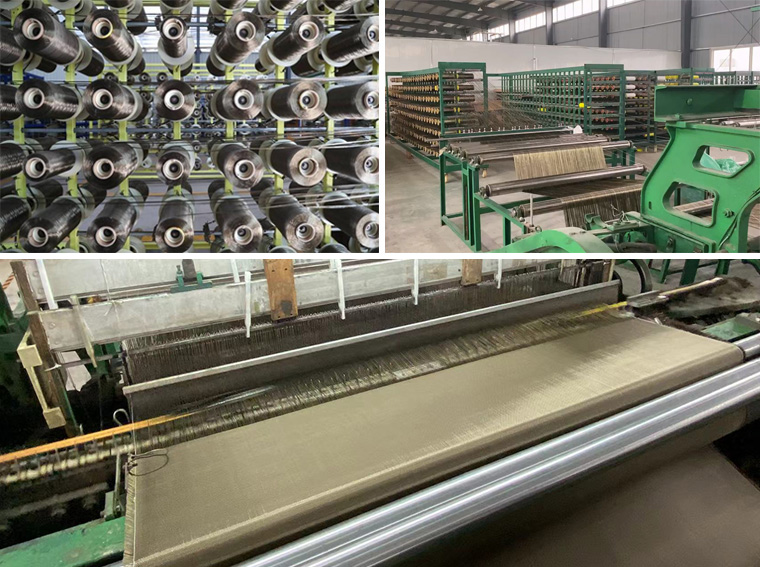
FAQS
: Key industries embracing basalt fiber technology include construction, automotive, and aerospace. These sectors are leveraging basalt fiber's strength, temperature resistance, and durability for more eco-friendly product development.
In construction, basalt fiber-reinforced composites enhance the durability and longevity of structures, improve corrosion resistance, and contribute to energy efficiency in construction processes.
Basalt fiber offers superior durability compared to glass fiber, which can absorb moisture and degrade over time. This makes basalt fiber more suitable for long-term applications in various industries.
Basalt fiber is approximately 30% cheaper to produce than carbon fiber while providing comparable strength-to-weight ratios and thermal stability, making it a budget-friendly option for many industries.
The global basalt fiber market is projected to grow at a CAGR of 10.5% from 2020 to 2027, with innovations in manufacturing processes enhancing its applications in sectors like automotive engineering and renewable energy.
Basalt fiber's thermal stability, coupled with its resistance to chemical corrosion, makes it suitable for high-performance applications, particularly in industries where heat and harsh environments are concerns.
In the automotive sector, basalt fiber components help reduce vehicle weight without sacrificing safety, leading to improved fuel efficiency for manufacturers.
Collaborating with suppliers who provide high-quality basalt fiber cloth can ensure optimal performance and sustainability in the products being developed.
Companies should conduct a thorough cost-benefit analysis to uncover potential savings in manufacturing and maintenance when considering the shift to basalt fiber.
Staying updated on the latest research and technological advancements can help industries leverage basalt fiber’s versatility and sustainability, potentially leading to groundbreaking developments in their sectors.