When you're trying to pick the best airports in China, one thing that really matters is the quality of airport runways. I mean, the runway can actually make a big difference in how safe and smooth your flight feels. So, understanding how runways differ across airports is pretty important — whether you're just a traveler or someone working behind the scenes.
Some airports definitely stand out because they've got modern infrastructure and keep their facilities in top shape. These airports are really designed with the passenger experience in mind. You'll notice that some runways are beautifully paved and well-maintained, while others might be a bit rough and need repairs more often. This can be noticeable when you’re landing or taking off — and honestly, it can even impact on-time departures or arrivals. Plus, a better runway usually leads to a more comfortable, less stressful flight.
On top of that, some airports use super advanced tech to boost runway performance. It’s pretty impressive! But, let’s be real — not all airports are at that level yet. There are definitely some gaps that still need fixing. Looking at the top airports in China, it’s clear that runway quality plays a huge role in shaping the whole travel experience. Each runway has its own story, adding to the diverse and interesting landscape of air travel in the country.
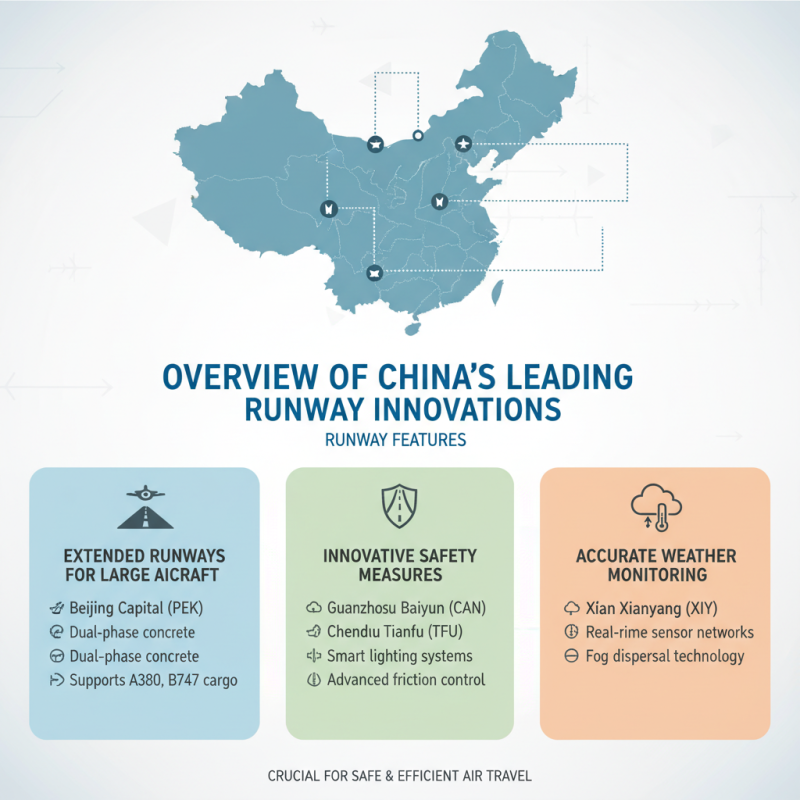
Overview of China's Leading Airports and Their Runway Features
China boasts some of the busiest airports globally, each with unique runway features. A well-constructed runway is crucial for safe landings and takeoffs. One airport may have extended runways that serve larger aircraft. Another may excel in innovative safety measures. Accurate weather monitoring is also essential. It can significantly affect a runway's performance.
Beijing Capital International Airport stands out with its impressive runways, accommodating the high volume of air traffic. Proper maintenance is key to its operation. Runways at Shanghai Pudong International Airport feature advanced technologies, enhancing safety. However, even the best airports face challenges. Heavy rain can lead to temporary closures, affecting operations.
Guangzhou Baiyun International Airport has runways designed for efficiency and safety. Yet, the rapid growth of air travel raises questions about capacity. Can current infrastructures support future demands? Evaluating these aspects is vital for the sustainability of aviation in China. Each airport must continually assess and improve runway capabilities to ensure long-term reliability.
Criteria for Assessing Runway Quality at Airports
When assessing runway quality at airports, several key factors come into play. Surface material is crucial; it must be Durable and provide good traction for landing aircraft. A well-maintained runway reduces accident risks. Recent studies show that uneven surfaces can significantly affect flight safety, leading to potential hazards.
Another important criterion is runway length. Longer runways accommodate various aircraft and different takeoff weights. A runway that can support large aircraft is often more versatile. However, not all airports can maintain long runways due to space constraints. This limitation can affect operational efficiency.
Additionally, the availability of advanced navigation systems enhances runway usability. Technologies like Instrument Landing Systems (ILS) help pilots land safely in poor weather conditions. Yet, some airports lack these systems. This gap can lead to delays and cancellations, impacting overall traveler experience. Each airport faces unique challenges, creating a complex landscape of runway quality and accessibility.
Top 10 Airports in China with the Best Runways
This chart displays the runway quality scores for the top 10 airports in China, based on various criteria such as smoothness, surface condition, and overall maintenance. Higher scores indicate better runway quality, enhancing safety and efficiency in air travel.
Top 10 Airports with Superior Runway Facilities
When it comes to airports in China, runway facilities play a crucial role in ensuring smooth operations. Some airports stand out for their superior runway designs, which enhance safety and efficiency. These airports have runways equipped with advanced technology, allowing them to handle larger aircraft and more frequent flights.
Tips: Always check the runway condition before your flight. Some runways may undergo maintenance, which could lead to delays. Understanding the layout of the airport can also be beneficial for a smoother travel experience.
Additionally, effective runway management at these airports results in shorter wait times for take-offs and landings. This efficiency not only helps airlines but also reduces passenger frustration. However, some areas still face challenges. In particular, weather can impact runway usage, leading to unexpected delays.
Tips: Stay informed about weather forecasts, especially if you're traveling during rainy seasons. Knowing the patterns can help you plan better. Ultimately, choosing airports with advanced runway facilities can enhance your travel experience significantly.
Top 10 Airports in China with Superior Runway Facilities
| Rank | Airport Name | Location | Runway Length (m) | Runway Surface | Capacity (Aircraft/hour) |
| 1 | Beijing Capital International Airport | Beijing | 3800 | Asphalt | 80 |
| 2 | Shanghai Pudong International Airport | Shanghai | 4000 | Concrete | 70 |
| 3 | Guangzhou Baiyun International Airport | Guangzhou | 3600 | Asphalt | 75 |
| 4 | Chengdu Shuangliu International Airport | Chengdu | 3600 | Asphalt | 70 |
| 5 | Xi'an Xianyang International Airport | Xi'an | 3600 | Asphalt | 65 |
| 6 | Hangzhou Xiaoshan International Airport | Hangzhou | 3400 | Asphalt | 60 |
| 7 | Shenzhen Bao'an International Airport | Shenzhen | 3600 | Concrete | 75 |
| 8 | Kunming Changshui International Airport | Kunming | 3600 | Asphalt | 65 |
| 9 | Nanjing Lukou International Airport | Nanjing | 3600 | Concrete | 60 |
| 10 | Wuhan Tianhe International Airport | Wuhan | 3600 | Concrete | 65 |
Detailed Analysis of Each Airport's Runway Specifications
When evaluating the top airports in China, runway specifications play a critical role. Airports like Beijing Capital and Shanghai Pudong boast extensive runway lengths of over 3,800 meters. These dimensions accommodate large aircraft and ensure efficient operations. However, in some cases, weather conditions can impact runway usage and safety, highlighting a gap in infrastructure resilience.
Another noteworthy airport is Guangzhou Baiyun. It features modern asphalt surfaces designed for durability. Its runways can withstand heavy traffic and frequent landings, yet it has received criticism for occasional congestion during peak hours. This calls into question whether the airport can adapt to growing air traffic in the future.
Chengdu Shuangliu has shorter runways compared to its counterparts, yet they are well-maintained. Insights from industry experts suggest that their design allows for quick take-offs and landings. On the flip side, smaller airports have less advanced surface materials, which can lead to wear and tear. This raises concerns about their long-term viability amid increasing air travel demands.
Safety and Efficiency Metrics Related to Airport Runways
When evaluating Airport Runways in China,safety and efficiency metrics are crucial. According to the International Civil Aviation Organization (ICAO), an airport's runway length and surface quality significantly impact aircraft performance. The best runways must cater to various aircraft sizes while ensuring quick turnarounds and minimal delays. Advanced materials are often used to enhance durability and reduce maintenance costs.
Runway safety areas are essential. The World Airport Traffic Statistics indicate that airports with comprehensive safety protocols have lower incident rates. Regular inspections and maintenance are vital to maintain runway integrity. Surprisingly, some airports still face challenges in this regard. Neglecting routine checks can lead to dangerous situations for both passengers and crew.
Tips: Always check for runway updates before flying. Weather conditions can also affect runway safety. Not all airports equip their runways equally.
Airports can improve efficiency by optimizing runway usage. This involves managing traffic flow with effective scheduling. The Airports Council International highlights that improper use of runways leads to congestion and increased fuel consumption. Some airports struggle with achieving this balance, causing delays and frustrations for travelers.
Passenger Experience and Runway Impact at These Airports
When it comes to airport experience, runways play a crucial role. Smooth and well-maintained runways contribute to safer, more pleasant takeoffs and landings. Airports in China are known for their commitment to quality. A well-kept runway can reduce turbulence, making flights noticeably more comfortable.
Passenger feedback reveals that well-designed runways lead to fewer delays. For instance, runways with proper alignment facilitate efficient air traffic management. However, some airports still face issues like overcrowding, which can impact the overall experience. Regular assessments and improvements are essential in maintaining runway standards.
Tips: Always check runway conditions before your flight. This information is often available online. Arriving early at the airport can help you avoid the stress of delays caused by runway issues. Consider choosing airports that prioritize runway maintenance for a better travel experience.
Future Developments for Runway Improvements in China
Runway improvements are vital for China's aviation growth. Numerous airports are investing in better runway technologies. Innovative materials and design techniques will enhance runway durability and safety. For instance, the use of high-strength concrete can significantly increase lifespan and reduce maintenance needs. These materials will withstand extreme weather conditions, minimizing disruption.
However, challenges remain. Upgrading existing runways without affecting operations is complex. Each airport has unique space constraints. For example, expanding a runway often requires additional land acquisition, which can be controversial. Effective planning is crucial to avoid community backlash. Some airports may struggle to secure funding for these improvements.
Moreover, ongoing training for runway maintenance personnel is essential. Keeping staff informed about the latest technology and safety protocols is a challenge. As improvements roll out, training programs must adapt. Only through continuous learning can we ensure the highest standards are met. The future of Chinese airports largely depends on these runway developments.
FAQS
: Runway specifications are crucial for accommodating large aircraft and ensuring smooth operations.
Weather conditions can impact runway safety and usage, revealing potential infrastructure weaknesses.
Guangzhou Baiyun has modern asphalt surfaces that are durable but experiences congestion at peak times.
Shorter runways, like those at Chengdu Shuangliu, can still be efficient when well-maintained.
Smooth runways result in safer, more pleasant flights, while poor conditions can lead to discomfort.
Regular assessments ensure runways meet standards, reducing delays and improving the passenger experience.
Checking runway conditions online and arriving early can help passengers navigate potential delays.
Overcrowding can negatively affect the overall travel experience, leading to frustration among travelers.
Yes, smaller airports often deal with less advanced surfaces, which can wear down more quickly.
Properly aligned runways facilitate efficient management, leading to fewer delays and smoother operations.
Conclusion
China boasts a range of airports known for their superior runway facilities, which play a crucial role in ensuring safety and efficiency in air travel. In evaluating these airport runways, criteria such as surface quality, length, and overall condition are essential. The top 10 airports selected stand out not only for their runway specifications but also for their commitment to passenger experience, minimizing delays, and maintaining high safety standards.
A detailed analysis reveals that these airports prioritize runway maintenance and modern technological enhancements, paving the way for future developments aimed at further improving runway quality. As air travel continues to grow, advancements in airport runways will remain key in accommodating increasing passenger traffic and enhancing overall operational efficiency within China's aviation sector.