Leave Your Message
0%

Airport Runways play a crucial role in the aviation industry. They serve as the vital surfaces that allow aircraft to take off and land safely. The design and maintenance of these runways are critical. A well-constructed runway enhances safety and efficiency in air travel. However, not all airports meet necessary standards.

Many airports face challenges with runway conditions. Cracks or debris can pose serious risks during landing. Compromised runways can lead to delays, accidents, and even losses for airlines. Aeronautical teams must monitor runway conditions regularly. This requires constant investment and attention.

Airport Runways also impact capacity and traffic flow. An efficient runway system can manage higher volumes of flights. On the contrary, inadequate facilities can lead to congestion. This affects passengers and airlines alike. We must reflect on how we can improve these essential structures in aviation.
What is the Importance of Airport Runways in Aviation?

Importance of Airport Runways in Facilitating Air Traffic Management

Airport runways play a vital role in facilitating air traffic management. They serve as the primary surface for aircraft takeoffs and landings. The design and maintenance of these runways impact safety and efficiency. A well-maintained runway reduces the risk of accidents. However, some airports still face issues with surface conditions, which can hinder operations.

Effective air traffic management relies on clear communication and the timely use of runways. Delays often occur due to poor planning or unexpected weather conditions. For instance, when runways are not equipped for adverse conditions, flights can be delayed or diverted. Enhancing runway technology could mitigate these challenges. However, decision-makers sometimes prioritize cost over safety improvements.

Runway length and width are crucial but often overlooked factors. Short runways may limit aircraft types. As air travel demands increase, some older airports struggle to adapt. This raises questions about future air traffic capacity. Continuous evaluation and investment in runway infrastructure are essential for meeting growing needs. We must acknowledge these challenges and work towards solutions.

Role of Runway Design in Enhancing Aircraft Performance and Safety

Runway design plays a crucial role in aviation safety and aircraft performance. A well-designed runway, with the right length and surface material, can significantly enhance an aircraft's takeoff and landing capabilities. For instance, a study by the International Civil Aviation Organization notes that over 70% of aircraft incidents occur during takeoff and landing phases. Poor runway conditions, such as inadequate length or surface cracks, can increase the likelihood of such events. The standard runway length varies, but it generally ranges from 2,500 to 4,000 meters for commercial aircraft.

Choosing the correct surface material is important. Asphalt is known for its durability and cost-effectiveness, while concrete provides exceptional stability. Each surface has its pros and cons. For example, airports in colder climates face challenges with snow and ice accumulation. This can lead to hazardous conditions. A poorly maintained runway may reduce aircraft performance, leading to accidents.

**Tip:** Conduct regular runway inspections to ensure safety. Consider implementing advanced material that can withstand extreme weather. Regular maintenance routines can catch potential issues early.

Pilots need to understand runway data. This includes length, slope, and weight limits. All of these factors can influence an aircraft's performance. A mismatch in these parameters may hinder takeoff speeds or affect landing stability. Flight crews should review this data before each flight to prevent issues.

**Tip:** Always double-check the runway specifications in the pre-flight checklist. Keeping informed helps maintain safety standards.

Impact of Runway Length on Aircraft Takeoff and Landing Distances

What is the Importance of Airport Runways in Aviation?

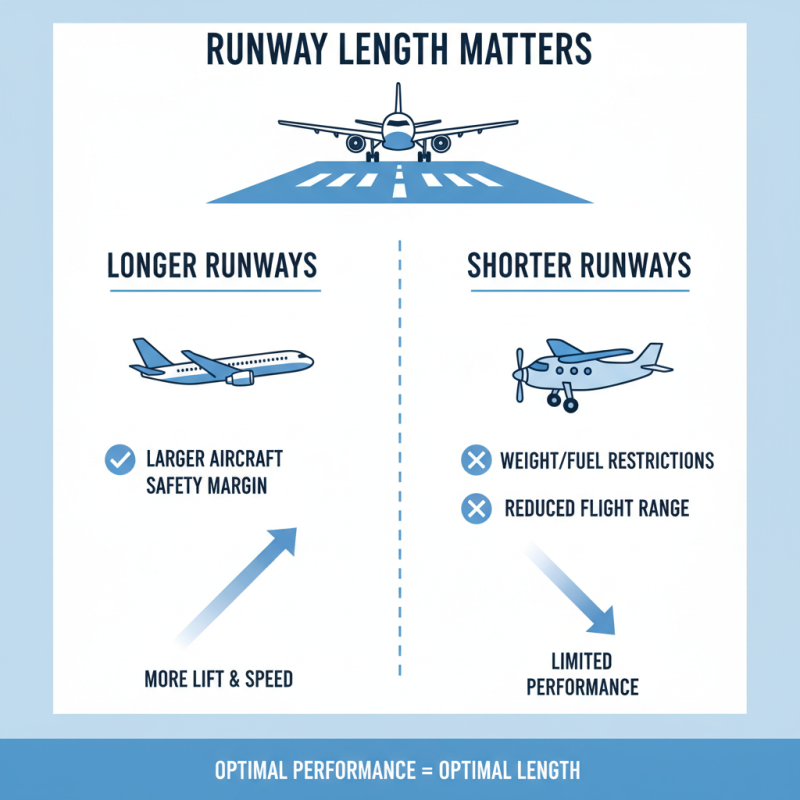
Runways play a vital role in aviation, especially regarding their length. The distance needed for takeoff and landing directly affects the performance of aircraft. Longer runways allow larger planes to operate safely. They provide the space required for generating lift during takeoff. Shorter runways can limit an aircraft's weight or fuel load, affecting flight range and safety.

For example, an aircraft may require a specific runway length depending on its weight and weather conditions. A heavy aircraft might need more distance to achieve the necessary speed for takeoff. Conversely, shorter runways could pose challenges, including the risk of runway overruns. This situation forces pilots to carefully calculate weights and adjust flight plans. Inadequate runway length can lead to serious operational risks.

Airports must constantly assess runway dimensions based on the types of aircraft they serve. Changes in aircraft technology also influence requirements. As planes become larger and more efficient, runways must adapt. It's crucial for runways to meet evolving aviation demands. Failing to do so can limit an airport’s capabilities, affecting passenger and cargo transport efficiency. The challenge is to anticipate these needs effectively.

Significance of Surface Material in Runway Durability and Weather Resistance

Runway durability and weather resistance are critical for safe and efficient aviation operations. The surface material of a runway plays a pivotal role in determining its longevity. Asphalt and concrete are the most commonly used materials. Each has distinct advantages. Concrete runways often last longer than asphalt ones, offering better resistance to heavy loads and harsh weather conditions.

According to the FAA (Federal Aviation Administration), well-constructed concrete runways can last over 30 years with proper maintenance. In contrast, asphalt may require resurfacing every 10 to 15 years. This can be cost-effective in the long run, but it might not always be feasible for airports with limited budgets. The choice of material must therefore reflect regional weather patterns and traffic intensity.

Weather impact cannot be overlooked. Rain, snow, and extreme temperatures can degrade runway surfaces. Research indicates that airports in colder climates often face heightened risks of surface cracking due to freeze-thaw cycles. This issue demands careful attention from airport authorities. Regular inspections and timely repairs are necessary to ensure safety. Each decision influences operational efficiency and safety.

Would spending on advanced materials make sense? This remains a question for many cities.

Statistics on Runway Capacity and Its Effect on Flight Schedules

Runways play a critical role in aviation. They determine how many flights can take off and land efficiently. Runway capacity is a key factor influencing flight schedules worldwide. In busy airports, limited runway space can lead to delays. This affects passengers and airlines alike.

Statistics show that when a runway is at capacity, delays increase significantly. For instance, a single hour of additional wait can cascade through an airport’s entire schedule. If one flight is delayed, subsequent flights may also suffer. The ripple effect is more pronounced during peak travel seasons.

Tips: Keep an eye on flight schedules. Arrive early, especially during holidays. Follow airline updates for any potential delays. Flexibility can save your travel day. Understanding runway capacity gives travelers insight into delays. While many factors affect flights, knowing runway constraints helps in planning effectively.

Regulatory Standards Governing Runway Construction and Maintenance

Runway Construction and maintenance adhere to strict regulatory standards. These standards ensure safety and reliability for air travel. The Federal Aviation Administration (FAA) outlines these requirements, which dictate materials, dimensions, and design specifications. According to a 2022 FAA report, nearly 28% of U.S. airports face significant issues related to runway conditions. This emphasizes a pressing need for rigorous oversight.

Maintenance practices are crucial for runway longevity. Regular inspections can identify wear and tear. Surprisingly, a 2021 study noted that 43% of runway incidents stem from inadequate maintenance. Operators must be proactive, addressing issues like cracks and surface erosion. The current standard often relies on visual assessments, which might overlook critical underlying problems.

Regulatory bodies suggest incorporating technology, like laser scanning, for better accuracy. However, many airports still depend on outdated methods. This reliance raises concerns over safety and efficiency. Enhanced training programs could improve maintenance skills. Adopting advanced materials can also help, but cost considerations often hinder progress. Balancing regulatory compliance with practical implementation is essential for runway safety in aviation.

Emerging Technologies and Innovations in Runway Design and Operation

What is the Importance of Airport Runways in Aviation?

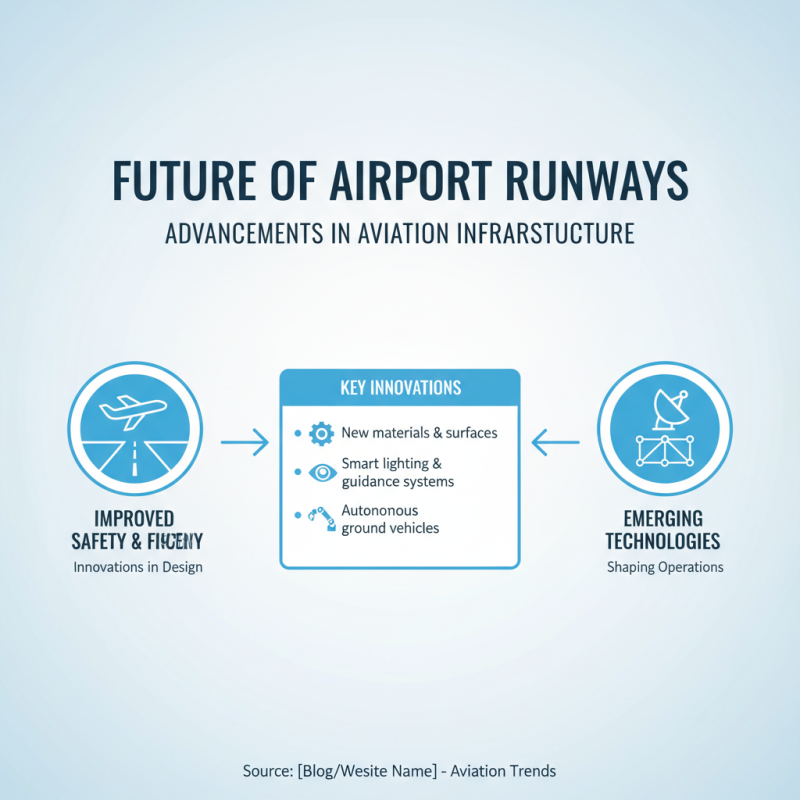
Airport runways are critical for aviation. With innovations in runway design, safety and efficiency can be improved. Emerging technologies are shaping the future of airport operations.

One notable trend is the use of smart materials in runway construction. These materials can adapt to weather conditions, enhancing grip during rain or snow. Additionally, sensors embedded in the runway can monitor structural integrity in real-time. It’s exciting, but maintenance remains a challenge. Regular checks are necessary to ensure these systems function optimally.

Another development is autonomous runway management systems. These systems can optimize landing and takeoff sequences. They aim to reduce delays and increase traffic capacity. Still, the reliance on technology raises questions about cybersecurity. With such innovations, balancing safety and efficiency is essential. The road ahead is promising but requires careful navigation.

FAQS

: What is the main purpose of this product?

: The product aims to improve daily routines or enhance personal well-being. It helps users achieve specific goals.

How often should I use it for best results?

Regular use is recommended, ideally daily. Consistency can lead to better outcomes over time.

Are there any side effects?

Some users may experience minor discomfort initially. It's essential to listen to your body and adjust as necessary.

Can this product be used by everyone?

While many can benefit, individuals with specific health concerns should consult a professional first.

How do I know if it's effective for me?

Track changes in your daily life or well-being. Reflect on any improvements or challenges you encounter.

Is there a return policy if I'm not satisfied?

Yes, there is typically a return policy in place. Review the guidelines carefully to understand your options.

How should I store the product?

Keep it in a cool, dry place. Avoid extremes in temperature or humidity to maintain its quality.

Where can I find instructions for use?

Instructions are usually included with the product. If lost, look for them online or request them directly.

What if I forget to use it one day?

Missing a day is common and okay. Just resume usage the next day without stressing too much.

How do I clean or maintain it?

Follow the care instructions provided. Regular maintenance helps ensure its longevity and effectiveness.

Conclusion

Airport runways are essential to the efficient management of air traffic, serving as the primary infrastructure for aircraft takeoffs and landings. The design of a runway plays a crucial role in optimizing aircraft performance and ensuring safety during these critical phases of flight. Factors such as runway length directly influence the distances required for takeoff and landing, while the choice of surface material affects the durability and resilience of the runway against various weather conditions.

Furthermore, statistics related to runway capacity highlight its significant impact on flight schedules and overall operational efficiency. Adhering to regulatory standards for runway construction and maintenance is vital to sustaining safety and performance. As aviation technology evolves, emerging innovations in runway design and operation promise to enhance efficiency, safety, and sustainability, further underscoring the importance of airport runways in the future of aviation.


Blog Tags:

Isabella

Isabella

Isabella is a dedicated marketing professional at Jiujiang Beihai Fiberglass Co., Ltd. (Project Four), specializing in promoting the company's diverse range of high-quality fiberglass products. With a deep understanding of the industry and a passion for innovation, she plays a vital role in driving......
Previous Innovative Approaches for Utilizing Basalt Cleavage in Modern Applications