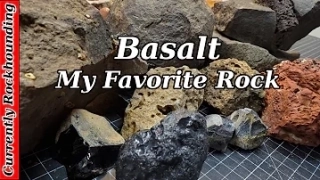
Looking into what’s called 'Basalt Cleavage' really highlights some pretty cool properties that are important both in nature and industry. Basalt, being such a fascinating natural resource, has some standout features — like excellent thermal stability, tough mechanical strength, and resistance to corrosion. These qualities make it super useful across a bunch of fields, from Construction and aerospace to automotive manufacturing. If you check out recent industry reports, you'll see the global market for basalt fiber is expected to hit around USD 2.07 billion by 2026, growing at a CAGR of about 9.6%. That’s mainly because people are looking for lightweight, high-performance materials more and more. Companies like China Beihai Fiberglass Co., Ltd. are really pushing the envelope here, focusing on researching, developing, and producing top-quality basalt continuous fibers and the equipment needed to make them. Their dedication to advancing basalt fiber tech just shows how much potential there is in this field — totally underscoring why understanding things like basalt cleavage is so important if we want to unlock all the good stuff basalt can offer.
Understanding Basalt Cleavage: Definition and Characteristics
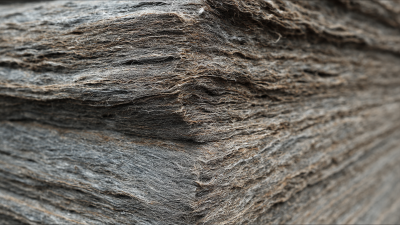
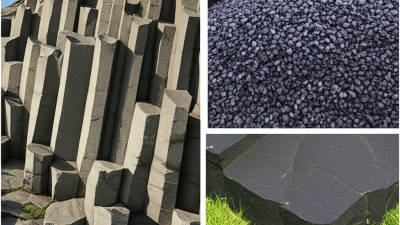
So, when people talk about basalt cleavage, they’re really referring to the way this volcanic rock tends to break along certain planes — kind of like it has its own natural groove. This happens because of the mineral makeup and how the lava cools down. When it solidifies, basalt forms these cool, straight columns that make it break pretty cleanly and predictably. Not only does this give it a really eye-catching look, but it also makes basalt super practical — no wonder it’s a go-to material both in nature and in construction.
If you're thinking about using basalt for a project, it’s a good idea to look for chunks with clear, well-defined cleavage. That’ll make them easier to handle and help give you a nicer finish. Plus, basalt's pretty tough when it comes to heat, so it’s perfect for stuff involving high temperatures.
Getting to know how basalt cleaves can really come in handy, whether you're into landscaping or industrial work. For instance, the natural, rugged appearance of cleaved basalt makes it perfect for adding some striking features in a garden. And in the industry, its ability to be cut precisely means it’s great for architectural details, paving stones, or even sculptures — showing off just how versatile this volcanic rock can be.
Natural Occurrences of Basalt Cleavage in Geological Formations
You know, basalt cleavage is honestly really fascinating when you think about how it shapes our natural landscapes. Take Arches National Park, for example — those iconic rock formations owe a lot to the unique patterns of basalt cleavage. They give the landscape so much character, with water constantly working on the rocks over time, carving out those stunning cliffs and one-of-a-kind geological features. It’s not just about how it looks, though — these basalt formations actually help scientists piece together Earth's history. Recent studies, like those from the University of Utah’s geology folks, show that the patterns of erosion and change in basalt can tell us a lot about ancient environmental conditions, which is pretty incredible if you ask me.
Pro tip — if you’re into exploring geological wonders, try venturing off the beaten path. Places like Pictured Rocks National Lakeshore are absolutely breathtaking, especially the way water has carved those vibrant sandstone cliffs over the years. Just a heads-up though: safety first! Be cautious when navigating rocky areas or doing hikes; sticking to marked trails not only keeps you safer but also helps you soak in all the beauty without worries.
Getting up close with formations like basalt isn't just a cool experience — it can also spark ideas for industries like construction and landscaping. Knowing their properties can inspire more natural and sustainable design choices. Plus, for eco-friendly building projects, incorporating basalt-inspired designs is a smart move — it’s good for the planet and looks pretty awesome too.
Industrial Applications of Basalt Cleavage: Benefits and Uses
You know, basalt cleavage is pretty fascinating — it’s that natural layered split in basalt rocks that’s caught the attention of lots of industries lately. What’s really cool is how these natural lines make it way easier to split the rock into chunks, which is a big plus for construction, roads, or even making high-tech composite materials. Plus, because it splits so nicely, companies can save some cash while still getting a tough, good-looking material.
And here’s the deal: using basalt isn’t just about the perks on the business side; it’s actually pretty eco-friendly too. Unlike lots of synthetic stuff, basalt is super plentiful and doesn’t need a ton of energy to process. That’s a win for reducing carbon emissions. A lot of industries are also using it for insulation because it’s great at keeping heat in — which means better energy efficiency for buildings.
Heads-up: Always double-check that your basalt is coming from certified suppliers—that way you know you’re getting quality stuff and supporting sustainable practices. It’s also worth looking into the local geology; understanding that can really help you maximize how you use basalt in your projects. And if you can, opt for recycled basalt materials—doing so can give your work an extra eco-friendly boost.
Comparative Analysis: Basalt Cleavage vs. Other Rock Cleavage Types
Whenever you're diving into the interesting world of basalt and its unique cleavage properties, it's pretty useful to compare it with other types of rock cleavages. So, basalt is formed from volcanic lava that cools super quickly, and it has this cool, almost columnar jointing pattern that really stands out. Unlike sedimentary rocks, which tend to fracture in more irregular ways, basalt's clean, structured look makes it popular in landscaping and architecture. Plus, this characteristic isn’t just for show—it actually influences how it performs in construction, especially when strength and durability are key.
Now, if you compare basalt to other rocks like granite or schist, you'll notice that basalt generally has a more uniform and cleaner cleavage. That makes it easier to work with, whether you're shaping it or installing it. Knowing these differences can really help you pick the right material for your project.
Quick tip: Always keep in mind what you’re actually gonna use the rock for. For structural work, basalt’s solid cleavage and good looks make it a great choice. But for decorative stuff, maybe other stones with more complex or eye-catching cleavage patterns are better suited.
Another thing worth considering is the thermal and mechanical properties of the rocks you're looking at. Getting a good grip on those details will help you pick something that’ll last—especially in tougher environments. Ultimately, choosing the right material can make a real difference, not just in how it performs but also in how good it looks once everything’s finished.
Techniques for Analyzing and Utilizing Basalt Cleavage in Manufacturing
You know, basalt cleavage—basalt being that volcanic rock you see everywhere—has some really interesting potential in a bunch of industrial uses. To understand this natural feature better, researchers often use techniques like scanning electron microscopy and X-ray diffraction. These methods help uncover the internal structure and fracture patterns that make basalt unique. Interestingly, according to the International Journal of Rock Mechanics and Mining Sciences, basalt’s tensile strength is about 10-20% higher than granite’s. That’s a pretty big deal, especially when you’re thinking about building stuff in high-stress environments where durability really matters.
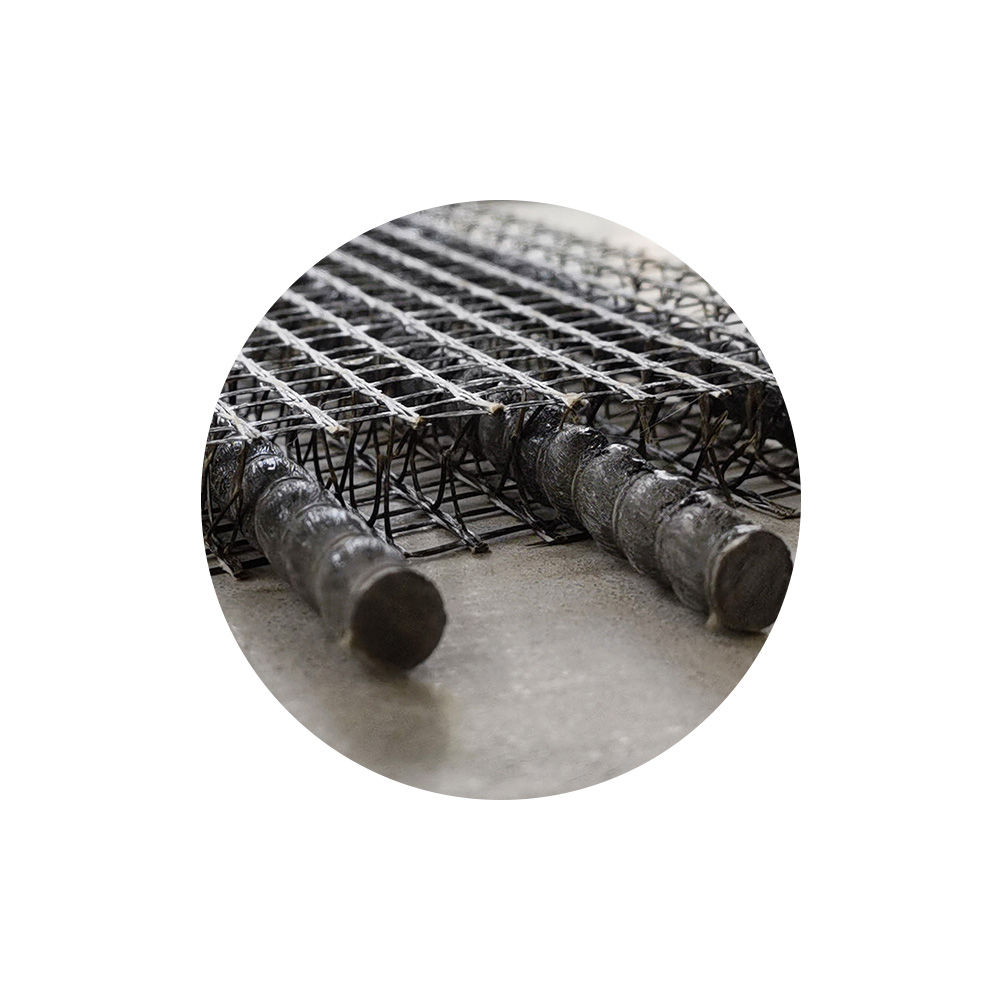
In manufacturing, people are finding creative ways to make the most of basalt’s cleavage. For example, basalt fiber composites are gaining popularity because they take advantage of its solid mechanical properties. And get this—research from MarketWatch estimates that the global market for basalt fibers could hit around $320 million by 2026. It’s mainly being used in automotive, construction, and aerospace industries these days. Plus, basalt isn’t just about strength—people are also exploring its use in soundproofing panels and thermal insulation, which really shows how versatile this material is. All these developments really highlight how we’re trying to make the most of basalt’s natural features in a sustainable way.
Analyzing the Cleavage Strength of Basalt in Various Industries
This chart displays the cleavage strength of basalt in different industry applications, demonstrating its versatility and utility in various sectors.
Future Innovations: Advancements in Basalt Cleavage Research and Applications
Lately, there's been some pretty exciting progress in basalt cleavage research, and honestly, it’s opening up a lot of cool possibilities across different industries—especially in construction and making composite materials. What’s really interesting is how basalt fibers are standing out because they’re super strong, handle heat well, and resist chemical corrosion. It's no wonder that more researchers and manufacturers are taking notice. Companies like China Beihai Fiberglass are pushing the boundaries by developing high-performance, continuous basalt fibers, which could lead to more sustainable building materials and industrial uses down the line.
Looking ahead, upcoming breakthroughs in how we fracture and process basalt are expected to make these fibers even better—more versatile and durable. Scientists are working on refining production methods and discovering new ways to use basalt fibers, maybe even in aerospace or automotive sectors. It’s pretty exciting because not only do these innovations help us develop cutting-edge materials, but they also fit well with the push for sustainability since basalt is so abundant and eco-friendly. All in all, it’s a fascinating time for this field, and things are only going to get more interesting!
Advancements in Fire Safety: The Role of High Performance Basalt Fiber Fireproof Fabric in Reducing Fire Risks
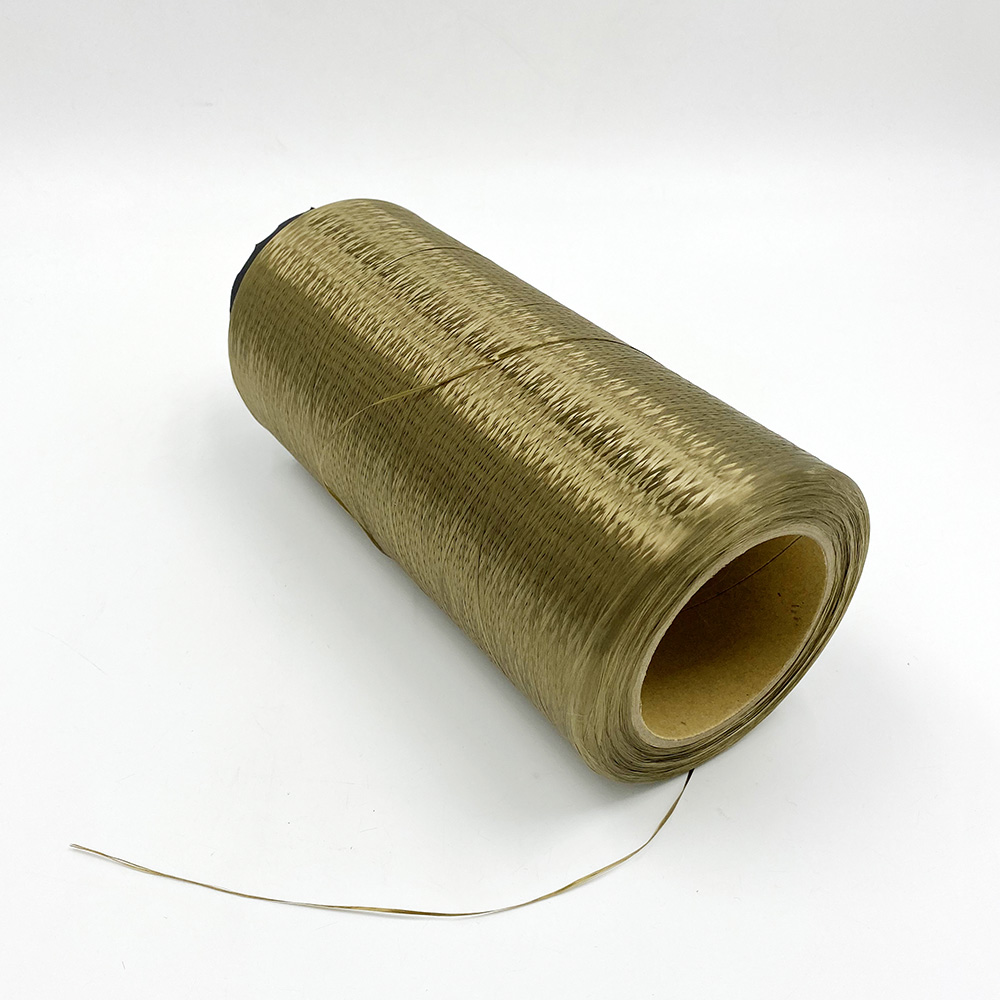
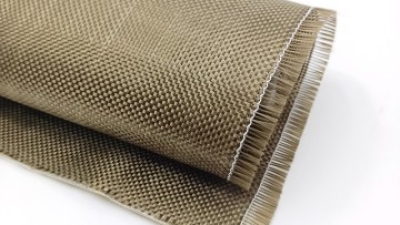
Fire safety is a critical concern in various industries, and advancements in materials technology are playing a significant role in mitigating fire risks. One such innovation is the use of high-performance basalt fiber fireproof fabric. This advanced material, crafted from continuous basalt yarn, is inherently non-combustible and exhibits remarkable high-temperature resistance, making it an ideal choice for fireproof clothing and curtains. The fabric's fibers, with diameters ranging from 5.5 to 9 micrometers, contribute to its strength and durability, ensuring that it can withstand extreme conditions without compromising safety.
The unique properties of basalt fiber fireproof fabric extend beyond mere fire resistance. Its ability to resist thermal shrinkage and insulate against heat adds an extra layer of protection for both workers and property. Additionally, the absence of toxic gas emissions during combustion ensures a safer environment in the event of a fire. This combination of benefits makes basalt fiber fabric not only a smart choice for protective gear but also a vital component in designing fire safety solutions across various sectors, including construction, manufacturing, and textiles.
FAQS
: Basalt cleavage refers to the unique way basalt rock can break along specific planes due to its mineral composition and the cooling process of lava, forming structures that facilitate clean breaks.
It is important because pieces of basalt with well-defined cleavage are easier to handle and provide a more aesthetically pleasing finish, as well as thermal stability for high-temperature applications.
Cleaved basalt is commonly used in landscaping for garden features, and in industrial applications for precision cutting in architectural design, paving, and sculptures.
Recent advancements include innovations in basalt fiber properties, such as high strength and chemical resistance, leading to increased interest in their applications in construction and composites.
Companies like China Beihai Fiberglass Co., Ltd. are developing high-performance basalt continuous fibers, which enhance the potential for new sustainable materials in various industries.
Future applications being explored include expanding their use in fields such as aerospace and automotive industries, as research focuses on improving production processes.
Basalt is abundant and natural, aligning with global sustainability goals, making it a preferred choice for developing advanced materials.
The cooling process of lava leads to the formation of prismatic columns in the rock, which facilitate the unique breaking characteristics of basalt.
One should look for basalt pieces with well-defined cleavage to ensure ease of handling and enhance the visual appeal of the landscaping feature.
Basalt fibers are known for their high strength, thermal stability, and resistance to chemical corrosion, making them desirable for various industrial applications.
Conclusion
So, I came across this article called "Discovering the Unique Properties of Basalt Cleavage in Nature and Industry," and honestly, it’s pretty fascinating. It dives into what makes basalt cleavage so special and how it’s actually used in the real world. It all starts with explaining what basalt cleavage is and highlighting its key features. After that, the article takes you on a journey through where you can find basalt cleavage naturally—like in different geological formations—and why that’s actually pretty important for understanding Earth’s structure. But it doesn’t stop there. The piece also gets into how industries are making use of basalt cleavage, especially with basalt fiber, which has tons of advantages in a bunch of sectors, especially where high-performance materials are needed.
There’s even a part where they compare basalt cleavage to other types of rock cleavage, just to show what makes it stand out and why it’s so beneficial. They also talk about the methods used in analyzing and applying basalt cleavage in manufacturing, which is really setting the stage for future innovations. Oh, and by the way, China’s Beihai Fiberglass Co., Ltd. is really leading the charge here. They’re using their expertise to push forward the development of high-quality basalt continuous fiber and the equipment needed for it, helping to boost the recognition of basalt cleavage’s huge potential.
All in all, it’s a pretty thorough and engaging look at how this natural feature is making waves both in nature and in industry—definitely worth a read if you’re into geology or materials science.