The 139th Canton Fair, happening in April 2026, is shaping up to be pretty exciting, especially with all the cool innovations across different sectors. One thing that’s really catching everyone's attention is Architectural Applications. It’s definitely a hot topic for architects and designers. Companies in the architecture world will be showcasing the latest materials and tech — stuff that can really make the design process smoother and buildings more efficient.
Now, getting around this massive exhibition space — we're talking about 1.55 million square meters — can feel a bit overwhelming at first. Luckily, they’ve introduced AI-powered search and navigation tools, which makes a huge difference. You can quickly find vendors that have specific certifications like ISO and CE without wasting hours hunting around. This tech really helps save time and makes the whole experience much more manageable.
That said, even with all these amazing advancements, it’s not all smooth sailing. Not every solution will fit every project — some displays might look great but not be entirely practical for real-world use. So, it’s really important for attendees to think critically about what they see, making sure they choose what’s best for their own projects. All in all, the fair’s not just a place to discover new stuff but also a great opportunity to reflect and make smarter decisions when it comes to architecture and design.
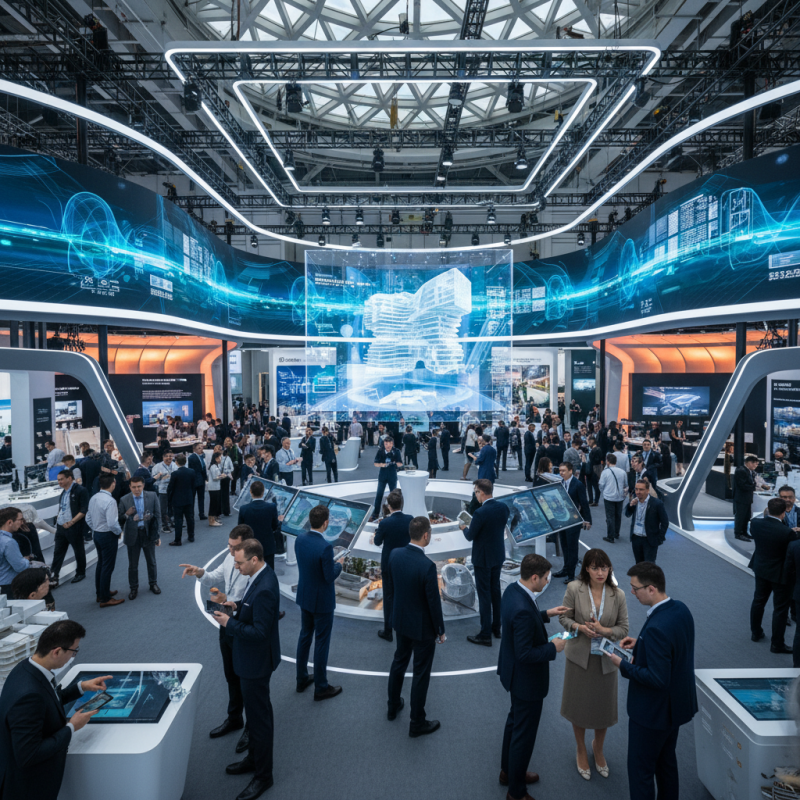
Overview of the 139th Canton Fair and Its Importance in Architecture
The 139th Canton Fair is a pivotal event in the architecture sector. With over 25,000 exhibitors, it showcases the latest trends and innovations in Building Materials, design technologies, and sustainable practices. Reports indicate that the fair attracts over200,000 visitors, making it a melting pot of ideas and opportunities. This rich tapestry of architectural creativity is vital for professionals seeking inspiration and collaboration.
For architects and designers, timely engagement at such events can lead to impactful partnerships. Networking opportunities abound at the fair. The statistics show that 70% of attendees return with valuable contacts. Engaging with peers and industry leaders sparks new ideas and methods.
Tips: Attend seminars to learn about emerging technologies in architecture. Exploring different booths can unveil unexpected insights. Keep an open mind to discover innovations that challenge traditional designs. Reflect on what could have been better in past events. Analyzing previous experiences can improve future participation. Connecting with diverse exhibitors can lead to innovative solutions.
Key Architectural Innovations Showcased at the Fair
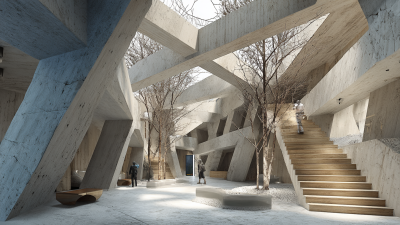
At the 139th Canton Fair, a range of innovative architectural designs captured the attention of visitors. One noticeable trend was the focus on sustainability. Many exhibitors showcased materials that reduce carbon footprints. These elements challenge traditional methods, prompting discussions about eco-friendly options in the Construction industry.
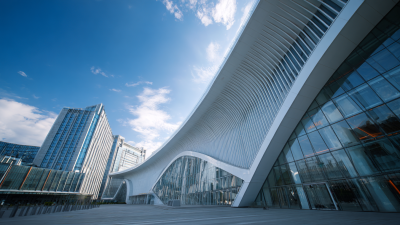
Architectural Facades were a prominent feature. Unique designs and textures made these structures visually engaging. Some facades used natural stones, reflecting a blend of technology and nature. Yet, questions arose about the durability of some innovative materials. While they appear stunning, will they withstand time and weather? This is a significant point for future architects to consider.
Additionally, smart building technologies were prominent. Automation systems showcased the future of living and working spaces. However, reliance on technology raises concerns over accessibility. Not every builder or homeowner can adopt these advanced solutions instantly. Ensuring everyone can benefit from architectural advancements is a challenge that remains. These reflections highlight the balance between progress and practicality in architecture.
Top 10 Architectural Applications at 139th Canton Fair
Top Trends in Architectural Design from the Canton Fair
The 139th Canton Fair showcased impressive architectural designs reflecting current trends. A noticeable focus was on sustainable materials. Many exhibitors emphasized eco-friendly options. These materials aim to reduce environmental impact while offering aesthetic appeal. Natural stones, recycled metals, and green composites were frequently highlighted.
Smart technology integration emerged as another significant trend. Many designs incorporated automation for improved functionality. Smart lighting, climate control, and security features were prevalent. These innovations enhance user experience but sometimes raise concerns about privacy and security. Balancing technology with personal space remains a challenge.
Another trend was adaptability in design. Modular structures gained attention for their flexibility. They can be customized to meet changing needs. Yet, this approach invites reflection on the permanence of traditional architecture. Is temporary design sustainable in the long term? The fair ignited discussions about innovation and its implications for the future of architecture.
Prominent Exhibitors and Their Contributions to Architectural Solutions
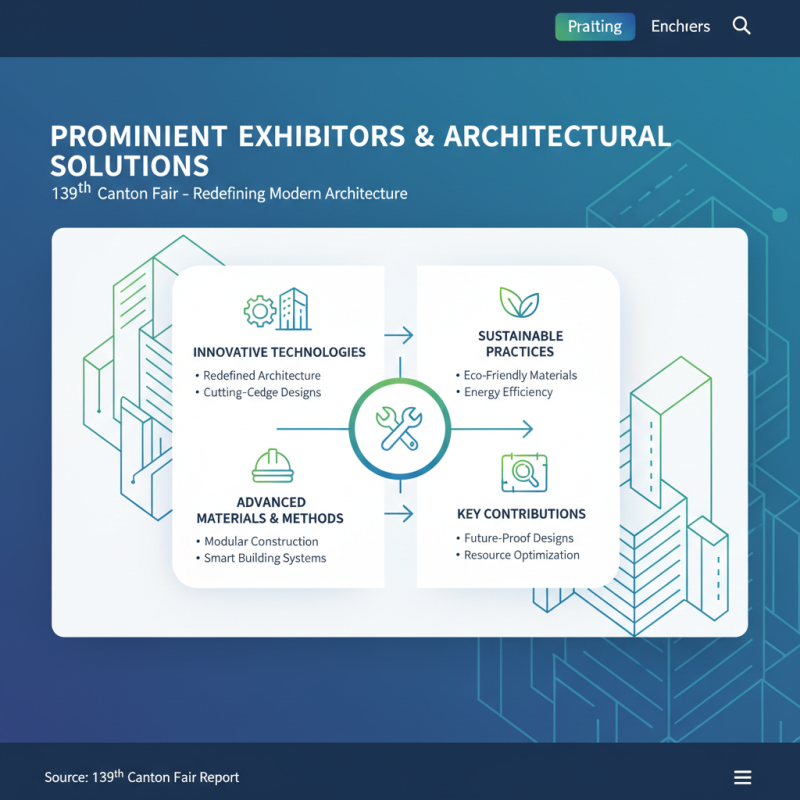
The 139th Canton Fair showcased a variety of innovative architectural solutions. Prominent exhibitors introduced technologies that redefined modern architecture. Their contributions highlighted sustainable practices and cutting-edge designs. Many displayed the latest advancements in materials and construction methods.
Focusing on details is crucial. One company showcased unique materials designed for Thermal Insulation and soundproofing. Another exhibitor emphasized modular construction techniques, which could streamline project timelines. Some presenters even highlightedAerospace Applications, pushing boundaries between construction and aviation technology.
Tips for visitors: Pay attention to the integration of technology in architectural displays. Look for examples where design meets functionality. Not every idea is flawless; some prototypes need further refinement. Engage with exhibitors to understand their challenges and successes in design. This approach can enhance your own projects and inspire creative solutions.
Impact of Sustainable Architecture on Industry Practices
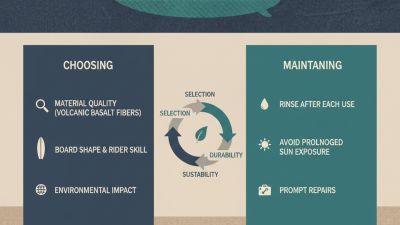
Sustainable architecture is reshaping industry practices. By reducing waste and conserving resources, it promotes a healthier environment. Materials like Basalt Fiber Applications are gaining attention. These fibers are durable and environmentally friendly. They offer strength without significantly impacting the ecosystem.
Many architects face challenges in adopting sustainable methods. Limited knowledge and resources can hinder progress. Some designs lack flexibility for incorporating new materials. Without education, outdated practices persist. Industry events, like the Canton Fair, play a key role in addressing these gaps. They showcase innovative solutions, encouraging dialogue and collaboration.
The impact of sustainable architecture extends beyond design. It prompts a shift in industry standards. Buildings increasingly focus on energy efficiency and reduced carbon footprints. Yet, implementing these changes requires mindful consideration. As more architects embrace sustainability, the potential for industry transformation becomes clearer. The journey is ongoing, and improvement is always possible.
Networking Opportunities for Architects at the Canton Fair
The 139th Canton Fair is an exciting platform for architects. It offers extensive networking opportunities. Architects can connect with peers and industry leaders. Engaging in discussions can spark new ideas. These interactions often lead to partnerships. Shared experiences can prove invaluable.
While exploring innovative architectural applications, architects should be mindful of their goals. Are they seeking inspiration or collaboration? The fair is bustling, which can feel overwhelming. Attendees might miss key networking moments. It's essential to plan ahead and prioritize specific connections.
In this environment, it’s easy to get lost in the crowd. Not every interaction will lead to immediate results. Some conversations might seem unproductive at first. However, each connection has potential. Building relationships takes time and effort. A thoughtful approach can help architects navigate the myriad opportunities available.
Future Prospects for Architecture Post-Canton Fair Insights
The architectural landscape is evolving rapidly, especially after events like the 139th Canton Fair. It showcases innovative designs. Numerous trends and technologies emerge, shaping future prospects for architecture. More professionals are exploring sustainability. They seek to integrate eco-friendly materials in their projects. Basalt fiber roving applications are gaining traction. This material offers strength and durability without heavy environmental costs.
Networking at trade fairs is essential. It helps architects discover cutting-edge solutions. Attendees often overlook the importance of engaging with materials. Understanding their properties can lead to better decision-making and project outcomes. The fair provides a platform for such interactions. However, many still default to traditional materials. This resistance can stifle creativity and innovation.
Consider embracing new technologies and methods. Experimentation might seem risky, but it can lead to groundbreaking results. Designers should not shy away from exploring less conventional materials. While the familiar feels safe, the future belongs to those who dare to innovate. Inspiration often arises from unexpected sources at events like the Canton Fair. Keep an open mind, and remember that the architecture of tomorrow depends on today’s choices.
FAQS
: Sustainability was a major focus, with materials aimed at reducing carbon footprints showcased prominently.
They featured unique designs and textures using natural stones, blending technology and nature.
While visually appealing, concerns exist about the long-term durability of some showcased materials.
They represent the future of living and working spaces, enhancing automation and user experience.
Accessibility concerns arise since not all builders or homeowners can easily adopt these advanced solutions.
Planning ahead and prioritizing connections can help architects navigate the bustling environment and avoid feeling overwhelmed.
They should decide if they seek inspiration or collaboration, guiding their interactions effectively.
Understanding new materials at the fair can improve project outcomes but many stick to traditional choices.
Embracing new methods might seem risky, yet it can lead to groundbreaking results and creativity.
An open mind is essential; today’s choices will shape the architecture of tomorrow.
Conclusion
The 139th Canton Fair serves as a significant platform for showcasing cutting-edge architectural applications that shape the future of design and construction. This event highlights key innovations and trends in the industry, emphasizing sustainable architecture's crucial role in modern practices. Prominent exhibitors present a range of architectural solutions, fostering discussions around the integration of sustainability and technology in building design.
Networking opportunities abound for architects at the Canton Fair, allowing professionals to exchange ideas and build valuable connections that can propel their projects forward. As the fair concludes, it offers insights into future prospects for architecture, underscoring the importance of staying abreast of emerging architectural applications to remain relevant in a rapidly evolving landscape.