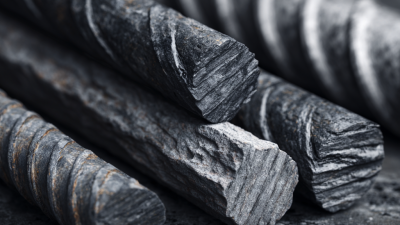
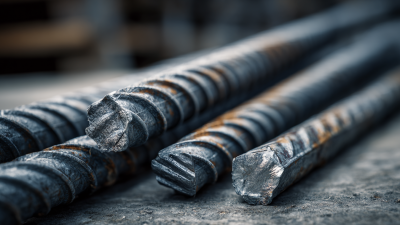
You know, when it comes to construction, it's all about pushing for innovation—making things more efficient and sustainable. One material that's really been catching attention lately is Basalt Rebar. It's made from volcanic rock, and honestly, it's pretty impressive — lighter than steel but just as tough when it comes to tensile strength.
Now, using Bfrp Rebar Rod Basalt Rebar isn’t without its bumps. A lot of engineers aren’t super familiar with it yet, so I get why some might be a bit hesitant to jump on board. There’s always that bit of uncertainty about how well it really performs. But honestly, the perks are pretty clear—resists corrosion, it's lighter, and it lasts longer.
Adding Basalt Rebar to your projects could really make a difference. Just a heads-up, though: getting everyone up to speed with the right installation techniques is key to unlocking its full potential. Once you've got that down, you'll be amazed at how it can elevate your work to new levels.
Understanding Basalt Rebar: Properties and Benefits
Basalt rebar is gaining attention in construction. Its unique properties make it an attractive alternative to Steel Reinforcement. This material, made of basalt fibers, is known for its high tensile strength and lightweight nature. Reports indicate that basalt rebar has a tensile strength ranging from 600 to 800 MPa. This is much higher than conventional steel rebar, which can reach around 400 MPa.
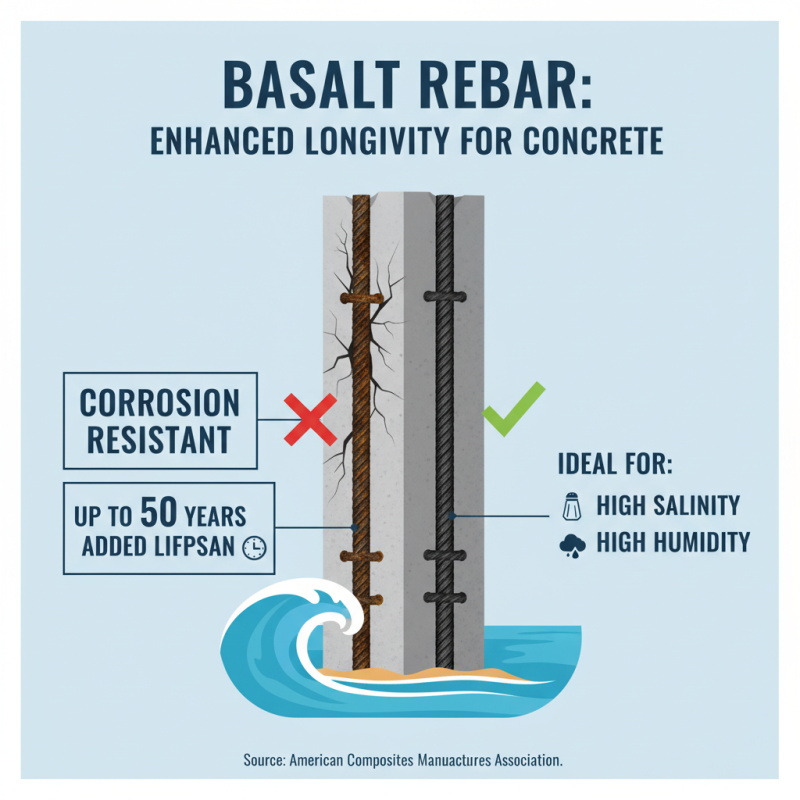
Corrosion resistance is another significant benefit. Unlike steel, basalt rebar does not rust when exposed to moisture. This makes it an ideal choice in harsh environments. A study by the Global Construction Research Institute highlighted that structures reinforced with basalt rebar can last up to 40% longer than those using traditional materials. However, one must consider the initial cost. Bfrp Rebar Rod Basalt Rebar Per Ton can be pricier than steel options. It requires careful budgeting and planning.
While the benefits are clear, there are challenges too. The installation process may not be as straightforward as with traditional rebar. Construction teams must be properly trained. Furthermore, the long-term performance data is still limited. Future research will help outline its durability in various conditions. Balancing these positives and negatives is crucial when considering basalt rebar for construction projects.
Choosing the Right Type of Basalt Rebar for Your Project
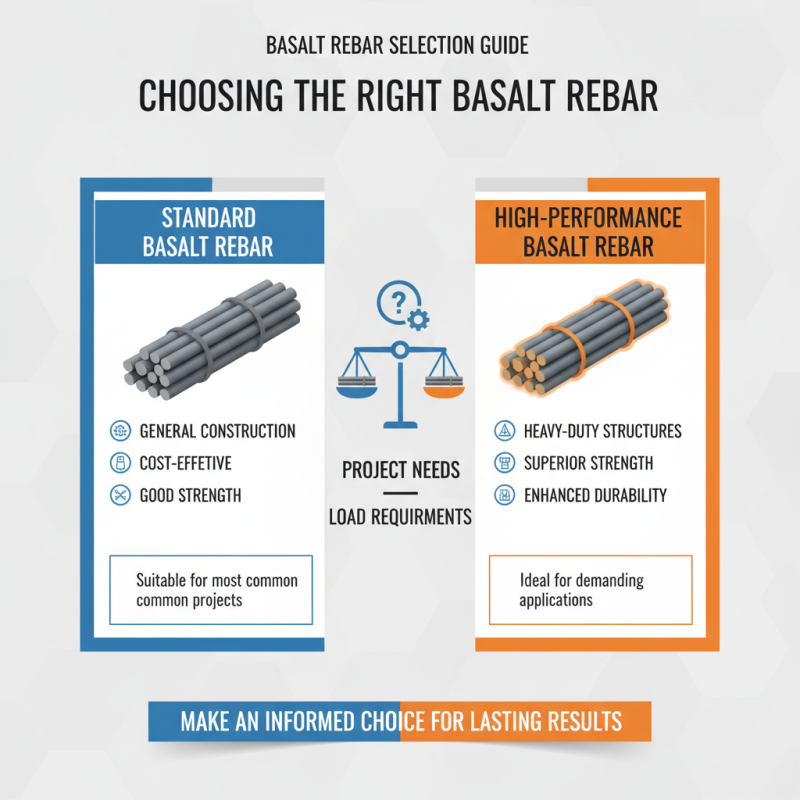
When selecting basalt rebar for your construction project, it’s essential to understand the types available. Common options include standard and high-performance basalt rebar. Each type has its advantages and limitations based on the specific needs of the project. Understanding these differences can help you make the right choice.
Tips: Consider the environmental factors your project will face. High humidity, for instance, demands materials that stand up to these conditions. Corrosion resistant BFRP rebar is an excellent choice for such scenarios. It provides durability and longevity. Look at the specific requirements of your structure before making a selection.
Another important aspect is the weight of basalt rebar. It is generally lighter than steel, which can be an advantage. However, make sure the rebar can handle the tension and load. You might find that some options don’t meet your expectations in real-world applications.
Always consult with professionals if you’re unsure. There’s a learning curve with basalt rebar, and it's okay to seek advice. Remember that the right type of basalt rebar can enhance the strength of your construction project significantly.
Preparing the Construction Site for Basalt Rebar Installation
Preparing a construction site for the installation of basalt rebar involves several key steps. Start by conducting a thorough site assessment. Assess soil conditions, drainage, and any existing structures. According to the National Association of Corrosion Engineers, more than 25% of concrete structures experience corrosion failures. Therefore, understanding the environment is crucial to ensure longevity.
Next, clear the site of debris. This includes removing any old materials or vegetation that might hinder installation. A clean work area improves safety and efficiency. Studies show that proper site preparation can reduce construction time by as much as 30%. Ensure that all equipment is in good condition. Any malfunction can delay the project and increase costs.
Finally, familiarize your team with basalt rebar properties. Basalt rebar is lighter and often more durable than traditional steel rebar. Yet, it can require adjusted handling techniques. Misunderstanding material strengths may lead to improper usage. Training on the specific needs of basalt can prevent costly mistakes down the line. Consider all these factors carefully to set the stage for successful installation.
Step-by-Step Guide to Installing Basalt Rebar
Installing Basalt Rebar in construction projects can be a game changer. Basalt rebar offers a lighter weight compared to traditional steel but maintains high tensile strength. This unique material shows a 30% improvement in tensile strength over conventional rebar, which is significant when planning structural integrity.
Begin by preparing the work area. Ensure all tools needed for installation are on hand. Measure and cut the basalt rebar according to project specifications. Remember, proper measurement is crucial. Miscalculation can lead to weak spots in the structure. When fastening the rebar, use appropriate tie types. Improper connections may affect the overall stability.
After placement, check the alignment carefully. A slight misalignment can lead to serious structural issues. Basalt rebar has a corrosion resistance of over 100 years, making it ideal for harsh environments. However, ongoing assessments are necessary to ensure the rebar maintains its integrity over time. Building with basalt rebar is promising, but continuous improvement and adjustment are keys to success.
Techniques for Properly Securing Basalt Rebar in Concrete
Securing basalt rebar properly is crucial in construction. First, assess the project needs before placement. Basalt rebar is lighter and more flexible than traditional steel, which can lead to unique challenges. Make sure to use adequate spacing and ensure it complies with local building codes.
When installing, pay close attention to the anchoring process. Use tie wire or clips designed for non-metallic rebar to keep pieces in place. These methods help prevent movement during concrete pouring. Yet, it can be tricky to secure them tightly without crushing the rebar. If you're uncertain about strength or stability, consider consulting seasoned professionals.
After installation, check for any visible gaps or misalignments. It's easy to overlook these details in the excitement of a project. Adjustments often require extra time, but the effort pays off in durability. Always reflect on your methods, as refining techniques leads to better results over time.
Usage of Basalt Rebar in Construction Projects
Best Applications of Basalt Rebar in Construction Projects
Basalt rebar offers unique advantages in various construction projects. It is lightweight, resistant to corrosion, and has excellent tensile strength. These traits make it suitable for different applications. It can be used in road construction, as well as in building frameworks. The use of Basalt Fiber Rebar in highway bridges demonstrates its capability to enhance durability.
In retaining walls and concrete slabs, basalt rebar helps reduce the risk of cracking. When embedded in concrete, its flexibility allows for some movement without compromising structural integrity. However, not all engineers prioritize this material. Some may overlook it due to familiarity with steel. This presents a challenge when advocating for innovative solutions. Not every project may benefit from basalt rebar, but understanding its potential is key.
Using basalt fiber rebar can be a learning experience. It requires adjustments in mixing concrete and setting up forms. Not every construction team is ready for such changes. Yet, embracing these new methods can lead to stronger, longer-lasting structures in the long run. Exploring its applications in residential projects can be worthwhile.
Maintenance and Longevity Considerations for Basalt Rebar
Basalt rebar has gained attention in construction projects due to its unique properties. Its resistance to corrosion is a major selling point. According to a study by the American Composites Manufacturers Association, basalt rebar can enhance the lifespan of concrete structures by up to 50 years. This makes it particularly appealing in environments with high salinity or humidity.
However, it’s essential to recognize that basalt rebar requires accurate installation and maintenance practices. Despite its strength, improper handling can lead to issues. Some contractors report challenges in ensuring the rebar fits well with existing concrete. Regular inspections are vital. Visual checks for signs of wear and tear can prevent costly repairs later.
Another consideration is compatibility with other materials. Basalt rebar must be paired correctly to avoid issues. For instance, when used with traditional concrete mixes, many users experience variations in bonding strength. This can be problematic. Research indicates that maintaining a consistent quality of mix can help mitigate these concerns. Balancing long-term durability with immediate performance remains a critical challenge in using basalt rebar effectively.
Conclusion
Basalt Rebar is an innovative construction material that offers several advantages over traditional steel rebar. This article explores the unique properties and benefits of Basalt Rebar, including its corrosion resistance, lightweight nature, and high tensile strength. By selecting the appropriate type of Basalt Rebar for specific projects and preparing the construction site adequately, builders can ensure optimal performance. The article provides a step-by-step guide for the installation process and highlights effective techniques for securely anchoring Basalt Rebar within concrete.
In addition to its installation, the article discusses the best applications for Basalt Rebar, showcasing its versatility in various construction projects. Finally, considerations for maintenance and longevity are addressed, ensuring that the benefits of Basalt Rebar are maximized over time. This comprehensive guide serves as an essential resource for construction professionals looking to incorporate Basalt Rebar into their projects.