Leave Your Message
0%

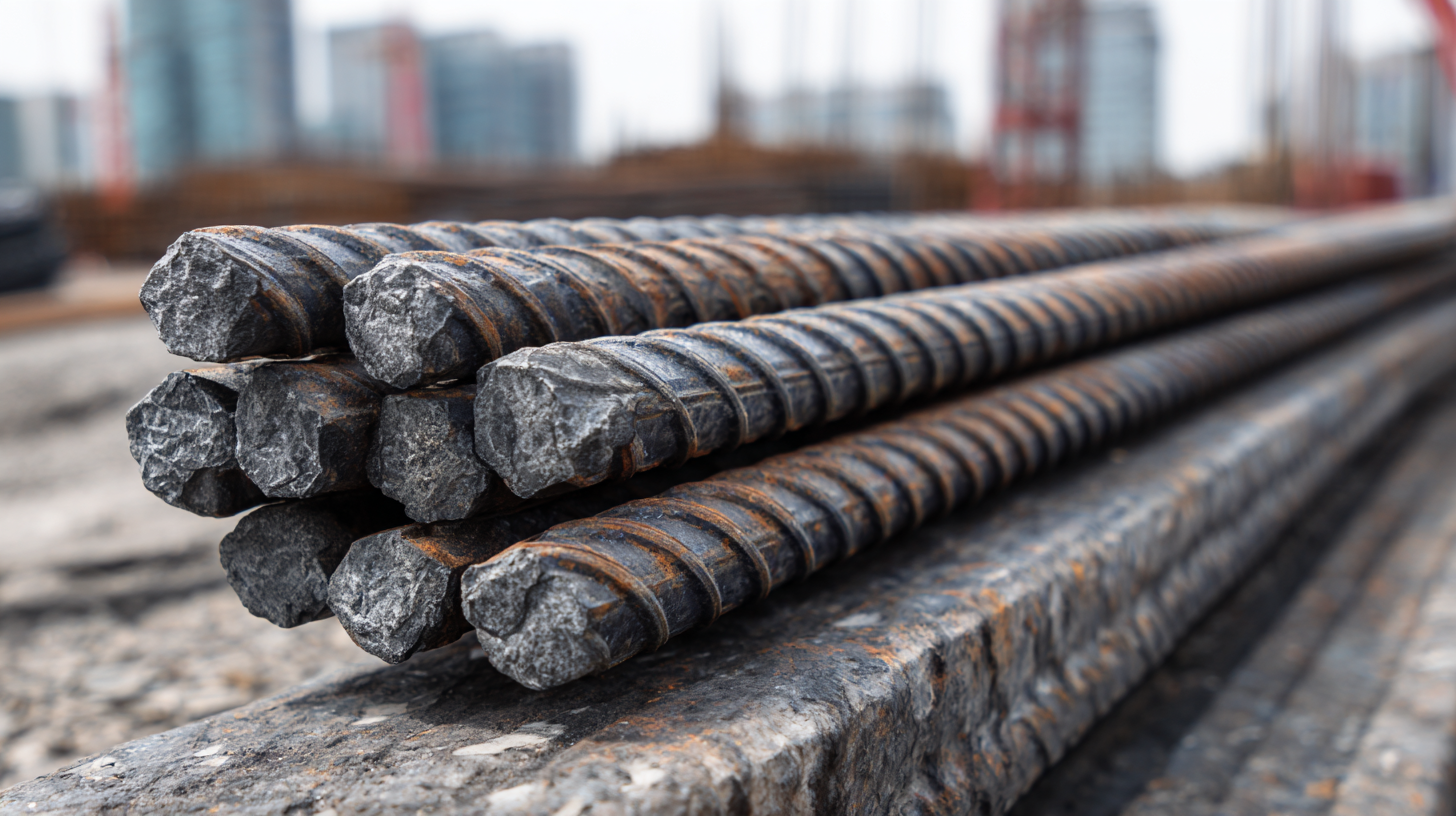
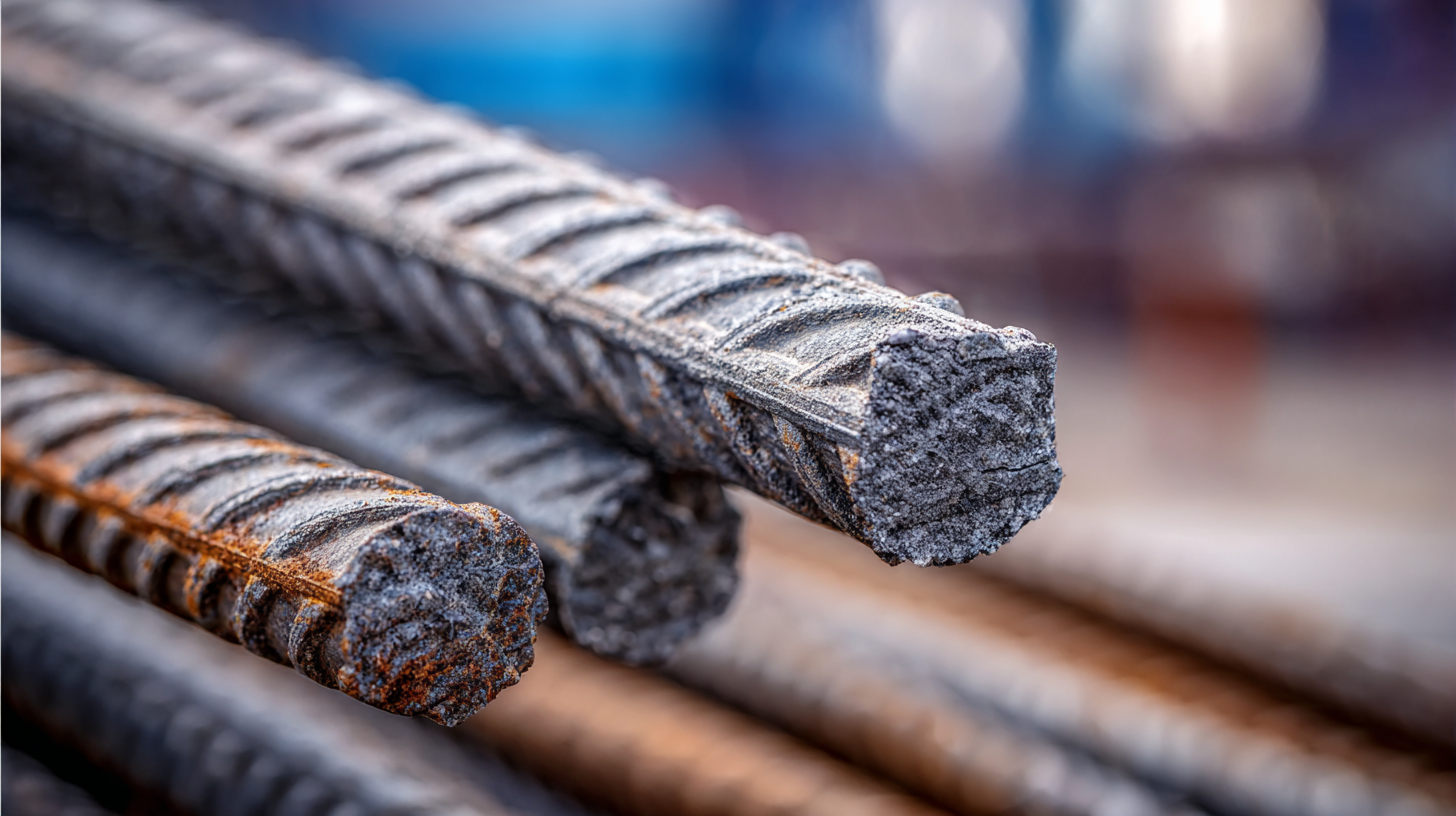
Lately, you've probably noticed that the Construction world is really shifting towards using more sustainable materials. These new options not only help make structures stronger but also cut down on environmental damage. One standout in this arena isBasalt Rebar, which is made from basalt continuous fiber. It's becoming a pretty popular alternative to the old steel reinforcement. I read somewhere—like in a report by Research and Markets—that the global market for basalt fiber is expected to grow by about 12.2% annually from 2021 to 2026. That's mainly because builders are looking for materials that last longer and resist corrosion better. Companies like China Beihai Fiberglass Co., Ltd.—a pretty innovative outfit focused on developing and making high-performance basalt fibers—are leading the charge here, especially inside China. What makes basalt rebar so appealing? Well, it’s lightweight, super strong in tension, and stands up well against chemicals. All of these qualities make it a fantastic choice for sustainable building projects today, don’t you think?
Advantages of Using Basalt Rebar in Modern Construction

Benefits of Basalt Rebar Over Traditional Steel Reinforcement

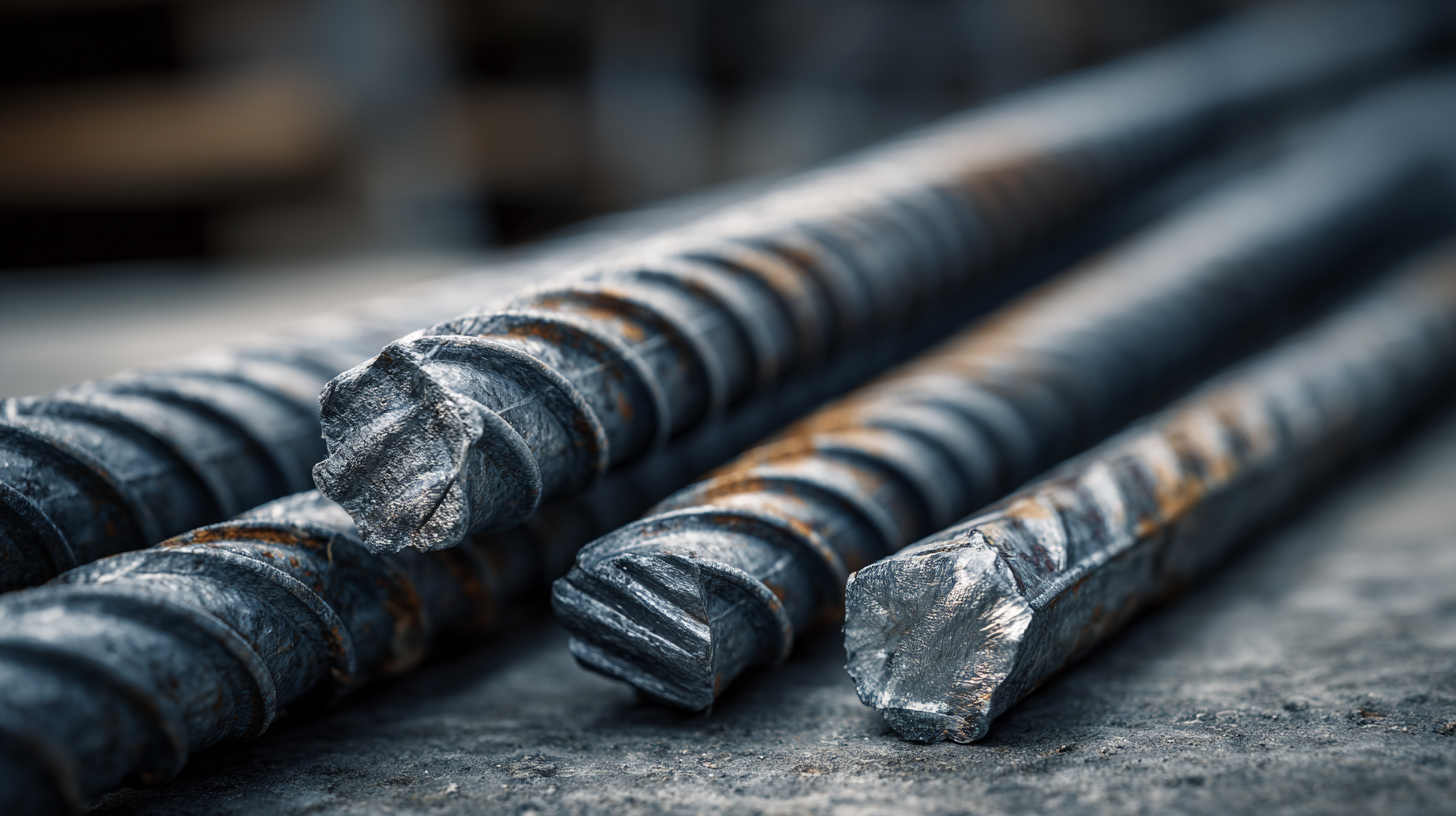
Using basalt rebar in modern buildings actually comes with quite a few advantages over the usual steel reinforcement. For starters, it's much lighter—like, significantly lighter—which can really cut down on transportation and installation costs. I’ve read that basalt fiber-reinforced polymer (FRP) bars can have about the same tensile strength as steel but are up to 80% lighter. That’s a game-changer for handling stuff on-site, honestly. Plus, their lower density means you can save weight in the overall design without losing any performance. Pretty neat, right?

Another big plus is how well basalt rebar holds up against the elements. Steel tends to rust and corrode when it’s exposed to moisture, chemicals, or harsh weather, but basalt rebar? It’s non-corrosive and super durable even under tough conditions. Research shows that basalt FRP can handle extreme temperatures and is resistant to alkalis and acids—so, basically, it’s built to last much longer. That means less maintenance over time, which is a big win for project budgets and schedules. Oh, and studies also show that concrete beams reinforced with basalt FRP behave really well when it comes to bending—they’re practically proving how versatile this material is in real-world construction. All in all, it’s an exciting option that offers a lot of practical benefits.

Durability and Corrosion Resistance of Basalt Rebar in Harsh Environments

When it comes to modern building projects, choosing the right materials is a big deal—especially when you need something that can handle tough environments and last a long time. Lately, basalt rebar has been gaining popularity as a great alternative to traditional steel rebar, mainly because of its impressive qualities. One of the coolest perks? It’s naturally resistant to rust and corrosion—which, let’s be honest, is a game-changer in places with lots of moisture, chemicals, or extreme temperatures. Unlike steel, basalt rebar doesn’t rust or degrade over time, meaning your structures will stay solid longer and you won’t have to spend as much on maintenance down the line. Pretty sweet, right?

Advantages of Using Basalt Rebar in Modern Construction

If you’re thinking about using basalt rebar, just make sure to check that it’s got the right quality certifications from the manufacturer. Going with a product that meets industry standards will give you peace of mind about its durability and performance, especially in more challenging conditions. Also, keep in mind that although basalt rebar is lighter and easier to handle than steel, it does need to be installed correctly. So, investing in proper training for your workers can really pay off, helping to make the whole process smoother and ensuring your structure is solid.

Another thing to consider is combining basalt rebar with other eco-friendly materials. Not only does this boost the sustainability of your project, but it also makes your building more resilient overall. By bringing basalt rebar into modern construction practices, you’re basically creating structures that are built to last while also being kinder to the planet. It’s a win-win situation!

Lightweight Properties of Basalt Rebar for Enhanced Structural Efficiency

So, have you heard about basalt rebar? It’s pretty much shaking up the construction world lately, mainly because it’s super lightweight. Unlike traditional steel rebar, basalt rebar is much easier to handle and install on site—seriously, it makes the whole process feel way less of a hassle. Plus, because it’s lighter, transportation costs drop, and it puts less stress on the building itself during construction. That means projects can get done faster and often save some cash along the way.

And here’s the cool part: even though it’s light, basalt rebar doesn’t mess around when it comes to strength. It offers a fantastic strength-to-weight ratio, giving you solid tensile strength without adding unnecessary weight. This is a big deal for stuff like bridges, tall buildings, or structures built to withstand earthquakes—areas where weight and durability are crucial. Basically, using basalt rebar lets engineers build stronger, more resilient structures that can handle tough environmental conditions without sacrificing performance.

Advantages of Using Basalt Rebar in Modern Construction

Cost-Effectiveness of Basalt Rebar in Long-Term Construction Projects

Have you heard about basalt rebar? It's made from volcanic rock and is really shaking things up in the world of construction. Especially for those big, long-term projects, it’s turning out to be a pretty cost-effective choice. Unlike regular steel rebar, basalt rebar is super lightweight, resistant to rust, and doesn’t need any extra coatings—so you end up saving a ton on upkeep over the life of a building. That means not just less money out of pocket upfront, but also lower total costs over time, which is a huge win for builders and developers trying to stick to a budget.

And here’s the kicker: it’s more durable too! That means buildings like bridges or homes stay safer and more reliable for longer periods. As the industry keeps looking for smarter, greener materials, I think we’re going to see more folks turning to basalt rebar. It’s not just about meeting structural needs anymore; it’s also about keeping costs down and making future projects more sustainable. Honestly, it seems like basalt might just become a go-to material across all kinds of construction sectors in the near future.

Sustainability and Environmental Impact of Using Basalt Rebar

Lately, there's been a big buzz around how construction materials impact our environment and the importance of sustainability. One cool alternative that's been gaining attention is basalt rebar. Instead of traditional steel, it offers some pretty awesome benefits. For example, as the International Journal of Engineering Research and Applications highlights, basalt fibers come from volcanic rock that's actually pretty abundant – so it’s a resource we won’t run out of anytime soon. Plus, using natural materials like this helps cut down on the carbon footprint of building projects.

And here's the kicker: basalt rebar is super durable and resistant to corrosion. Steel? Yeah, it can rust and weaken over time when exposed to moisture or chemicals. But basalt stays strong and functional for ages. In fact, the American Society of Civil Engineers mentioned that buildings reinforced with basalt rebar can last up to a hundred years with hardly any maintenance. That’s a huge saving on costs and, of course, means fewer repairs and less environmental impact from manufacturing and shipping new materials. All in all, tossing basalt rebar into the mix seems like a smart move if we want to build greener, longer-lasting structures—and show we care about the planet.

Applications of Basalt Rebar in Modern Construction Techniques

Have you heard about basalt rebar? It’s made from volcanic rock, and more builders are starting to use it these days. Why? Well, it’s incredibly strong and resistant to corrosion—pretty impressive, right? Plus, it’s lightweight and eco-friendly, which makes it a great alternative to traditional steel rebar in a bunch of different projects. For example, when building bridges and roads, basalt rebar helps those structures last longer and stay more durable, all while cutting down on maintenance costs. You’ll also find it handy in places like swimming pools or retaining walls, especially where moisture and chemicals can mess with ordinary materials.

**Here’s a little tip:** When you’re choosing basalt rebar for your project, don’t forget to think about its thermal resistance. This is a real bonus if your building’s going to be in an area with extreme temperatures—keeps everything safe and sound over time.

And get this—basalt rebar is also making waves in earthquake-resistant designs. Because it’s good at handling both pulling and squeezing forces, it’s a solid choice in high-seismic zones. Using it in foundations or wall reinforcements can really boost how well a building can stand up during a quake.

**Another tip:** It’s smart to work with structural engineers who know the ins and outs of basalt rebar. They can help you figure out the best way to use it—balancing cost, safety, and performance—so your project turns out just right.

Advantages of Using Basalt Rebar in Modern Construction

Feature Basalt Rebar Conventional Rebar
Corrosion Resistance Excellent Moderate
Weight Lightweight Heavy
Thermal Conductivity Low High
Tensile Strength High Moderate
Cost-Effectiveness Competitive Varies
Environmental Impact Low Moderate

FAQS

: What is basalt rebar?

: Basalt rebar is a type of reinforcement bar made from volcanic rock, known for its lightweight nature, corrosion resistance, and eco-friendly properties.

How does basalt rebar compare to traditional steel rebar in terms of durability?

Basalt rebar has superior durability as it does not rust or deteriorate, making it ideal for harsh environments exposed to moisture, chemicals, and extreme temperatures.

What are the cost benefits of using basalt rebar in construction?

Basalt rebar reduces maintenance costs as it does not require protective coatings and has a longer lifespan than traditional steel rebar, resulting in lower total lifecycle costs.

Is training necessary for the installation of basalt rebar?

Yes, proper training is recommended for workers to ensure precise installation techniques, which can enhance construction efficiency and structural integrity.

What are some applications of basalt rebar in construction?

Basalt rebar is commonly used in the construction of bridges, roadways, swimming pools, retaining walls, and in earthquake-resistant designs.

How does basalt rebar contribute to sustainable construction practices?

Its eco-friendly attributes and durability can improve the overall sustainability of construction projects, minimizing environmental impact while enhancing structural resilience.

Can basalt rebar withstand extreme temperatures?

Yes, basalt rebar has thermal resistance properties, making it suitable for environments with extreme temperatures and ensuring structural integrity over time.

Why should builders consider integrating basalt rebar with other sustainable materials?

Combining basalt rebar with other sustainable materials can enhance eco-friendliness and resilience, contributing to more sustainable construction practices.

What steps should be taken to ensure quality when selecting basalt rebar?

It is important to check for quality certifications from manufacturers and ensure that the rebar meets industry standards for durability and performance.

How does basalt rebar improve safety and reliability in infrastructure?

The increased durability of basalt rebar translates into enhanced safety and reliability for infrastructures, making it a preferred choice for various construction projects.

Conclusion

You know, Basalt Rebar is really shaking up the construction world right now. It’s got some pretty cool perks compared to the old-school steel reinforcement. For starters, it’s super durable and resistant to rust — so, it’s perfect for tough environments where steel might start to degrade pretty quickly. And get this: it’s lightweight too, which makes handling and installing it a total breeze. That means projects can move along more smoothly and faster than ever.

Plus, looking at the long game, Basalt Rebar actually saves you money in the long run. Less maintenance, fewer worries about corrosion — it’s a smart investment if you’re planning big, lasting projects. It’s also more eco-friendly, which is a big plus these days since everyone’s so into sustainable building practices. With all these advantages and lots of different ways to use it in various construction techniques, more and more engineers and builders are choosing Basalt Rebar. Companies like China Beihai Fiberglass Co., Ltd. are taking the lead in this exciting new tech. Honestly, it’s pretty impressive to see how this material is changing the game,” said in a much more conversational, approachable way to feel more natural and engaging.
Sophie

Sophie

Sophie is a dedicated marketing professional at Jiujiang Beihai Glass Fiber Co., Ltd. (Project Four), where she leverages her extensive knowledge of the company's products to enhance brand visibility and drive customer engagement. With a strong focus on innovation and quality, she plays a pivotal......
Previous Innovative Approaches for Utilizing Basalt Cleavage in Modern Applications