
Leave Your Message
Engineered reinforcement materials purpose-built for explosion-proof drone fuselages, propeller blades, and high-performance structural applications.
A comprehensive analysis of how advanced construction-grade basalt fiber reinforcement bars are reshaping the design, safety, and performance of modern unmanned aerial vehicles.
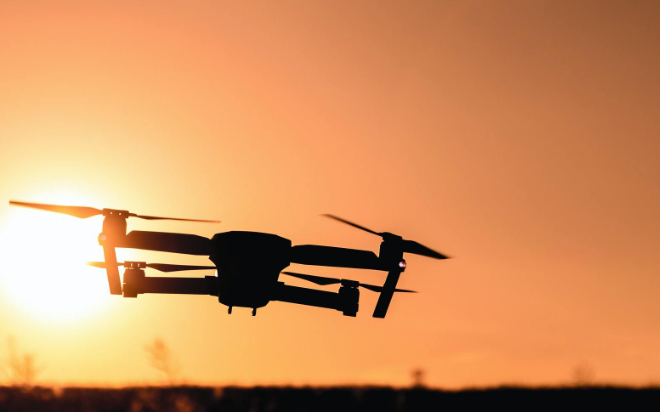
In recent years, the global UAV (Unmanned Aerial Vehicle) and commercial drone industry has undergone an extraordinary transformation. What was once a niche technology used primarily for military reconnaissance has evolved into a multibillion-dollar commercial sector encompassing logistics, agriculture, infrastructure inspection, emergency response, and industrial monitoring. At the heart of this evolution lies a critical materials challenge: how to build drone fuselages and propeller blades that are simultaneously lightweight, explosion-proof, structurally robust, and cost-effective at scale.
Traditionally, steel bars for construction — the backbone of bridges, buildings, and civil infrastructure — have had little overlap with aerospace-grade manufacturing. However, the emergence of advanced basalt fiber rebar and composite reinforcement bars derived from volcanic basalt rock has created a fascinating technological bridge between these two worlds. These materials, originally developed to replace conventional steel in corrosive and high-stress construction environments, are now being actively evaluated and deployed in the design of explosion-proof UAV fuselages and high-performance propeller blade assemblies.
⚠ Key Insight: Basalt fiber reinforcement bars offer a tensile strength up to 3–4 times that of conventional steel rebar, while weighing approximately 75% less — making them an ideal structural candidate for next-generation explosion-resistant drone airframes.
The global explosion-proof drone market is experiencing rapid expansion, driven by increasing demand from oil & gas exploration, chemical plant monitoring, mining operations, military logistics, and hazardous area inspection. According to industry analysts, the explosion-proof UAV market is projected to grow at a compound annual growth rate (CAGR) exceeding 18% through 2030, with Asia-Pacific leading adoption driven by China's industrial expansion and infrastructure development.
Explosion-proof drones must meet stringent international certifications — including ATEX (Europe), IECEx (International), and NEC (North America) — which impose rigorous requirements on fuselage materials, electrical isolation, spark resistance, and structural integrity under blast pressure. These requirements create a direct demand for non-conductive, non-sparking, high-strength construction reinforcement materials that can be adapted for aerospace composite manufacturing.
Conventional steel reinforcement bars, while excellent for static civil infrastructure, present significant limitations when applied to dynamic, weight-sensitive aerospace structures. Steel's high density (approximately 7.85 g/cm³), susceptibility to corrosion, electromagnetic conductivity, and spark-generating properties under impact make it fundamentally incompatible with explosion-proof UAV design requirements.
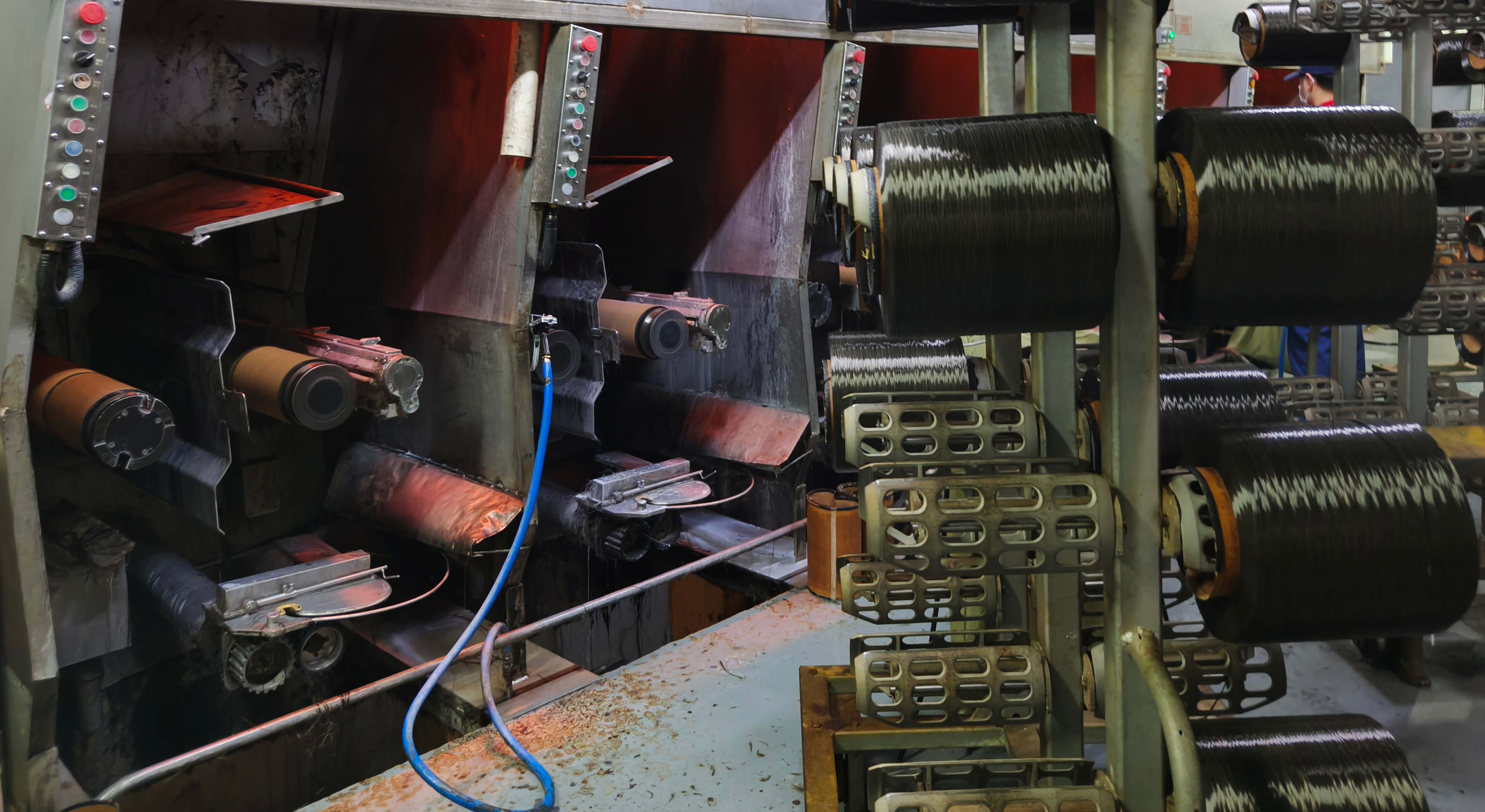
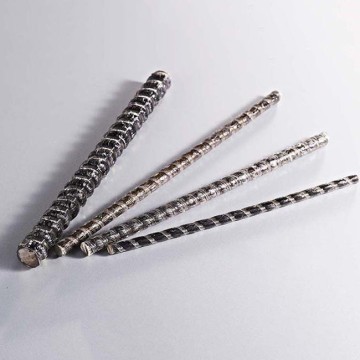
Basalt fiber rebar — manufactured by drawing continuous filaments from molten natural basalt rock at temperatures between 1,450°C and 1,500°C — addresses all of these limitations simultaneously:
The primary structural frame of an explosion-proof UAV must withstand overpressure waves from accidental detonations in Zone 0, Zone 1, and Zone 2 classified hazardous areas. Traditional aluminum alloy frames can deform or fracture under blast loading, while carbon fiber composites — though lightweight — can generate conductive debris and create static discharge risks in flammable atmospheres.
Basalt fiber reinforcement bars, integrated into the fuselage frame as primary load-bearing members or as composite overwrapping on structural joints, provide blast-resistant reinforcement without conductivity risks. The high modulus of elasticity (80–100 GPa) ensures minimal deformation under explosive loading, while the non-sparking property eliminates secondary ignition hazards — a critical certification requirement for ATEX-rated equipment.
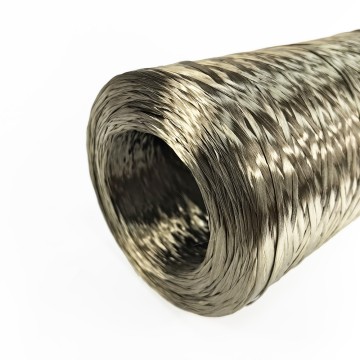
Propeller blades on industrial explosion-proof drones are subjected to extreme centrifugal forces, aerodynamic bending loads, and vibrational fatigue. The integration of basalt fiber roving and rebar inserts within composite blade structures provides unidirectional reinforcement along the primary stress axes, significantly improving blade stiffness-to-weight ratio and fatigue life.
Critically, basalt fiber's non-conductive and non-sparking characteristics mean that in the event of blade-to-object contact in a hazardous area, no ignition source is generated — a requirement that metallic reinforcement inserts simply cannot satisfy. Several leading Chinese and European UAV manufacturers have begun qualifying basalt fiber composite propeller blades for use in ATEX Zone 1 environments.
Landing gear systems on heavy-payload industrial drones must absorb significant impact energy during landing cycles. Basalt fiber rebar incorporated into composite landing gear struts provides high energy absorption capacity, corrosion resistance in wet industrial environments, and electromagnetic neutrality that prevents interference with proximity sensors and landing assistance systems.
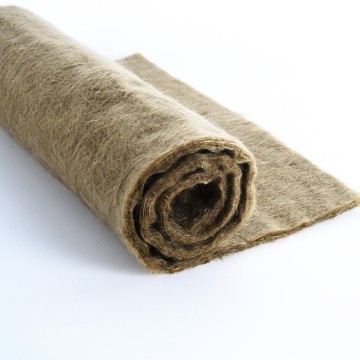
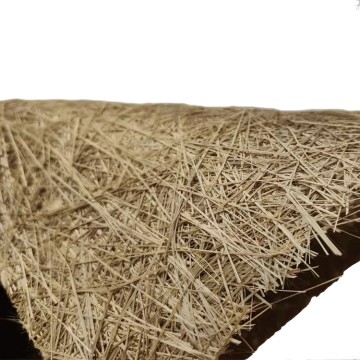
Explosion-proof drones operating in flammable gas environments require battery enclosures with exceptional thermal barrier properties. Basalt fiber needled mats and chopped strand composites provide passive thermal insulation around battery bays, slowing thermal runaway propagation and providing a critical fire barrier — a function that metallic construction materials cannot fulfill.
Drones deployed for gas leak detection, radiation monitoring, and chemical analysis carry sensitive sensor payloads that require electromagnetic-transparent mounting structures. Basalt fiber composite panels used as sensor mounting platforms and radome structures provide zero EMI shielding effect, ensuring sensor accuracy while maintaining structural rigidity in high-vibration flight environments.
The convergence of construction material science and advanced drone manufacturing is accelerating across multiple dimensions. Several key trends are shaping the future of basalt fiber reinforcement applications in the UAV sector:
International standards bodies including ISO, ASTM, and IEC are actively developing certification frameworks for non-metallic composite reinforcement in explosion-proof equipment. Basalt fiber rebar is increasingly referenced in draft standards for ATEX-compliant structural materials, accelerating its adoption in certified industrial drone designs.
Advanced drone manufacturers are exploring hybrid composite architectures combining basalt fiber rebar with carbon fiber skins and glass fiber cores, optimizing the balance between blast resistance, electromagnetic transparency, weight, and cost. Basalt fiber's cost advantage over carbon fiber (approximately 40–60% lower material cost) makes it attractive for high-volume industrial drone production.
The rapid growth of offshore oil and gas drone inspection programs is creating substantial demand for corrosion-immune, explosion-proof UAV structural materials. Basalt fiber's proven performance in marine and saline environments positions it as the preferred reinforcement material for next-generation offshore inspection drones operating in ATEX Zone 1 environments.
Machine learning algorithms are being applied to optimize basalt fiber composite layup sequences for specific UAV structural applications, enabling automated design of explosion-proof fuselage sections that meet blast loading requirements with minimum material weight. This computational approach is dramatically accelerating the qualification of basalt fiber rebar in aerospace applications.
Non-sparking, non-conductive basalt fiber composites meet ATEX, IECEx, and NEC Zone 0/1/2 requirements for structural materials used in explosive atmospheres.
Tensile strength of 3,000–4,800 MPa at just 25% of steel's weight enables stronger, lighter drone airframes that maximize payload capacity and flight endurance.
Zero corrosion in saline, acidic, and alkaline environments ensures long-term structural integrity for drones operating in offshore, chemical, and industrial environments.
Fully non-metallic composition ensures zero electromagnetic interference with drone navigation, communication, and sensor systems — critical for precision industrial operations.
Structural integrity maintained up to 700°C provides passive fire resistance and thermal protection for battery enclosures and motor mounting structures.
Derived from natural volcanic basalt rock with no chemical additives, basalt fiber production generates minimal environmental impact — supporting green manufacturing certification requirements.
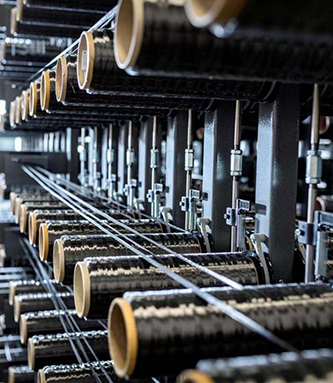
China Beihai is founded in 2015 and located in Jiujiang, Jiangxi Province. China Beihai is a high-tech enterprise focusing on the research, development, production and sales of high-performance basalt continuous fiber and its production equipment manufacturing, as well as a leading enterprise in the domestic basalt fiber industry.
Our advanced basalt fiber reinforcement solutions are engineered to meet the most demanding structural requirements across construction, aerospace, and explosion-proof UAV/drone manufacturing sectors.
View More About Us
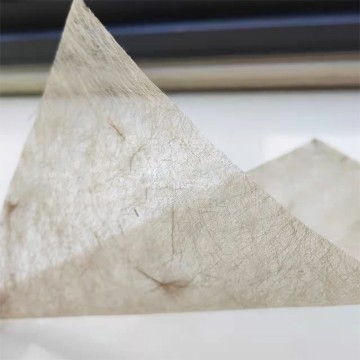
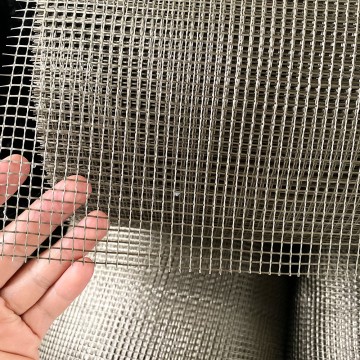
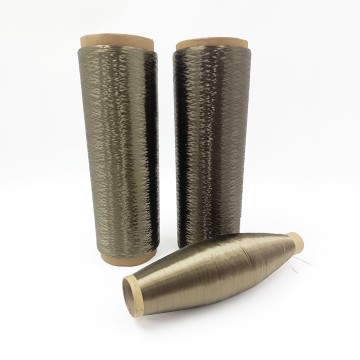
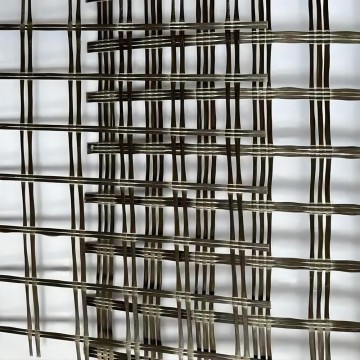
At China Beihai group, we specialize in the production of a wide range of products including basalt fiber mat (Basalt fiber chopped strand mat, Basalt fiber cloth), basalt fiber roving, basalt fiber yarn, basalt fiber chopped strands, and basalt fiber products (Basalt Fiber rebar, basalt fiber sleeves and tape). Our products are designed to meet the diverse needs of various industries, providing high-quality solutions for our customers.

At China Beihai group, we are dedicated to the production of a wide array of basalt-based products, ranging from basalt fiber mat, fabric, and roving to chopped strand and specialized construction materials. Our focus is on delivering high-quality, sustainable solutions for industries such as construction, geotechnical engineering, and manufacturing. With a commitment to innovation and excellence, we strive to cater to the unique requirements of our clients by offering a comprehensive selection of basalt-derived products.

Choosing to work with China Beihai means working with a leading manufacturer of basalt products. Our commitment to quality, innovation and sustainability sets us apart, ensuring our customers receive best-in-class solutions for their diverse needs. Reliability and customer satisfaction, we offer a wide range of high-quality basalt materials and construction products, backed by our dedication to excellence and industry expertise. When you partner with China Beihai, you can trust that you are working with a reliable and forward-thinking partner — a thought supplier for all your basalt product needs.
Basalt fiber is ideal for your engineering projects. Its high strength, corrosion resistance and lightweight properties allow it to easily solve a variety of challenges. In buildings, bridges, roads and other infrastructure projects — and now in cutting-edge UAV manufacturing — basalt fibers demonstrate outstanding performance, extending structural life and reducing maintenance costs.
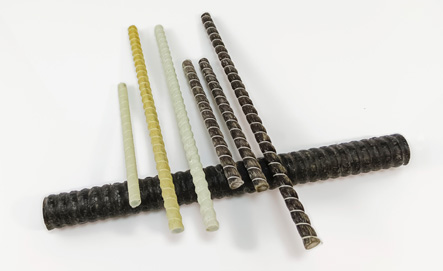
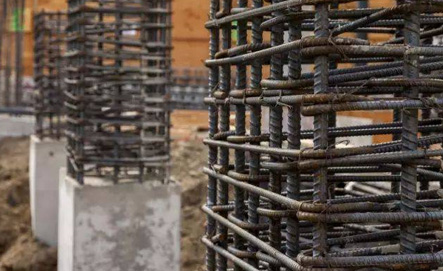
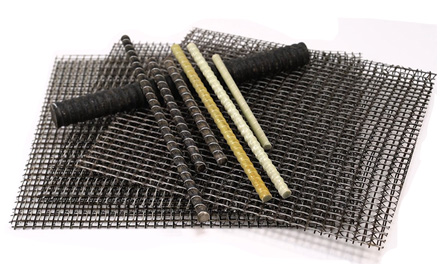
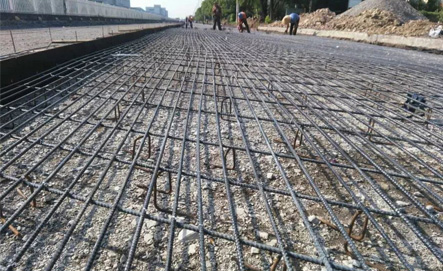
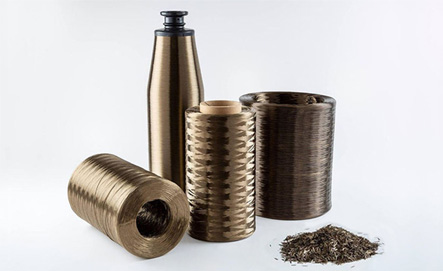
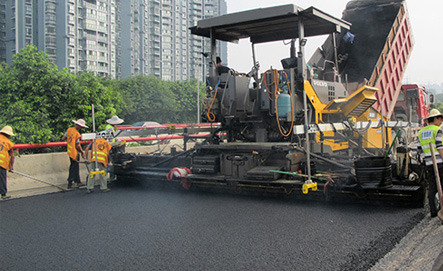
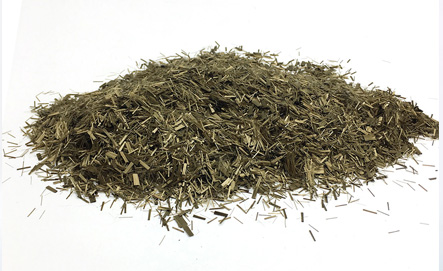
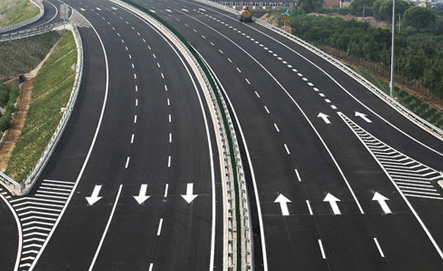
From explosion-proof UAV fuselages to civil infrastructure — basalt fiber reinforcement delivers performance across the most demanding industrial environments.
Our basalt products have diverse applications in the field of house construction, delivering superior reinforcement and longevity.
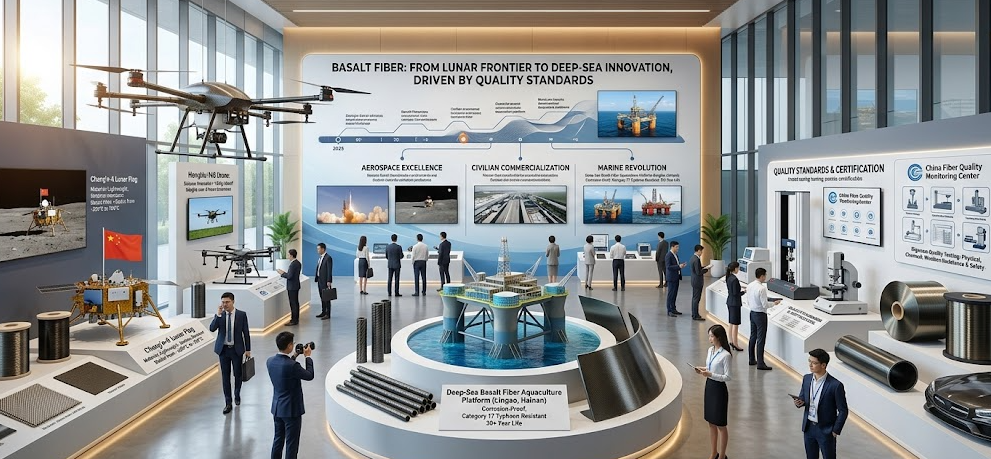
In the aerospace and UAV field, basalt fibers are ideal for manufacturing explosion-proof drone fuselages, propeller blades, and engine components.
Through fine process control and surface treatment technologies, basalt fibers enable spacecraft shell materials, thermal protection systems, and high-temperature-resistant components.
Basalt-reinforced concrete offers increased strength and durability, crack resistance, improved chemical resistance and improved workability for infrastructure projects.
Facing the trend of lightweight automobile materials, basalt fiber composites enable wide application in the automobile field for structural and thermal components.
Basalt's high strength, durability and protective properties make it ideal for protecting bridge abutment structures from vehicle collisions, fire, and corrosion.
The corrosion resistance of basalt fiber gives it a unique advantage in the petrochemical field for explosion-proof equipment and structural reinforcement.
Basalt fiber composites deliver exceptional performance in marine environments, providing corrosion immunity and structural strength for offshore and subsea applications.
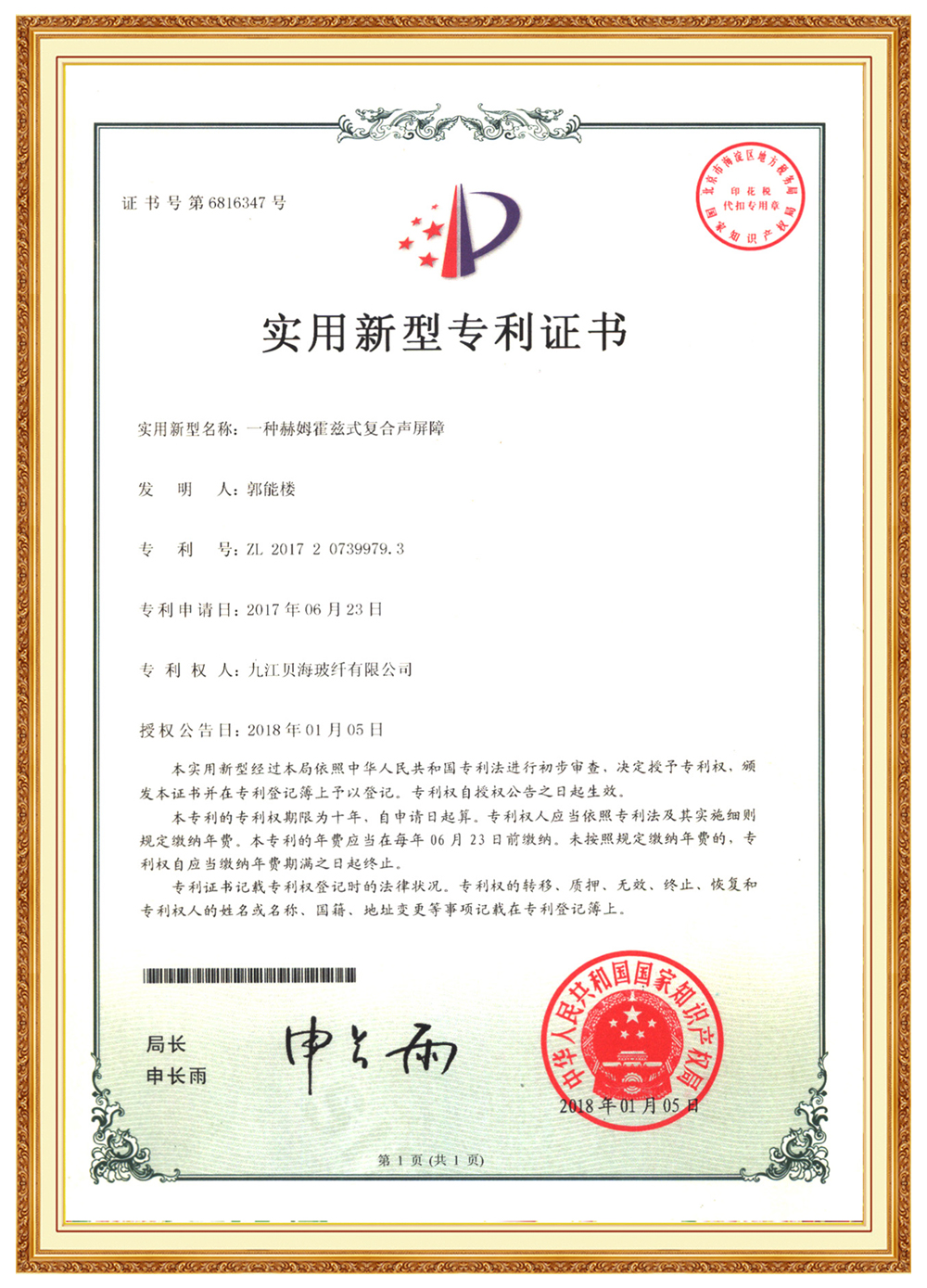
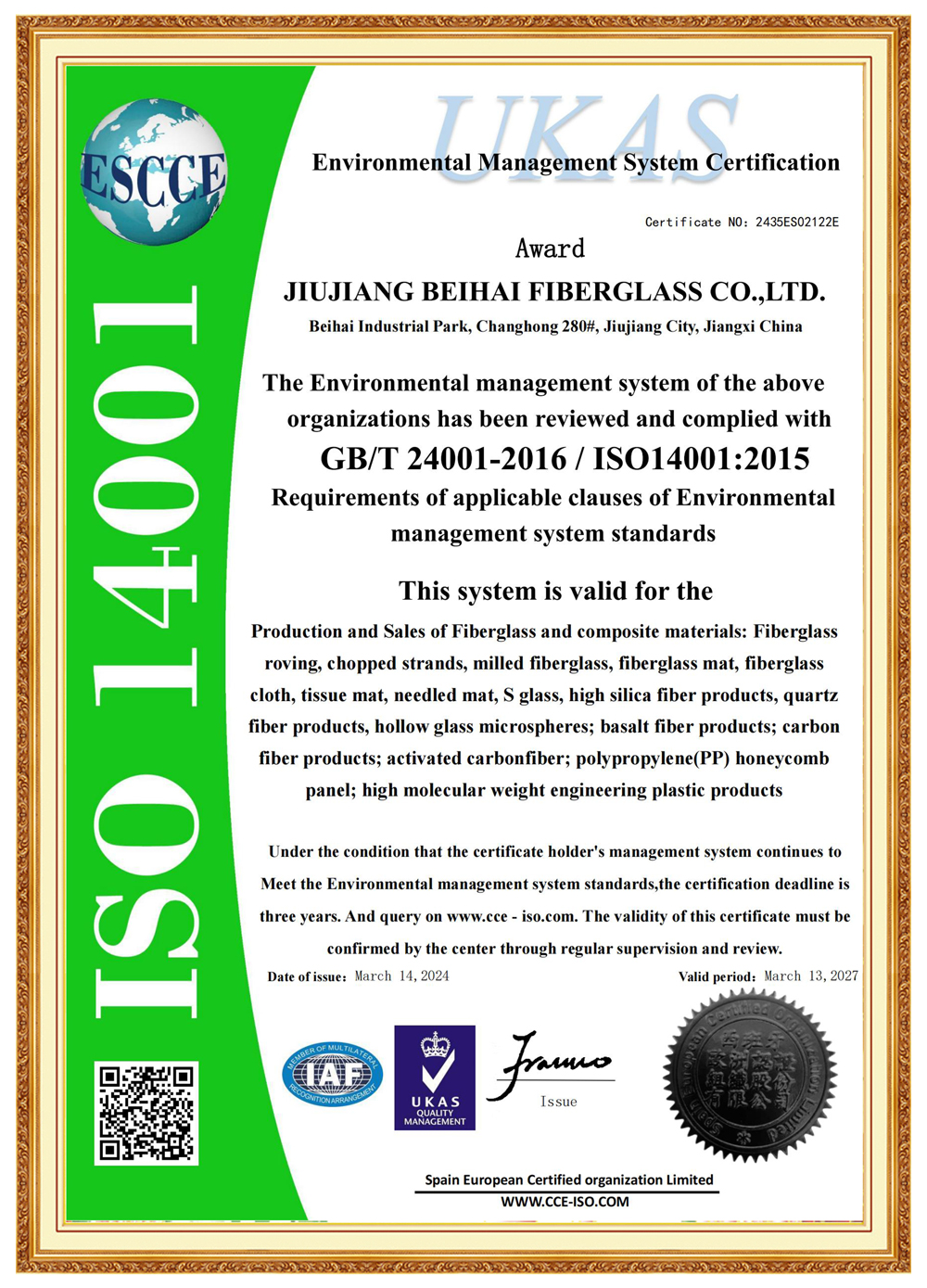
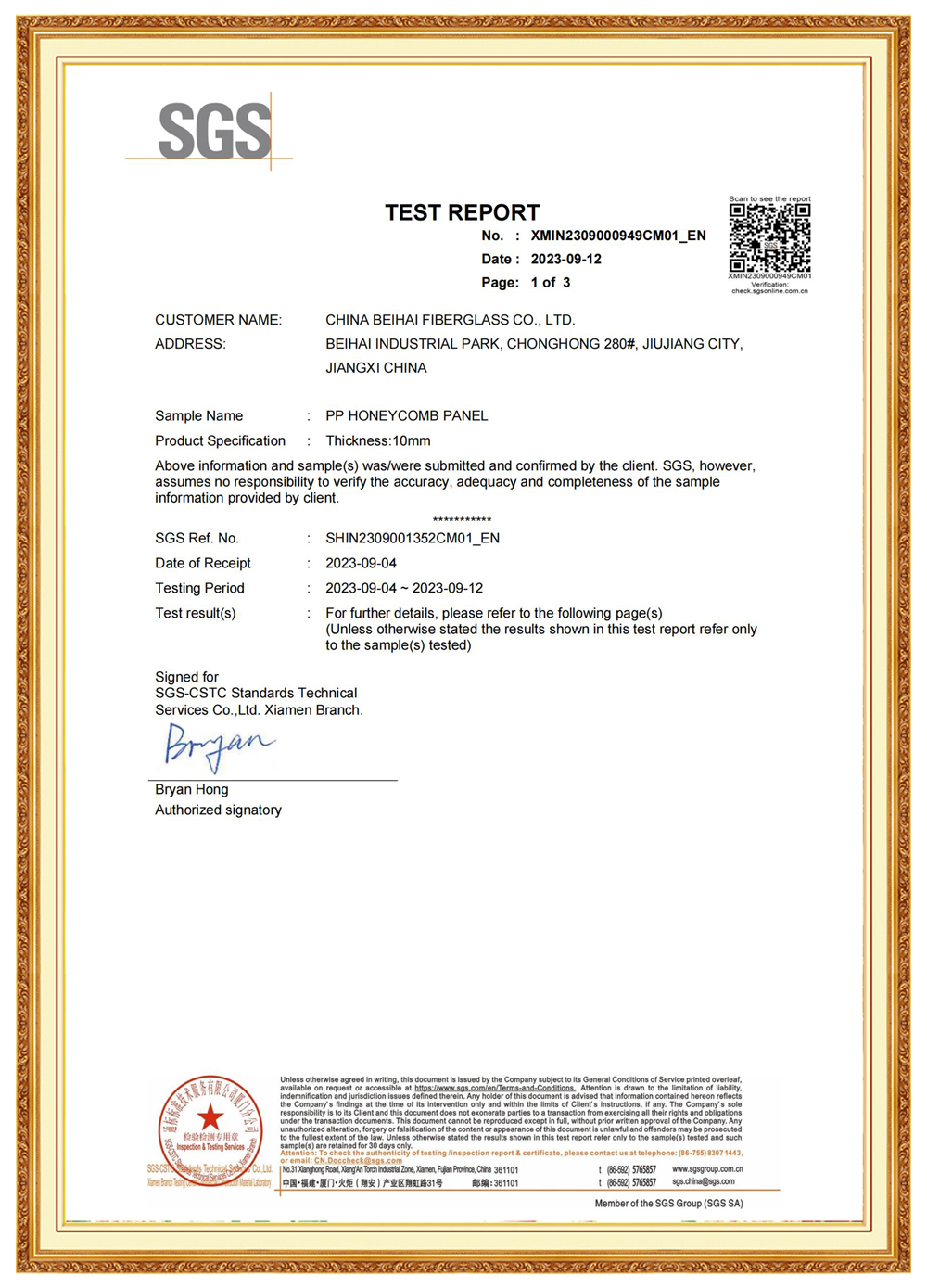
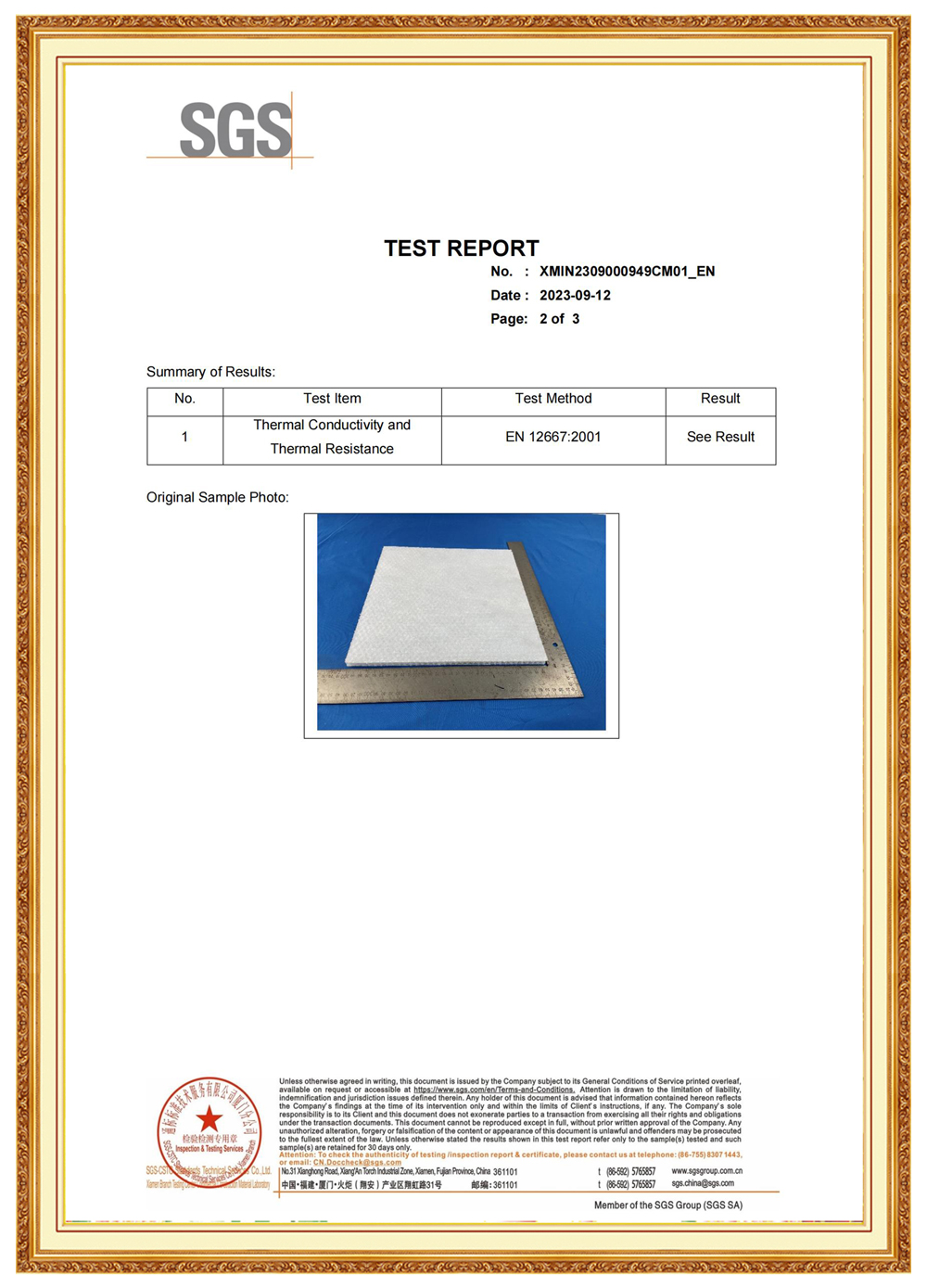
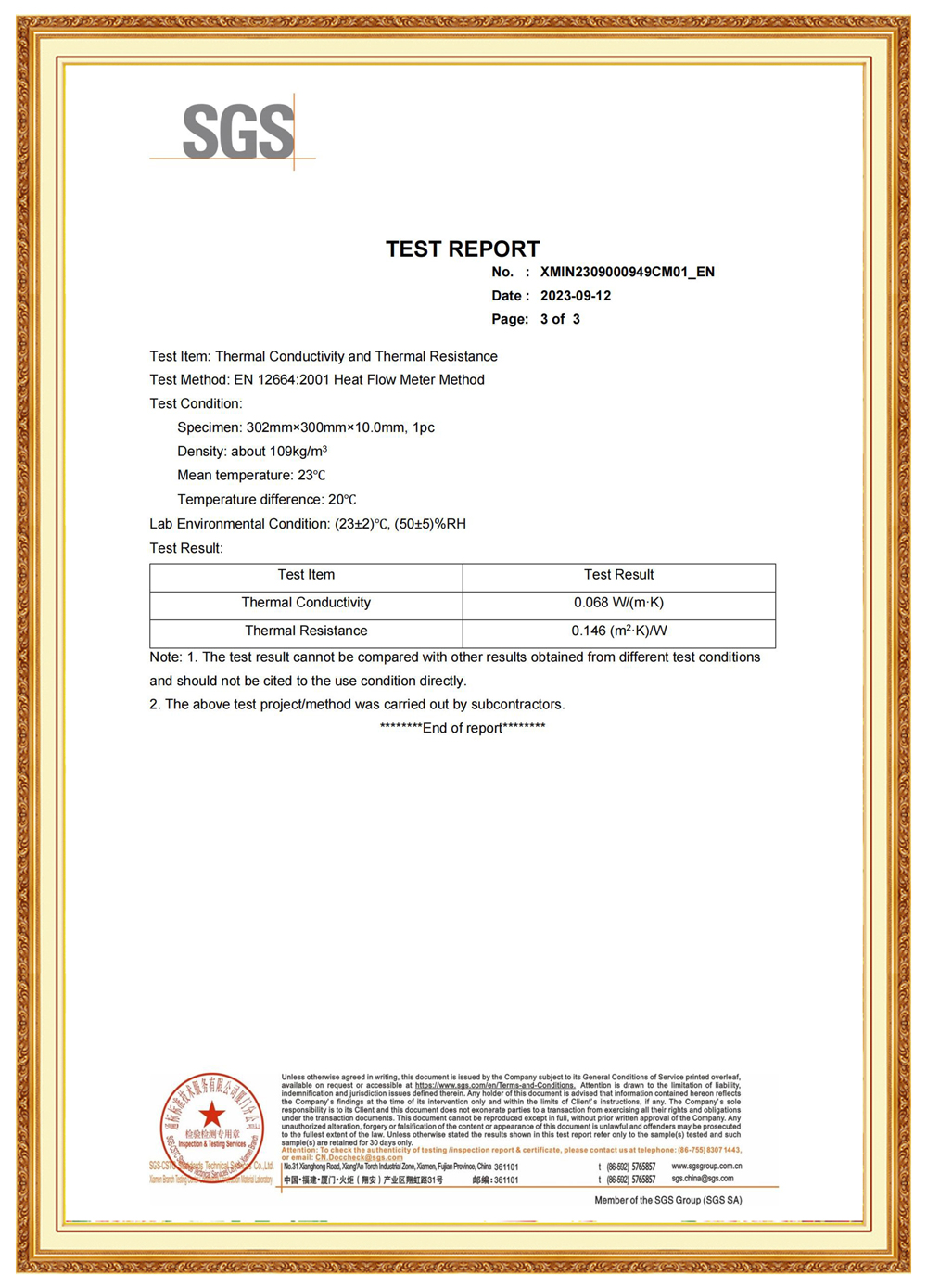
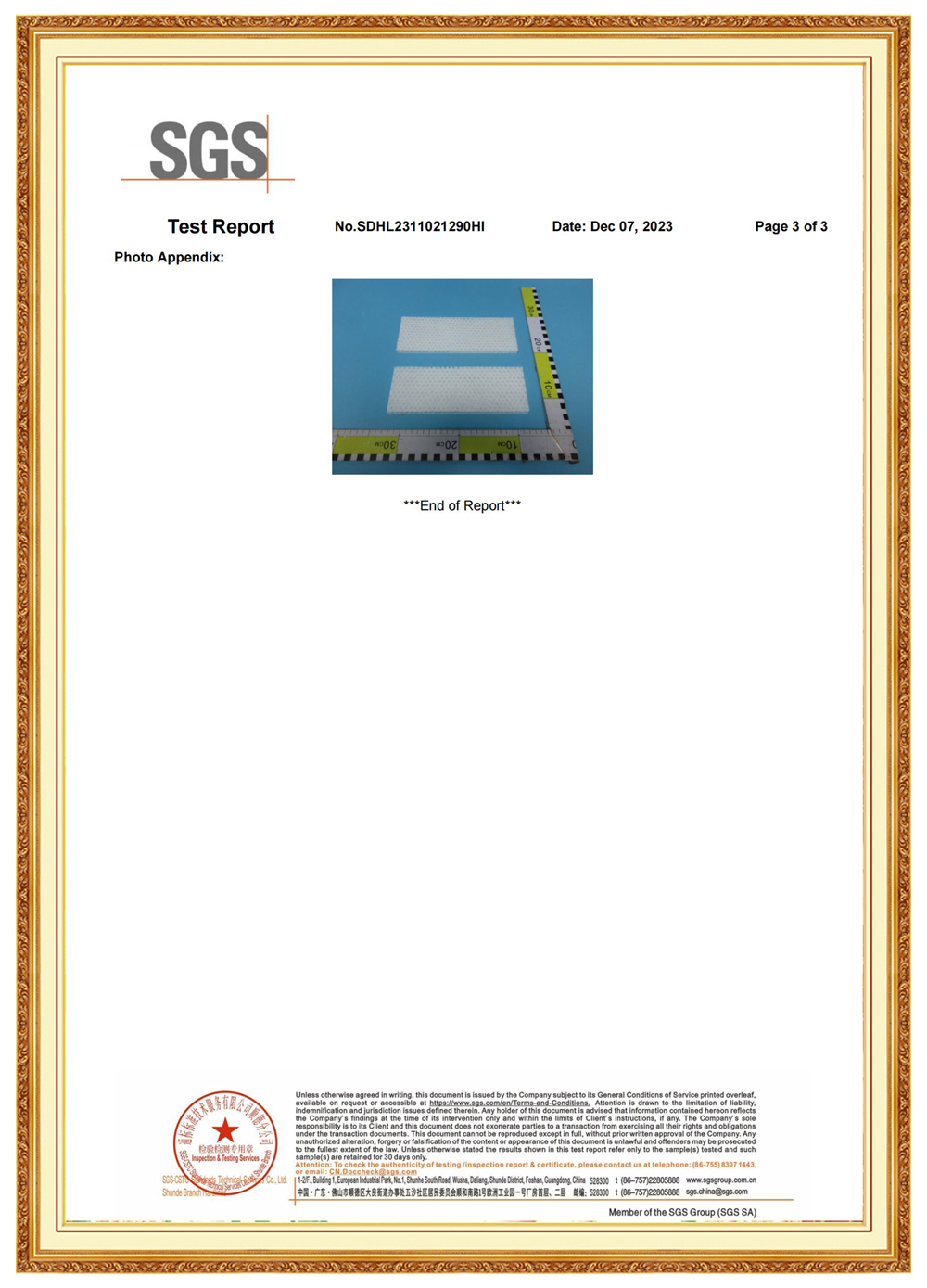
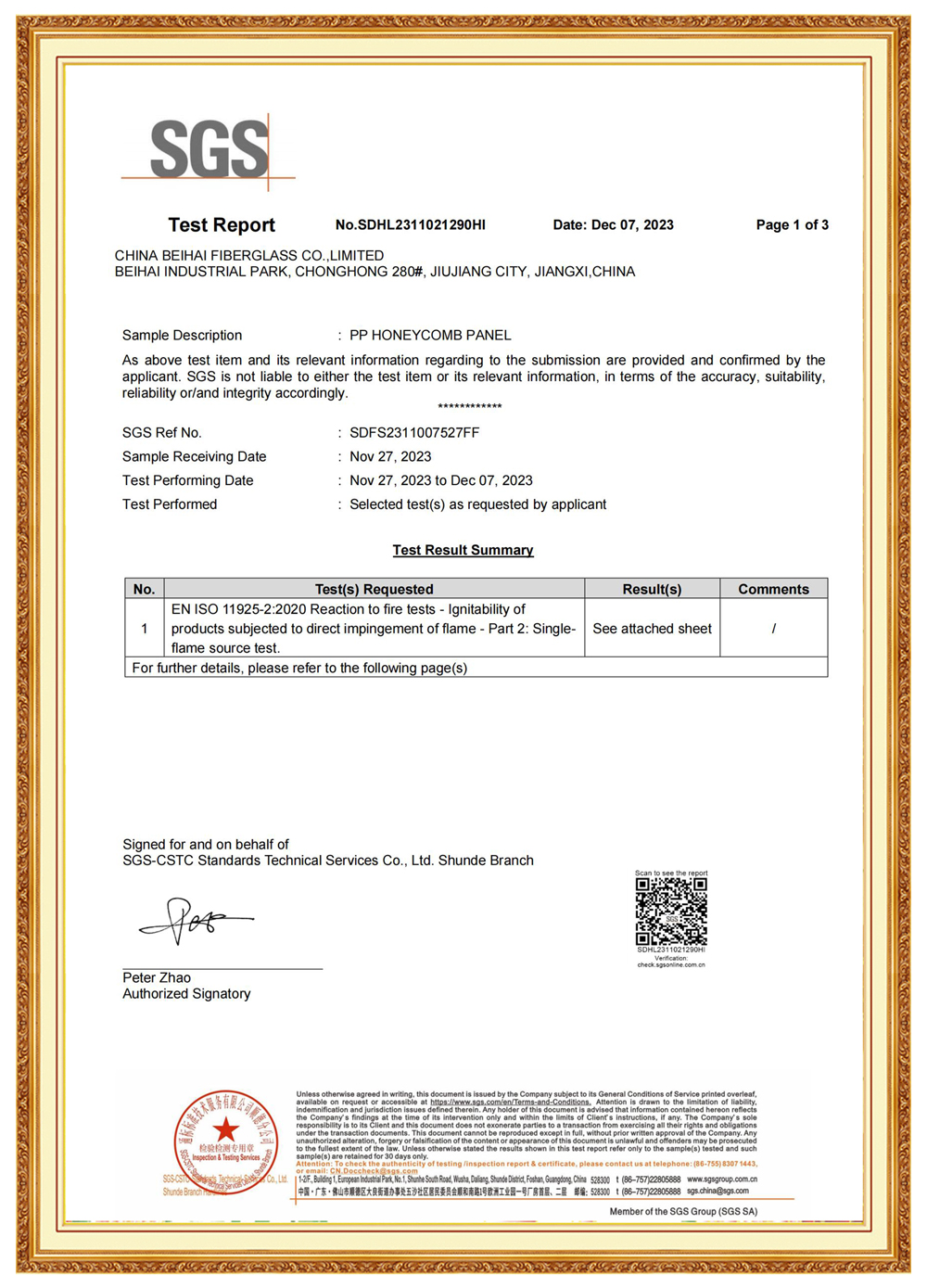
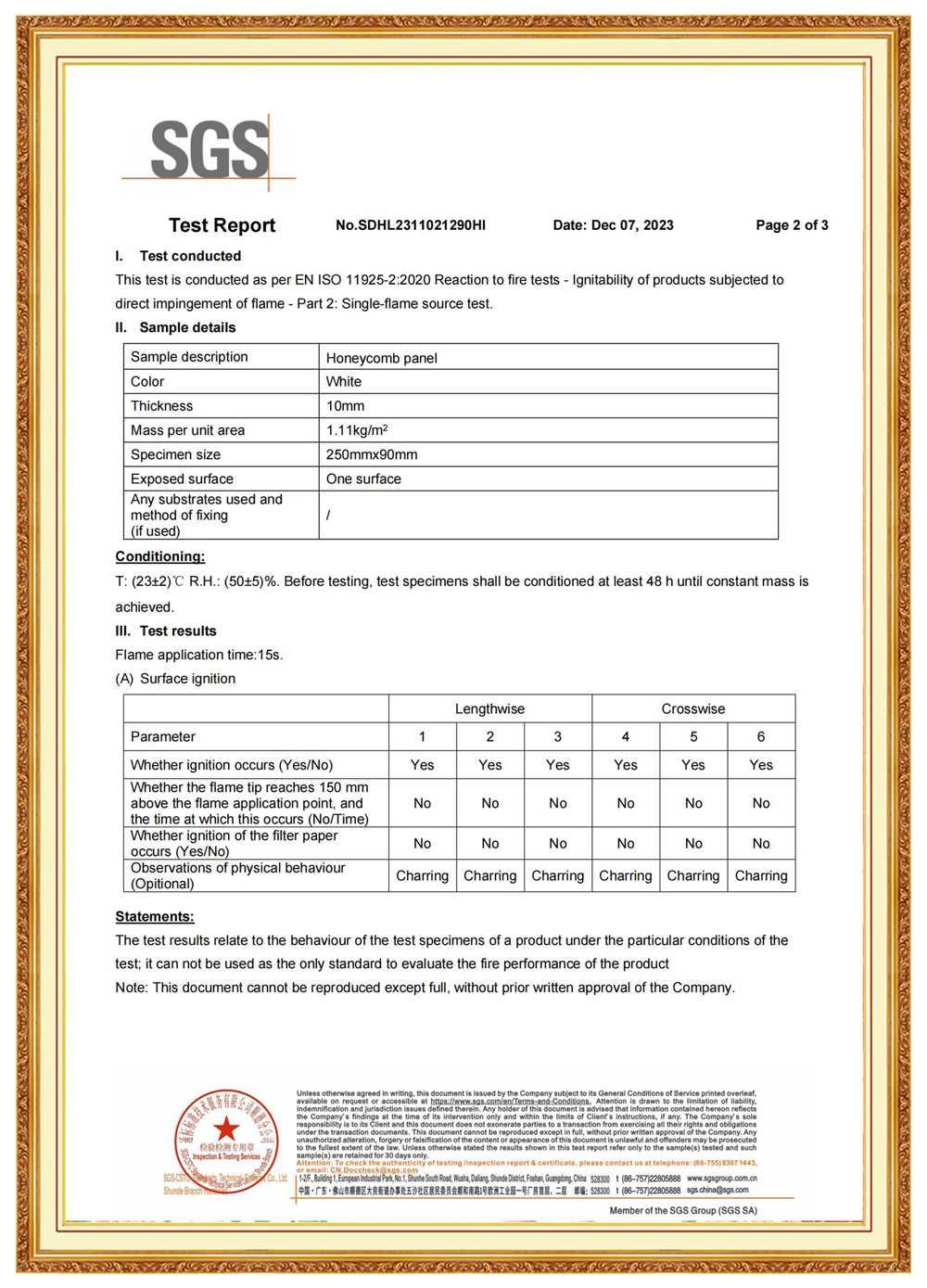
China Beihai's basalt fiber products are backed by comprehensive international quality certifications, ensuring compliance with the most stringent industrial and aerospace standards.

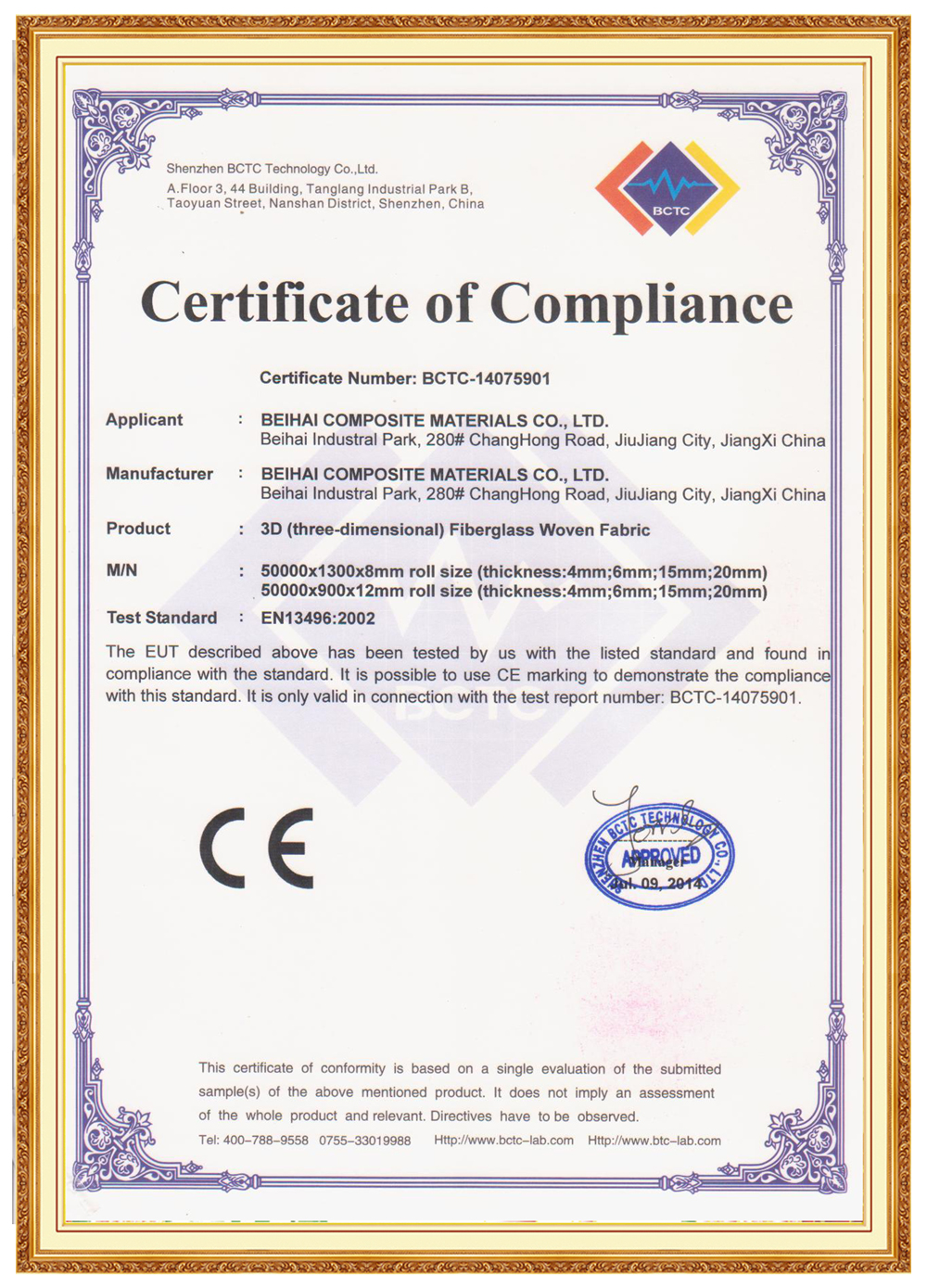
Explore our full range of high-performance basalt fiber reinforcement solutions engineered for explosion-proof UAV fuselages, propeller blades, and civil construction projects.