
Leave Your Message
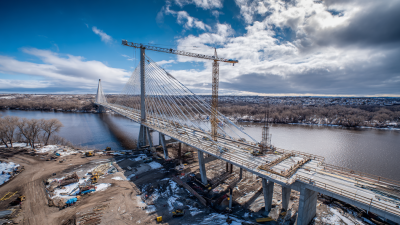
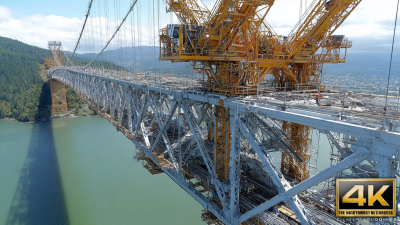
Lately, the world of Bridge Construction has really seen some game-changing innovations. These new tricks not only make bridges stronger and more reliable but also help cut down on costs quite a bit. I was reading what Dr. Emily Foster, who’s pretty much an expert in civil engineering and sustainable bridges, had to say—she mentioned that using advanced materials and the latest tech in bridge design is *so* important if we want structures that last a long time and stand up to whatever nature throws at them. As we’re getting closer to 2025, it looks like the top five innovations in this space are about to totally shake things up. Some reports suggest they could cut building costs by up to 30%, which is huge.
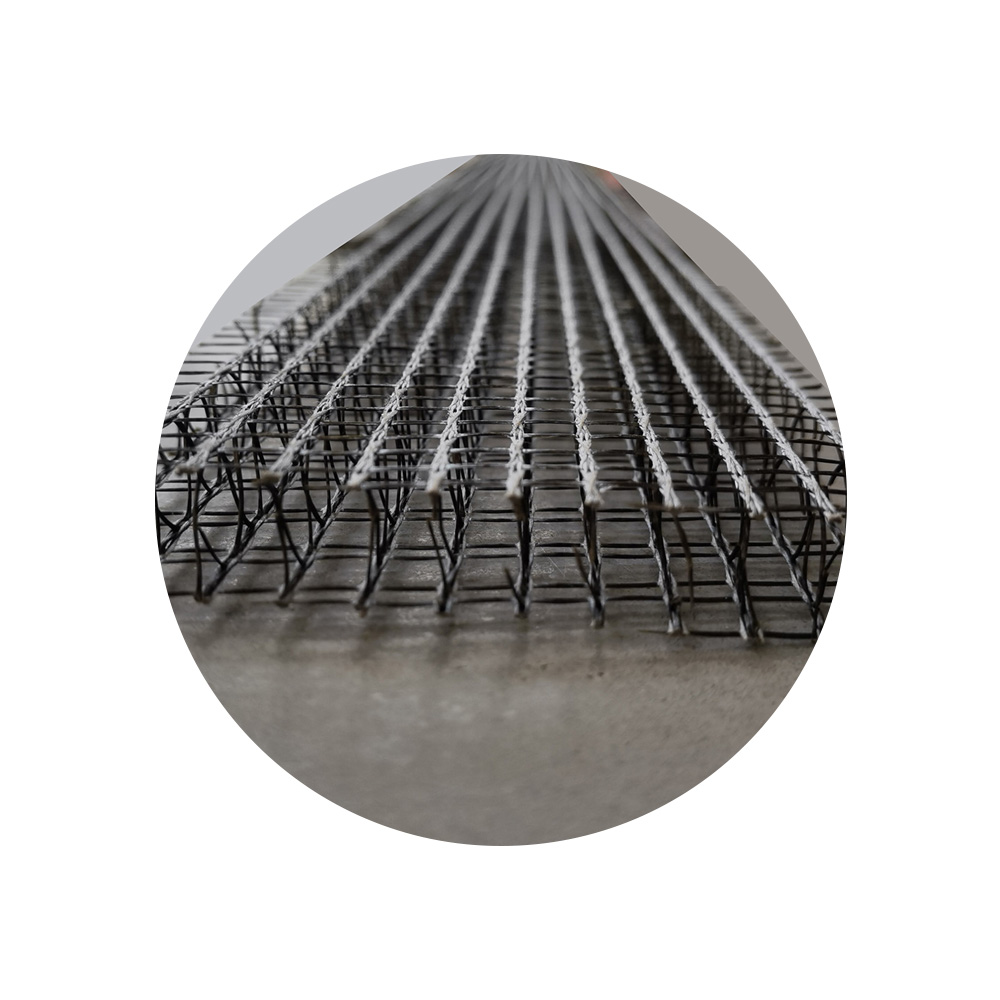
Leading the charge seems to be China Beihai Fiberglass Co., Ltd.—they’re really pushing the envelope with their work on high-performance Basalt continuous fiber. By using the most modern materials and production methods, they’re not just changing the game in bridge construction—they’re also carving out a strong position in the domestic basalt fiber market. All in all, these new materials and engineering techniques are set to make the future of bridge building way more sustainable and cost-effective. It’s pretty exciting to see how it’s all coming together, honestly.
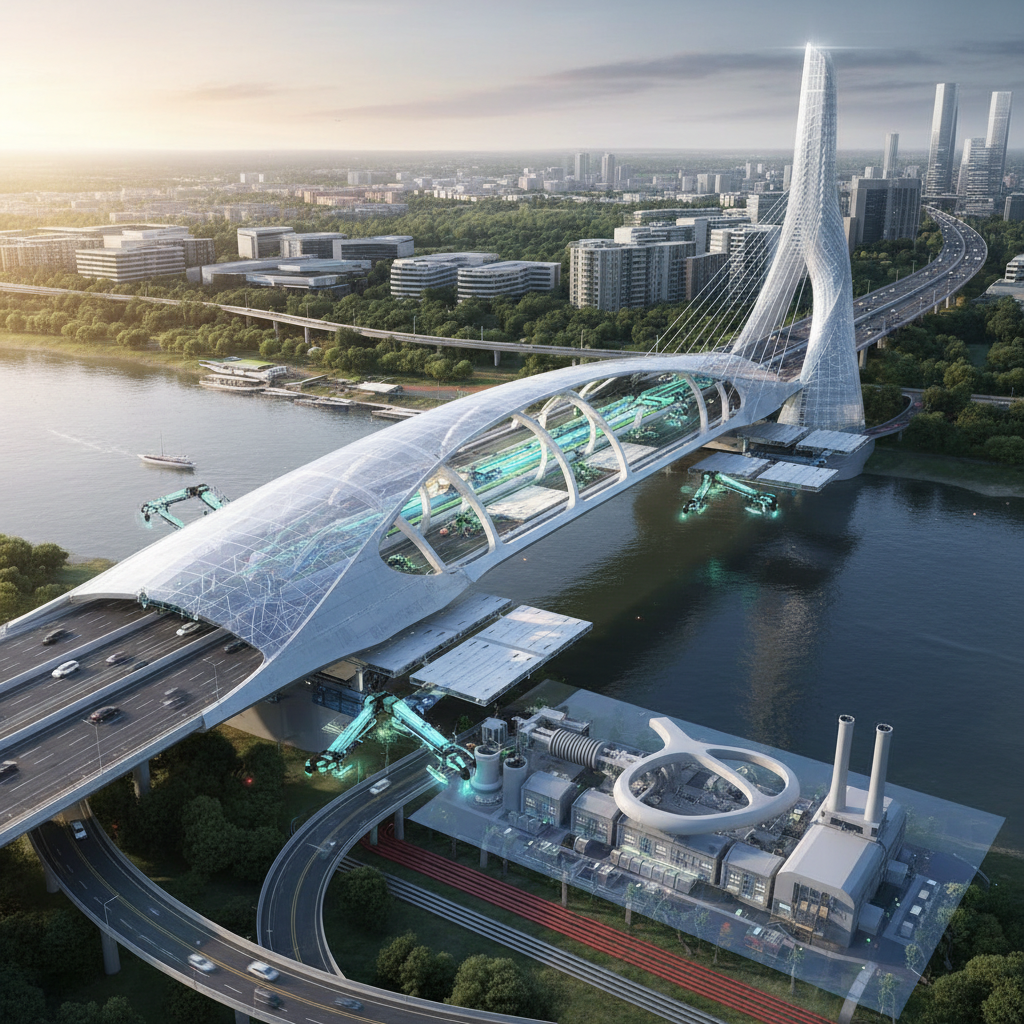
In recent years, the bridge construction industry has seen significant advancements in materials that not only reduce weight but also enhance durability. Innovations such as fiber-reinforced polymers (FRP) and ultra-high performance concrete (UHPC) have emerged as game-changers. According to a report by the American Society of Civil Engineers, adopting these materials can reduce a bridge's overall weight by up to 30%, facilitating easier installation and reduced foundational requirements. This shift not only optimizes project timelines but also leads to substantial cost savings in labor and materials.
Tips for contractors: When considering the use of innovative materials, it is crucial to conduct a thorough analysis of the specific environmental conditions of the project site. For instance, FRP is particularly effective in corrosive environments, offering a lifespan that can exceed 100 years compared to traditional materials. Moreover, utilizing digital modeling and simulation technologies can help in assessing the structural performance of new materials before construction begins, ensuring that the most efficient choices are made for durability and cost management.
Furthermore, the adoption of these advanced materials is supported by research from the National Cooperative Highway Research Program, which indicates that bridges constructed with UHPC demonstrate a 40% increase in shear strength and a significant reduction in maintenance costs over time. This data underscores the importance of innovative materials in transforming bridge design and aligning with sustainability goals in infrastructure development.
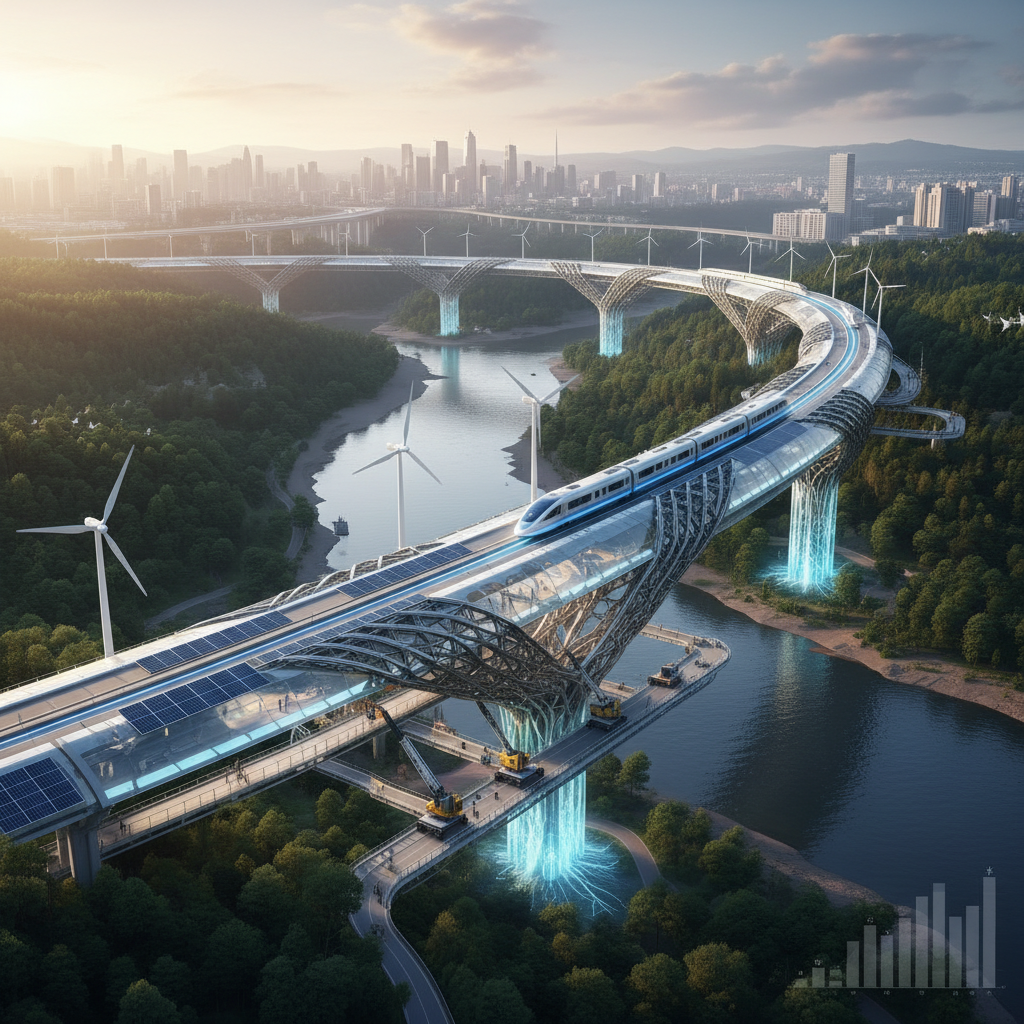
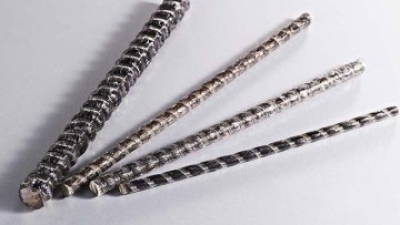
The innovative applications of high strength basalt rebar in underground construction projects have garnered significant attention in recent years. As a composite material, basalt fiber is produced through the pultrusion process, which combines resin, fillers, and curing agents to create a robust reinforcement alternative. This unique composition imparts numerous advantages for underground construction, including enhanced durability and resistance to harsh environmental conditions.
One of the standout features of basalt rebar is its lightweight nature compared to traditional steel reinforcements. This property makes it particularly beneficial for projects where minimizing weight is crucial, such as in tunnel construction and subterranean structures. Furthermore, basalt rebar exhibits excellent tensile strength and stiffness, providing the necessary support for structural integrity while reducing the risk of corrosion that can often plague steel bars in subterranean settings. The use of this innovative material not only improves the longevity of the structures but also reduces maintenance costs over time.
Additionally, the thermal stability of basalt fiber enhances its performance in extreme temperature variations, making it an ideal choice for underground projects located in diverse climates. The non-conductive nature of basalt rebar also adds a layer of safety against electrical hazards, a critical consideration in underground environments. As the construction industry continues to seek sustainable and efficient solutions, the integration of high strength basalt rebar stands out as a pioneering approach in modern underground construction methodologies.
: Smart sensors are advanced devices that collect real-time data on a bridge's structural integrity, environmental conditions, and traffic loads. They enhance maintenance by providing continuous assessments to detect potential issues early, thus safeguarding safety and extending the infrastructure's lifespan.
The integration of smart sensors can lead to an estimated 30% reduction in maintenance costs. This allows resources to be reallocated for further infrastructure improvements, optimizing maintenance schedules and prioritizing repairs through data-driven decision-making.
Robotic construction techniques improve precision and safety in bridge building by reducing human error and ensuring adherence to engineering standards. Robotic systems can perform high-accuracy tasks such as welding and concrete pouring, minimizing costly mistakes.
Robotic construction techniques significantly reduce on-site accidents by performing high-risk tasks, such as working at heights or heavy lifting. Companies using robotic solutions reported up to a 40% reduction in workplace injuries, making construction safer.
Prefabricated components are portions of a bridge manufactured off-site to ensure higher precision and quality control. They streamline construction by allowing for rapid assembly on-site, leading to shorter project timelines and reduced labor costs.
By minimizing the need for extensive on-site labor and resource wastage, prefabrication can achieve cost savings of up to 30%. It simplifies the construction process and allows projects to finish within budget by focusing on assembly rather than complex builds.
Both smart sensors and robotic techniques are set to revolutionize the construction industry by enhancing monitoring efficiency, improving precision, increasing safety, and optimizing resource allocation, leading to more cost-effective and sustainable infrastructure development.
Smart sensors provide long-term economic benefits by proactively identifying issues, which can prevent costly repairs and catastrophic failures. They extend infrastructure lifespan and enable better budgeting for maintenance and improvements.
The construction industry is notorious for its high incidence of accidents and serious injuries. Robots can help mitigate these hazards by taking on dangerous tasks, thereby enhancing overall workplace safety for human workers.
The future trends in bridge construction technology include greater reliance on smart sensors, robotic techniques, and prefabricated components, leading to enhanced efficiency, safety, and sustainability in building and maintaining critical infrastructure.
The article "2025 Top 5 Innovations in Bridge Construction: Revolutionizing Infrastructure with 30% Cost Savings" highlights transformative advancements in the field of bridge construction aimed at enhancing efficiency and reducing expenses. Key innovations discussed include the use of innovative materials that not only reduce weight but also increase durability, thereby extending the lifespan of structures. Smart sensors play a vital role in enhancing structural monitoring and maintenance efficiency, while digital twin technology allows for virtual models that facilitate real-time analysis and optimization.
Additionally, robotic construction techniques are set to improve precision and safety in bridge building, and the integration of prefabricated components streamlines assembly processes, significantly minimizing project time. As a leader in high-performance basalt fiber production, China Beihai Fiberglass Co., Ltd. is well-positioned to contribute to these innovations, ensuring that modern bridge construction meets both performance and sustainability goals efficiently.