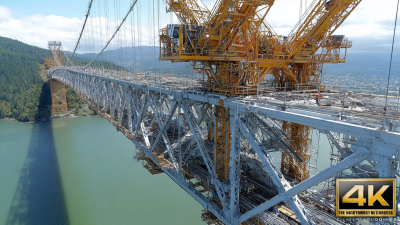
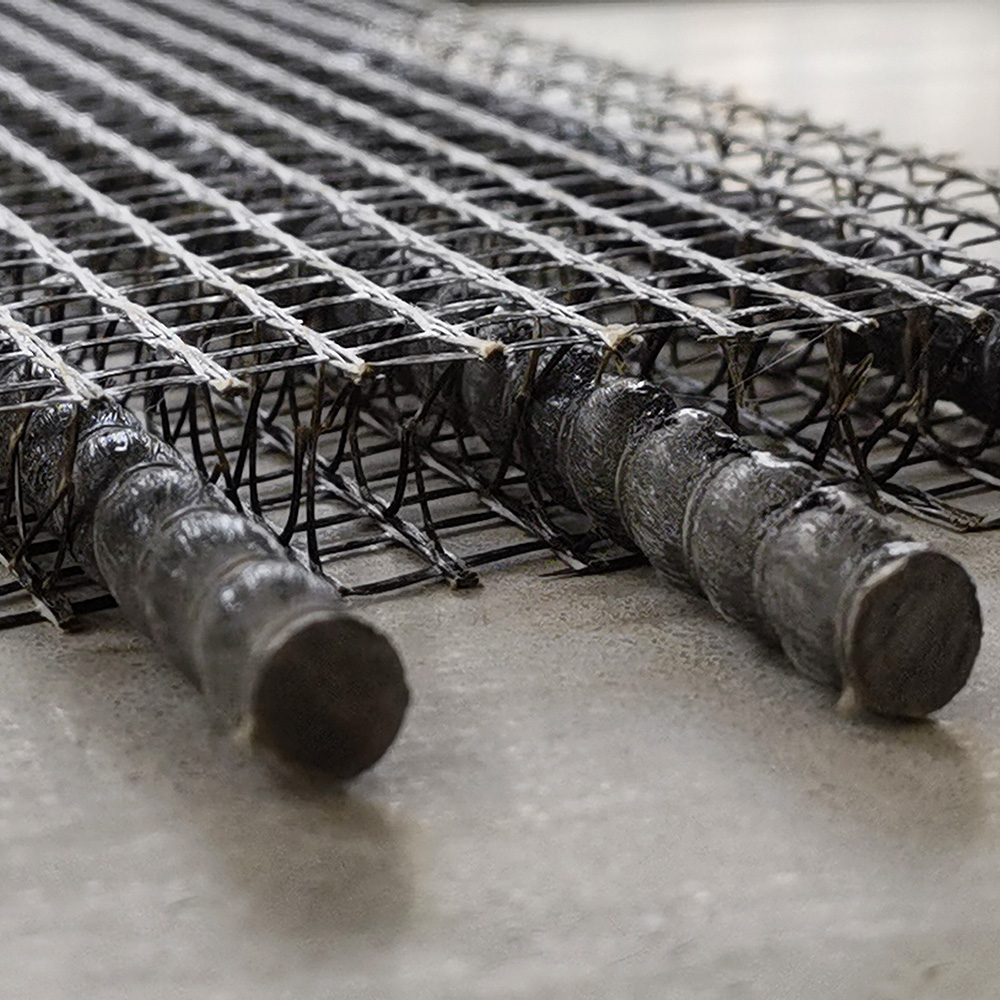
In the constantly changing world of civil engineering, managing Bridge Construction projects effectively has really become more important than ever. You know, making sure things get done on time and within budget isn't just nice to have—it's amust. I came across a recent report by Grand View Research, and it’s pretty eye-opening: the global market for bridge construction is expected to hit around 11.78 billion USD by 2025. That growth is mainly fueled by the growing demand for new infrastructure and fixing up old ones. On the tech front, China Beihai Fiberglass Co., Ltd.is really leading the charge here. They’re all about researching and producing high-performance Basalt continuous fiber, which is a game-changer. This kind of material boosts strength and durability, so it’s a huge help for project managers trying to get things right. In this blog, I want to talk about some of the best ways and strategies to manage bridge projects from start to finish. We’ll also look at how new materials and tech are making a real difference in building better, longer-lasting infrastructure.
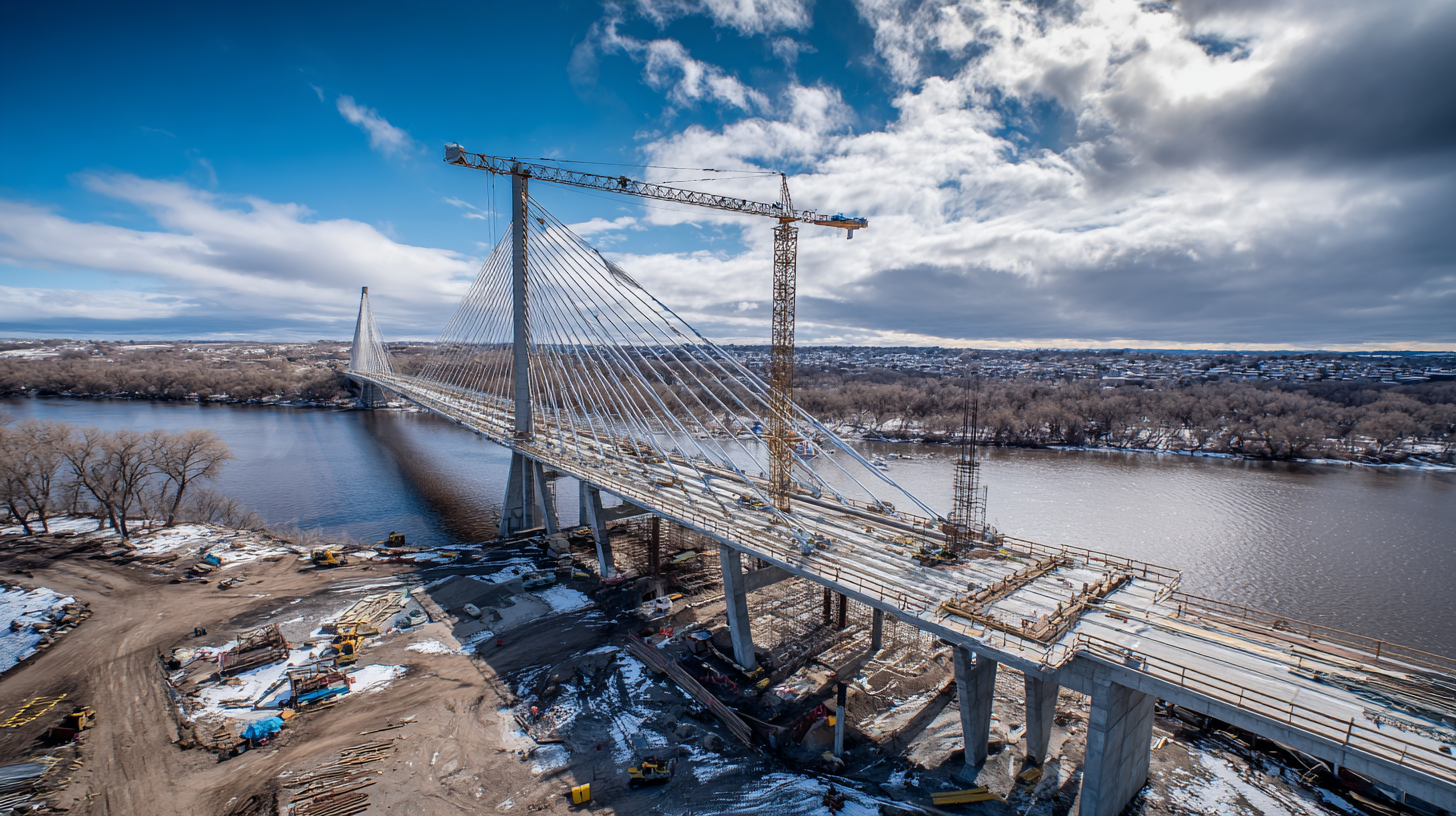
Key Phases in Bridge Construction Project Management
Managing bridge construction projects effectively really comes down to understanding the key phases involved — it’s not just about building, but about knowing what each step requires. Usually, it all kicks off with the project initiation. That’s when teams dig into feasibility studies and explore different funding options. I mean, according to a report from the American Society of Civil Engineers, about 80% of the successful projects are backed by solid initial planning. That part’s super important because it sets the stage for smooth sailing when it comes to managing time and resources throughout the build.
Then comes the design stage. Engineers get to work creating detailed plans and specs. This part is crucial because it’s all about making sure everything’s safe and meets all those tricky regulations. Some recent studies pointed out that if the design isn’t up to scratch, costs can balloon by as much as 30%. So, having a thorough review process in place can really help cut down those kinds of risks.
When it’s time for construction, good communication is everything. Keeping everyone in the loop with regular updates and meetings really helps the team stay on the same page. A little tip? Using project management software can make communication way easier and give you a clear picture of progress. Also, don’t forget about quality control — catching issues early at each stage can save a ton of money. In fact, reports suggest that around 7% of total project costs can be linked to errors or rework. If you focus on these key parts, project managers can really set their bridge projects up for success.
Bridge Construction Project Management Phases
Essential Skills for Effective Bridge Project Managers
Managing a bridge project successfully isn’t just about knowing the technical stuff — it really comes down to having the right set of skills. One of the most important ones? Strong leadership. A good bridge project manager needs to be able to inspire and motivate a pretty diverse crew, from engineers and contractors to laborers. It’s about bringing everyone together with a shared goal, you know? And that requires clear, effective communication — being able to explain expectations without any confusion, and encouraging a spirit of teamwork among everyone involved. Active listening also plays a big role; by genuinely hearing out team members’ concerns and ideas, the manager can help create a more connected, cooperative environment.
But it’s not just about people skills. A good project manager also needs to have a solid grip on project management methods like Agile and Waterfall — knowing when and how to use them depending on what the project needs. Being comfortable with budgeting, schedules, and risk management helps spot issues early and make smarter decisions about where to put resources. And of course, technical know-how — understanding engineering and construction basics — is crucial. It’s what lets the manager make informed calls and troubleshoot problems as they pop up.
All these skills, when combined, don’t just ensure a bridge gets built right — they also help build a resilient, adaptable team ready to face whatever challenges come next.
Strategies for Budgeting and Resource Allocation in Bridge Projects
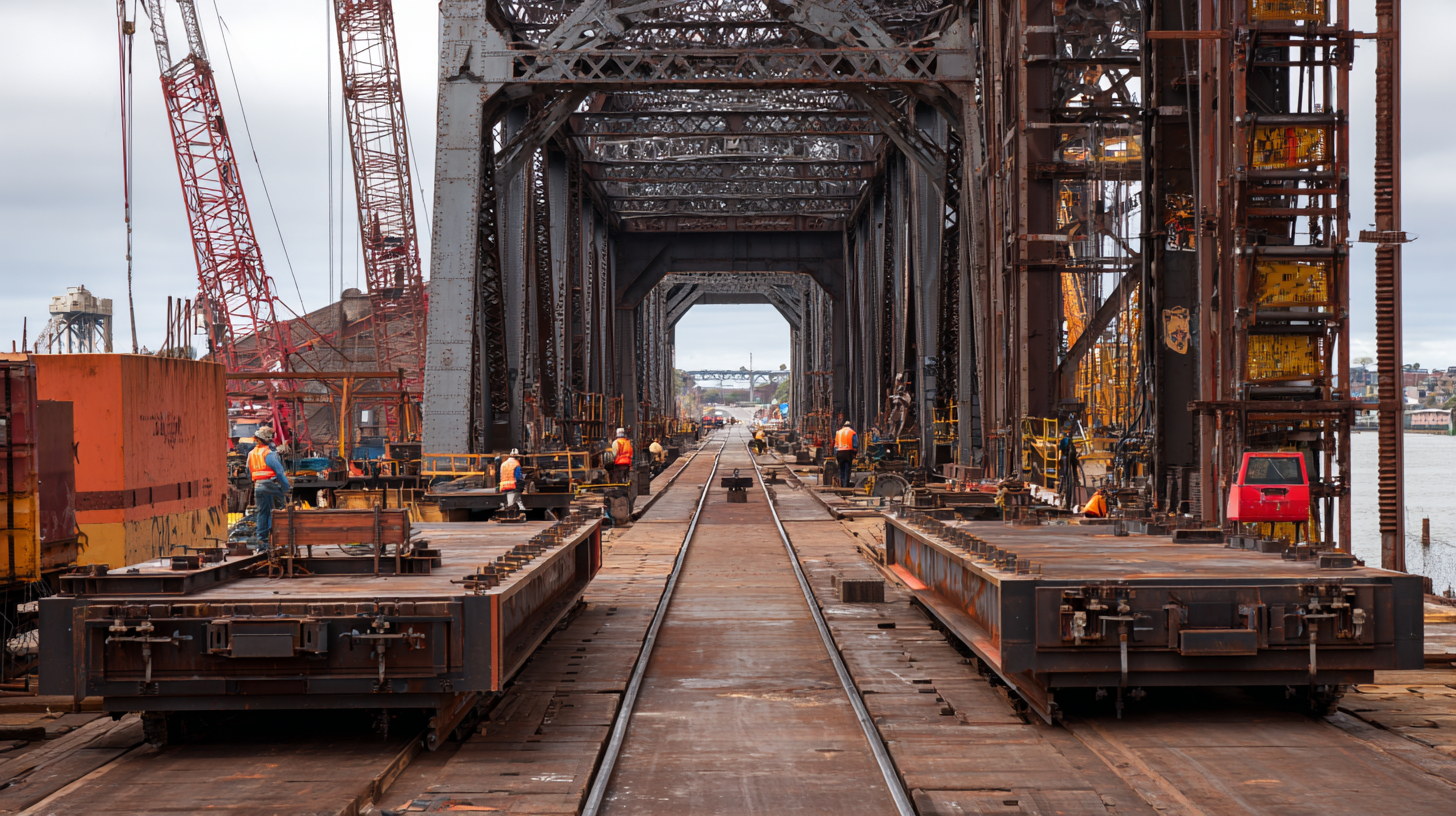 When you're managing a bridge construction project, getting your budgeting and resource planning right is absolutely key to keeping things on track. A good starting point is to put together a detailed budget that covers all the possible costs — stuff like materials, labor, and equipment. It’s smart to include a bit of a safety net too, since surprises often pop up and you need some wiggle room to handle those unexpected hiccups. And don’t forget — keeping the budget updated as the project rolls along is super helpful. It lets you keep an eye on spending and tweak things if needed so you don’t blow your budget.
On another note, figuring out what kind of workforce you need is just as important. Finding that sweet spot between skilled workers and equipment ensures everything keeps moving smoothly and on schedule. A phased approach to resource allocation can really help here — it’s about spreading out your workforce and gear during busy times, without overcommitting too early. Plus, staying in open communication with everyone involved — from contractors and suppliers to regulatory folks — really makes a difference. It builds teamwork and keeps everyone accountable, which is so crucial when dealing with all the twists and turns of building a bridge.
Risk Management Techniques for Bridge Construction Projects
When it comes to managing bridge construction projects, risk management really becomes a vital piece of the puzzle. These projects are often complex and tricky, and unexpected challenges can pop up at any time. A 2022 report from the American Society of Civil Engineers shows that nearly 30% of big infrastructure projects, like bridges, go over their original budgets by about 10 to 20 percent, mainly because of unforeseen risks. That’s why having solid risk management strategies in place is so important—it helps project managers get ahead of potential financial pitfalls.
One good way to do this is by thoroughly assessing risks during the planning stage. Think about potential issues like environmental worries, supply chain hiccups, or even design flaws. It’s all about figuring out how likely these problems are and what their impact might be. Interestingly, a survey by the Construction Industry Institute found that projects which actively manage risks are about 15% more likely to finish on time and stay within their budgets. Plus, keeping open lines of communication with everyone involved—stakeholders, team members, and all—really helps everyone stay in the loop and be ready to tackle problems as they come up. It’s all about working together and staying proactive, you know?
How to Successfully Manage Bridge Construction Projects from Start to Finish - Risk Management Techniques for Bridge Construction Projects
| Project Phase | Risk Identified | Impact Level (1-5) | Likelihood (1-5) | Mitigation Strategies |
| Planning | Regulatory Delays | 4 | 3 | Engage early with stakeholders |
| Design | Design Errors | 5 | 2 | Thorough design review process |
| Construction | Weather Conditions | 3 | 4 | Implement flexible work schedules |
| Monitoring | Cost Overruns | 5 | 3 | Regular budget reviews and audits |
| Closure | Safety Hazards | 4 | 2 | Conduct safety training sessions |
Best Practices for Collaboration and Communication in Construction Teams
You know, smooth collaboration and good communication are absolutely essential when it comes to managing bridge construction projects. I read in a report from the Construction Industry Institute that projects which really focus on clear, effective communication tend to boost productivity by about 20% and also see fewer delays overall. So, if you want things to go smoothly, it’s pretty much a must that teams create an environment where everyone feels comfortable sharing ideas and working together—whether it’s architects, engineers, contractors, or clients. It’s all about keeping that open dialogue flowing.
Here are some tips for keeping the communication on point:
1. Lean on Technology: Make use of digital tools and platforms—things like project management software—that help streamline conversations and keep all the docs in one place. Staying connected and up-to-date in real time makes a huge difference.
2. Have Regular Check-ins: Whether it's weekly or bi-weekly, sit down and chat about how things are progressing, what challenges are coming up, and what the next steps should be. Keeping the lines open regularly can help avoid misunderstandings that often lead to delays and extra costs.
Lately, there's been a real push in the industry toward more teamwork and collaboration. A lot of experts believe that bridging the gap between schools and companies can really boost project results, too. Programs that combine practical training with theoretical learning are great because they help students become skilled professionals who know how to work with the latest technology and tools. For instance, when universities team up with industry players, they can help fill the skills gap and prepare a solid, ready-to-go workforce for future projects. It’s all about creating partnerships that actually make a difference.
Overall, fostering open communication and stronger ties between education and industry isn’t just nice to have—it’s
kinda essential for building better, more efficient bridges and construction projects.
Post-Construction Evaluation: Ensuring Long-Term Success of Bridge Projects
Post-construction review might not sound like the most exciting part of building a bridge, but honestly, it’s kinda what makes or breaks the project's long-term success. Basically, it’s about taking a good hard look at how everything turned out compared to what we originally planned. You wanna dig into the details—think structural integrity, how well the bridge functions, and even the impact it has on the local community. Doing this with a mix of engineers, project managers, and stakeholders really helps uncover what worked well and what maybe didn’t go as smoothly as hoped.
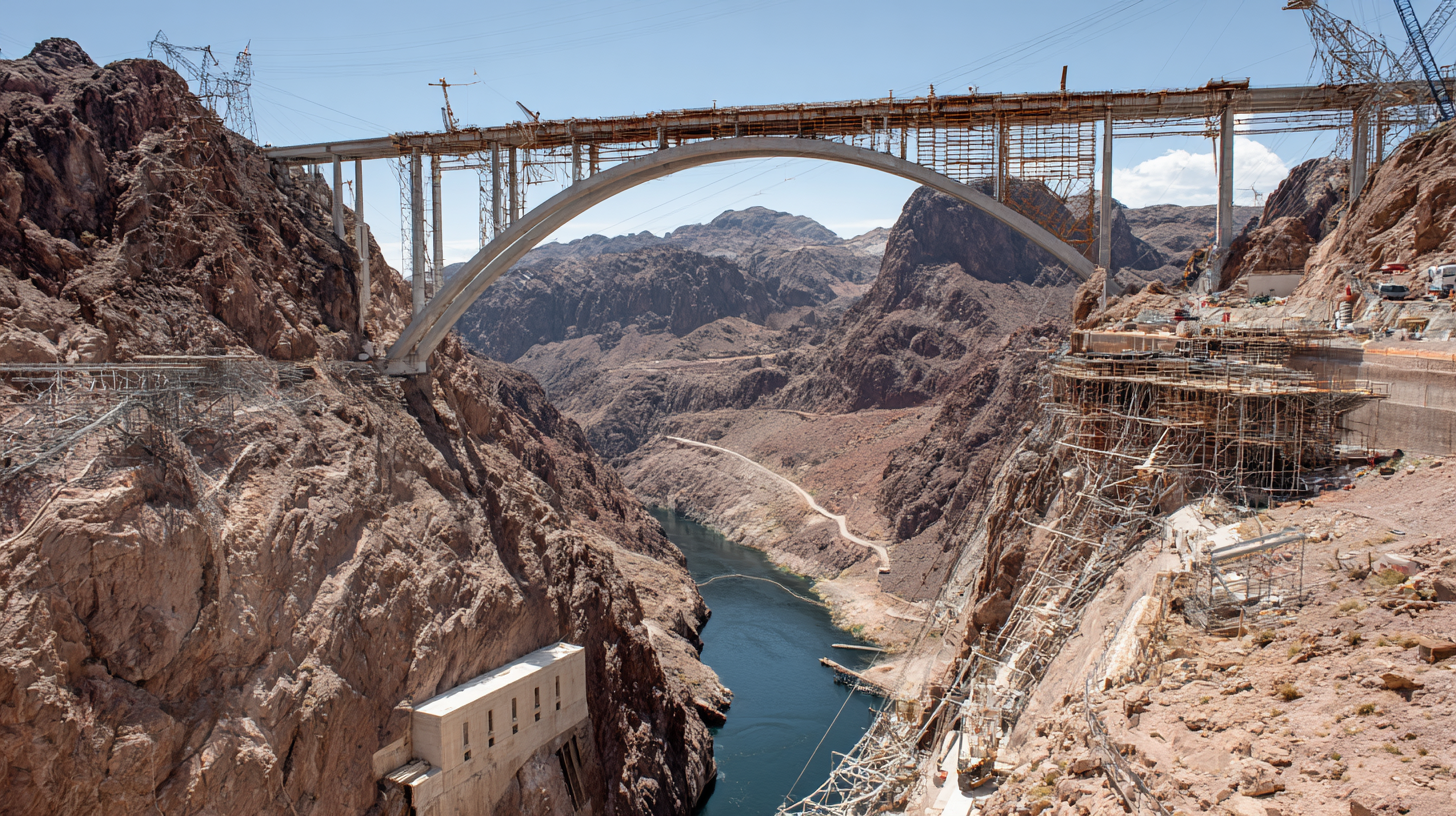
Plus, this kind of evaluation isn’t just about ticking boxes. It’s super valuable because it gives us solid data and lessons learned that we can carry forward into future projects. The bumps and wins from this bridge project can influence how we approach design, pick materials, or handle project management next time around. It’s also a chance to think about sustainability and durability—making sure these structures last longer and serve communities better. Overall, making the effort to reflect and analyze after a project isn’t just about completion; it sets the stage for ongoing improvement and helps ensure these bridges are built to last and really make a difference for the people who rely on them.
FAQS
: The key phases include project initiation, design, construction, and quality control. Each phase plays a critical role in ensuring the project's success.
The project initiation phase is essential because it involves feasibility studies and funding exploration, which lay the groundwork for effective time and resource management. Reports indicate that strong initial planning correlates with successful project outcomes.
The design phase is crucial for ensuring safety and compliance with regulations. Inadequate design can lead to significant cost overruns, so implementing a thorough review process is important to mitigate these risks.
Effective communication during the construction phase is vital. Regular updates and meetings among team members and stakeholders can enhance collaboration and help track progress, thus preventing misunderstandings and delays.
Some strategies include utilizing technology for document sharing, scheduling regular meetings for progress updates, and fostering an environment of open dialogue among all stakeholders.
Key skills include strong leadership, effective communication, active listening, an understanding of project management methodologies, budgeting, scheduling, risk management, and technical knowledge in engineering and construction processes.
Effective collaboration and communication can increase productivity by up to 20% and significantly reduce delays, benefiting overall project outcomes.
Enhancing partnerships between educational institutions and corporate entities can help close the skills gap. Programs that provide practical training alongside academic knowledge can prepare a competent workforce for future projects.
Conclusion
Getting a bridge construction project done smoothly isn't just about hammering away at some plans. It really comes down to understanding the main stages like planning, executing, keeping an eye on things, and finally wrapping up. And if you’re managing the project, you’ve gotta have some key skills—good communication is a must, along with strong leadership to handle all the twists and turns that come up. Managing the budget and making smart decisions about resources are super important to keep everything on track and within budget. Oh, and don’t forget about risk management! Having solid strategies in place can save you from costly delays or surprises.
Teamwork and clear communication are *huge*. They help create a friendly work environment, where people feel motivated to come up with new ideas and work efficiently. After you’ve finished building, it’s also important to assess everything—this helps ensure the bridge lasts and performs well over the long haul. For that, using advanced materials like basalt continuous fiber, which, by the way, is something we specialize in here at China Beihai Fiberglass Co., Ltd., really makes a difference. By keeping all these things in mind—good planning, teamwork, innovative materials—you don’t just get the job done; your bridge can turn out even better than you expected, durable and high-performing for years to come.