Leave Your Message
0%

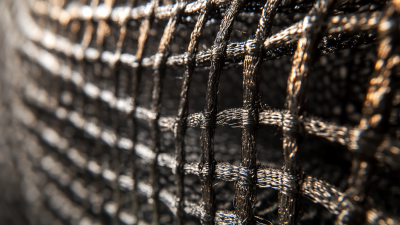
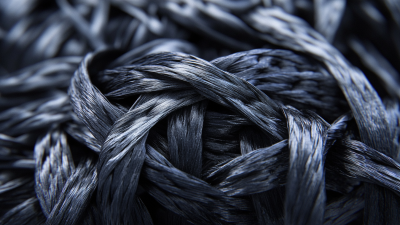
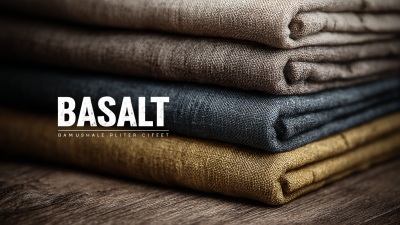
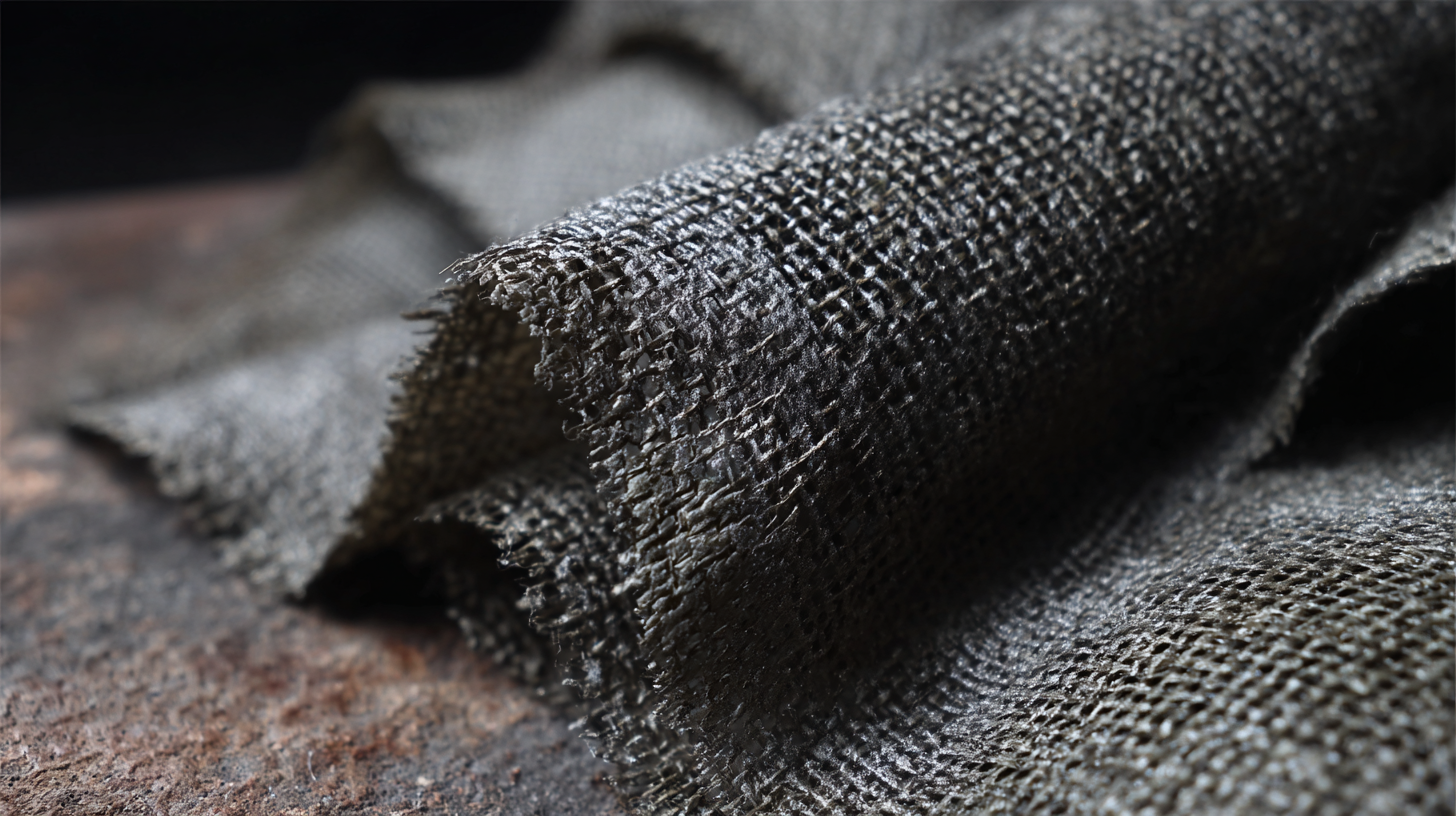
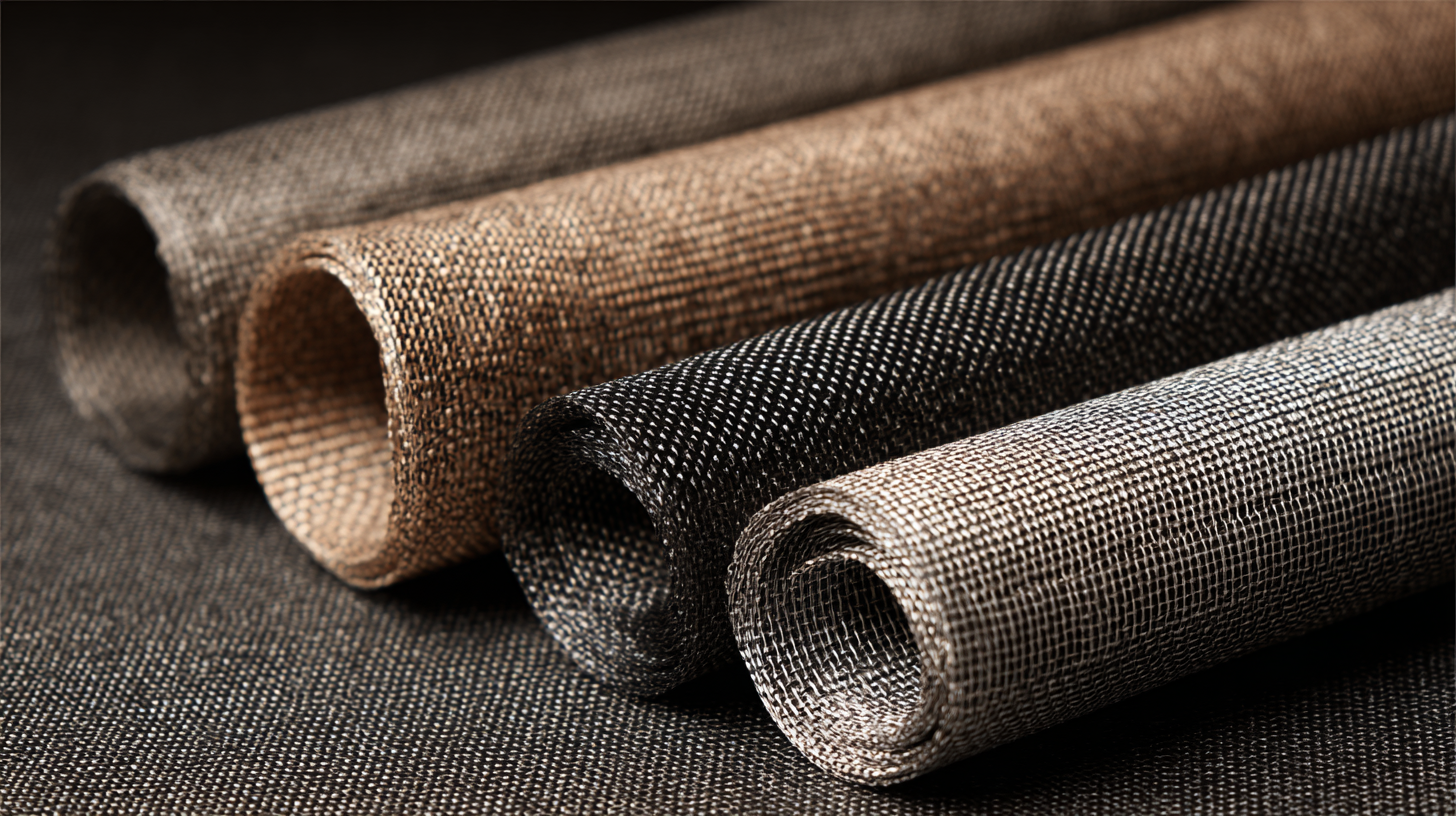
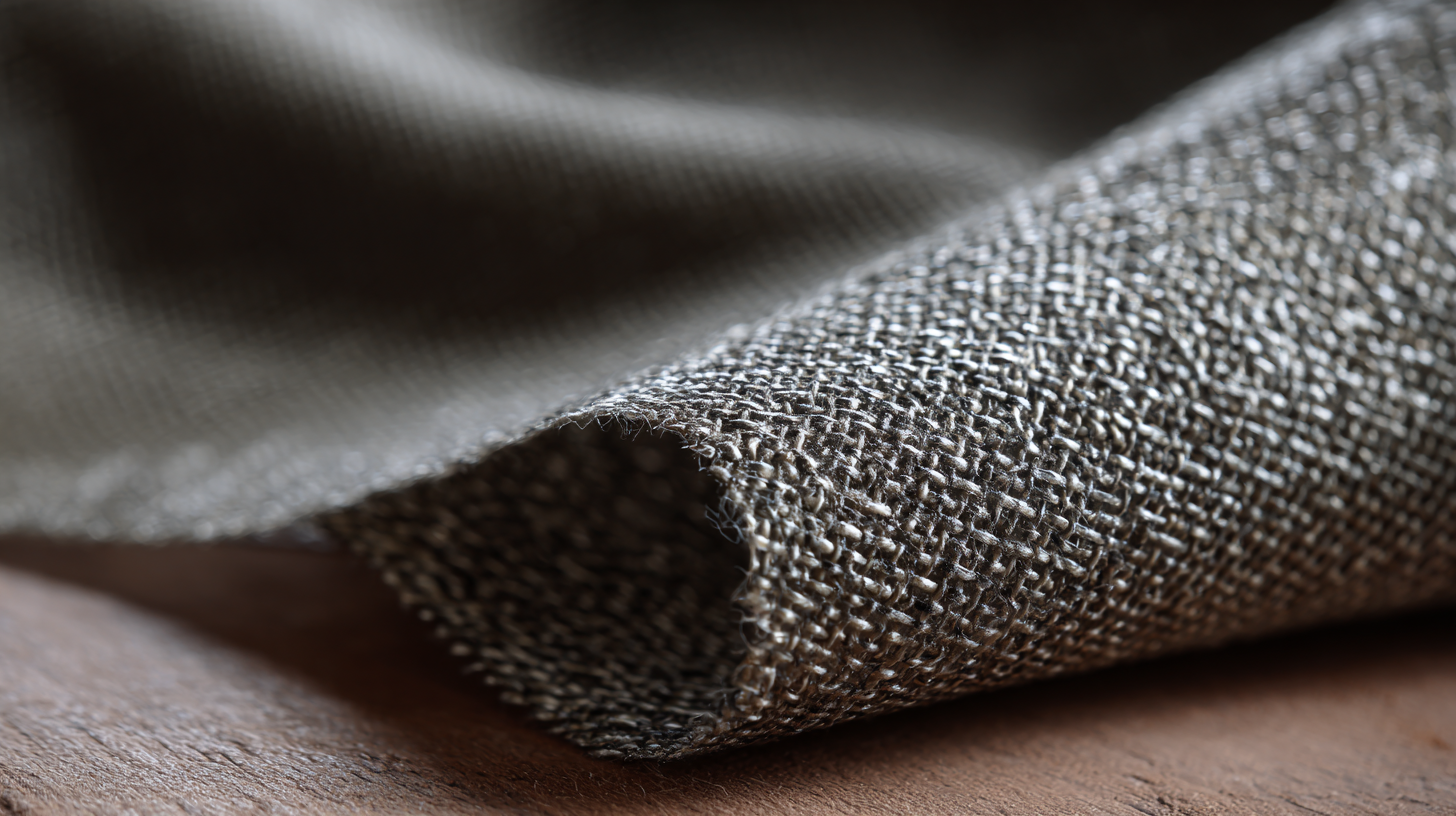
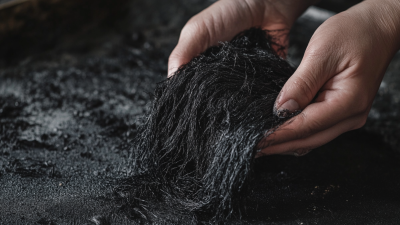
Lately, there’s been a real buzz around using sustainable materials in design projects. It’s exciting because it opens doors to cool and innovative ways to prioritize caring for the environment. One material that’s really been catching people’s attention is Basalt Fiberglass Cloth. It's pretty impressive thanks to its unique features and performance perks. Companies like China Beihai Fiberglass Co., Ltd., who focus on high-performance basalt continuous fiber, are leading the charge here. This stuff isn’t just strong and Durable—it also fits well with eco-friendly goals.
Exploring the Advantages of Basalt Fiberglass Cloth in Sustainable Design Projects

When designers and engineers start exploring what Basalt Fiberglass Cloth can do, they find it’s a great tool for crafting sustainable solutions that work well in today’s building and manufacturing world. In this article, I’ll walk you through the main benefits of using Basalt Fiberglass Cloth in eco-friendly projects, sharing some helpful tips along the way for folks looking to make smarter, more responsible choices in their work.

Advantages of Basalt Fiberglass Cloth in Eco-Friendly Construction

You know, basalt fiberglass cloth is really starting to get noticed in eco-friendly construction these days. It’s because of its pretty impressive qualities and the fact that it’s more sustainable than many traditional materials. What’s cool is that basalt fiber actually comes from natural volcanic rock, which means it has a much smaller environmental footprint. I read in the Global Basalt Fiber Market Report that the demand is expected to grow by around 15% a year up until 2025—that’s a clear sign people are leaning more toward green building options. Plus, this natural stuff not only helps cut down carbon emissions during production but also lasts a lot longer and resists wear from the environment, making it a smart choice for sustainable design projects.

And honestly, basalt fiberglass cloth isn’t just eco-friendly—it also provides great insulation, both thermally and acoustically. This can really boost energy efficiency in buildings. The Department of Energy even mentions that using high-performance insulation like this could save up to 30% on energy costs in homes. On top of that, it’s lightweight, which makes transportation and installation way easier—and that usually means saving some bucks overall. All these points make basalt fiberglass a top pick for architects and builders who are into sustainable practices, helping us move toward greener construction and a smaller ecological footprint overall.

Exploring the Advantages of Basalt Fiberglass Cloth in Sustainable Design Projects

Advantages Description Impact on Sustainability
High Strength-to-Weight Ratio Basalt fiberglass cloth offers exceptional strength while remaining lightweight, enhancing structural integrity. Reduces material usage and transportation costs, leading to lower carbon emissions.
Thermal Resistance It can withstand high temperatures, making it suitable for a variety of applications. Enhances energy efficiency by reducing the need for additional thermal protection.
Eco-friendly Material Made from natural volcanic rock, basalt fiberglass is non-toxic and environmentally friendly. Promotes sustainable practices and reduces reliance on synthetic materials.
Durability Resistant to corrosion, moisture, and UV rays, ensuring long-lasting performance. Minimizes waste and maintenance costs associated with frequent replacements.
Versatility Can be used in various applications, including construction, automotive, and aerospace. Enhances innovation in sustainable design across multiple industries.

Enhanced Durability of Basalt Fiberglass Cloth Compared to Traditional Materials

Have you heard about basalt fiberglass cloth? It’s really catching on in sustainable design lately, mainly because it’s super durable—way more than your typical materials. I read some studies that say basalt fibers can handle temperatures from as low as -260°C up to a scorching 700°C. That kind of resilience makes them perfect for tough environments or heavy-duty structural parts. And if you look at the market trends, according to Research and Markets, the global basalt fiber market is expected to grow by more than 12% CAGR between 2021 and 2026. Seems like everyone’s moving towards stronger, more reliable materials in construction and engineering these days.

But wait, it gets better! Besides being heat-resistant, basalt fiberglass is crazy strong for its weight—much stronger than regular glass fibers. We’re talking around 3000 MPa in tensile strength, compared to about 2000 MPa for standard E-glass fibers. That’s a big deal because it means less chance of failing, so products last longer and waste is cut down. The International Journal of Polymer Science even mentions that this combo of high strength and lightness helps design lighter, more efficient structures, which is a big win for sustainability since it uses fewer resources overall.

Cost-Effectiveness of Basalt Fiberglass Cloth in Sustainable Design Applications

You know, when it comes to sustainable design, basalt fiberglass cloth is really starting to stand out, mainly because it’s a cost-effective alternative to the usual materials we use. I mean, basalt fiber-reinforced polymers (BFRPs) are pretty impressive—they're cheaper to produce and last way longer, which is a huge win. Recent studies show that BFRPs have better mechanical strength and can handle vibrations really well. This means they last longer and keep things stable, so you don't have to worry too much about replacements or maintenance costs down the line.

Exploring the Advantages of Basalt Fiberglass Cloth in Sustainable Design Projects

And honestly, the environmental side of things is just as important. Unlike traditional synthetic options, basalt fibers come from natural volcanic rock and don’t contain nasty chemicals—making them a much greener choice. This fits right into the growing trend of using renewable and biodegradable materials in building stuff sustainably. Plus, far as life cycle assessments go, basalt fiber composites tend to have a smaller environmental footprint compared to glass or carbon fiber ones, which just makes them an even better option for construction and infrastructure projects. As sustainable design keeps gaining ground, I really think basalt fiberglass cloth is going to be a key player in helping us cut costs and build a healthier planet at the same time.

Applications of Basalt Fiberglass Cloth in Renewable Energy Projects

You know, basalt fiberglass cloth is really starting to become a game-changer in the world of renewable energy. It’s made from natural volcanic rock, which means it’s pretty eco-friendly and sustainable. The stuff has some serious advantages — it’s super strong and can handle really high temperatures, making it perfect for things like wind turbine blades, solar panel mounts, and other energy hardware. Plus, it’s lightweight, which is a huge plus when it comes to moving and installing these big systems quickly — no one wants to spend forever on that, right?

On top of all that, basalt fiberglass isn’t just tough — it’s also eco-conscious. Unlike traditional fiberglass, which can contain annoying chemicals, basalt fiber is non-toxic and recyclable. That’s pretty important considering how much industry is aiming to cut back on pollution and reduce their carbon footprints. As more companies and governments push for greener options, materials like basalt fiberglass seem to be really gaining ground. Not only does it boost the performance of renewable energy setups, but it also lines up with our growing focus on environmentally friendly practices in building and design. Honestly, it’s exciting to see how stuff like this is shaping a more sustainable future.

Advantages of Basalt Fiberglass Cloth in Sustainable Design Projects

Environmental Impact of Using Basalt Fiberglass Cloth in Design Initiatives

You know, more and more people are recognizing how using basalt fiberglass cloth in design projects can actually be a pretty big win for sustainability. Unlike your typical fiberglass, basalt is actually made from natural volcanic rock, which means it has a way lower carbon footprint during production. I came across a report from Composites World that mentioned producing basalt fiber kicks out about 67% fewer emissions compared to regular glass fiber — pretty impressive, right? This makes it a much more eco-friendly option that can really help cut down greenhouse gases.

Exploring the Advantages of Basalt Fiberglass Cloth in Sustainable Design Projects

On top of that, basalt fiberglass is super tough — it’s got better mechanical properties and can handle heat better, so things built with it tend to last longer. There was some research in the Journal of Cleaner Production that showed structures made from basalt-based materials can last around 30% longer than traditional ones. That’s a big deal because it means less waste and fewer resources used over time. Plus, basalt is recyclable, so you can repurpose it or turn it into new stuff, which is honestly just another plus for the environment. All in all, combining durability with sustainability really makes basalt fiberglass a key player in eco-friendly design efforts moving forward.

Innovative Design Possibilities with Basalt Fiberglass Cloth in Green Architecture

When it comes to green building materials, basalt fiberglass cloth really stands out as something pretty exciting. It’s a fabric made from volcanic rocks, which gives it some awesome benefits—like being super strong and durable. That makes it perfect for eco-friendly projects since it’s not only lightweight but also resistant to chemicals and heat. Basically, it’s built to last and doesn’t need much fuss or maintenance, which is a huge plus for construction folks. Thanks to these traits, architects and designers can really push the envelope, coming up with structures that are tougher and more efficient than your typical buildings.

What’s cool about basalt fiberglass cloth is how versatile it is. It opens up loads of creative options—think combining great looks with sustainability. Lately, there have been some pretty exciting advancements in how we use it, especially for reinforcing concrete. This means structures can be more protected and durable, all while keeping an eye on reducing the environmental impact. As more builders and designers start experimenting with this material, I honestly think basalt fiberglass cloth might just change the game in sustainable architecture. It’s a step toward greener buildings that blend in better with nature—and, in turn, help us take better care of our planet.

Optimizing Road Construction: The Advantages of High Strength Basalt Fiber Geogrid Mesh for Reinforcement

The use of high strength basalt fiber geogrid mesh in road construction represents a significant advancement in reinforcement technology. This specialized mesh is particularly effective for reinforcing asphalt-concrete surfaces, including those found in airport runways, highways, pedestrian walkways, and road inclines. According to the International Society for Soil Mechanics and Geotechnical Engineering, the application of such materials can enhance the uplift resistance and load distribution of the pavement, allowing for increased durability and lifespan.

One of the remarkable benefits of basalt fiber geogrid mesh is its exceptional strength-to-weight ratio. While providing a strength comparable to traditional metal reinforcements, basalt mesh is 2.6 times lighter, greatly simplifying both transportation and handling on-site. This not only reduces logistical costs but also decreases the risk of injury during installation. Moreover, research highlighted by the American Concrete Institute indicates that using basalt fiber composites can increase the cutting process output by nearly 30% when compared to conventional methods, thereby enhancing overall project efficiency.

Incorporating high strength basalt fiber geogrid mesh into road construction projects not only boosts the overall reliability and safety of pavements but also ensures sustainability through the effective use of materials. This innovative reinforcement solution stands as a testament to the ongoing evolution in construction methodologies, aligning with contemporary focuses on performance and efficiency in infrastructure development.

FAQS

: What is basalt fiberglass cloth made from?

: Basalt fiberglass cloth is made from natural volcanic rock, which gives it a lower environmental impact compared to traditional materials.

How does basalt fiberglass cloth contribute to sustainable construction?

It reduces carbon emissions during production and offers higher durability and resistance to environmental degradation, making it ideal for eco-friendly building projects.

What are the energy efficiency benefits of using basalt fiberglass cloth?

The cloth provides excellent thermal and acoustic insulation properties, potentially leading to energy savings of up to 30% in residential buildings according to the U.S. Department of Energy.

What makes basalt fiberglass cloth lightweight and cost-effective?

Its lightweight nature simplifies transportation and installation, contributing to lower overall project costs in construction.

How does the durability of basalt fiberglass compare to traditional materials?

Basalt fiberglass is significantly more durable, capable of withstanding extreme temperatures from -260°C to 700°C, and has a tensile strength of about 3000 MPa, outperforming standard glass fibers.

What is the expected growth rate for the basalt fiber market?

The global basalt fiber market is projected to grow at a compound annual growth rate (CAGR) of over 12% from 2021 to 2026, indicating increasing demand for resilient construction materials.

How does basalt fiberglass help in reducing material waste?

Its enhanced tensile strength reduces the risk of failure, which leads to longer-lasting products and minimizes material waste over time in construction applications.

What role does basalt fiberglass play in sustainable design projects?

Its combination of high strength, low density, and excellent insulation properties promotes sustainability by minimizing resource consumption and improving structural efficiency.

Why is basalt fiberglass considered an eco-friendly material?

Its natural composition from volcanic rock lowers carbon emissions and environmental impact compared to synthetic alternatives, aligning with eco-friendly construction goals.

Can basalt fiberglass cloth be used in harsh environments?

Yes, its ability to withstand extreme temperatures and conditions makes it suitable for use in harsh environments and various structural applications.

Conclusion

So, I came across this article called "Exploring the Advantages of Basalt Fiberglass Cloth in Sustainable Design Projects," and honestly, it’s pretty interesting. Basically, it’s digging into all the benefits of using Basalt Fiberglass Cloth in eco-friendly building and design efforts. The stuff is pretty impressive — way more durable than the usual materials, which makes it a solid choice if you're into sustainable projects. Plus, it’s cost-effective, so architects and builders who want to go green might find it to be a real winner.

It’s also pretty versatile, especially when it comes to renewable energy projects. The material works well and can really help hit environmental goals. And here’s the cool part: it opens up new creative possibilities in green architecture. You know, designing buildings that are innovative yet environmentally friendly. Leading the charge in this industry is China Beihai Fiberglass Co., Ltd., showcasing just how much potential Basalt Fiberglass Cloth has to push sustainable design forward with high-performance, eco-conscious solutions. It’s exciting to see how it all fits together, honestly.
Isabella

Isabella

Isabella is a dedicated marketing professional at Jiujiang Beihai Fiberglass Co., Ltd. (Project Four), specializing in promoting the company's diverse range of high-quality fiberglass products. With a deep understanding of the industry and a passion for innovation, she plays a vital role in driving......
Previous Innovative Approaches for Utilizing Basalt Cleavage in Modern Applications