When it comes to aviation, the quality of airport runways really makes a big difference in how safe and efficient flights can be. I remember listening to Dr. James Miller from AeroTech Solutions, an expert in the field, saying, “A well-maintained runway is crucial for every successful flight.” That really hit home for me—it’s a reminder just how important it is to evaluate and recognize the best runways all across China.
Now, China’s got a ton of airports, but only a handful truly stand out with runways that meet international standards. Take Beijing Capital International, which is super busy, or the peaceful surroundings of Kunming Changshui International—that each airport has its own vibe. Those runways are more than just asphalt strips; they’re a testament to engineering prowess and are key to making landings and take-offs as smooth and safe as possible.
That said, it’s not all smooth sailing. Even the top-tier runways need regular upkeep and upgrades. Weather changes with the seasons can cause issues, and that’s something to watch out for. So, while we do want to celebrate the top spots, it’s equally important to recognize that ongoing efforts are essential to keep these runways in top shape. Moving forward, China’s aviation industry will need continuous innovation and improvements to make sure runway infrastructure keeps pace with safety standards—and that’s pretty exciting when you think about the future."
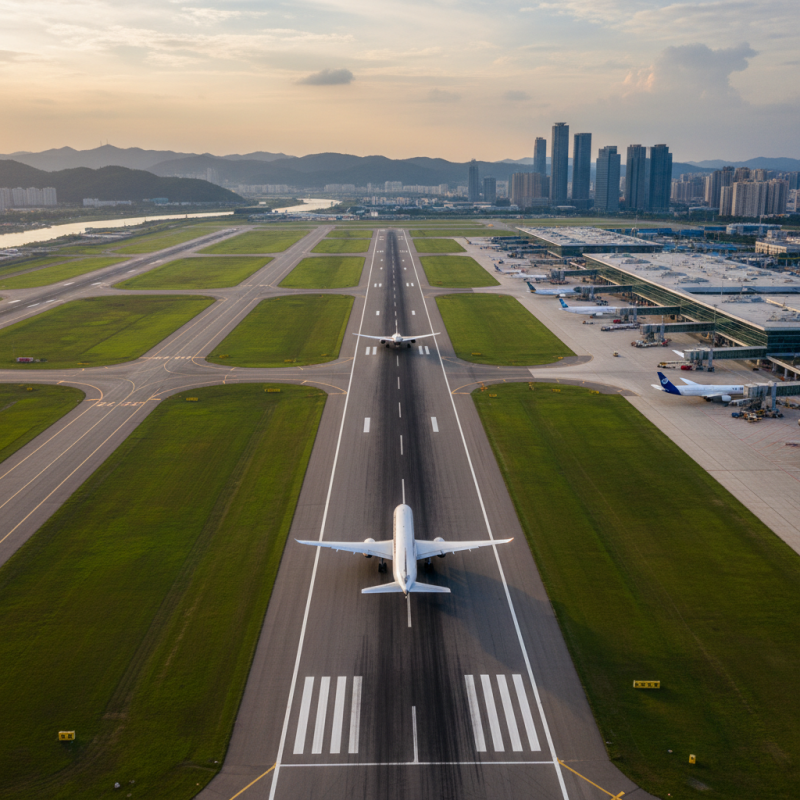
When it comes to air travel, runways play a crucial role in ensuring safe and efficient operations. In China, several airports stand out due to their exceptional runway quality. These runways are constructed using advanced materials designed for durability and performance. They accommodate various aircraft types, from small regional jets to large international carriers.
One notable aspect is runway maintenance. While many airports focus on this area, some have lapses that need addressing. For instance, the presence of debris can pose significant risks. Regular inspections and timely repairs are essential for maintaining runway integrity. This is an area where continuous improvement is needed.
Another factor to consider is weather conditions. Airports in regions with harsh climates may face challenges. Snow and heavy rain can affect runway conditions. Inconsistencies in management can lead to delayed flights or, worse, safety issues. Addressing these challenges is vital for maintaining high standards across China's airports. With ongoing attention to these factors, the runway experience can enhance travel safety and efficiency.
| Rank | Airport Name | Location | Runway Length (m) | Runway Surface Type |
|---|---|---|---|---|
| 1 | Beijing Capital International Airport | Beijing | 3800 | Asphalt |
| 2 | Shanghai Pudong International Airport | Shanghai | 4000 | Concrete |
| 3 | Guangzhou Baiyun International Airport | Guangzhou | 3600 | Asphalt |
| 4 | Chengdu Shuangliu International Airport | Chengdu | 3600 | Asphalt |
| 5 | Shenzhen Bao'an International Airport | Shenzhen | 3600 | Concrete |
| 6 | Xi'an Xianyang International Airport | Xi'an | 3600 | Asphalt |
| 7 | Hangzhou Xiaoshan International Airport | Hangzhou | 3800 | Asphalt |
| 8 | Chongqing Jiangbei International Airport | Chongqing | 3600 | Concrete |
| 9 | Nanjing Lukou International Airport | Nanjing | 3600 | Asphalt |
| 10 | Tianjin Binhai International Airport | Tianjin | 3800 | Concrete |
When evaluating Airport Runways, several key factors ensure quality and safety. Surface material plays a significant role. Concrete and asphalt are common choices, each offering unique durability and maintenance challenges. Weather conditions also impact runway performance. Airports in regions with heavy rainfall or snow need robust drainage systems to prevent water accumulation.
Another critical aspect is runway length and width. Longer runways can accommodate larger aircraft and provide more safety margins during takeoff and landing. However, broader runways can enhance safety by reducing the risk of runway incursions. Regular inspections and maintenance are essential. Even the best runway can face wear and tear over time.
**Tips:**
Consider the frequency of runway inspections at your local airport. High-quality management indicates a commitment to safety. Watch for signs of surface damage during your travels. A well-maintained runway reflects the airport's overall reliability. Stay informed about recent updates on airport facilities and quality standards.
In China, the choice of runway materials significantly impacts airport safety and efficiency. High-quality materials enhance durability and resist wear from heavy aircraft traffic. According to a recent study by the International Civil Aviation Organization (ICAO), runways constructed with polymer-modified asphalt have increased lifespan and improved anti-skid properties. This is crucial, especially in regions with heavy rainfall or extreme weather.
A comparative analysis shows that many airports in China prefer concrete for its strength. However, asphalt offers a smoother surface for takeoffs and landings. Research indicates that approximately 70% of new runways use a combination of both materials. This hybrid approach can optimize performance but requires careful planning. Some airports still face issues with runway cracking, leading to safety concerns and costly repairs. Balancing cost, performance, and longevity remains a challenge for airport authorities.
Moreover, the environmental impact of runway material is increasingly being scrutinized. Sustainable materials like recycled asphalt are gaining attention. However, their adoption is still limited. Industry reports suggest that only 15%of airports in China have implemented green practices in runway Construction. This indicates a significant area for improvement to enhancesustainability in aviation infrastructure.
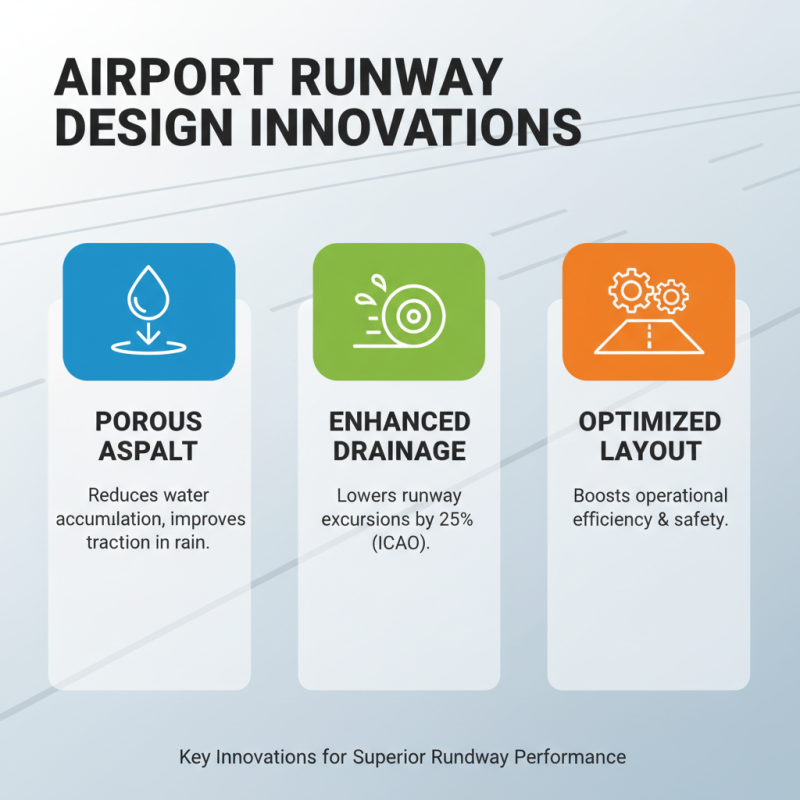
Airport runway design significantly impacts operational efficiency. Innovations in materials and layout enhance safety and performance. For example, porous asphalt is increasingly used. This material helps reduce water accumulation and improve traction during rain. As reported by the International Civil Aviation Organization, proper drainage is crucial. It can lower the likelihood of runway excursions by as much as 25%.
Moreover, the incorporation of advanced lighting systems plays a vital role. Modern LED technology improves visibility in low-light conditions. A study by the Federal Aviation Administration indicates that better lighting reduces nighttime accidents by 30%. Timely maintenance should not be overlooked either. Regular inspections and prompt repairs are essential for runway longevity. Neglecting these areas can lead to costly downtime and safety hazards.
Airports also explore innovative designs. Expanding the length and width of runways can accommodate larger aircraft. However, this raises questions about space use and environmental impact. Thus, while innovations introduce benefits, they require careful consideration and balance.
Runway maintenance is critical to ensuring safety at airports. In China, regulations are set to maintain high safety standards. These rules dictate how often runways need inspections and repairs. Regular assessments help identify surface wear and tear. If not addressed, even small issues can lead to serious incidents.
Airports must follow strict guidelines. Each runway undergoes detailed inspections, including checking for cracks and uneven surfaces. Weather also plays a role in runway safety. Rain and snow can cause rapid deterioration, requiring prompt attention. Recent incidents have highlighted lapses in maintenance. This reinforces the need for continuous training and adherence to these regulations.
While China has robust safety standards, challenges remain. Some airports face budget constraints, impacting maintenance schedules. Not all runways receive equal attention. Larger airports often prioritize over smaller, regional ones. This disparity can create vulnerabilities in the overall safety network. Efforts are needed to ensure consistent standards, regardless of the airport's size or location.
This chart displays the runway quality scores of the top 10 airports in China according to safety regulations governing runway maintenance. Scores range from 0 to 100, showcasing the commitment to quality and safety in air travel across these major airports.
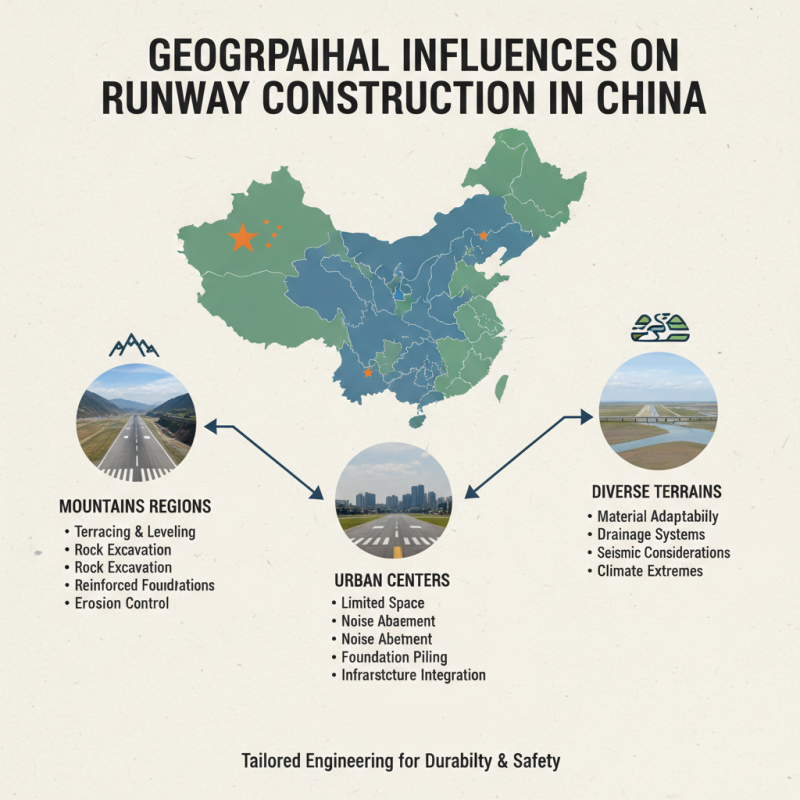
China's vast geography poses unique challenges for runway construction. Many airports must adapt to diverse terrains. From mountainous regions to sprawling urban centers, each location requires tailored engineering solutions. The landscapes inform the choice of materials, design, and techniques to ensure durability and safety.
For example, runways in coastal areas face different stresses than those in the interior. High winds, salt exposure, and heavy rainfall are common threats. Engineers must consider these factors during the planning stages. Moreover, altitude can affect runway performance. Airports located in elevated regions may need longer runways for safe takeoffs and landings.
In some instances, local resources dictate construction choices. Availability of materials can lead to compromises in runway design that may not meet international standards. Additionally, extreme weather conditions can disrupt maintenance schedules. The balance between cost and quality remains a constant challenge. These geographical influences shape not only the functionality of runways but also their longevity.
The future of runway development in Chinese airports is evolving rapidly. According to the IATA, the demand for air travel in Asia is predicted to rise by 50% by 2030. This substantial growth prompts airports to rethink runway design and functionality.
Runways must accommodate larger aircraft and heavier traffic while prioritizing safety and efficiency.
Innovative materials and construction techniques are gaining traction. Many airports are exploring the use of high-performance asphalt and advanced concrete mixtures. These materials can enhance durability and reduce maintenance costs.
Emerging technologies also play a role in runway monitoring and maintenance. Drones and AI-driven systems are being utilized to detect surface issues, ensuring timely repairs. Despite these advancements, challenges remain. Funding for runway expansion often lags behind growth projections.
Environmental concerns are also paramount. Balancing expansion with sustainability requires careful planning. Some airports are evaluating the impact of runway procedures on local wildlife and ecosystems. This reflection is essential for future developments. The interplay of technology, environmental responsibility, and increased demand will shape the runways of tomorrow. The path ahead is filled with possibilities, yet also significant hurdles to overcome.
: Runways are crucial for safe and efficient air travel operations. They ensure aircraft take off and land safely.
Regular inspections and prompt repairs are vital. Debris on runways can pose significant safety risks.
Harsh weather, like snow and heavy rain, can affect runway conditions, leading to potential delays and safety issues.
Porous asphalt is one example. It reduces water accumulation and improves traction, especially during rainy conditions.
Modern LED lighting improves visibility in low light. This technology can reduce nighttime accidents significantly.
Diverse terrains necessitate tailored engineering solutions. Factors like altitude and local weather conditions impact runway design.
Availability of materials can limit construction quality and adherence to international standards, posing challenges for safety.
Innovations can improve performance but might raise concerns about space use and environmental impact.
Larger runways can accommodate bigger aircraft. However, this requires careful planning and consideration of surrounding areas.
Some airports still have lapses in inspection and maintenance. Addressing these issues is essential for overall safety and efficiency.
The article "Top 10 Airports with the Best Runways in China" explores various aspects of airport runways, highlighting the top ten airports known for their exceptional runway quality. Several factors determine runway quality in airports, including materials used, design innovations, and the impact of safety regulations. A comparative analysis of runway materials reveals differences in durability and performance, while innovative airport designs contribute to enhanced runway functionality.
Additionally, geographical influences play a significant role in runway construction, affecting both engineering and safety practices. As the aviation industry evolves, the article also discusses future trends in runway development in Chinese airports, emphasizing the ongoing efforts to improve airport runways to ensure efficient and safe air travel. Overall, the assessment of airport runways underscores their critical importance in aviation infrastructure.