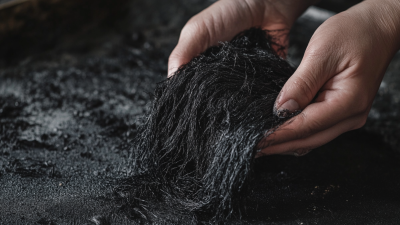
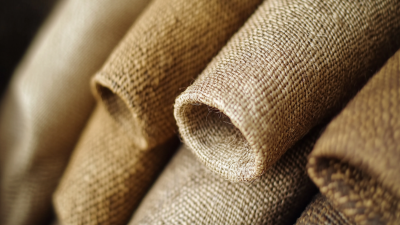
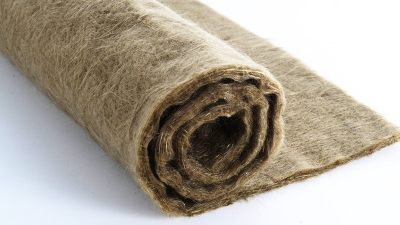
The world of materials innovation is changing pretty fast these days, and Basalt Fiber Mat technology is really leading the charge. You know, China Beihai Fiberglass Co., Ltd. is a high-tech company that's all about researching, developing, producing, and selling top-notch basalt continuous fibers. They're pushing forward breakthroughs that could totally reshape how various industries operate in the future.
According to this recent global market report, the basalt fiber market is projected to hit around $100 millionby 2025. This is mainly because of its amazing strength, Lightweight nature, and overall performance. It’s pretty exciting because people are realizing thatBasalt Fiber Mat isn’t just good for performance — it’s also better for the environment and costs less than traditional materials.
As we look ahead to what's next for Basalt Fiber Mat tech, we'll see how it’s already being used in all sorts of fields, showing off its potential to totally change the game in composite materials.
Emerging Trends in Basalt Fiber Mat Technology and Its Applications
Lately, there's been a lot of buzz around basalt fiber mat tech, and honestly, it’s pretty exciting how it’s shaking up both the construction and automotive worlds. These days, everyone’s talking about finding greener options, and basalt fibers are really standing out as a renewable choice that helps push sustainable development forward. Because they’re lightweight but tough as nails, they’re perfect for use in polymer composites—kind of like a win-win for those wanting more eco-friendly building materials. As more industries start to explore new ways to put basalt mats to work, it feels like we're gonna see them become way more common. They pack a punch not just environmentally but also with their solid mechanical qualities.
On top of that, recent studies are spotlighting how important basalt fibers are becoming in different fields, from making stuff flame-retardant to being used in 3D printing. With all these advancements in fiber-reinforced polymer composites, it’s clear they’re playing a growing role—from aerospace to defense—because they perform so well under tough conditions. Plus, research into mineral fiber-reinforced concrete shows a trend towards using natural fibers more and more to boost building materials. The market for basalt fibers is expected to grow big time by 2032, which paints a pretty promising picture for these composites and their role in future innovations across a bunch of different areas.
The Role of Digitalization in Enhancing Basalt Fiber Production Processes
You know, digitalization is really shaking things up across all sorts of industries, and basalt fiber production is no different. When companies start weaving in advanced digital tech into how they make basalt fiber mats, it’s a game changer. They can work faster, make better quality stuff, and cut down on costs — kind of a win-win. Automation, in particular, is a big deal here. It allows for real-time monitoring of the production lines, which means companies can make quick adjustments on the fly, reducing waste and making better use of resources.
Plus, using data analytics has really helped manufacturers spot patterns and find bottlenecks — basically, figuring out what's slowing things down. With that kind of insight, they can smooth out operations and ramp up production, pushing the whole basalt fiber tech frontier forward. And it’s pretty cool how edge computing and IoT devices help gather data more effectively, making decision-making smarter and more strategic. As everyone keeps adopting these digital advances, the potential for new uses and better products really opens up, heading toward a future that's more sustainable and innovative — pretty exciting, honestly.
The Future of Innovation in Basalt Fiber Mat Technology
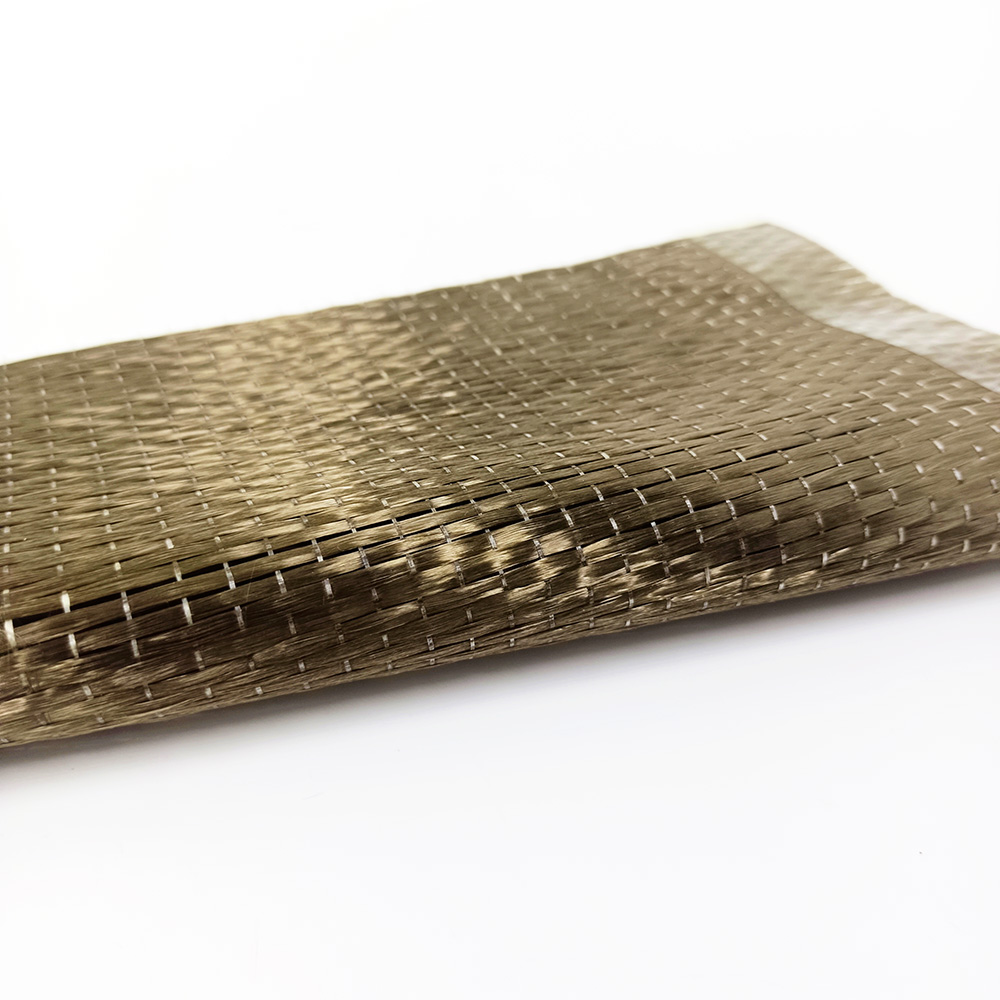
This chart illustrates the projected growth in global basalt fiber production from 2020 to 2024, highlighting the increasing demand and innovations in basalt fiber mat technology supported by advancements in digitalization.
Comparative Analysis: Basalt Fiber Mat vs. Traditional Materials
As industries keep changing, the need for new and better materials has really never been more urgent. You know, when you look at options, basalt fiber mats just stand out compared to the usual stuff like fiberglass or carbon fiber. These fibers come from volcanic rock — pretty cool, right? — which means they’re eco-friendly and also resistant to heat and chemicals better than a lot of other materials. Because of that toughness and durability, they tend to last longer, making them a smarter, more sustainable choice for construction and manufacturing projects.
When you're picking out materials for a project, it's a good idea to think about the pros and cons. Tip 1: Do a full lifecycle analysis — basically, look into how these basalt fiber mats hold up over time compared to traditional materials, especially when it comes to durability and how much you'll spend on maintenance. Sure, conventional options might seem cheaper at first, but let’s be honest—over the long run, the savings from using basalt mats can really add up and make the initial cost worth it.
Oh, and here’s another thing — basalt fiber mats are super lightweight. That can really make a difference in reducing overall project weight. Tip 2: Always check if your project actually benefits from lighter materials. Less weight means easier transportation and handling, which can cut down costs and speed things up overall. Honestly, by using these kinds of innovative materials, you're not just boosting how well your project performs — you’re also helping out the environment in the process.
Innovative Applications of Basalt Fiber Mats in Construction and Engineering
You know, when it comes to construction and engineering, basalt fiber mats are really shaking things up. They've got this cool edge because they’re made from volcanic rock, which gives them some pretty awesome mechanical properties. Compared to traditional stuff like glass or carbon fibers, these mats are lighter but still super strong. Plus, they resist heat and corrosion like champs — which is a big deal for things like bridges, highways, and buildings that need to stand the test of time.
One of the coolest uses I’ve seen is in reinforcing concrete. Just tossing in these mats can make the concrete way stronger against cracking, which means your structures last much longer. And if you’re worried about the environment, basalt fibers are actually pretty eco-friendly since their production doesn’t pollute as much as synthetic fibers. They’re also a lifesaver when it comes to retrofitting older structures — a cost-effective way to boost strength without ripping everything apart. As more folks in construction start exploring new materials, basalt fiber mats are definitely worth keeping an eye on for what’s next.
It's pretty exciting to see how such a natural material can make a real difference in building smarter and greener projects now and in the future.
Sustainability and Environmental Benefits of Basalt Fiber Technology
Lately, you’ve probably heard about how basalt fiber technology is really shaking things up across different industries. It’s pretty exciting because these fibers, made from volcanic rock, are not just tough and durable but also eco-friendly—kind of like a green alternative to the usual materials. Companies in construction, car manufacturing, and even aerospace are jumping on board because of these benefits. In fact, a report from Research and Markets suggests that the worldwide basalt fiber market could hit about $280 million by 2027—showing how more folks are realizing its advantages, especially when it comes to sustainability.
One of the coolest things about basalt fiber is that you can recycle it. Unlike regular glass fibers, which stick around in the environment for hundreds of years, basalt fibers are reusable and won’t harm the planet. A study from the University of Udine even found that making basalt fibers produces way fewer carbon emissions—up to 80% less—compared to traditional fiberglass. That’s a big deal because it helps industries meet stricter environmental rules and also cuts down on waste. Plus, basalt fibers can handle super high temperatures and corrosive stuff, which means products last longer and you don’t need to replace them as often. It’s kind of like the future of eco-friendly, long-lasting materials—and honestly, it’s pretty impressive.
The Future of Innovation in Basalt Fiber Mat Technology - Sustainability and Environmental Benefits of Basalt Fiber Technology
| Dimension | Description | Sustainability Impact | Environmental Benefits |
| Material Resource | Primarily sourced from basalt rock, an abundant natural resource. | Low energy consumption during production compared to synthetic fibers. | Reduction in reliance on petrochemical resources. |
| Biodegradability | Basalt fiber is inert and does not release harmful substances. | Contributes to lower environmental footprint. | Minimizes pollution and waste accumulation. |
| Durability | Highly resistant to corrosion, UV, and temperature variations. | Long lifespan reduces replacement frequency. | Lowers resource consumption over time. |
| Applications | Used in construction, automotive, and aerospace industries. | Supports sustainable building practices. | Promotes recycling and reuse in various sectors. |
Challenges and Future Prospects for Basalt Fiber Innovation in Industry
Looking ahead, the future of basalt fiber mat technology is pretty exciting—there’s a lot of potential there. But, honestly, it’s not all smooth sailing. As more industries push for sustainable materials, basalt fibers could really shake things up and possibly replace some of the traditional options out there. That said, there are definitely some technical hurdles to jump over when it comes to production and processing, which means we’re not quite at the point of fully unleashing their benefits yet. Companies like China Beihai Fiberglass Co., Ltd. are really leading the charge on this, working hard to improve the performance and versatility of basalt continuous fibers.
If we want to get past these obstacles, it’s super important for everyone involved—industry players, researchers, tech folks—to team up. Sharing knowledge, resources, and ideas can speed up innovation a lot. On top of that, investing in better manufacturing tech and streamlining supply chains will make basalt fibers more affordable and easier to get hold of.
**Pro tip:** Keep an eye on the latest in materials science by hitting up industry conferences and trade shows. They’re great for spotting new trends and potential collaborations.
**Another tip:** Building partnerships with universities and research institutions can open the door to some seriously cutting-edge research, helping to push basalt fiber tech even further and faster.
Enhancing Comfort: The Benefits of Basalt Fiber Needled Mats for Thermal and Acoustic Insulation
Enhancing Comfort: The Benefits of Basalt Fiber Needled Mats for Thermal and Acoustic Insulation
In the pursuit of optimal indoor comfort, thermal and acoustic insulation plays a pivotal role. Our Basalt Fiber Needled Mats stand out as an exceptional solution, made from 100% basalt glass fibers that withstand extreme temperatures, with a resistance of up to 982°C (1800°F) and a continuous operating temperature of 760°C (1400°F). This remarkable thermal stability ensures that these mats can be used in a wide range of applications, from industrial settings to residential spaces, where high-performance insulation is crucial.
The unique needle-punching process used in the production of Basalt Fiber Needled Mats creates numerous small holes throughout the material, which enhances their thermal insulation capabilities. According to industry research, basalt fiber-based products can achieve thermal resistance values that are significantly higher than traditional insulation materials, making them ideal for energy-efficient building designs. Furthermore, basalt fibers also offer excellent acoustic insulation properties, absorbing sound waves and reducing noise pollution in various environments, thus contributing to a more serene atmosphere.
Moreover, the inherent properties of basalt fibers, including their high resistance to fire and electrical insulation capabilities, make these needled mats a safer and more efficient choice for insulation needs. Studies indicate that using basalt fiber insulation can lead to energy savings of up to 30% in heating and cooling costs, showcasing its practicality and effectiveness for both commercial and residential applications. By integrating Basalt Fiber Needled Mats into construction and renovation projects, builders and homeowners alike can enhance comfort while promoting sustainability and energy efficiency.
FAQS
: Basalt fiber mats are made from basalt fibers, which are derived from volcanic rock.
Basalt fiber mats offer superior thermal and chemical resistance, making them more durable and sustainable than traditional materials such as fiberglass or carbon fiber.
Basalt fiber mats are lightweight, strong, and exhibit impressive resistance to heat and corrosion, enhancing the durability and lifespan of concrete structures.
Yes, while they may have a higher initial cost, their long-term durability and low maintenance needs can justify the investment and result in overall cost savings.
Yes, basalt fiber mats are eco-friendly since their production generates less pollution than that of synthetic fibers.
The basalt fiber industry faces technical hurdles in production and processing that need to be addressed to fully harness the material's advantages.
By collaborating on research and development initiatives and investing in advanced manufacturing technologies to enhance performance and accessibility.
Basalt fiber mats are used to reinforce concrete, significantly increasing its tensile strength and reducing cracking.
Attending industry conferences provides insights into emerging trends, innovative applications, and collaborative opportunities in materials science.
Collaborating with universities and research institutions can drive cutting-edge research and foster the development of the next generation of basalt fiber innovations.
Conclusion
Hey, have you checked out the blog titled "The Future of Innovation in Basalt Fiber Mat Technology"? It really dives into the ever-evolving world of basalt fiber mats, pointing out the latest trends and some pretty exciting new uses across different industries — especially in construction and engineering. I found it interesting how they highlight digitalization’s role in making production smoother and better quality-wise; honestly, it kind of makes traditional materials seem a bit outdated. Oh, and they put a real emphasis on sustainability, which is such a big deal these days. Basalt fiber mats are showing some serious environmental benefits, fitting right into today's eco-conscious initiatives.
Plus, the blog doesn’t just stop at the good stuff — it also talks about the hurdles the industry’s facing and what exciting developments might be on the horizon. China Beihai Fiberglass Co., Ltd., a pretty high-tech company, is actually leading the charge here. They’re really pushing the envelope with research and making top-notch basalt continuous fiber products, aiming to stay ahead of the game. All in all, with tech and sustainability working hand in hand, it looks like basalt fiber mats are set to have a pretty awesome and transformative future. Pretty inspiring, don’t you think?