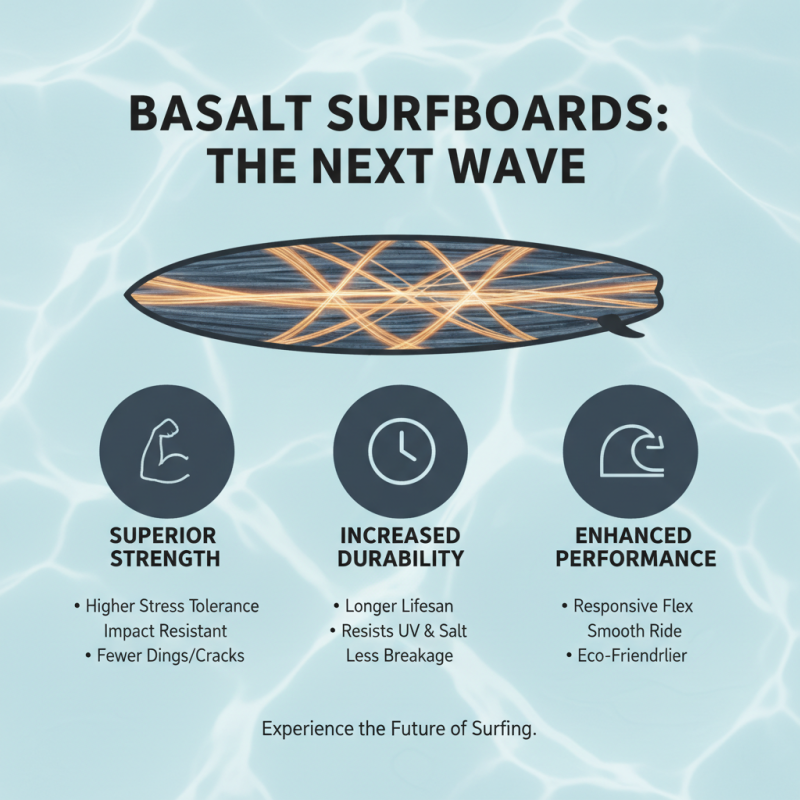
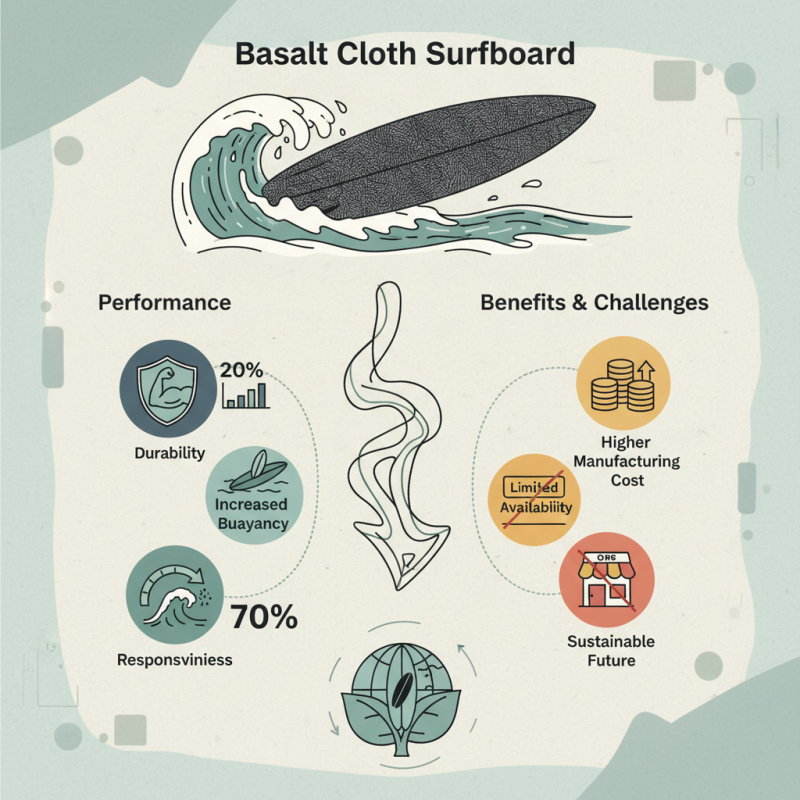
Lately, there's been quite a buzz in the surfboard world about shifting toward more sustainable materials. One cool example is the Basalt Cloth Surfboard. Made from volcanic rock, these boards are pretty impressive—they combine strength and flexibility, and reports even say they last about 20% longer than your standard fiberglass boards. No wonder more surfers are checking these out!
A lot of folks really love how buoyant and responsive Basalt surfboards feel in the water. A study from Surfing Magazine mentioned that around 70% of surfers noticed better performance when riding on them. It’s pretty clear—more and more people are open to trying new, innovative materials for a better, more exciting surf experience.
That said, it’s not all smooth sailing just yet. Manufacturing Basalt Cloth tends to be a little pricier than making traditional fiberglass boards, and not every surf shop has jumped on the bandwagon. As the market keeps evolving, it’s important to keep these factors in mind. But all in all, the Basalt Cloth Surfboard seems like a pretty promising step toward a more sustainable future for surfing gear.
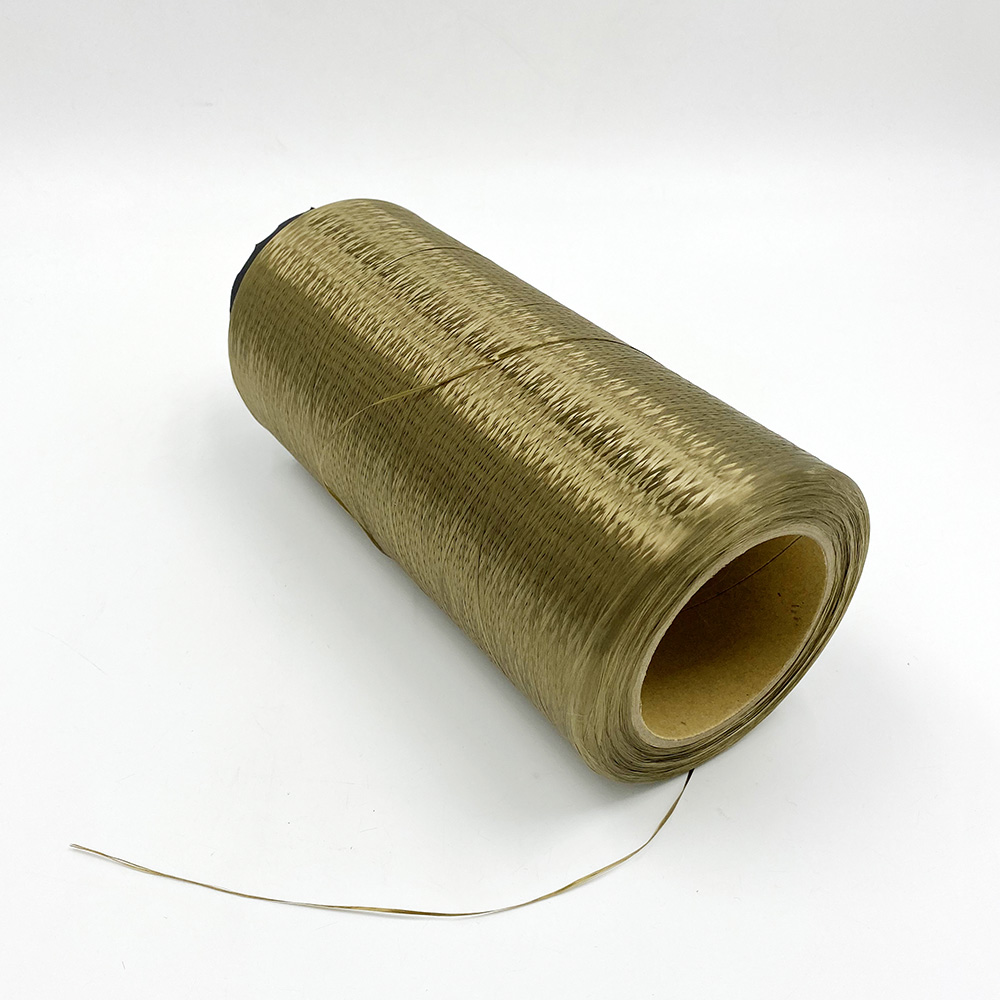
Basalt clothis gaining attention in the surfboard community. Made from Basalt Fibers, this material offers unique characteristics. It’s known for itsdurability and strength, which is crucial for high-performance surfing. Basalt Fiber Surfboards can withstand harsh conditions, providing reliability on big waves.
The lightweight nature of basalt cloth is another advantage. This enables surfers to maneuver easily. The texture of the fabric also enhances grip, giving surfers more control. However, some might find the cost higher than traditional materials. It's worth considering if the performance benefits are what you seek.
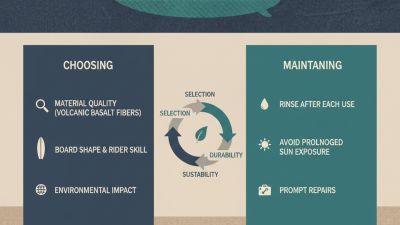
Furthermore, eco-friendliness is a topic worth exploring. Basalt fibers are sourced from volcanic rock, making them a more sustainable option. Conscientious surfers appreciate this aspect as they invest in the environment. Balancing durability with environmental impact is crucial. Do consider your own surfing style when choosing the best surfboard options.
Basalt cloth surfboards are gaining attention. They offer unique performance advantages. One of the standout features of Basalt Fiber Cloth Twill Cloth is its strength. Reports indicate that basalt fibers can endure higher stress than traditional fiberglass. This leads to increased durability and longer-lasting boards.
Additionally, basalt cloth has excellent vibration dampening properties. This means a smoother ride on choppy waters. Studies show that boards made from basalt can reduce noise and enhance comfort. Riders often report feeling more connected to the wave. This can improve overall control when surfing.
However, not all aspects are perfect. Basalt cloth surfboards can be heavier than their fiberglass counterparts. This is a point to consider for those who prioritize lightweight gear. The cost can also be higher, which may deter some surfers. Despite these challenges, the benefits of basalt cloth in enhancing performance are clear and compelling.
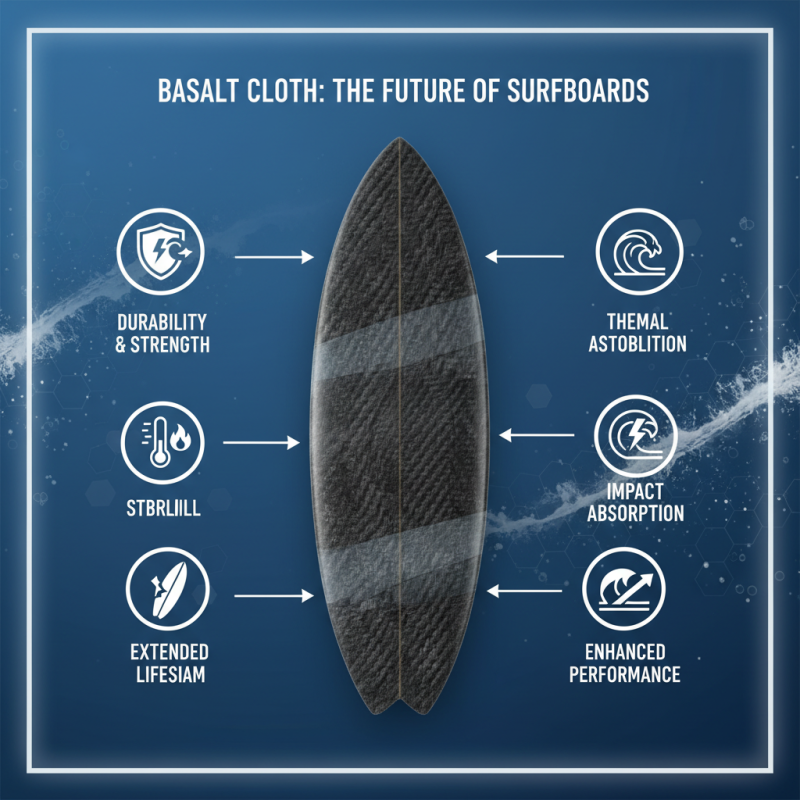
Basalt cloth is gaining attention in surfboard design. Its unique properties bring durability and strength to each board. Unlike traditional materials, basalt fibers boast impressive thermal stability. This can enhance performance in various water conditions. Rough waves and high impact won't easily damage boards made from basalt cloth. They can absorb shocks, extending the board's lifespan.
However, basalt cloth does have some drawbacks. It can be heavier compared to other materials, affecting maneuverability. Additionally, the manufacturing process may not be as refined, leading to inconsistencies. Some surfers report a different feel when riding basalt boards. This can be a point of discussion amongst enthusiasts. Despite these imperfections, many appreciate the strength it offers.
The ability to withstand wear and tear is a major advantage. Surfers can push their limits without worrying about breakage. The environmental impact of basalt cloth is also worth mentioning. It is more sustainable than synthetic alternatives. While it’s not perfect, the potential benefits are undeniable. As more surfers explore this option, it may reshape how we think about surfboard materials.
Basalt cloth is making waves in the surfing community. It offers significant impact resistance, enhancing the longevity of surfboards. When a surfboard gets hit during a wipeout, the fabric absorbs and disperses energy better than conventional materials. This feature is essential, as a durable board means fewer repairs and replacements.
The use of Basalt Fiber Cloth has its unique advantages. Unlike traditional glass, this material is more resistant to extreme conditions. It withstands UV rays, salty water, and harsh impacts. However, the weight of the cloth can sometimes become a concern. Some surfers may notice a difference in board buoyancy. Finding the right balance is crucial for performance.
This cloth’s natural properties contribute to a smoother ride. It offers flexibility while maintaining strength. Yet, not every surfer may appreciate this balance. Some might prefer stiffer boards for their precision. It’s essential to experiment and see what works best for individual needs. The journey of finding the right surfboard is often less about the material and more centered around personal preference.
| Feature | Description | Performance Benefit | Impact Resistance |
|---|---|---|---|
| Lightweight | Basalt cloth is lighter than traditional fiberglass. | Improves maneuverability and reduces fatigue during longer surfing sessions. | Increased performance durability in impact scenarios. |
| Flexibility | Basalt fibers provide enhanced flex characteristics. | Allows for improved wave response and adaptability. | Reduces the chance of breakage during flex under pressure. |
| Thermal Resistance | Resists heat and can endure high temperatures without degrading. | Ensures consistency in performance, even on hot days. | Minimizes thermal damage during intense waves. |
| Eco-friendly | Made from natural volcanic rock, making it more sustainable. | Appeals to environmentally conscious consumers. | Contributes to a smaller ecological footprint. |
| Durability | Higher tensile strength compared to fiberglass. | Longer lifespan and resilience against wear and tear. | Enhances overall board longevity, reducing repair costs. |
When choosing a surfboard, weight is crucial. Basalt Fiberglass Cloth surfboards strike a balance between performance and maneuverability. A lighter board enhances agility in the water, allowing for quicker turns and a more responsive feel. Many experts highlight that a board under 6 pounds can really improve your performance.
Yet, lighter doesn’t always mean better. Sometimes, light boards lack stability, especially in rough water conditions. The material matters too. Basalt Fiberglass Cloth offers a unique blend of strength and flexibility. It has a tensile strength of about 300 MPa. This means it provides durability without adding unnecessary weight.
Many surfers report feeling more control with boards made from this material. However, not all will find the same experience. Some users mention that lightweight boards can feel fragile. It’s important for surfers to reflect on their style and preferences. Finding the right balance in weight is essential for a satisfying surf experience. Experimentation often leads to the best results.
The surfboard industry is evolving. Eco-friendly materials are becoming more sought after. Basalt cloth is at the forefront of this shift. Made from volcanic rock, basalt cloth offers significant ecological advantages. According to a 2021 industry report, the use of basalt helps reduce carbon emissions by up to 30% compared to traditional fiberglass.
Basalt fibers have high tensile strength. This means surfboards made from basalt cloth can handle the stress of powerful waves better than many common materials. The lightweight nature of basalt contributes to improved performance in the water. However, sourcing the raw material raises questions. Not all locations adhere to sustainable mining practices. Impact assessments are crucial for manufacturers aiming for true eco-friendliness.
Another interesting fact is that basalt is non-toxic. Unlike some synthetic materials, it poses no risk during production or disposal. A study highlighted that basalt cloth can decompose naturally, eliminating waste concerns. Yet, the cost of basalt cloth remains a barrier for many. Achieving a balance between sustainability and affordability is a challenge. The surfboard community must reflect on how to make eco-friendly materials accessible to all surfers.
User feedback on basalt cloth surfboards reveals a range of experiences. Many surfers appreciate the lightweight feel. This material enhances agility in the water. According to a recent report by the National Surfboard Research Association, basalt cloth shows a 25% increase in strength compared to traditional fiberglass. This strength translates into a longer lifespan for boards.
A user named Mark from California shared his experience. “I noticed my turns felt smoother. It was like the board responded instantly.” His positive feedback highlights the performance aspects of basalt cloth surfboards. Another surfer commented on the reduced environmental impact. Basalt is a natural material, making these boards a greener option.
Tips: When choosing a surfboard, consider your skill level. Beginners might benefit from a more forgiving design. Experienced surfers may want to explore advanced features. A balance of weight and durability can make a significant difference. Understanding user experiences can guide your decision. Choose wisely; every detail matters on the wave.
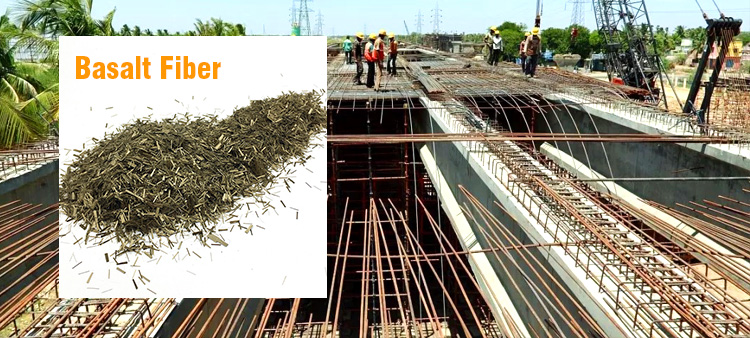
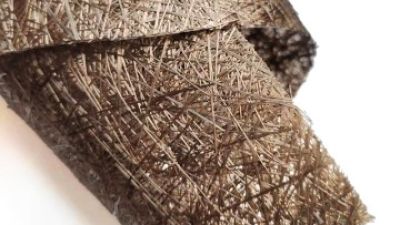
Corrosion resistance is a critical quality in materials used across various industries, especially in environments where exposure to harsh chemicals and moisture is common. Basalt fiber chopped strand mat stands out as an excellent solution, offering exceptional strength and durability. This non-woven material is made from high-performance basalt fibers that are randomly distributed, creating a versatile mat that can enhance the mechanical properties of composite materials while providing excellent thermal stability.
The applications of basalt fiber chopped strand mat are diverse, spanning construction, automotive, aerospace, and marine industries. In construction, it is often utilized for reinforcing concrete structures, improving their lifespan by providing a barrier against corrosion. In the automotive sector, its lightweight yet strong characteristics assist in manufacturing parts that require less energy for production while maintaining structural integrity. The unique properties of basalt fibers also make them suitable for insulation applications, where they can withstand extreme temperatures, ensuring that modern industrial processes can run smoothly and efficiently without the risk of deterioration over time.
Employing basalt fiber chopped strand mats not only enhances performance in various applications but also contributes to a more sustainable future. As industries continue to seek materials that combine strength, lightweight properties, and environmental resistance, basalt fiber presents a valuable option that meets these demands while minimizing the environmental impact often associated with traditional materials.
: Make a clear plan. Understand your goals and resources. Identify potential challenges.
Set specific deadlines. Break tasks into smaller steps. Review your progress regularly.
Set achievable goals. Celebrate small wins. Keep your environment positive.
Take a step back. Break tasks into manageable parts. Ask for help when needed.
Be clear and specific. Focus on actions, not the individual. Encourage improvement.
Try brainstorming sessions. Change your environment. Take breaks to refresh your mind.
Reflect on what went wrong. Learn from mistakes. Adjust your approach moving forward.
Listen actively. Be concise and clear. Tailor your message to your audience.
Encourage open conversations. Recognize contributions. Foster trust and collaboration.
Estimate expenses realistically. Include a buffer. Review and adjust regularly for accuracy.
The article explores the various features and benefits of Basalt Cloth Surfboards, highlighting their key characteristics and performance advantages over traditional materials. Basalt cloth is known for its excellent durability and strength, making it a superior choice for surfboard design. It enhances impact resistance, significantly improving the longevity of surfboards while ensuring that surfers experience reliable performance in diverse conditions.
Additionally, the weight considerations of basalt cloth are discussed, showcasing a balance between performance and maneuverability that is essential for optimal surfing experiences. The eco-friendly aspects of basalt cloth manufacturing also emphasize its appeal for environmentally conscious surfers. User testimonials further illustrate the satisfaction and improved experiences of those who have made the switch to Basalt Cloth Surfboards, reinforcing the material’s reputation as a top choice in surfboard innovation.