Leave Your Message
0%

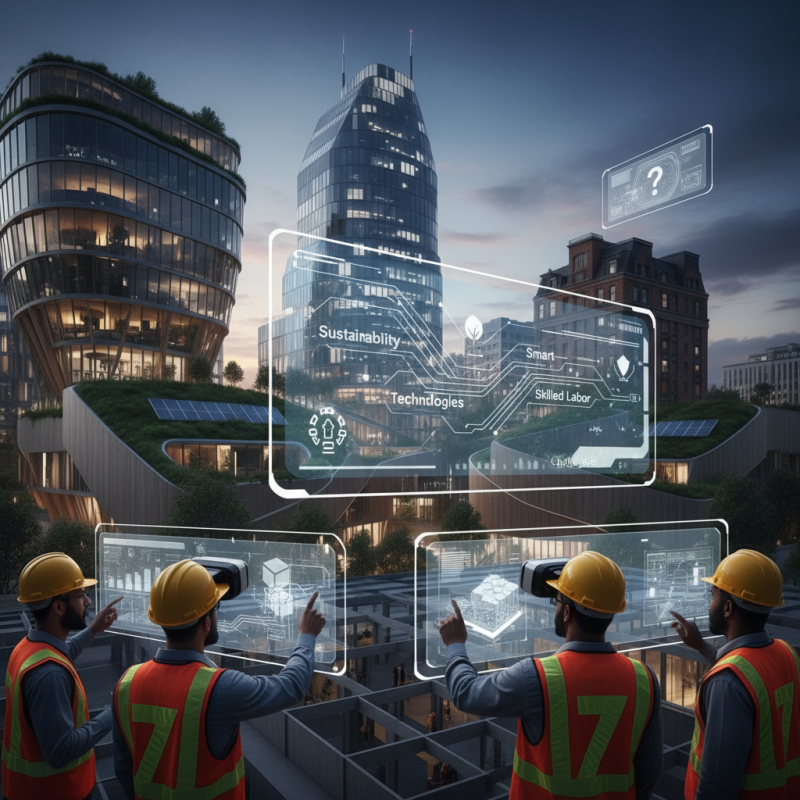
Hey, you know, in the fast-changing world of building construction, keeping up with trends is pretty much essential if you wanna stay ahead. I remember expert architect John Smith once said something like, “Innovation in Building Construction really shapes the future of our cities,” which totally hits the nail on the head. As we’re heading into 2026, there are a bunch of new trends that seem ready to shake things up — changing how buildings are designed, constructed, and even used.

One thing that’s definitely getting a lot of buzz is sustainability — like, using greener materials and cutting down on energy use. Loads of companies are now thinking more about eco-friendly solutions, which is pretty awesome. Plus, smart tech is really gaining ground, with clever systems making operations smoother and more efficient. But honestly, not everyone’s on the same page — some organizations still struggle to adapt, which can slow down progress a bit.

On top of that, the industry’s workforce is dealing with its own set of problems. There’s a real shortage of skilled workers right now, which messes with project timelines and sometimes affects quality. And as construction sites start to adopt more advanced tech, there’s a growing need for proper training. Honestly, the road ahead feels pretty complicated. It’s probably gonna take a mix of new ideas and old-school practices working together if we really want to move forward successfully.
2026 Best Building Construction Trends You Should Know?

Emerging Technologies in Building Construction for 2026

2026 Best Building Construction Trends You Should Know?

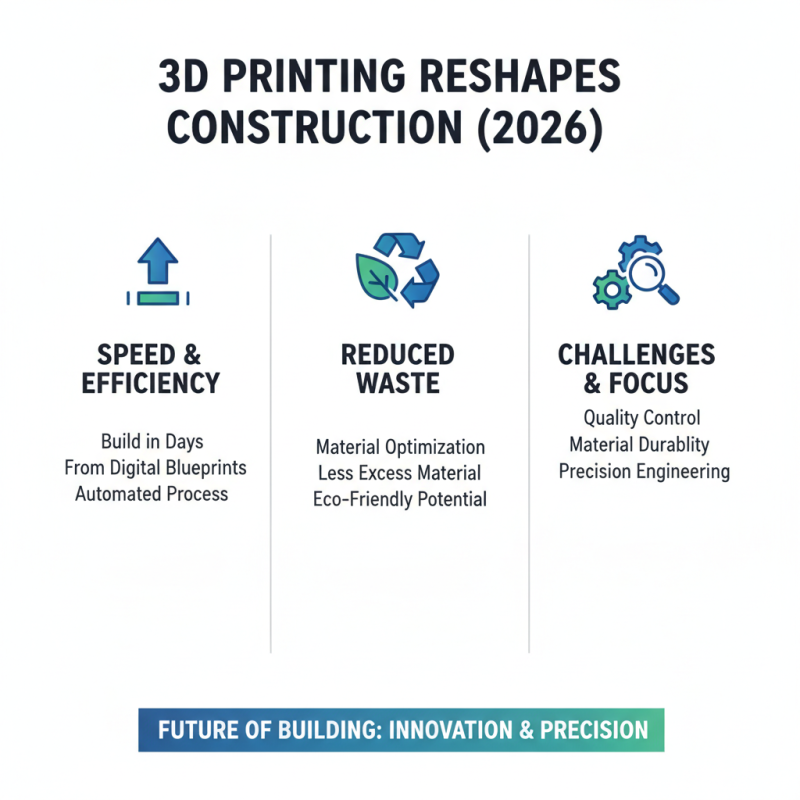
Emerging technologies are reshaping the building construction landscape for 2026. One of the prominent trends is 3D printing. This method can reduce waste and speed up construction. Buildings can rise from digital blueprints in days. However, quality control remains a concern. Ensuring durability with 3D printed materials is vital. This technology, while innovative, requires precise methods for success.

Another exciting development is the use of drones. Drones can monitor construction sites from above. They provide real-time data, enhancing efficiency. However, accuracy still needs attention. Sometimes, the information gathered can be misleading. Workers on the ground might misinterpret aerial views without proper context.

Artificial intelligence also plays a role. AI analyzes massive data sets to improve project planning. Predictive analytics can foresee potential delays. But, reliance on technology raises questions. Are teams getting too comfortable? Human oversight is crucial. Balancing technology and human instinct is essential. As we delve into 2026, the integration of Construction And Building Materials with these technologies will define the future of building construction.

Sustainable Materials Transforming the Construction Industry

Sustainable materials are changing the construction landscape. Innovations in eco-friendly options help reduce environmental impact. Builders are exploring recycled, reclaimed, and locally sourced materials. This approach not only conserves resources but also promotes community development.

For example, using bamboo in Building Slab Construction offers strength and flexibility. It's a fast-growing resource that captures carbon. Similarly, reclaimed wood adds character while minimizing waste. These materials challenge traditional practices, pushing the industry towards sustainability.

Tips: Consider the lifecycle of materials. Seek out local suppliers who prioritize sustainability. Embrace failures as learning opportunities. Not all sustainable options may perform as expected. Testing and adapting are essential steps. Balancing durability and eco-friendliness takes time and dedication.

Smart Building Systems and Automation Trends

The rise of smart building systems is transforming construction trends in 2026. Automation is at the forefront, enhancing efficiency and reducing operational costs. According to a recent report by McKinsey, smart buildings can achieve energy savings of up to 30%. These buildings incorporate advanced sensors and IoT devices, allowing real-time monitoring. This means less waste and more sustainable practices.

Automation does come with challenges. Installation can be complex and the initial costs high. A study from Deloitte highlights that while smart technologies improve long-term savings, they require significant upfront investments. Not every company is ready for this transition. Data security is another concern. As buildings become smarter, they are more vulnerable to cyber threats. This necessitates robust security protocols.

Additionally, user experience is not always prioritized. Occupants may feel overwhelmed by too much technology. Balancing automation and comfort is crucial. Future trends will likely focus on creating intuitive interfaces. The construction industry must continue adapting to these innovations while addressing the concerns they bring.

2026 Best Building Construction Trends

This chart represents the adoption rates of various building construction trends predicted for 2026. Key trends such as smart automation and sustainable materials are leading the way in the industry.

The Rise of Modular and Prefabricated Construction Techniques

The construction industry is evolving rapidly. Modular and prefabricated techniques are leading the way. These methods save time and money. They also reduce waste, making them more environmentally friendly. Builders can assemble structures quickly. This approach creates efficiency and speed on-site.

Modular construction uses standard sections. These sections are built in factories. Factors like weather can delay traditional construction. But modular techniques can overcome these challenges. On-site building becomes smoother and faster. However, this method may not suit all projects. Local regulations can complicate things.

Tips: Always check local codes before beginning. Ensure layout designs fit factory capabilities. Understand the limitations of prefabricated methods. Slab Building Construction can integrate well with modular techniques. This combination might enhance your project’s potential. Investing in quality materials is vital. Cutting corners can lead to future issues. Consider the long-term value over short-term savings.

Innovative Project Management Practices in Construction

Innovative project management practices are transforming the construction industry. According to a recent report, 75% of construction firms are adopting digital tools. These tools enhance efficiency and streamline communication. For instance, Building Information Modeling (BIM) allows teams to visualize projects in 3D. This method reduces errors and increases collaboration.

Data from industry experts shows that project delays cost the U.S. construction sector over $177 billion annually. This figure highlights the need for better management practices. Agile methodologies are increasingly being used. They allow teams to adapt quickly to changes. However, many firms struggle with full implementation. Training and a shift in mindset are crucial for success.

Sustainability is another crucial trend. A survey indicates that 70% of firms are focusing on green practices. This can lead to initial higher costs, but long-term savings are significant. Implementing sustainable practices requires careful planning. Projects that overlook this aspect often face criticism. Balancing sustainability and budget is a common challenge for many in the industry.

Impact of Urbanization on Building Designs and Trends

Urbanization profoundly influences building designs and trends. As cities grow, architects adapt to limited space and increased population density. Vertical living is becoming essential. High-rises and mixed-use buildings are now common.

Tips: Consider multi-functional spaces. They optimize utility and meet diverse needs. Use flexible designs that can evolve with changing demands.

Sustainability is another key element. Urban settings face environmental challenges. Incorporating green roofs and energy-efficient systems is vital. However, achieving true sustainability can be hard. It's often unclear what materials are best for long-term use.

Tips: Assess local resources. This helps reduce transportation emissions. Engage with communities for feedback. Their input can enhance design effectiveness.

As urbanization progresses, technology plays a crucial role in modern construction. Innovative materials and techniques help streamline processes. Yet, the rapid pace can lead to oversights. Design should focus on safety and long-term viability.

2026 Best Building Construction Trends You Should Know?

Trend Description Impact of Urbanization Sustainability Aspect
Smart Buildings Integration of IoT technology for enhanced monitoring and efficiency. Urbanization requires smarter management of resources and space. Reduces energy consumption and carbon footprint.
Modular Construction Pre-fabricated units built off-site to accelerate construction. Addresses fast-paced urban demands for housing. Minimizes waste and allows for energy-efficient designs.
Sustainable Materials Use of recycled and eco-friendly materials in construction. Urban areas can minimize environmental impacts through material choices. Contributes to green building certifications.
Vertical Gardens Incorporation of green walls in building designs. Enhances urban aesthetics and air quality. Provides insulation and biodiversity in dense cities.
3D Printing Utilizing 3D printing technology for creating building components. Offers rapid solutions for urban housing crises. Efficient use of materials leads to sustainable outcomes.

Safety Innovations and Compliance in Modern Construction

In the evolving landscape of construction, safety innovations are crucial. Recent studies indicate that construction sites experience one of the highest rates of workplace injuries. Approximately 20% of all workplace fatalities occur in this sector. This alarming statistic drives the need for robust safety measures.

Emerging technologies improve compliance and safety standards. Wearable devices track workers' movements and provide real-time alerts for potential hazards. On-site AI systems can analyze data and predict risks. These advancements are not just a trend; they are becoming necessities for modern construction projects.

Steel rods for building construction are vital components in reinforcing structures. However, improper use or neglect can lead to catastrophic failures. Inspections and compliance checks are often inadequate, leading to unsafe practices. Striving for better training and awareness is essential to mitigate these risks. The industry must continuously reflect on its safety protocols and invest in innovative solutions to protect its workforce.

Maximizing Structural Integrity in Underground Construction with High Strength Basalt Rebar: Key Benefits and Applications

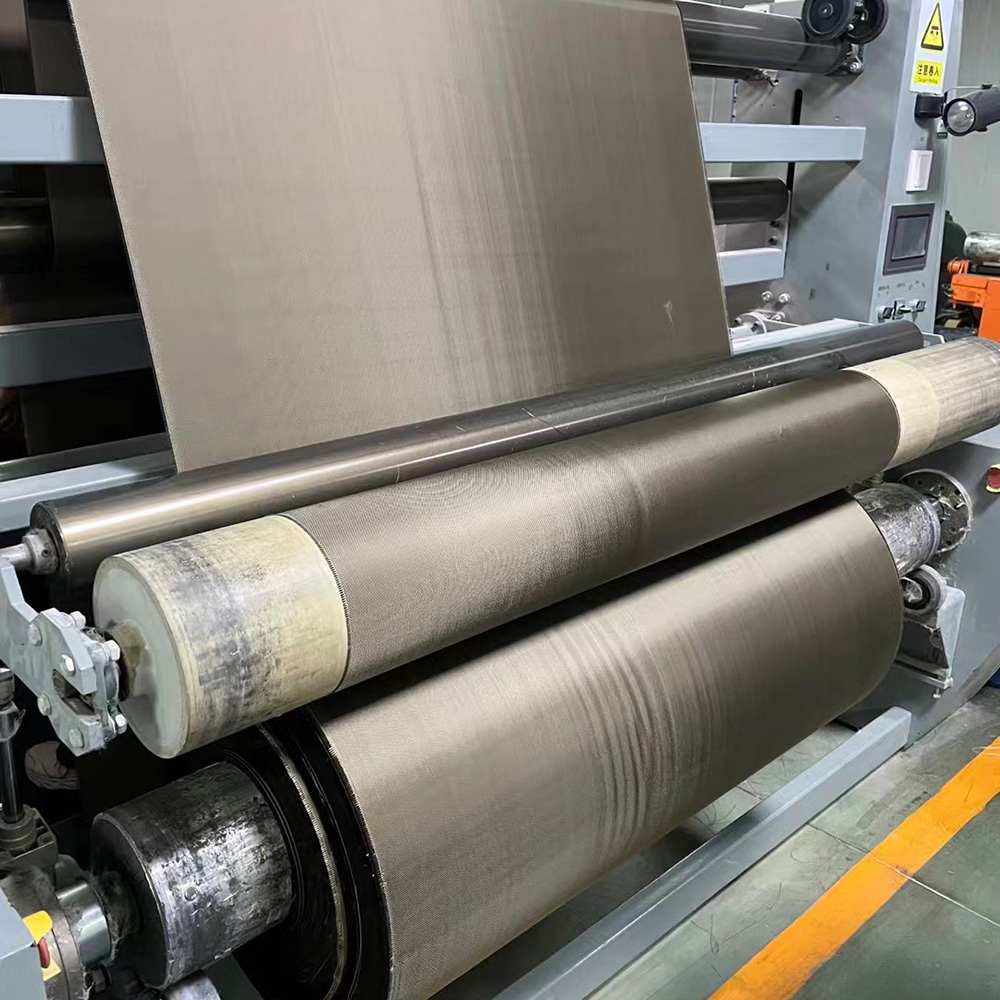
High strength Basalt rebar has emerged as a revolutionary material in underground construction, significantly enhancing structural integrity. Its unique composition, derived from basalt fiber—a composite material consisting of resin, filler, and a curing agent—enables it to withstand extreme conditions and stresses found in subterranean environments. The pultrusion process used to manufacture basalt rebar creates a lightweight yet robust alternative to traditional steel rebar, reducing the overall structural load while maintaining strength and durability.

One of the key benefits of using basalt rebar in underground construction is its superior resistance to corrosion. Unlike steel, basalt does not rust or degrade when exposed to moisture and aggressive ground conditions, making it an ideal choice for long-term applications in tunnels, foundations, and other underground structures. Additionally, its thermal stability and fire resistance contribute to enhanced safety and longevity, ensuring that construction projects remain resilient against environmental factors.

Furthermore, basalt rebar is environmentally friendly, as it is made from natural basalt rock. This not only reduces the carbon footprint associated with construction but also promotes sustainability in building practices. The integration of high strength basalt rebar in underground construction projects highlights its potential to redefine industry standards by maximizing structural integrity while offering practical benefits that modern infrastructure demands.

FAQS

: What should I consider before making a purchase?

: Think about your needs and budget. Research product details thoroughly. Compare similar items to find the best fit.

How can I ensure product quality?

Check customer reviews and ratings. Look for materials used and the craftsmanship. Don’t hesitate to ask questions.

What if I receive a damaged item?

Report the issue immediately. Take photos of the damage. Most sellers will guide you on the return process.

Are there warranties or guarantees?

Many products come with some form of guarantee. Read the warranty details carefully. Understand what is covered.

How can I find the right size?

Consult the sizing chart provided. Measure yourself accurately. If unsure, contact customer service for guidance.

What are the shipping options available?

Check the website for delivery methods. Some may offer expedited shipping. Keep an eye on shipping costs as well.

Can I return items after purchase?

Most sellers have return policies. Familiarize yourself with their terms. Keep the original packaging for easier returns.

How will I know when my order has shipped?

Look for a confirmation email. Track your order through the provided link. It’s common to experience delays sometimes.

What payment methods can I use?

Usually, various options are available. Credit cards, digital wallets, and bank transfers are common. Always prioritize secure payment.

Is customer service available if I have questions?

Many companies provide support via chat, email, or phone. Don’t hesitate to reach out. Prepare specific questions for quicker answers.

Conclusion

As we move towards 2026, the field of building construction is witnessing transformative changes that prioritize innovation and sustainability. Emerging technologies are redefining the construction landscape, with advancements like smart building systems and automation enhancing efficiency and functionality. Additionally, sustainable materials are becoming pivotal in addressing environmental concerns, leading to greener construction practices.

The rise of modular and prefabricated construction techniques is revolutionizing how buildings are designed and constructed, offering faster and cost-effective solutions. Innovative project management practices are also surfacing, improving collaboration and workflow in construction projects. Furthermore, the impact of urbanization is prompting a reevaluation of building designs to accommodate growing populations while ensuring safety through new compliance and innovation measures. These trends collectively signify a shift towards smarter, safer, and more sustainable building construction practices.
Isabella

Isabella

Isabella is a dedicated marketing professional at Jiujiang Beihai Fiberglass Co., Ltd. (Project Four), specializing in promoting the company's diverse range of high-quality fiberglass products. With a deep understanding of the industry and a passion for innovation, she plays a vital role in driving......
Previous Innovative Approaches for Utilizing Basalt Cleavage in Modern Applications