Getting a building project from the ground up is no joke, and good management really makes or breaks the whole thing. The whole process can get pretty complicated—there’s a lot of moving parts, and you’ve gotta be on top of planning, coordinating, and executing everything smoothly. The goal? Keep things within budget, stick to deadlines, and still meet safety and quality standards. Today’s Construction world is super dynamic, so project managers are constantly juggling challenges like juggling resources, communicating with stakeholders, and managing risks.
From the early design and permitting phases all the way to those final touches right before handing over the keys, every step is crucial. This guide’s here to give you some solid tips and best practices to help make your project management a bit more straightforward. Whether you’re a veteran in the field or just starting out, understanding the ins and outs of managing a building project will give you the tools you need to keep things on track and nail those results.
Understanding the Phases of Building Construction Management
Understanding the phases of Building Construction management is crucial for the success of any construction project. Typically, the process can be divided into five main phases: initiation, planning, execution, monitoring, and completion. According to the Project Management Institute, effective management during these phases can lead to cost savings of up to 20%. In the initiation phase, project stakeholders establish the project's feasibility and objectives. This foundational step sets the stage for all future activities and ensures alignment among team members and stakeholders.
The planning phase involves comprehensive scheduling, budget allocation, and resource management. Research from the Construction Industry Institute indicates that detailed planning can reduce project delays by approximately 30%. During execution, the project manager oversees the construction activities, ensuring that they adhere to the planned timeline and budget. This phase often requires real-time adjustments to address unforeseen challenges. Monitoring and controlling the project play pivotal roles in maintaining quality and adhering to safety standards, with industry studies showing that proactive monitoring reduces rework costs by around 15%. Finally, the completion phase encompasses project closeout, where final inspections and evaluations take place, ensuring that all criteria and deliverables have been met satisfactorily.
Defining Project Goals and Scope for Successful Outcomes
Defining project goals and scope is a critical first step in managing a building construction project effectively. Clear goals provide a roadmap for the entire project, allowing all stakeholders to understand the intended outcomes. This involves setting specific, measurable, achievable, relevant, and time-bound (SMART) objectives. For instance, establishing the project timeline, budget constraints, and desired quality standards at the outset ensures that everyone is aligned and can work towards a common purpose. Additionally, clear communication of these goals helps to mitigate misunderstandings and sets the foundation for collaboration among team members.
Furthermore, defining the project's scope is equally essential. This includes identifying the tasks and deliverables necessary to achieve the set goals. A well-defined scope outlines the boundaries of the project, detailing what is included and what is not. This clarity helps prevent scope creep, which can lead to project delays and budget overruns. Engaging stakeholders during this phase to gather input and reach a consensus fosters ownership and accountability, as everyone involved has a say in what the project's success looks like. Therefore, a strong focus on defining both goals and scope lays the groundwork for a successful construction project, ultimately leading to satisfactory outcomes and efficient resource management.
Creating a Realistic Budget Based on Industry Averages
Creating a realistic budget is one of the most crucial aspects of successfully managing a building construction project. According to the National Association of Home Builders (NAHB), the average cost for constructing a single-family home in the U.S. ranges from $100 to $200 per square foot, depending on various factors such as location, materials, and design complexities. As a project manager, it's essential to gather data from reliable industry reports to frame a budget that reflects current market trends and accurately predicts potential costs. This ensures that you can allocate resources efficiently without compromising quality.
Tip: Always include a contingency fund, typically 10-20% of the total budget, to account for unexpected expenses that may arise during construction.
Furthermore, it's beneficial to conduct a thorough analysis of past projects to understand cost variances and identify areas for improvement. Using tools like cost estimation software can help in generating a more precise budget based on your project’s specific needs. The Construction Industry Institute emphasizes that projects adhering to detailed budgeting practices have a higher rate of completion within their financial constraints.
Tip: Regularly review your budget throughout the construction process to make necessary adjustments, as fluctuations in labor and materials can significantly impact overall costs.
Developing a Comprehensive Timeline with Milestones
Developing a comprehensive timeline with milestones is crucial for the successful management of your building construction project. A well-structured timeline not only keeps the project on track but also helps all stakeholders understand their roles and responsibilities. Start by breaking down the project into key phases, such as design, permitting, procurement, construction, and final inspection. Each phase should include specific milestones that signify the completion of significant tasks, making it easier to monitor progress and make necessary adjustments.
Tips: One effective way to establish your timeline is to use project management software, which can help visualize the schedule and automatically update timelines based on real-time data. Ensure to include buffer times for unexpected delays to keep the project flowing smoothly. Regularly review this timeline in project meetings to maintain accountability and address any issues promptly.
As you develop your milestones, communicate with your team and subcontractors about realistic expectations for each stage. Setting achievable goals encourages productivity and enhances motivation. Celebrate milestone completions, even small ones, to foster a positive environment and reinforce a shared commitment to the project's success. By maintaining a clear and detailed timeline, you set your construction project up for a seamless execution from start to finish.
Effective Communication Strategies for Project Stakeholders
Effective communication is a cornerstone of successful building construction project management, impacting not only the project's timeline but also its overall success. According to a 2021 report by the Project Management Institute, poor communication is a leading factor in project failure, contributing to approximately 57% of project delays. Establishing clear lines of communication among all stakeholders—ranging from architects and contractors to clients and suppliers—is essential to keep everyone informed and aligned with the project goals.
Implementing effective communication strategies can significantly enhance collaboration and decision-making. Regular updates through scheduled meetings and progress reports aid in the timely identification of issues and allow for prompt adjustments. Additionally, leveraging digital communication tools can bridge gaps in real-time information sharing, reducing misunderstandings and fostering a cohesive project environment. The Construction Industry Institute found that leveraging effective communication practices can improve project outcomes by up to 30%, emphasizing the importance of maintaining open channels and engaging all stakeholders throughout the construction process.
Construction Project Management Phases
This bar chart illustrates the time spent in days on each phase of managing a building construction project, showing the importance of effective communication strategies among stakeholders during each phase.
Risk Management Techniques to Mitigate Construction Delays
Construction delays can be a significant hurdle in any building project, impacting budgets and timelines. Implementing effective risk management techniques is crucial for mitigating these delays. A proactive approach involves identifying potential risks early in the planning phase. Common risks can include unforeseen site conditions, inclement weather, and material shortages. By acknowledging these factors upfront, project managers can develop contingency plans that will minimize the impact on project timelines.
**Tips:** Establish a clear communication plan among all stakeholders. Regular updates and discussions can help address issues before they escalate into major delays. Ensure that everyone is aware of their roles and responsibilities to promote accountability.
Another key technique is to conduct thorough assessments of contractors and suppliers. Vetting partners based on their reliability and previous performance can significantly reduce the risk of delays caused by subcontractor issues or supply chain disruptions. Establishing strong relationships with multiple suppliers can also offer backup options should an unforeseen shortage occur.
**Tips:** Use project management software to track progress and potential bottlenecks in real time. This allows for quicker decisions and adjustments to keep the project on schedule. Regularly review and adjust your project timeline based on real-time feedback to stay ahead of potential delays.
How to Successfully Manage Your Building Construction Project from Start to Finish - Risk Management Techniques to Mitigate Construction Delays
| Phase | Key Risks | Mitigation Techniques | Responsible Party | Timeline |
| Planning | Inaccurate budgeting | Detailed cost estimation | Project Manager | 1 Month |
| Design | Design discrepancies | Regular design reviews | Architect | 2 Months |
| Procurement | Supplier delays | Multiple vendor contracts | Procurement Manager | 1 Month |
| Construction | Unexpected weather | Flexible scheduling | Construction Manager | 6 Months |
| Closure | Final inspections | Pre-inspection checklists | Quality Control Manager | 2 Weeks |
Utilizing Technology for Tracking Progress and Managing Resources
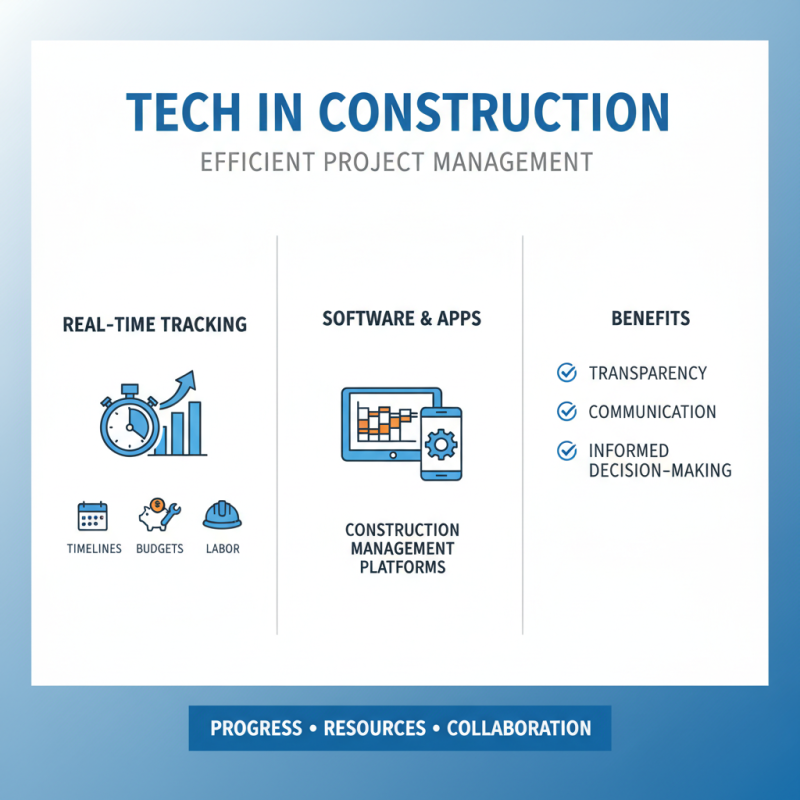
In the realm of building construction, utilizing technology is key to effectively tracking progress and managing resources throughout the project lifecycle. By leveraging construction management software and mobile applications, project managers can easily monitor various aspects such as timelines, budgets, and labor allocations in real-time. This not only enhances transparency but also facilitates immediate communication among team members, ensuring that everyone is on the same page.
**Tips:** Always opt for cloud-based solutions that allow for easy access to project data from anywhere. This flexibility ensures that updates can be made instantly, helping to prevent delays. Additionally, set up automated alerts and reminders for critical milestones to keep the team accountable and on track.
Another valuable approach is to incorporate data analytics tools, which can provide insights into resource usage and project performance. These tools help identify patterns and areas where efficiency can be improved, enabling proactive decision-making. Integrating this technology not only streamlines operations but also maximizes the overall productivity of the construction project.
**Tips:** Regularly review the data gathered to adjust strategies as needed. Encourage your team to use digital collaboration tools for sharing updates and feedback. This collaborative approach fosters a culture of continuous improvement, which is vital for the success of any construction endeavor.
Innovative Solutions for Road Reinforcement: Exploring High Strength Basalt Fiber Geogrid Mesh Applications and Benefits
Innovative solutions for road reinforcement are vital as infrastructure demands continue to rise. One such solution is the use of high strength Basalt fiber geogrid mesh, which is specifically designed for applications in the construction, reconstruction, and repair of critical pathways such as airport runways, highways, and pedestrian ways. This advanced material offers a lightweight yet robust option for enhancing the structural integrity of various pavements and road inclines.
The basalt fiber geogrid mesh presents several compelling advantages over traditional metal reinforcement. Not only does it provide comparable strength, but it also weighs 2.6 times less, significantly easing transportation and handling during construction projects. By incorporating this innovative reinforcement technology, contractors can increase the overall reliability and safety of their roadways while also improving cutting process output. This combination of performance and practicality makes basalt fiber geogrid mesh an attractive choice for modern infrastructure projects, contributing to safer and more durable road networks.
FAQS
: Defining project goals is important because it provides a roadmap for the project, allowing all stakeholders to understand the intended outcomes, mitigate misunderstandings, and foster collaboration among team members.
SMART stands for Specific, Measurable, Achievable, Relevant, and Time-bound, which helps in establishing clear and actionable project objectives.
Defining the project scope helps outline the boundaries of the project, detailing what is included and what is not, which prevents scope creep and keeps the project on time and within budget.
A comprehensive timeline should include key phases such as design, permitting, procurement, construction, and final inspection, along with specific milestones for significant task completions.
Project management software is beneficial because it helps visualize the schedule, allows for automatic updates based on real-time data, and keeps the project on track.
Buffer times help accommodate unexpected delays, ensuring that the project can proceed smoothly without significant disruptions.
Celebrating milestone completions fosters a positive environment, encourages productivity, and reinforces a shared commitment to the project's success among team members.
Regular timeline reviews maintain accountability among the team, help to address issues promptly, and ensure that everyone is aware of their roles and responsibilities.
Engaging stakeholders in defining project goals and scope fosters ownership and accountability, as it allows everyone involved to contribute to what they believe the project's success looks like.
Not clearly defining project goals and scope can lead to misunderstandings, scope creep, project delays, and budget overruns, adversely affecting the overall success of the project.
Conclusion
Successfully managing a building construction project requires a comprehensive understanding of various phases involved in construction management. It begins with defining clear project goals and scope, ensuring all stakeholders are aligned for successful outcomes. Establishing a realistic budget, informed by industry averages, is crucial for financial viability. Additionally, creating a detailed timeline with specific milestones helps keep the project on track.
Effective communication strategies must be implemented to ensure all parties, including contractors and clients, are on the same page throughout the project. Employing risk management techniques is essential to mitigate potential construction delays, while utilizing technology can significantly enhance tracking progress and managing resources efficiently. By focusing on these key areas, project managers can navigate the complexities of building construction from start to finish, ensuring successful project delivery.