Leave Your Message
0%

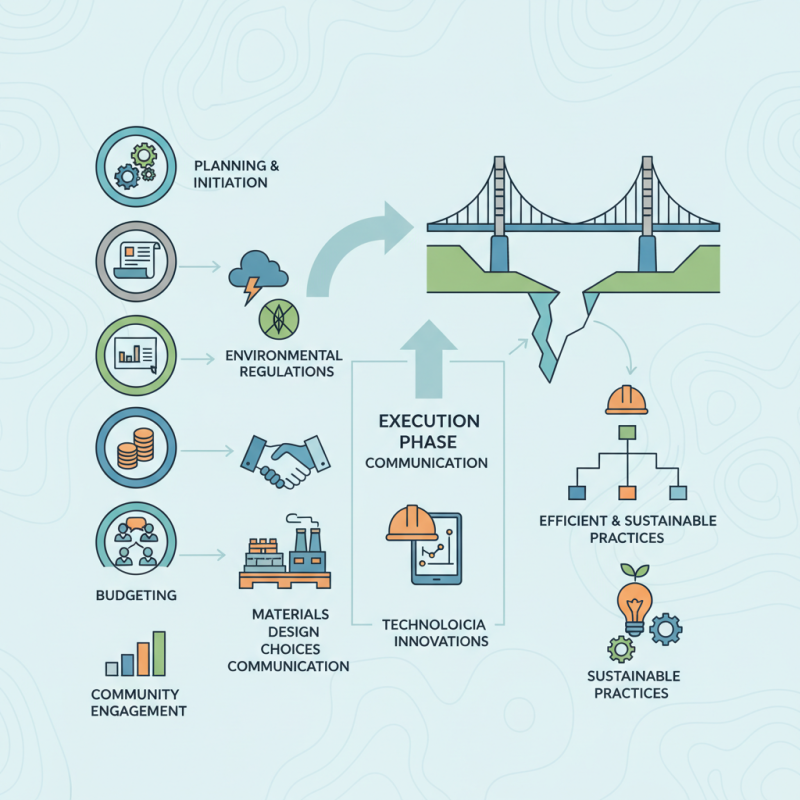
Hey, you know, Bridge Construction projects? They’re pretty complex stuff. It’s not just about throwing some concrete together—you really need careful planning and solid execution. A lot comes down to things like budgeting, keeping everyone on the same page, and making sure the local community is involved and informed. Companies like Greenfield Engineering and BridgeWorks? They’ve really got the experience—guiding projects from brainstorm to finishing touches.

Managing these projects can be tricky, especially with challenges like environmental rules or weather messing with schedules. It’s super important to work hand-in-hand with local authorities and everyone affected. And honestly, good communication? It’s sometimes taken for granted but so crucial. Having clear checks and open dialogue can save you from misunderstandings and those annoying delays that cost a ton.

On top of that, the kind of materials you choose and the design you go for really matter—they can make or break the project. Tech’s coming up with cool new solutions, which is awesome, but sometimes it also brings new issues to figure out. Looking back at what worked and what didn’t on past projects is a great way to learn and do better next time. Taking these lessons to heart can help make bridge building more efficient and eco-friendly, you know?
How to Successfully Navigate Bridge Construction Projects?

Understanding the Basics of Bridge Construction Projects

How to Successfully Navigate Bridge Construction Projects?

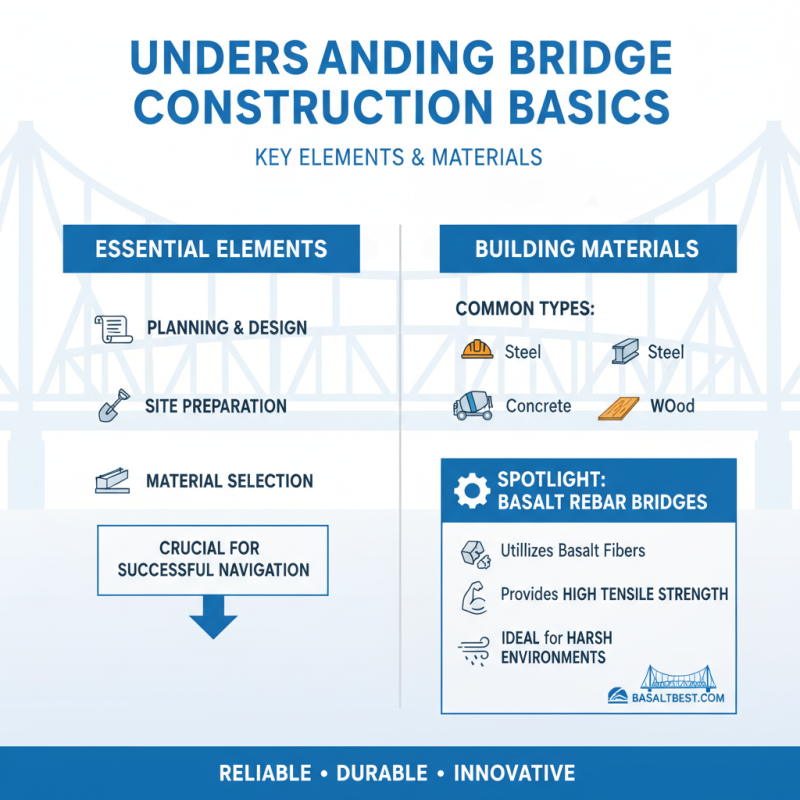
Bridge Construction projects involve numerous essential elements. Understanding these basics is crucial for successful navigation. Knowing the types of materials used in bridge building is fundamental. For instance,Basalt Rebar Bridgeconstruction uses Basalt fibers, which provide high tensile strength. This makes them a reliable option, especially in harsh environments.

Project planning is another vital aspect. Comprehensive planning helps identify potential challenges early on. This includes assessing site conditions and securing the necessary permits. Engineers must conduct risk analysis. Not all bridges are built the same; each has unique requirements. Oversights in planning can lead to costly delays and safety concerns.

Collaboration among various stakeholders is essential. Engineers, contractors, and local authorities must communicate effectively. This improves overall project execution. However, miscommunications can creep in, causing misunderstandings. Learning from these experiences can help refine future projects. Each project can teach valuable lessons about materials and methods.

Key Phases in Bridge Design and Planning

Bridge design and planning consists of several critical phases. These phases must align to ensure project success. The American Association of State Highway and Transportation Officials (AASHTO) emphasizes thorough planning for safety and functionality. In fact, nearly 40% of projects face delays due to inadequate initial assessments.

In the first phase, site assessment is crucial. Engineers must evaluate soil conditions, environmental impact, and traffic patterns. This helps in making informed design decisions. Missing these details can lead to costly redesigns later on.

Tip: Always conduct a comprehensive risk assessment. This includes engaging with local communities and stakeholders early on. Their insights can reveal potential concerns that engineers may overlook.

The design phase involves creating detailed blueprints. Structural analyses ensure that the bridge can withstand loads and harsh weather. A well-documented design can cut down on unexpected issues. Yet, 30% of designs face changes during construction due to unforeseen circumstances.

Tip: Maintain open communication channels with all team members. Regular updates can help detect issues promptly. Ensuring everyone is on the same page can mitigate risks significantly.

Essential Regulatory and Environmental Considerations

Bridge construction projects involve multiple regulatory and environmental considerations. Understanding these factors can lead to successful outcomes. Every project begins with thorough planning, which includes assessing environmental impacts. Local wildlife, ecosystems, and water quality must be protected during construction. Obtaining necessary permits is crucial before any physical work begins.

Tips: Engage with local communities early in the process. Their input can provide valuable insights into environmental concerns. Regularly consult with environmental experts as well; their expertise can help prevent costly delays.

Reinforced Concrete Bridges are widely used, but their impact on surroundings should be monitored closely. Mitigation plans can reduce negative effects on habitats. For example, implementing erosion control measures protects waterways from sediment runoff. Conduct routine assessments throughout the project to ensure compliance with environmental regulations.

Effective Project Management Techniques for Bridge Construction

Bridge construction projects require careful planning and execution. Successful project management techniques are vital for navigating complexities. Effective communication among all stakeholders is essential. Regular updates ensure that everyone is aligned. Clear responsibilities should be defined to avoid confusion.

Monitoring progress is crucial for staying on schedule. Using project management software can help track timelines and budgets. It is important to adjust plans as necessary. Some delays may occur due to unforeseen circumstances. For instance, weather conditions may impact construction timelines. Being flexible and adapting quickly can mitigate these challenges.

Documentation is another critical aspect. Keeping accurate records of all activities aids in transparency. It also helps in resolving potential disputes. Reflecting on past projects can lead to valuable insights. Analyzing what worked and what didn’t can inform future strategies. Ultimately, learning from experiences fosters continuous improvement in bridge construction management.

Mitigating Risks and Handling Challenges in Bridge Projects

Mitigating risks in bridge construction projects requires careful planning. Understand the local environment to foresee potential challenges. For instance, weather conditions can impact timelines. Flood risks might delay construction. Analyze soil composition to prevent foundation issues. Each detail matters in Building Construction.

Communication among team members is crucial. Diverse skills lead to better solutions. Regular meetings can surface challenges quickly. Sharing progress keeps everyone informed. Use modern tools for project management. Be ready to adapt plans as problems arise. Flaws in planning can lead to costly delays.

Document all phases of construction. This helps in reflecting on issues encountered. Knowing what went wrong allows for better future projects. Some risks are unavoidable. Learning from them is key. Continuous improvement leads to successful bridge projects over time.

Innovative Technologies in Modern Bridge Construction

Innovative technologies are transforming modern bridge construction. Advanced materials, like high-strength concrete and lightweight composites, improve durability and reduce costs. These materials are often utilized in Railroad Construction, ensuring that bridges can withstand heavy loads and harsh conditions.

3D printing is revolutionizing the way components are created. This technology allows for precise designs and quicker assembly. However, challenges remain in scaling production to meet large project demands. Additionally, the integration of drones enables efficient surveying and monitoring of construction sites. They provide real-time data, which enhances safety and project management.

Despite these advancements, there are areas for improvement. The adoption of new technologies can be slow, mainly due to budget constraints. Training personnel to use these innovations also presents challenges. Reflecting on these issues can lead to better strategies for future projects, ensuring smoother execution and improved outcomes.

Best Practices for Ensuring Safety and Compliance on Site

Bridge construction projects require meticulous planning and a strong emphasis on safety and compliance. Ensuring a safe work environment is not just a legal obligation; it is vital for the welfare of all personnel involved. Integrating best practices is essential in reducing risks on-site.

Tips: Regular safety audits are crucial. They help identify potential hazards. Keep pathways clear and well-marked. This eliminates confusion and reduces accidents. Training sessions need to be frequent. Workers should understand risks related to heavy machinery and materials.

Another aspect to consider is compliance with local regulations. Familiarize your team with national standards and local laws. This helps in avoiding penalties and ensures responsible work practices.

Document everything meticulously. Records of inspections, incidents, and safety measures can be invaluable during audits or unforeseen situations.

Tips: Empower workers to speak up about safety concerns. A culture of open communication fosters trust and vigilance. Use signage creatively to remind everyone about adherence to safety protocols. Visual cues can enhance awareness and compliance significantly.

Innovative Solutions in Road Reinforcement: The Role of High Strength Basalt Fiber Geogrid Mesh

As infrastructure projects increasingly focus on durability and cost-effectiveness, innovative solutions such as high strength basalt fiber geogrid mesh are gaining prominence in road reinforcement applications. These geogrids are primarily utilized in the construction, reconstruction, and repair of asphalt-concrete surfaces, including airport runways, highways, and pedestrian pathways. Their ability to enhance the structural integrity of pavements is underpinned by their impressive characteristics, which align with contemporary engineering standards.

The use of basalt fiber geogrid mesh not only improves the overall reliability and safety of roadways but also optimizes the construction process. According to market analyses, this material exhibits comparable strength to traditional metal reinforcements while being approximately 2.6 times lighter. This unique property significantly eases transportation and handling, reducing logistical headaches on site. In addition, the durability of basalt fibers—which are resistant to chemicals and adverse weather conditions—ensures longevity and less frequent repairs. Industry studies project that the adoption of such innovative materials can lead to reduced maintenance costs by up to 30%, making them a smart choice for modern infrastructure investment.

Furthermore, the implementation of basalt fiber geogrid mesh is not just about performance; it reflects a broader shift towards sustainable construction practices. Utilizing naturally occurring basalt fibers helps in minimizing the carbon footprint associated with producing synthetic materials. With increased emphasis on environmental considerations, engineers and construction firms are encouraged to explore options that deliver both performance and sustainability, thereby positioning high strength basalt fiber geogrid mesh as a key player in the evolution of road reinforcement technologies.

FAQS

: What is essential for effective project management in bridge construction?

: Effective communication among stakeholders is crucial. Regular updates keep everyone aligned on project goals.

How can project managers handle delays in construction?

Flexibility is key. Adjusting plans quickly can help manage unforeseen circumstances like weather issues.

Why is documentation important in bridge construction projects?

Accurate records enhance transparency and help resolve disputes. Reflecting on past documentation aids future strategies.

What are some common risks in bridge construction?

Weather conditions and soil composition can impact timelines. Understanding these factors is vital for risk management.

How can teams improve their problem-solving in bridge projects?

Regular meetings foster communication. Diverse skills within the team lead to better solutions for challenges faced.

In what ways are technologies changing bridge construction?

Technologies like 3D printing and drones enhance construction efficiency. However, challenges in adoption and training remain.

What should project managers reflect on after a project?

Analyzing what went wrong can inform future strategies and lead to continuous improvement in processes.

How can project management software help in bridge construction?

It assists in tracking timelines and budgets, ensuring that the project stays on schedule and within financial limits.

What can be a challenge when adopting innovative technologies?

Budget constraints often slow down the adoption of new technologies. Personnel training is also a significant hurdle.

How does understanding the local environment aid bridge projects?

Knowing the local environment helps foresee challenges, allowing for better planning and risk mitigation.

Conclusion

Successfully navigating bridge construction projects requires a solid understanding of the fundamental principles involved. This begins with a comprehensive grasp of the key phases in bridge design and planning, where careful consideration of regulatory and environmental factors is critical. Effective project management techniques play a substantial role in guiding these initiatives, ensuring that timelines and budgets are adhered to while mitigating risks and addressing challenges that arise during the construction process.

Incorporating innovative technologies into modern bridge construction is essential for enhancing efficiency and safety. Furthermore, adhering to best practices for safety and compliance on site not only protects workers but also ensures that the project meets all necessary standards and regulations. By focusing on these aspects, project managers can significantly improve the likelihood of successful outcomes in bridge construction projects.

Sophie

Sophie

Sophie is a dedicated marketing professional at Jiujiang Beihai Glass Fiber Co., Ltd. (Project Four), where she leverages her extensive knowledge of the company's products to enhance brand visibility and drive customer engagement. With a strong focus on innovation and quality, she plays a pivotal......
Previous Top 10 Airports in China with the Best Runways to Use?