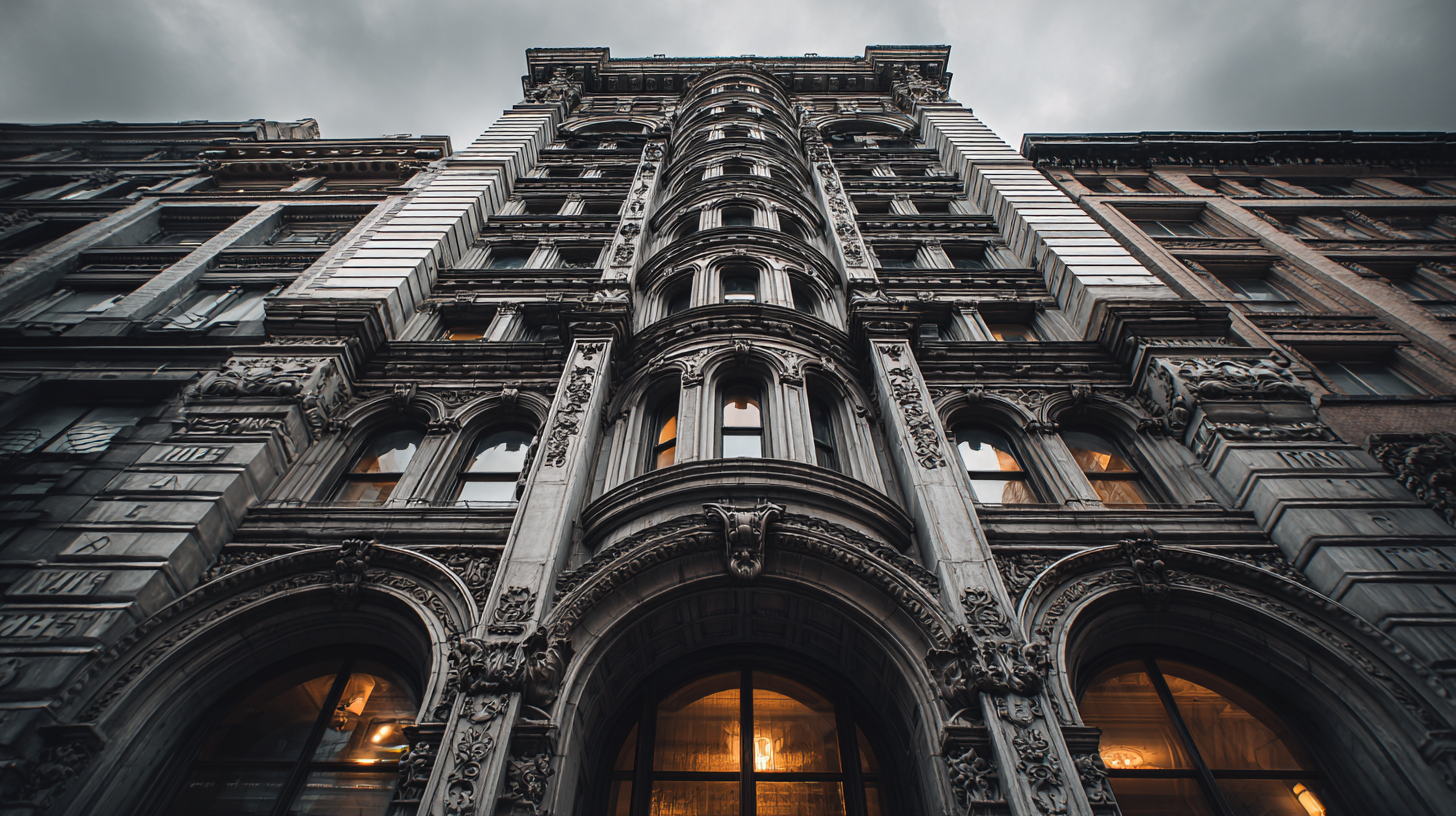
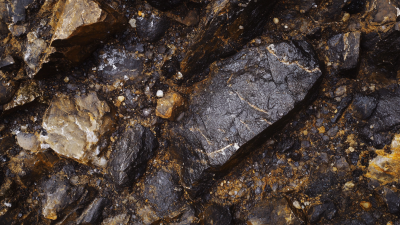
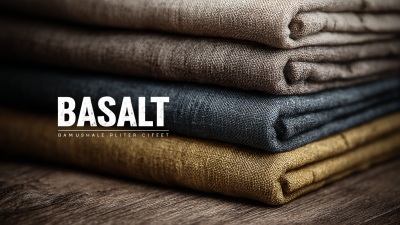
You know, when it comes to architectural design, picking the right facades is super important for getting that sweet spot between looking good, being eco-friendly, and actually performing well. A report from MarketsandMarkets pointed out that the global façade market is expected to jump from $232.4 billion in 2020 to a whopping $352.9 billion by 2025. Why? Because there’s a rising demand for energy-efficientBuilding Materials and some really cool designs! Now,China Beihai Fiberglass Co., Ltd., a big player in the Basalt Fiber scene, is all about using advanced materials likebasalt continuous fiber in facade systems to boost durability and thermal performance. In this guide, we’re going to dive into the latest trends in architectural facades, giving you the insights you need to make smart decisions for your next project, all while riding the wave of the tech advancements that are really shaping our industry.
Factors to Consider When Selecting Architectural Facades for Global Projects
So, when you're picking out architectural facades for projects around the globe, there are a bunch of important factors to keep in mind that can really shape how a building looks and works. First off, you've got to think about the climate where the project is set. I mean, if it’s in a hot and muggy place versus a chilly and dry spot, the materials you choose for the facade need to be on point in terms of insulation and weather resistance. Like, using materials that bounce off sunlight can help keep the indoors cool when the sun's blazing, while ones that hold heat well can really boost energy efficiency in colder areas.
Then there’s the cultural vibe and architectural style you’ve got to consider. Facades don’t just cover a building; they tell a story about the place and the image you want to project. That’s why it's super important to get a feel for what local folks prefer when it comes to designs and materials. Plus, bringing in local craftsmanship not only makes the place look great but also helps to build a sense of identity among the community.
And hey, let's not forget about sustainability! These days, using eco-friendly materials and smart technologies isn’t just a trend; it's what consumers expect. Taking a comprehensive approach in facade design ensures that they’re not just functional but also have a positive impact on their surroundings. It’s all about making choices that really matter, right?
Factors Influencing the Choice of Architectural Facades
This chart displays the various factors influencing the selection of architectural facades for global projects, illustrating the relative importance of each factor.
Top Materials for Architectural Facades: Performance, Durability, and Aesthetics
So, when you're picking out architectural facades for your project, the materials you go with can really shake up the performance, durability, and, of course, the look of the whole thing. A recent report from the Global Building Materials Market shows that there's been a huge jump—over 25%, can you believe it?—in the demand for sustainable and high-performance materials just in the last five years. One material that's really making waves is basalt fiber. It's got this awesome strength, it's super lightweight, and it can handle some crazy weather. A big player in the basalt fiber scene, China Beihai Fiberglass Co., Ltd., uses cutting-edge tech to crank out top-notch basalt continuous fiber, which is a fantastic pick for architecture.
Now, durability is another biggie to think about when you're choosing facade materials. Some studies have even found that buildings wrapped in basalt fiber facades can last up to 30% longer than those made from traditional stuff like wood or steel. Pretty impressive, right? Plus, basalt fiber is super versatile, so architects can whip up some jaw-dropping designs without skimping on structural strength. And let’s not forget, it’s got some serious resistance to fire, corrosion, and thermal degradation, making it spot-on for what modern architecture needs. So, when you choose high-performance materials like the ones from China Beihai, you're not just adding a nice touch to the project’s looks—you’re also investing in its longevity and being kind to the environment!
Understanding Energy Efficiency Ratings in Facade Design for Sustainable Buildings
When you're designing the facades of sustainable buildings, it’s super important to wrap your head around energy efficiency ratings. These ratings really tell you how well a facade can keep the heat in during winter and the cool air in during summer, which means less energy used for heating and cooling. Plus, a great facade design can seriously boost the looks of a building while also being better for the environment. With the world's energy needs skyrocketing, we really need to get creative with facade solutions, especially ones that integrate renewable energy systems like Building-Integrated Photovoltaics (BIPV). They’re becoming essential, no doubt about it.
A Few Tips to Boost Energy Efficiency:
1. Go for Adaptive Facades: Think about incorporating these cool adaptive building envelopes that can change based on the environment, making your energy performance smoother throughout the day.
2. Use Machine Learning: It’s a good idea to tap into metaheuristic algorithms for predictive modeling in your facade design. This helps you take a data-driven approach to reach those energy efficiency goals.
3. Think about Solar Management: Design your facades to catch as much solar energy as possible while keeping glare and heat build-up in check. This way, people inside stay comfy and you cut down on artificial lighting and cooling needs.
By focusing on these aspects in your facade design, you won't just make structures that look great; you'll also help them be a lot more sustainable.
Global Trends in Architectural Facades: Innovations and Design Directions
 Hey there! So, when you're picking out architectural facades for your project, it’s super important to keep an eye on what's happening globally with design trends and innovations. These days, a lot of modern designs are leaning towards sustainable materials. Not only do they look fantastic, but they also help out with energy efficiency. It’s pretty cool that materials like basalt fiber are really coming into their own now – they’re tough and perform like a champ! If you check out companies like China Beihai Fiberglass Co., Ltd., they’re really paving the way with some impressive basalt continuous fibers that meet today’s architectural needs.
Some tips: When you’re on the hunt for the right facade material, definitely think about the environmental impact. Choosing materials that leave a smaller carbon footprint, like basalt fiber, can really help your project hit its sustainability goals. And don’t forget to pay attention to the thermal properties of those materials, because they can make such a difference in energy conservation and keeping things cozy inside the building.
Oh, and another thing – there are some exciting design trends popping up, like dynamic facades that adjust based on the weather. How neat is that? Adding tech into the facade design not only ramps up the functionality but can also give your building an extra flair! Some more tips: Keep your eyes peeled for these tech advancements and think about teaming up with manufacturers who specialize in high-performance materials. Trust me, finding that sweet spot between cutting-edge style and practical functionality is totally worth it!
Case Studies: Successful Facade Implementations in Leading Manufacturing Plants
You know, when we think about the facades of manufacturing plants, there’s really a lot to consider—both how they look and how they work. A report from the American Institute of Architects (AIA) even pointed out that a well-thought-out facade design can boost energy efficiency by as much as 30%. Big players like Tesla and BMW have really jumped on this trend, creating facades that not only make a statement about their brands but also help things run smoother behind the scenes. Take Tesla’s Gigafactory, for example. It has this customized curtain wall system that brings in loads of natural light while keeping thermal loss to a minimum. It’s proof that you can have an eye-catching design and still be all about operational excellence.
And here's something really interesting—some case studies show that using advanced materials and technology can actually save companies a pretty penny. The U.S. Department of Energy found that buildings with high-performance facades can cut down heating and cooling costs by almost 25%! The new BASF manufacturing facility in Ohio is a great example of this trend. They’ve put in insulated panels and solar shading to optimize energy use, and it doesn’t look bad either! This shows that making smart choices about facades can really boost the aesthetic appeal while also being good for the planet and the bottom line in the manufacturing world.
The Role of Local Climate in Choosing the Right Facade Solutions for Your Project
So, when you're picking the perfect architectural facades for your project, one thing you really can't ignore is the local climate. Seriously, it makes a huge difference. The climate doesn’t just affect how things look; it also impacts how well the facade works and how long it holds up. Take this for instance: if you’re in an area that experiences brutal winters, you really need materials that give you good insulation and can stand up to moisture. Nobody wants heat escaping or structures getting damaged, right? Facades that are built with thermal performance in mind can really cut down on energy costs and make things way more comfortable inside.
On the flip side, if you’re in a hotter climate, the game changes. Here, you’ll want materials that can reflect heat and help save on cooling expenses. Going for lighter-colored materials or maybe adding shading devices can really help keep the solar gain in check, making for a more sustainable and comfy living space.
And don’t forget about the local weather quirks, like how humid or windy it gets—that's super important for choosing finishes that will stand up to those conditions. By keeping the local climate front and center in your facade design, you can strike a nice balance between how great it looks and how well it performs in the long run, which is what every successful architectural project aims for!
FAQS
: Current trends include the use of sustainable materials, advanced technologies, and designs that enhance energy efficiency and aesthetic appeal, such as dynamic facades that adapt to weather conditions.
Basalt fiber is gaining prominence due to its high performance, durability, and lower environmental impact, contributing to the sustainability goals of architectural projects.
Strategic facade design can influence energy efficiency by up to 30%, and materials with good thermal properties help in conserving energy and providing comfort within buildings.
Tesla's Gigafactory and BMW have adopted innovative facade solutions that improve brand image and operational performance, demonstrating the balance of aesthetics and functionality.
Many designs now include features like dynamic facades that respond to environmental conditions and integrate high-performance materials, enhancing both functionality and architectural uniqueness.
Opting for materials with lower carbon footprints, like basalt fiber, and considering their thermal properties can significantly contribute to a project's overall sustainability goals.
Buildings with high-performance facades can reduce heating and cooling costs by nearly 25%, leading to significant financial benefits alongside energy efficiency.
Thoughtful facade designs can elevate the architectural appeal of manufacturing plants, making them more visually appealing while also fulfilling functional and operational roles.
Collaborating with manufacturers that specialize in advanced materials can help achieve a balance between innovative design and the necessary functionality for modern architectural projects.
Case studies provide real-world examples of successful facade implementations, showcasing the benefits of integrating advanced materials and technology for enhanced performance and sustainability.