Things are really heating up in the Construction materials world, especially with the buzz around3d Basalt Fiber Mesh. I recently read some insights from Dr. John Smith, a top expert in composite materials, who said, “The full potential of 3D Basalt Fiber Mesh in construction is just beginning to be tapped into.” Honestly, this stuff is pretty game-changing — it combines strength, durability, and being lightweight all at once, which is pretty rare for building materials.
One thing that stands out about this mesh is how resistant it is to corrosion. That’s a big plus because it means it can last much longer in all kinds of environments. But, of course, it’s not all smooth sailing—there are some hurdles. The cost can be pretty high, and getting hold of raw basalt isn’t always straightforward. Plus, let’s be real — a lot of people still don’t really know what this material can do, so awareness is a bit of an issue right now.
As more companies start exploring what 3D Basalt Fiber Mesh can do, staying up-to-date is more important than ever. Suppliers and builders need to get a good handle on how pricing varies and what quality to look for. Making smarter choices now could totally change how we build things in the future. Honestly, diving into this technology might just shake up industry standards in the best way possible.
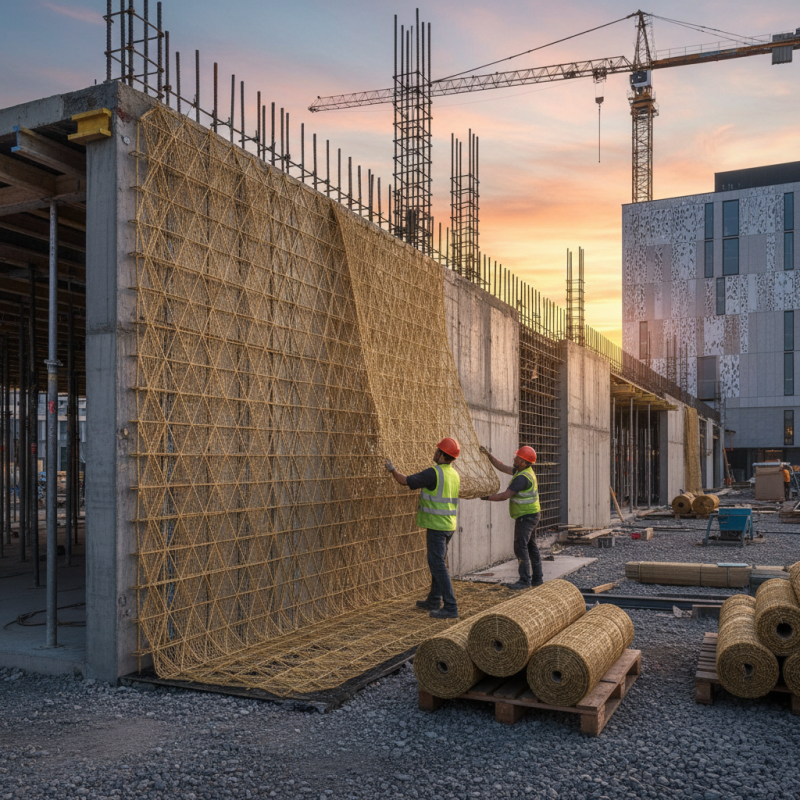
Overview of 3D Basalt Fiber Mesh and Its Applications in Construction
3D Basalt Fiber Mesh has gained significant attention in the construction industry. This innovative material shows promising strength and durability. With a tensile strength of over 500 MPa, it can withstand various stresses. Its lightweight nature makes it ideal for diverse applications, from concrete reinforcement to architectural facades.
In modern construction, the demand for sustainable and efficient materials is increasing. According to a recent industry report, the market for basalt fiber is expected to grow at a compound annual growth rate (CAGR) of 10% over the next five years. This growth is driven by the material's resistance to chemicals and environmental degradation. Builders seek alternatives to traditional materials. Yet, the adoption rate for Basalt Fiber Mesh remains inconsistent across regions.
Applications in infrastructure, such as bridges and tunnels, are notable. However, some engineers express concerns about its performance under extreme conditions. The long-term effects of temperature variations on the mesh need further exploration. Despite its benefits, education on this material is still lacking. Many construction professionals are unfamiliar with Basalt Fiber Mesh and its potential. This gap could hinder progress in utilizing it effectively.
Analysis of Market Trends in Basalt Fiber Production and Pricing
In the dynamic landscape of basalt fiber production, market trends reveal fascinating insights. Recent reports indicate a shift in demand. Industries focus on sustainable materials. This trend is redefining pricing structures across the board. Factors like supply chain dynamics and raw material availability play crucial roles. Prices fluctuate based on production capabilities and technological advancements.
Tips: Stay updated on market insights. Follow production news for informed decisions. Network with suppliers for better deals.
Many manufacturers face challenges. Production costs can hinder pricing flexibility. Some firms struggle to maintain quality while lowering prices. This creates a delicate balance between quality and affordability. Understanding the nuances of basalt fiber is essential.
Tips: Conduct thorough research. Understand the differences between products. Remember, quality often outpaces price in the long term.
Emerging technologies could further impact the market. Innovation may alter production methods, thereby affecting supply and pricing. Observing these trends can lead to strategic advantages. Buyers should be mindful of evolving quality standards.
Key Benefits of 3D Basalt Fiber Mesh Compared to Traditional Reinforcements
The shift towards 3D basalt fiber mesh is gaining traction for its numerous advantages over traditional reinforcements. Unlike steel or other conventional materials, basalt fiber offers exceptional tensile strength and lightweight properties. This mesh is incredibly durable, standing up to harsh environmental conditions. It resists corrosion and is less prone to decay compared to organic fibers, making it a long-lasting choice.
Furthermore, 3D basalt fiber mesh is easier to work with in various applications. Its flexible nature allows for easy installation and adaptability in complex structures. This adaptability can lead to reduced labor costs and project timelines. However, the initial costs may be higher than traditional options, which could deter some users.
While the benefits are clear, it’s essential to consider potential shortcomings. The manufacturing processes for basalt fiber can be complex and may not be as widely available. The industry still faces challenges in raising awareness about these materials. 3D basalt fiber mesh shows promise, but more research and understanding are needed to maximize its use in construction.
Manufacturing Processes and Technology Behind 3D Basalt Fiber Mesh
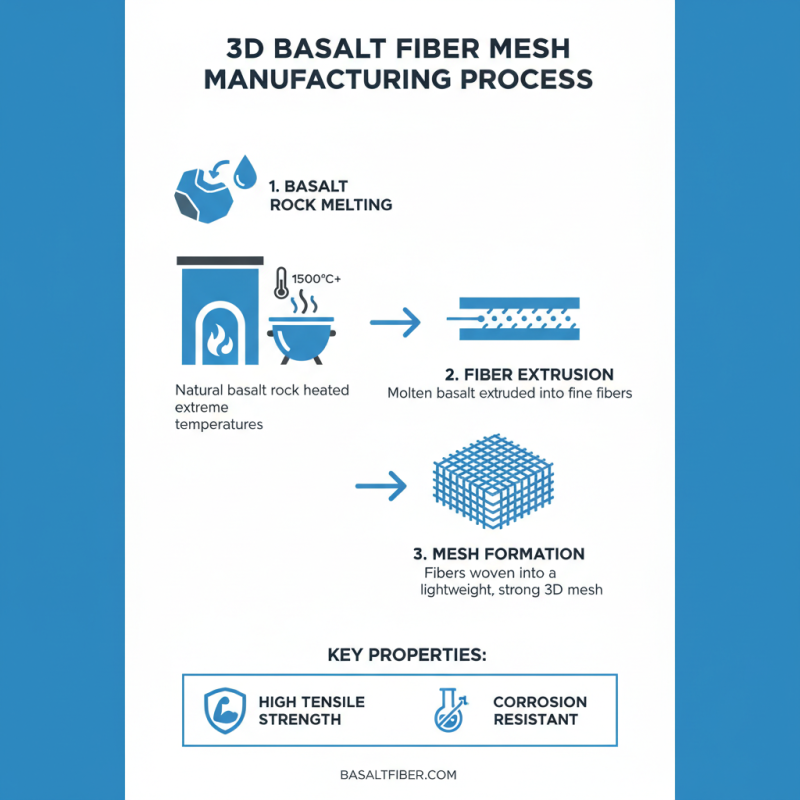
The manufacturing processes behind 3D basalt fiber mesh are fascinating. This mesh is made from natural basalt rock, which is melted at high temperatures. The molten basalt is then extruded to form fibers, creating a lightweight yet strong material. This method retains the unique properties of basalt, such as high tensile strength and resistance to corrosion.
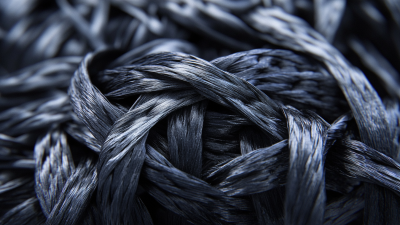
After extrusion, these fibers are woven into a mesh structure. The 3D design enhances stability and strength. Each layer of this mesh adds to the overall durability. However, the precision in weaving can sometimes be challenging. Ensuring uniformity in the mesh's thickness requires attention and constant adjustments. This is where manufacturers must reflect on their techniques.
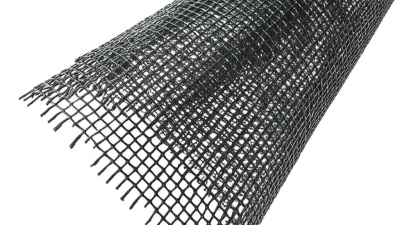
The application of Basalt Fiber Mesh Geogrid improves soil reinforcement in construction projects. The mesh absorbs stress and distributes loads effectively. While the benefits are clear, the scalability of production might pose issues. Meeting large demands without sacrificing quality can be a tightrope walk for manufacturers. Balancing innovation with efficiency is essential for the future of this promising material.
Global Suppliers and Key Players in the Basalt Fiber Industry
The basalt fiber industry is gaining attention globally. Key players are expanding their market reach. These suppliers play a crucial role in the 3D basalt fiber mesh sector. Reports indicate a projected growth rate of over 10% annually in this market. This growth is driven by increasing demand for durable and lightweight materials.
In 2022, the total market value of basalt fiber was USD 500 million. Asia-Pacific leads in production capacity. However, challenges remain. Some manufacturers face quality control issues. The lack of standardized specifications can affect customer trust. Moreover, sustainability practices are still evolving. Companies need to reflect on their environmental impacts.
Many suppliers are investing in research and development. Innovations are needed to improve product performance. For example, composite materials using basalt fiber show promise in construction. However, cost competitiveness with other fibers still needs addressing. As the industry matures, collaboration among suppliers may drive improved standards and efficiency.
Statistical Insights: Demand and Supply Dynamics for Basalt Fiber Mesh
The demand for basalt fiber mesh continues to grow steadily. It finds applications in construction, transportation, and other industries. This material is known for its strength, durability, and resistance to weather conditions. However, supply struggles to keep pace with rising demand. Many manufacturers are ramping up production to meet this challenge.
Tips: When considering basalt fiber mesh, think about your specific needs. Assess the project requirements carefully. This will help you make informed decisions. Additionally, explore local and global suppliers for competitive pricing. Sometimes, local options may offer better service and support.
Understanding the market dynamics is crucial. Adequate supply chains are essential for consistent quality. However, logistical issues can arise. Transportation costs can affect pricing significantly. Therefore, consider sourcing options that minimize these costs.
The versatility of Basalt Fiber Geogrid Mesh opens up new possibilities. While it offers many benefits, some drawbacks exist. Quality variations can lead to inconsistent performance. It's essential to conduct thorough research and select reliable suppliers. This ensures you receive the best product for your needs.
Top China Wholesale 3D Basalt Fiber Mesh Pricelist Overview
| Product Type | Dimensions | Price (USD/m²) | Availability | Lead Time (Days) |
| 3D Basalt Fiber Mesh A | 1.2m x 30m | 3.50 | In Stock | 10 |
| 3D Basalt Fiber Mesh B | 1.2m x 50m | 3.75 | Pre-order | 15 |
| 3D Basalt Fiber Mesh C | 1.2m x 100m | 3.20 | In Stock | 5 |
| 3D Basalt Fiber Mesh D | 1.0m x 50m | 3.00 | In Stock | 8 |
| 3D Basalt Fiber Mesh E | 1.5m x 30m | 4.00 | Limited | 20 |
Future Outlook: Innovations and Forecasts in Basalt Fiber Market
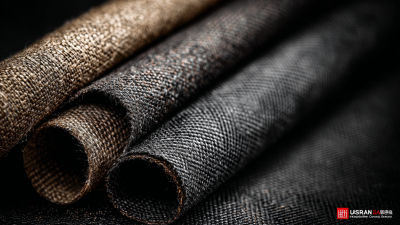
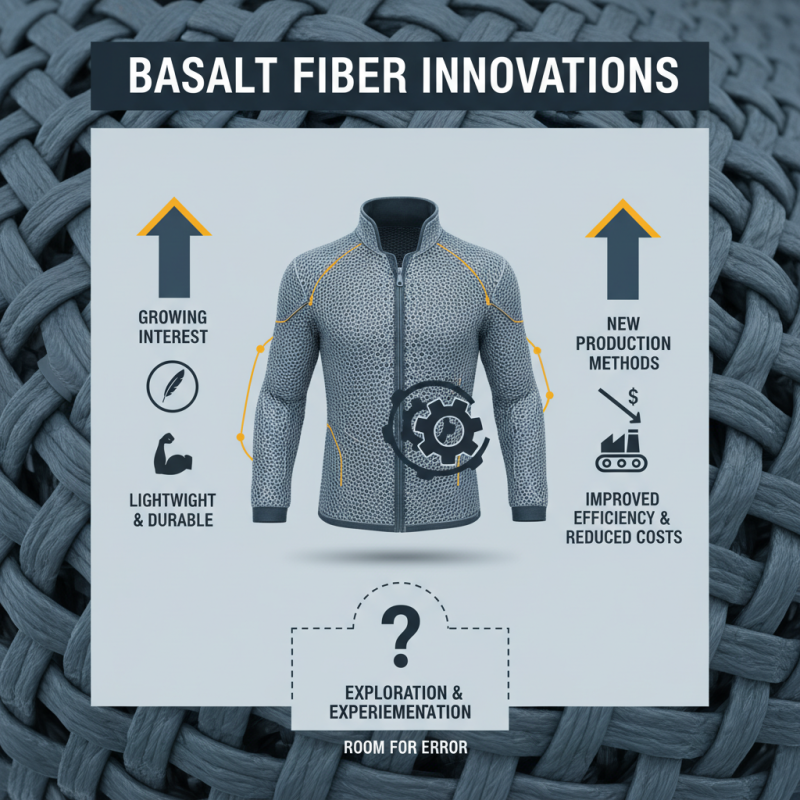
The basalt fiber market is poised for significant innovations. Lightweight and durable, Basalt Fiber Mesh Cloth is attracting growing interest in many industries. Manufacturers are exploring new methods for production. This can improve efficiency and reduce costs. However, some processes may not be fully developed. There’s room for error and experimentation.
As applications expand, quality control becomes crucial. Improper blending or curing can lead to weaker products. Companies must invest in better technologies to ensure consistent results. Sustainability is a growing trend, too. The push for eco-friendly materials is reshaping the landscape. Yet, balancing performance with sustainability remains a challenge.
Looking forward, research and collaboration will be key. Innovation occurs at the intersection of various disciplines. By sharing knowledge, industries can address common shortcomings. This could lead to breakthroughs in basalt fiber applications. Ultimately, the future of basalt fiber mesh cloth is bright but demands careful attention to detail.
Optimizing Composite Manufacturing: The Advantages of Basalt Fiber Roving
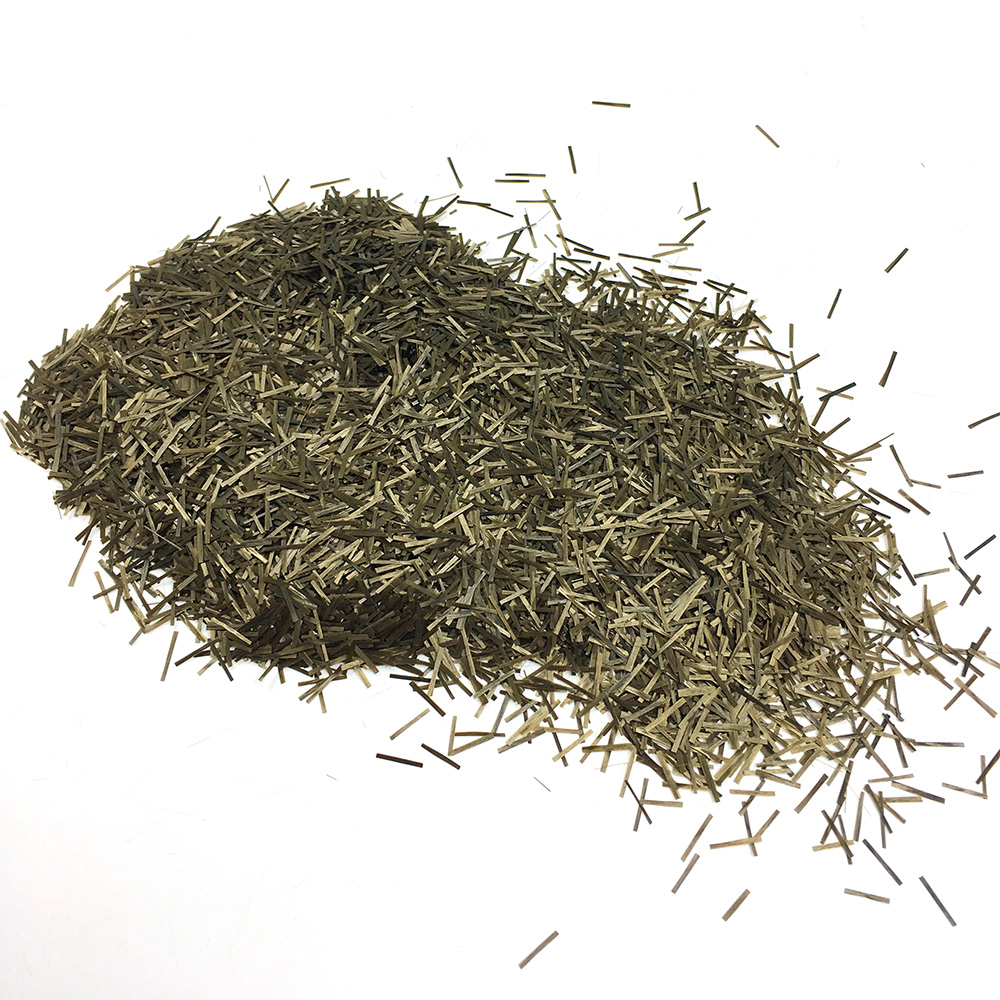
Basalt fiber roving represents a significant advancement in composite manufacturing, offering a unique blend of strength and durability derived from natural volcanic rock. This high-performance material consists of continuous strands of basalt fibers, making it ideal for reinforcing composite materials across various industries, including construction, automotive, aerospace, and marine. The remarkable heat resistance and resilience of basalt fibers enhance the structural integrity of composites, allowing for innovative applications where traditional materials may fall short.
In addition to its mechanical advantages, basalt roving boasts an environmentally friendly production process. Its natural origins minimize ecological impact compared to synthetic fibers, providing a sustainable alternative for manufacturers. Furthermore, basalt roving is cost-effective, making it an attractive option for businesses aiming to enhance their products without compromising quality. The versatility of basalt fibers makes them suitable for a wide range of applications, underscoring their growing popularity in modern engineering and manufacturing practices.
FAQS
: You can donate clothes, books, and household items. Check for usability.
Local charity centers usually accept donations. Look for bins or specified locations.
Yes, clean and sort your items. This makes the process smoother for everyone.
In many cases, yes. Keep receipts as proof for tax purposes after donation.
Damaged items typically cannot be accepted. Consider recycling them instead.
Yes, some items, like certain electronics or expired goods, may not be allowed. Check guidelines.
You can donate as often as you want. Just ensure items are clean and appropriate.
Donations are usually sorted and distributed to those in need or sold to support programs.
Yes, many organizations welcome volunteers. It’s a great way to give back directly.
Consider asking the donation center. They can provide clarity on accepted items.
Conclusion
The article provides a comprehensive overview of 3D Basalt Fiber Mesh, focusing on its applications in the construction industry. With its superior strength and durability, 3D Basalt Fiber Mesh is emerging as a preferred alternative to traditional reinforcement materials. The analysis of current market trends reveals fluctuations in basalt fiber production and pricing, driven by growing demand in various construction sectors.
Additionally, the manufacturing processes and innovative technologies behind 3D Basalt Fiber Mesh are discussed, highlighting the efficiency and sustainability of its production. As the industry evolves, key players and global suppliers are identified, along with statistical insights into demand and supply dynamics. Lastly, the article presents a future outlook on the basalt fiber market, emphasizing potential innovations and forecasts that could shape its development.