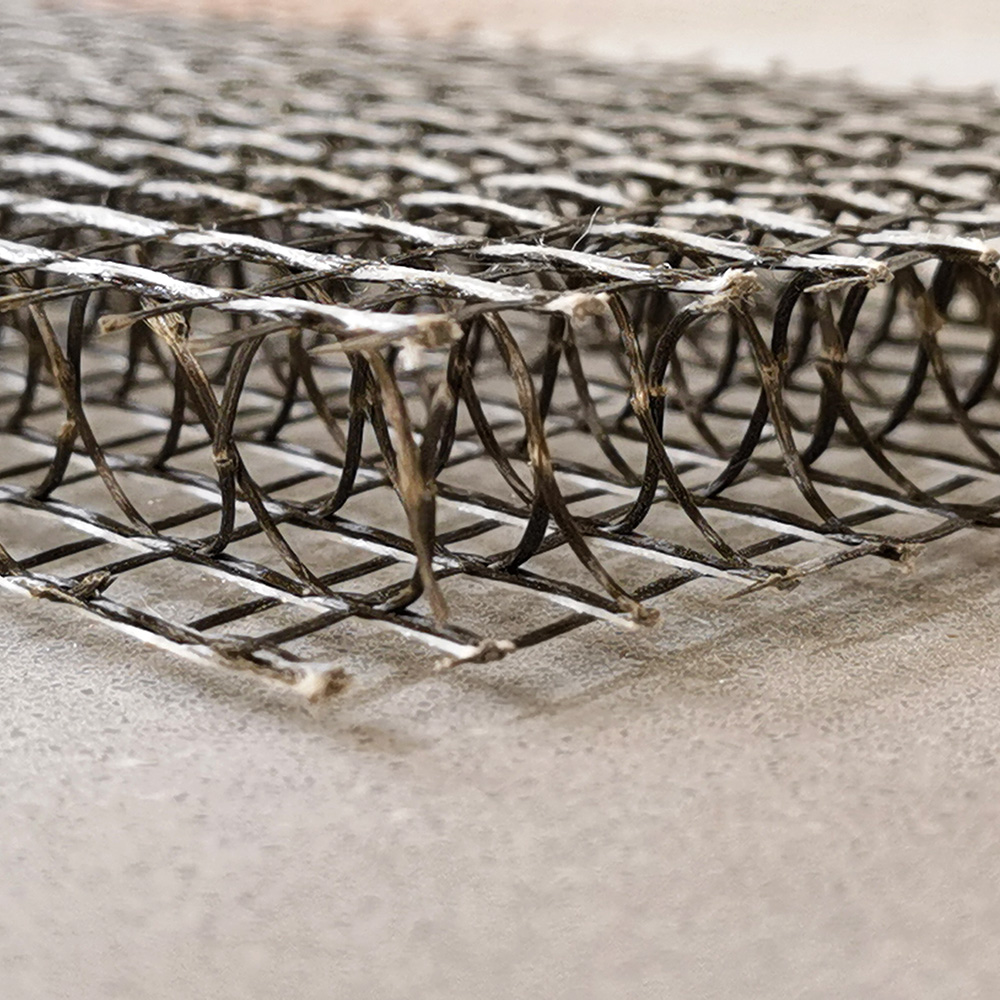
In today’s world of modern construction, picking the right materials really makes all the difference for a project's success. When it comes to reinforcement options, 3D Basalt Mesh stands out because it offers some pretty unique benefits. It’s a smart, innovative solution that blends strength with flexibility, which is why so many pros opt for it. Even though it’s lightweight, it’s still tough and Durable, helping different kinds of projects last longer and perform better.
Now, I get it — choosing the best 3D Basalt Mesh can feel a bit daunting. There’s so much to think about — like what your project specifically needs and what kind of environment you’re working in. Every project has its own quirks and challenges. It’s really important to keep in mind what the mesh will be used for and how much weight it needs to support. Also, not every supplier is creating the same quality products or matching the same specs, which can get confusing.
Getting the hang of these little details is super important if you want to make a smart choice. Picking the wrong kind of mesh can cause issues down the line — nobody wants that. That’s why spending some time researching and asking the right questions can really pay off. Working with reputable suppliers means you’re more likely to get top-notch materials that you can trust. In the end, taking these steps will help ensure your project’s foundation is solid, thanks to reliable 3D Basalt Mesh.
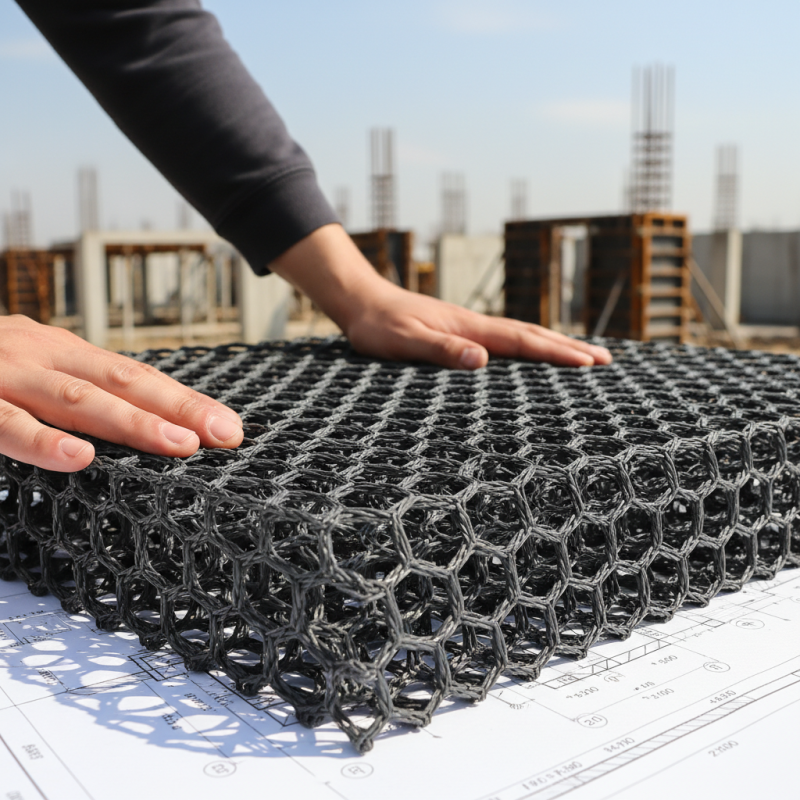
Factors to Consider When Selecting 3D Basalt Mesh for Construction
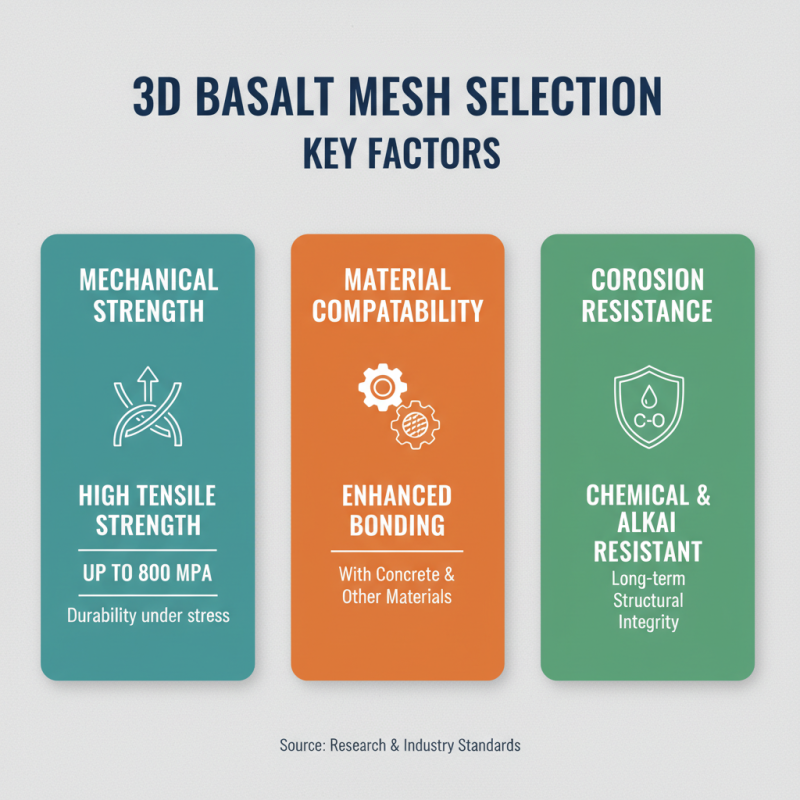
Choosing the right 3D basalt mesh for your construction project involves several critical considerations. First, evaluate the mechanical properties of the mesh. Research shows that basalt fiber exhibits higher tensile strength than glass fibers, with values reaching up to 800 MPa. This strength ensures durability under stress. Pay attention to the mesh's compatibility with different construction materials, especially concrete. A good bond between the basalt mesh and concrete enhances structural integrity.
Another essential factor is the environmental impact. Basalt mesh is known for its eco-friendly profile. Compared to carbon-based materials, basalt is sourced from natural volcanic rock, reducing carbon emissions. However, not all basalt meshes are created equal. Look for certifications that verify their environmental credentials. Reports indicate that the use of Basalt Materials can reduce overall resource consumption by up to 30%.
Tips: Always consult with a structural engineer. They can provide insights tailored to your project needs. Analyze past projects using basalt mesh for lessons learned. Practical experience can save time and money on your project.
Understanding the Properties and Benefits of 3D Basalt Mesh Materials
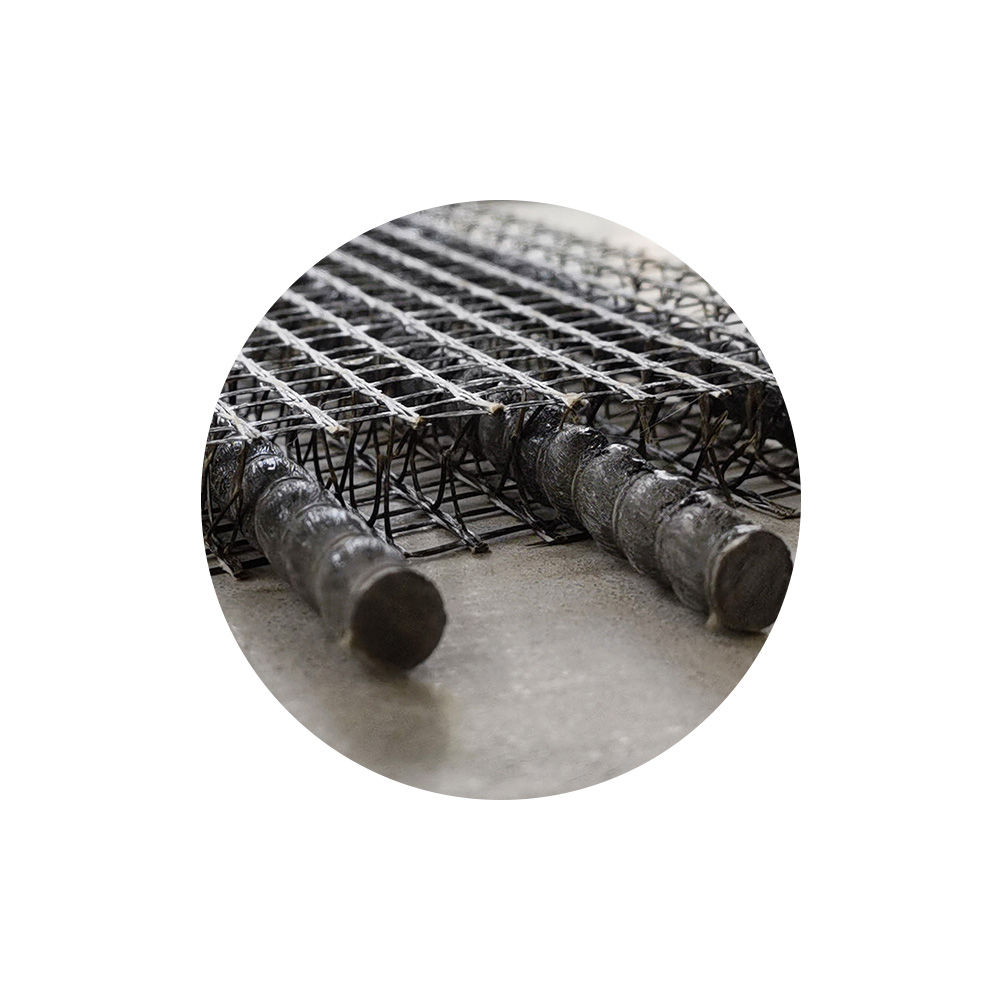
When selecting 3D basalt mesh materials, understanding their properties is vital. These materials are made from volcanic rock, giving them exceptional strength and durability. They resist high temperatures and corrosion, making them suitable for various applications. Construction projects benefit from 3D basalt mesh due to its lightweight nature and high tensile strength.
The benefits of using 3D basalt mesh extend beyond durability. It offers excellent resistance to alkali and UV rays, ensuring it lasts in tough environments. Additionally, this material is eco-friendly, contributing to sustainable building practices. However, it's crucial to consider the specific needs of your project. Not all basalt meshes have the same specifications or structural capabilities.
Some drawbacks exist as well. While the material is resilient, it can be costly compared to traditional composites. Sourcing can also be challenging, leading to delays. Evaluating your project requirements carefully is essential. The correct balance between cost and quality will dictate the success of your application. Keep these factors in mind when choosing 3D basalt mesh for your endeavors.
Comparing 3D Basalt Mesh with Traditional Reinforcement Methods
When considering reinforcement methods for construction, analyzing the 3d Basalt Mesh is essential. Traditional methods often rely on steel or wire meshes. While effective, these materials can corrode and weaken over time. In contrast, 3D basalt mesh offers increased durability. It is resistant to chemical attacks and environmental stressors. This longevity can lead to lower maintenance costs in the long run.
Another notable difference is the weight factor. Traditional reinforcement methods can be heavy, requiring more labor and machinery for handling. 3D basalt mesh is lightweight, making it easier to install. This can lead to faster project timelines. However, some engineers question the load-bearing capacity of basalt compared to steel. It’s essential to evaluate specifications carefully. Each project has unique needs that may require different approaches.
Additionally, the manufacturing process of 3D basalt mesh involves innovative techniques. Using natural basalt fibers reduces the carbon footprint. This eco-friendly aspect appeals to many modern projects. Yet, the initial cost may be higher than traditional methods. Striking a balance between budget constraints and performance is crucial. Engaging with professionals who specialize in 3D basalt mesh can provide valuable insights. Their expertise can guide you toward the most suitable choice for your project.
Evaluating the Cost-Effectiveness of 3D Basalt Mesh Solutions
When exploring the cost-effectiveness of 3D basalt mesh solutions, it’s crucial to analyze materials and installation expenses. Many projects underestimate the total costs involved. While Basalt Fiber Mesh can be more expensive initially, its long-term benefits often outweigh these upfront costs. This material boasts durability and resistance to environmental factors, which can reduce maintenance expenditures.
Investing in basalt fiber mesh means prioritizing performance. The mesh offers high tensile strength, making it suitable for demanding applications. However, not all projects require such robust solutions. Evaluating specific needs can lead to more informed purchasing decisions. Consider factors like project duration and environmental conditions as they affect overall value.
There are subtleties in pricing that may require careful scrutiny. Not every supplier provides the same quality or service. It is important to compare and review options for better outcomes. Remember that cheaper alternatives may result in higher costs later. Each project is unique, and assessing the real value of basalt mesh is key. The right choice can ultimately enhance efficiency and effectiveness.
Assessing the Environmental Impact of Using 3D Basalt Mesh
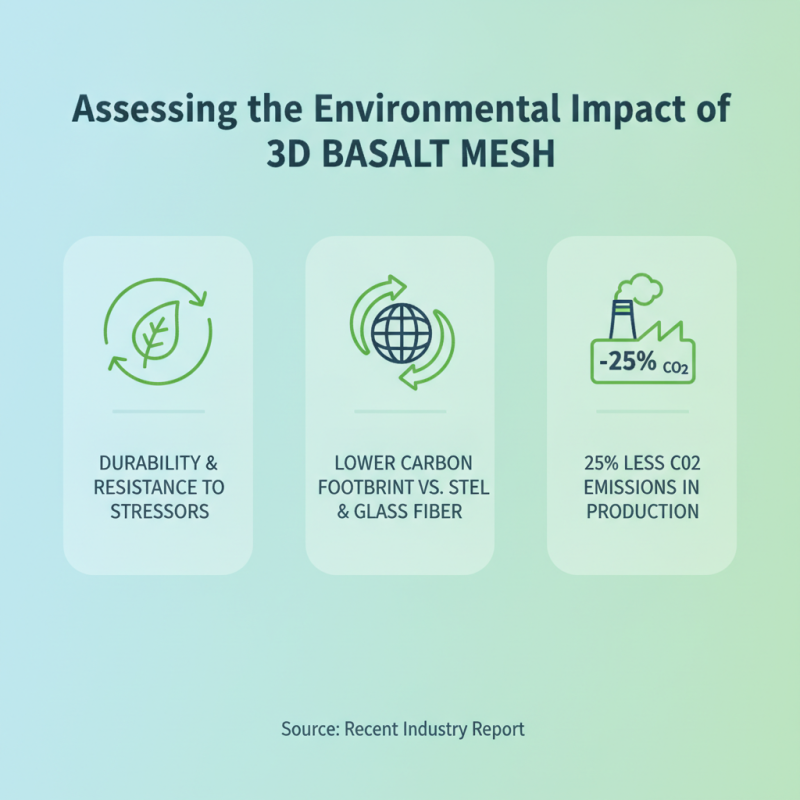
The environmental impact of using 3D Basalt Mesh is significant. This innovative material is known for its durability and resistance to environmental stressors. According to a recent industry report, basalt fiber has a lower carbon footprint compared to traditional materials like steel and glass fiber. Its production emits approximately 25% less CO2.
3D Basalt Mesh is also entirely recyclable. Unlike many synthetic alternatives, it does not contribute to microplastic pollution. Reports indicate that the lifecycle of basalt materials can lead to a reduction in landfill waste by up to 30%. However, the extraction and processing of basalt rock require scrutiny. Local ecosystems may be disrupted during mining activities, potentially leading to adverse effects on biodiversity.
Despite these concerns, the long-term benefits of using Basalt Mesh in various construction projects outweigh the initial environmental costs. Awareness of production practices and sustainable sourcing is crucial. Projects that prioritize environmental responsibility must evaluate both the benefits of 3D Basalt Mesh and its ecological implications.
Key Manufacturers and Suppliers of Quality 3D Basalt Mesh
When selecting a 3D basalt mesh for construction, quality is crucial. Look for suppliers who specialize in this material. They must demonstrate expertise in producing durable and robust Basalt Fibre Mesh. Not all manufacturers offer the same level of reliability. Some may promise high performance but deliver inconsistent quality. Researching customer reviews can provide insight into their reputation.
Various manufacturers provide 3D basalt mesh, but not all are equal. Trusted suppliers should adhere to rigorous quality control standards. Check if they comply with international regulations. A few questionable manufacturers may cut corners to reduce costs. This compromises the product's integrity, so it's vital to verify certifications.
In addition, effective communication with potential suppliers is essential. Ask about their manufacturing processes. Inquire if they provide samples for initial evaluation. A good supplier should be open to discussing their techniques. However, take their claims with a grain of salt. It's important to cross-check claims with independent sources. This diligence can prevent future complications on your project.
Regulatory Standards for 3D Basalt Mesh in Construction Projects
When selecting 3D basalt mesh for construction projects, understanding regulatory standards is crucial. These standards ensure safety and durability. According to the Global Composites Market Report 2021, materials meeting specific regulatory benchmarks increase project longevity by up to 30%. This information emphasizes the need for high-quality materials in building.
The International Standards Organization (ISO) provides guidelines on the minimum performance criteria for 3D basalt mesh. Compliance with ISO 9001 can significantly affect the reliability of construction projects. Non-compliance can lead to structural failures and costly repairs—an aspect often overlooked in project planning. A study indicated that projects with compliant materials had a 25% lower failure rate.
Furthermore, different regions may have varying requirements. For instance, the European Union has established strict guidelines to manage environmental impacts. These measures just add to the complexity of choosing the right materials. It raises questions about balancing regulatory compliance and innovative design. Focusing only on aesthetics can lead to overlooking essential safety standards.
How to Choose the Best 3D Basalt Mesh for Your Project? - Regulatory Standards for 3D Basalt Mesh in Construction Projects
| Dimension | Material Properties | Weight per Unit Area | Mechanical Strength | Standards Compliance |
| 1m x 1m x 15mm | High corrosion resistance, UV stability | 2.5 kg/m² | Tensile strength of 120 MPa | Complies with ASTM D7264 |
| 2m x 1m x 20mm | Fire resistant, water repellant | 3 kg/m² | Compressive strength of 200 MPa | Meets EN 197-1 standard |
| 1.5m x 1m x 10mm | Lightweight, flexible | 1.8 kg/m² | Shear strength of 60 MPa | Certified by ISO 9001 |
| 1m x 2m x 25mm | Highly durable, non-toxic | 4 kg/m² | Bending strength of 150 MPa | Aligns with ACI 318 regulations |
Innovative Applications of Basalt Fiber Yarn for Reinforcement and Insulation in Modern Industries
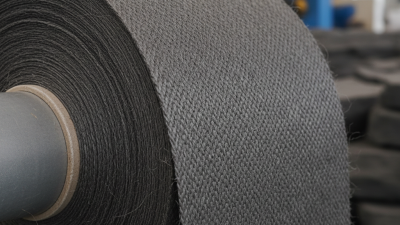
Basalt fiber yarn, derived from volcanic rock, is becoming a transformative material in various modern industries, thanks to its remarkable properties. This yarn showcases exceptional heat resistance, high durability, and impressive strength, making it particularly advantageous in sectors like aerospace, automotive, and construction. The versatility of basalt yarn allows it to be woven into a multitude of forms, including fabrics, tapes, and ropes, enabling effective reinforcement and insulation capabilities.
In addition to its performance characteristics, basalt yarn offers an environmentally friendly manufacturing process. As a readily available natural resource, it stands as a sustainable alternative to traditional materials such as fiberglass. Its reduced environmental impact and increasing recognition as a green material highlight the growing shift toward eco-conscious engineering practices in contemporary manufacturing.
By leveraging the innovative applications of basalt fiber yarn, industries can enhance product longevity and reliability while simultaneously contributing to sustainability efforts. This positions basalt yarn not only as a practical choice for reinforcement and insulation but also as a forward-thinking solution in the quest for eco-friendly materials.
FAQS
: 3D basalt mesh is a reinforcement method for construction. It uses natural basalt fibers, offering durability and resistance.
Traditional methods often use steel, which can corrode. Basalt mesh resists chemical attacks and lasts longer, reducing maintenance.
Yes, 3D basalt mesh is lightweight. This makes installation easier and faster, reducing labor and machinery needs.
Some engineers question basalt's load-bearing capacity. It's important to evaluate project specifications carefully.
3D basalt mesh has a lower carbon footprint than traditional materials. Its production emits 25% less CO2.
Yes, 3D basalt mesh is fully recyclable. It helps reduce landfill waste and does not produce microplastic pollution.
Yes, mining basalt can disrupt local ecosystems. This may negatively affect biodiversity in those areas.
Evaluate your project's budget and performance needs. Engaging with experts can help guide your decision.
While basalt mesh is eco-friendly, production practices need scrutiny. Awareness of sourcing is vital for sustainable projects.
Initial costs for 3D basalt mesh can be higher. Balancing budget and performance remains a critical consideration.
Conclusion
When selecting the best 3D Basalt Mesh for your construction project, several critical factors need to be considered. Understanding the material's properties and benefits is essential, as 3D Basalt Mesh offers superior strength, durability, and resistance to environmental factors compared to traditional reinforcement methods. Evaluating cost-effectiveness is also crucial, as these solutions can lead to long-term savings.
Additionally, it is important to assess the environmental impact of using 3D Basalt Mesh, as it is often more sustainable than conventional materials. Familiarizing yourself with key manufacturers and suppliers ensures access to quality products, while being aware of regulatory standards will help guarantee compliance within your construction projects. Overall, a careful evaluation of these aspects will guide you in making an informed decision about integrating 3D Basalt Mesh into your construction endeavors.