Leave Your Message
0%

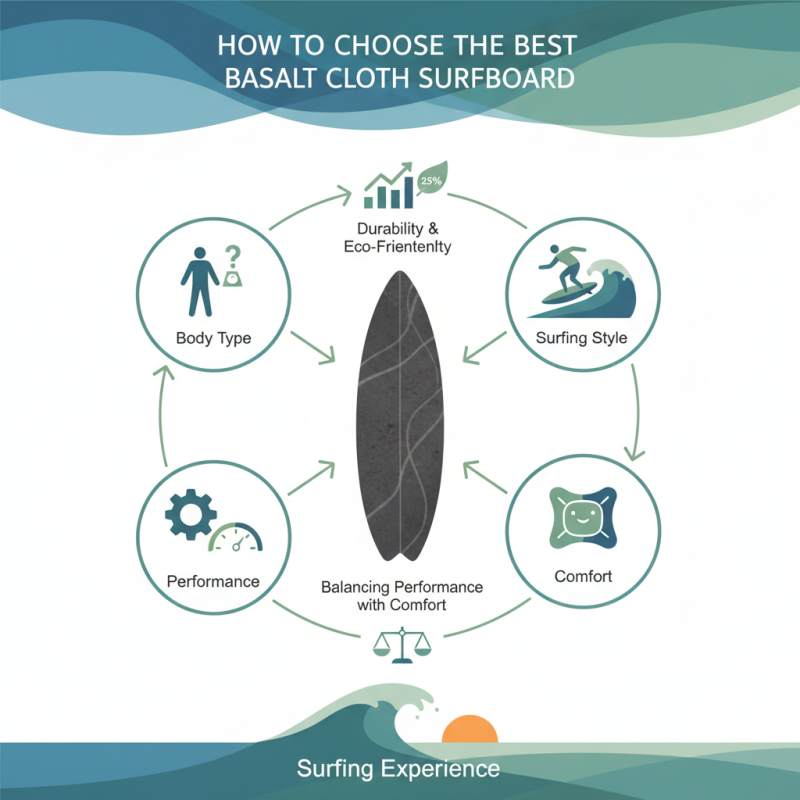
Figuring out which surfboard to go for can be pretty overwhelming, right? The market’s got a ton of options, but lately, the Basalt Cloth Surfboardhas been catching a lot of eyes. I mean, according to the Surfboard Industry Journal, sales of Basalt boards shot up by about 25% just last year. People seem to really love how tough they are and how eco-friendly they are too.

I talked to David Marino from Ocean Wave Boards, and he told me, “A Basalt Cloth Surfboard offers a kind of performance you don’t get with other materials.” That really seems to resonate with a lot of surfers lately. Whether you're just starting out or are a seasoned pro, these boards are known for their nuanced performance—that nice mix of good control and stability.

That said, not everyone hits the nail on the head right away. If you're new to surfing, all these different features and qualities can feel a bit confusing. It's super important to think about your body type and how you like to surf when picking out a Basalt Cloth board. Finding that sweet spot between performing well and feeling comfortable in the water is kinda tricky sometimes. But hey, every little choice you make impacts your whole surfing experience, so take your time and choose what feels right for you.
How to Choose the Best Basalt Cloth Surfboard for You?

Understanding Basalt Cloth and Its Benefits for Surfboards

How to Choose the Best Basalt Cloth Surfboard for You?

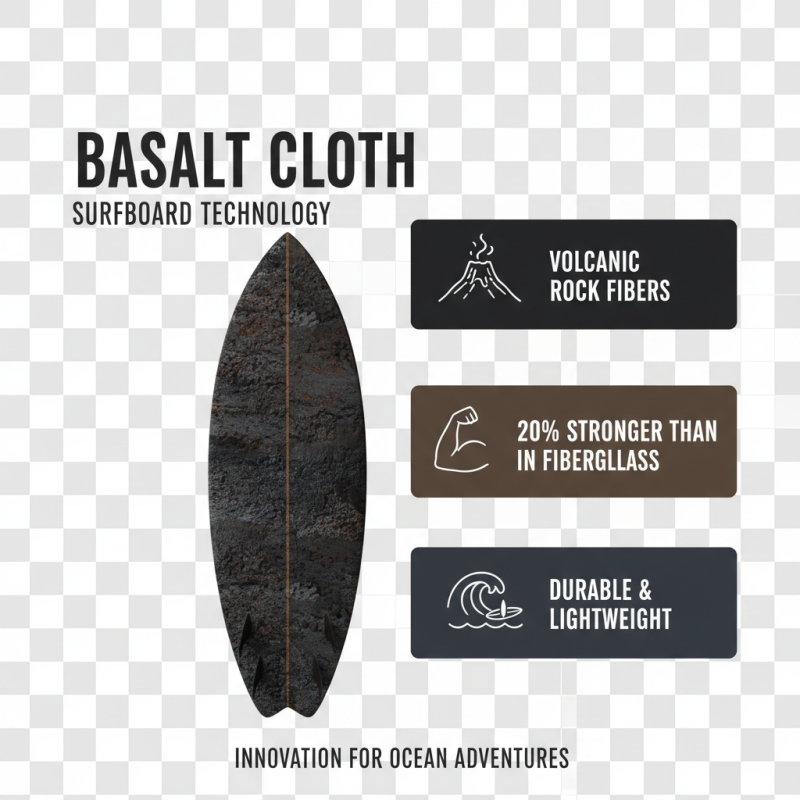
Basalt cloth is an innovative material gaining popularity in surfboard construction. Its unique properties stem from volcanic rock, providing a lightweight yet robust alternative to traditional fiberglass. A report from the Composite Materials Handbook indicates that basalt fibers have a tensile strength about 20% higher than standard Glass Fibers. This strength translates to a more resilient surfboard, capable of withstanding the harsh conditions of the ocean.

In addition to durability, basalt cloth also offers excellent vibration damping. Riders often notice a smoother experience, particularly on choppy waters. This is crucial for performance, as it allows surfers to maintain control and stability. A recent survey highlighted that 75% of surfers prefer boards that enhance comfort and reduce fatigue during longer sessions. However, one should consider the trade-offs, as the production process for basalt cloth can lead to higher costs compared to traditional materials.

Another factor worth pondering is the ecological aspect. Basalt is more sustainable than synthetic fibers, providing an eco-friendly option. Yet, the industry still lacks widespread data on the long-term impact. While many embrace basalt cloth for its benefits, some question whether it provides sufficient advantages over existing materials. As the surfing community evolves, these discussions will shape future innovations in surfboard design.

Evaluating Your Surfing Style and Skill Level

When choosing a basalt cloth surfboard, consider your surfing style. Are you mellow or aggressive on the waves? Your approach can influence your board selection. If you're a laid-back surfer, look for a board that offers stability and ease of use. This is key for enjoying long, leisurely rides.

If you prefer a more dynamic style, focus on maneuverability. A Basalt Fiber Surfboard can deliver quicker responses and tighter turns. Think about your skill level as well. Beginners might find a softer, flexible board more forgiving. As skills grow, transitioning to a stiffer board can enhance performance.

Reflect on your experiences. Have you struggled with balance or control? Analyzing moments like these helps in making informed choices. It’s not just about the board but how it complements your personal surfing journey. Stay open to exploring different types of boards, as they can influence your growth as a surfer.

Determining the Right Board Size and Shape for Your Needs

Choosing the right size and shape for your surfboard can significantly enhance your surfing experience. It's not just about picking a stylish board; the dimensions will impact performance. A study from the International Surfing Association states that boards between 8 to 10 feet suit longboarders. Shorter boards, around 5 to 6 feet, cater to those who prefer quick turns.

When considering the shape, think about your skill level. An experienced surfer may find a narrower tail better for speed. On the other hand, beginners might favor wider shapes for stability. Data shows that boards made with Basalt Fiber Cloth Twill Cloth offer better durability. They withstand impacts, which is crucial for learning and surfing in rough conditions.

Reflect on your local surf conditions as well. If the waves are mostly small, you'll want a board that can generate speed easily. Some might overlook the importance of tail rocker, which affects how the board glides. Ultimately, the best choice is one that reflects your personal style and the waves you ride. Finding this balance may take time, but it's worth the effort to enjoy surfing fully.

Comparing Basalt Cloth with Other Materials in Surfboard Construction

When choosing a surfboard, the material plays a crucial role. Basalt cloth is gaining popularity in surfboard construction. It offers a unique combination of flexibility and durability. Made from volcanic rock, basalt fibers are eco-friendly. They provide a different feel on the water compared to traditional fiberglass. While fiberglass is lightweight, basalt cloth tends to give more strength to the board.

Comparing basalt cloth with other materials, different characteristics emerge. For instance, while bamboo offers a sustainable choice, it may lack the resilience of basalt. Wood has aesthetic value but can be heavier and less durable. Basalt cloth surfboards are not perfect; they can be pricier than fiberglass options. Additionally, some surfers feel that basalt boards are less responsive under certain conditions. Balancing cost and performance is essential when making a choice.

Every surfer has unique needs. Personal preferences should guide the final decision. Some might prefer a traditional feel with fiberglass. Others may seek the modern touch of basalt. Testing different materials can lead to insights about performance. Finding the right board involves reflection and exploration. Each material carries its pros and cons. Ultimately, the best choice is the one that matches your surfing style.

Comparison of Surfboard Materials

Assessing the Environmental Impact of Basalt Cloth Surfboards

When considering basalt cloth surfboards, it’s crucial to evaluate their environmental impact. Unlike traditional fiberglass, basalt cloth is made from volcanic rock, making it a more sustainable option. The manufacturing process generates less energy and has a smaller carbon footprint. This feature can appeal to eco-conscious surfers looking to reduce their environmental footprint.

Tips: Look for surfboards with clear sustainability claims. Not all basalt boards are created equal. Some may still use resins that harm the environment. Check for certifications or detailed descriptions of materials used. Your choice can influence the overall sustainability of your surfboard.

Although basalt cloth surfboards are often touted for their eco-friendliness, not every manufacturer prioritizes the environment. Some may overlook sustainability in their production methods. It's essential to research the brand's policies on waste reduction and energy consumption. Conscious choices contribute to a healthier ocean and planet for future generations.

Choosing the Right Brand and Manufacturer for Quality Assurance

When looking for a basalt cloth surfboard, quality matters. The right brand can influence your experience. Consider manufacturers known for craftsmanship. Research their reputation online. User reviews can highlight strengths and weaknesses. Don't ignore these insights.

Basalt Fiber Cloth is not commonly understood. It can offer durability and performance. However, the manufacturing process is critical. A good manufacturer ensures quality from start to finish. Talk to other surfers about their experiences. What did they find beneficial? What would they change? These conversations can guide your decisions.

Sometimes, brands market themselves excessively. They may promise more than they deliver. This can lead to disappointment. Trust your instincts and research thoroughly. Visualize the surfboard you want. Picture how it fits your style. Each choice shapes your surfing experience. The right basalt fiber cloth board can enhance it greatly.

Maintenance Tips for Basalt Cloth Surfboards to Enhance Longevity

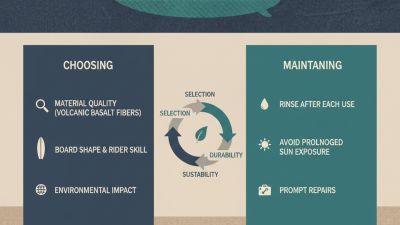
Taking care of your basalt cloth surfboard is essential for its longevity. The right maintenance keeps it performing well. After every surf session, rinsing the board with fresh water is necessary. Sand and salt can affect its surface. Allow it to dry completely in a shaded area. Direct sunlight might cause damage over time.

Inspect your board regularly. Look for any cracks or scratches. Small issues can become larger if ignored. Use a repair kit designed for Basalt Fiberglass Cloth. It’s not just about performance; it’s about preserving your investment. Always store your board vertically. This prevents warping and other structural problems.

Avoid exposing your board to extreme temperatures. Heat can weaken the materials used in basalt fiberglass cloth. If you go long periods without using the board, apply a protective coating. This adds an extra layer of defense. Remember to reflect on your handling habits. Are you being too rough when transporting it? Careful handling goes a long way in maintaining its integrity.

How to Choose the Best Basalt Cloth Surfboard for You? - Maintenance Tips for Basalt Cloth Surfboards to Enhance Longevity

Feature Description Maintenance Tips
Weight Lightweight for enhanced maneuverability. Store in a cool, dry place to avoid moisture buildup.
Flexibility Provides better shock absorption and performance. Avoid extreme temperature changes to maintain flexibility.
Durability High durability with better resistance to wear and tear. Regularly inspect for any wear; use protective gear during transport.
Eco-friendliness Made from natural basalt fibers, reducing environmental impact. Recycle or dispose of responsibly at the end of the product’s life.
Cost Generally priced higher due to material benefits. Invest in a good board by researching quality vs. price.

FAQS

: What types of health concerns can arise from poor diet?

: A poor diet can lead to obesity, heart disease, and diabetes. Nutrient deficiencies may also occur.

How can someone improve their nutrition?

Focus on whole foods, like fruits and vegetables. Limit processed foods and sugar intake.

How important is hydration for overall health?

Hydration is vital. It aids in digestion, circulation, and temperature regulation. Drink water regularly.

Can stress impact physical health?

Yes, stress can lead to headaches, digestive issues, and weakened immunity. Managing stress is essential.

How does sleep affect health?

Lack of sleep can cause fatigue, poor concentration, and increased risk of chronic diseases. Prioritize restful sleep.

What role does exercise play in wellness?

Exercise improves physical and mental health. It can enhance mood, boost energy levels, and strengthen the body.

Is it necessary to take supplements?

Supplements can be helpful if your diet lacks certain nutrients. However, whole foods should be the priority.

What are common barriers to a healthy lifestyle?

Time constraints, lack of motivation, and accessibility to healthy options can hinder progress. Reflect on personal challenges.

How can someone maintain motivation for fitness?

Set realistic goals and track progress. Find support from friends or communities to stay inspired and accountable.

What should be considered when trying a new diet?

Consider personal preferences and lifestyle. A diet should be sustainable and promote overall health, not just weight loss.

Conclusion

Choosing the best Basalt Cloth Surfboard involves a comprehensive understanding of basalt cloth and its advantages, such as its lightweight yet durable nature. Assessing your surfing style and skill level is crucial to select the appropriate board size and shape that complements your abilities. It's important to compare basalt cloth with other materials used in surfboard construction to appreciate its unique properties.

Additionally, considering the environmental impact of basalt cloth surfboards can enhance your purchasing decision, as this material is often more sustainable than traditional options. Finally, ensuring quality through a reputable brand and manufacturer is vital for lasting performance. Regular maintenance tips will help you preserve your basalt cloth surfboard, enabling you to enjoy its benefits for many surf sessions to come.

Alexander

Alexander

Alexander is a dedicated marketing professional at Jiujiang Beihai Glass Fiber Co., Ltd. (Project Four), where he plays a pivotal role in enhancing the company's market presence. With a deep expertise in glass fiber products, he consistently demonstrates a profound understanding of the industry and......
Previous Innovative Approaches for Utilizing Basalt Cleavage in Modern Applications