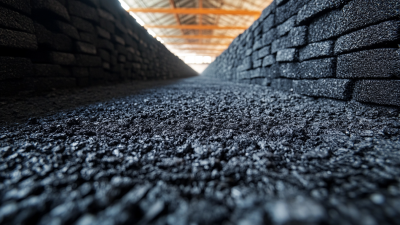
These days, demand for advanced materialsis surging, and Basalt Fiber is turning heads thanks to its impressive mechanical properties. A Research and Markets report projects the global basalt fiber market to reach aboutUSD 45 million by 2025, a sign of solid growth. Thanks to its high tensile strength, thermal stability, and corrosion resistance, basalt fiber is a great fit for a range of applications in construction, automotive, and Aerospace.
China Beihai Fiberglass Co., Ltd., a high-tech enterprise, is leading the charge in this fast-growing field, focusing on R&D and production of high-performance basalt continuous fiber. This post will walk you through how to identify premium basalt-fiber suppliers so businesses can leverage these advanced materials effectively on their projects.
Understanding the Composition and Production of Basalt Fiber
Basalt fiber is a game-changing material with standout mechanical properties, and it’s been gaining traction across construction, automotive, and aerospace sectors. To really understand what it can do, it helps to know what it’s made of. Basalt fiber comes from volcanic rock and is mainly composed of silica, alumina, and iron oxide. That distinctive mineral mix not only gives basalt fiber a high tensile strength of about 4000 MPa, but also contributes to its durability and heat resistance, making it a solid choice for advanced engineering applications.
Here at China Beihai Fiberglass Co., Ltd., we’re at the forefront of basalt fiber innovation, focusing on high-performance basalt continuous fiber. Our state-of-the-art manufacturing practices ensure our products meet the tight standards of various industries. A MarketsandMarkets report projects the global basalt fiber market to grow at about 10.9% CAGR from 2021 to 2026, underscoring the rising demand for this sustainable material.
Tip: When you’re exploring applications for basalt fiber, it’s worth evaluating the operating environment, because its thermal and chemical resistance can significantly extend the life of structural materials.
On the production side, basalt fiber is created by melting raw basalt rock at temperatures above 1400°C and drawing it into filaments. This method is energy-efficient and more environmentally friendly compared with traditional fiber production techniques.
Tip: Investing in high-quality basalt fiber can pay off in the long run thanks to its longevity and low maintenance needs relative to alternative materials.
Mechanical Properties of Basalt Fiber
Key Mechanical Properties that Define Basalt Fiber Performance
Basalt fiber has been grabbing attention across a bunch of industries thanks to its standout mechanical properties that outpace traditional materials. A main thing people look at is tensile strength—basically, basalt fiber typically runs from about 300 to 800 MPa, and that depends on how it's produced. That high strength, combined with being lightweight and resistant to chemical corrosion, makes basalt fiber a top pick for construction, automotive, and aerospace applications.
Another key property is the modulus of elasticity, which sits in the 50–90 GPa range. In practical terms, this means structures made from basalt fiber composites stay sturdy under stress. And because its thermal conductivity is quite low (around 0.038 W/m·K), it also wears well as insulation while staying durable at high temperatures—perfect for fire-resistant uses.
Tip: When you're picking basalt fiber for a given application, look at both tensile strength and elasticity. Aim for a balance to optimize performance and keep things structurally reliable. And don’t forget to consult industry standards and the technical sheets to understand the specific grades and where they’re best suited.
Comparative Analysis: Basalt Fiber vs. Other Fiber Materials
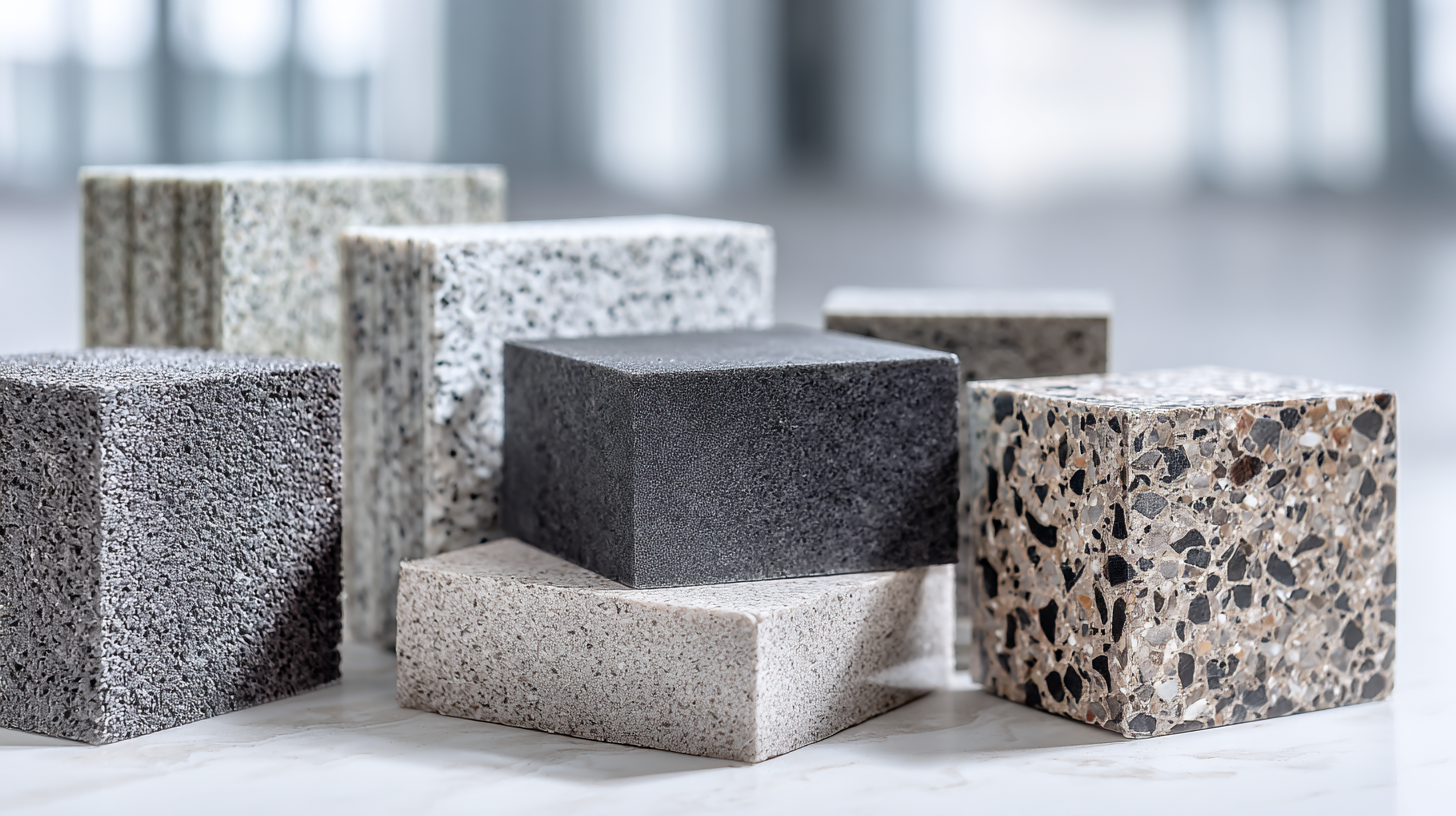
In the world of advanced materials, basalt fiber is quietly establishing itself as a formidable rival to the old standbys like glass and carbon fibers. It boasts impressive mechanical properties—superior tensile strength, strong resistance to chemical degradation, and admirable temperature stability. All of that makes it particularly appealing for applications in construction, aerospace, and automotive sectors. And when industries are looking for materials that not only boost performance but also lean toward sustainability, basalt fiber stands out for its natural origins and relatively light environmental footprint. China Beihai Fiberglass Co., Ltd. has carved out a leadership role in the basalt fiber space, focusing on innovating and producing high-performance basalt continuous fiber. By leaning on cutting-edge R&D, the company aims to unlock the full potential of basalt fiber and set a new standard for how it's used across various sectors. When you compare basalt fiber with other materials, glass fibers often get praised for being lightweight, but basalt fibers consistently outperform them in both strength and heat resistance—making them a go-to choice for harsh environments where reliability really matters.
Applications of Basalt Fiber in Modern Industries
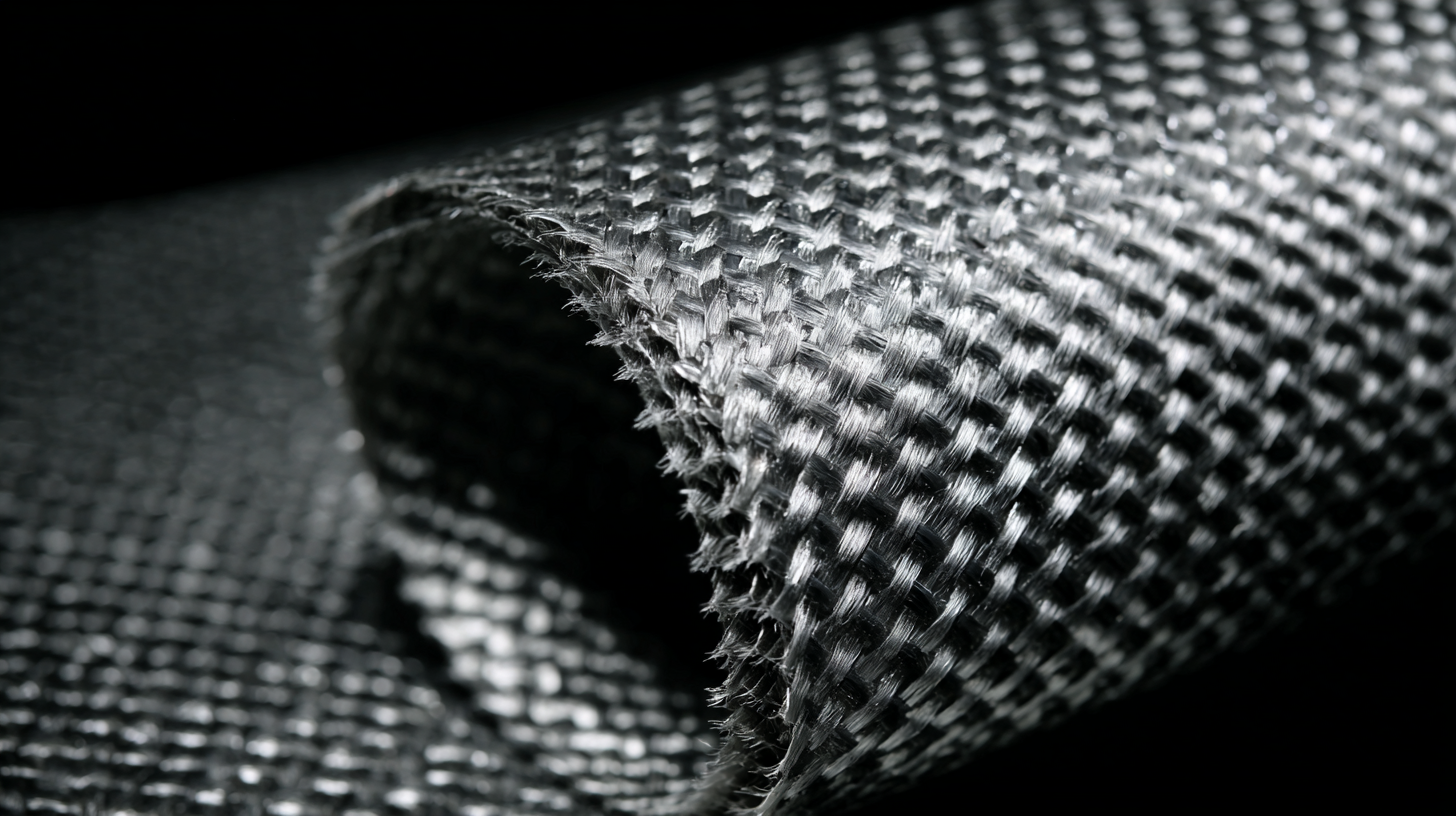
Basalt fiber has really started to stand out as a game-changer across today’s industries, thanks to its strong mechanical properties. This natural fiber is made from volcanic rock and brings compelling tensile strength, solid thermal stability, and good corrosion resistance, making it a smart choice for a bunch of applications. In construction, it’s used to bolster concrete, boosting strength and durability so structures can ride out environmental stresses.
In the automotive world, it’s increasingly woven into lightweight composites, helping reduce vehicle weight without sacrificing structural integrity. When you’re considering basalt fiber for your project, start by looking at your specific needs. For instance, its impressive heat resistance makes it a natural fit for thermal insulation in high-temperature environments. And because it’s non-toxic and recyclable, it’s a greener alternative to many traditional fibers.
There’s also exciting potential in aerospace, where keeping things light really matters. Basalt fiber’s low density and excellent strength-to-weight ratio offer real advantages for aircraft components, improving performance and fuel efficiency. As industries continue to push innovation, demand for basalt fiber is likely to rise, thanks to its unique properties and versatility. If you’re shopping around, try to find suppliers that specialize in basalt fiber to ensure you’re getting top-quality material. And don’t overlook the environmental angle—basalt fiber is not only effective, but also supports a greener future through natural sourcing and recyclability.
The Role of Quality Control in Basalt Fiber Manufacturing
Quality control plays a pivotal role in basalt-fiber manufacturing because it directly shapes the final product's mechanical performance. From choosing raw materials to running the production line, every step has to meet strict quality standards if we want basalt fibers to deliver real strength, durability, and consistency. By putting rigorous tests in place at different points in the process, we can spot potential defects early and fix issues before they affect the end product. That kind of attention to detail is what helps us hit the mechanical specs that make basalt fiber a compelling alternative to traditional materials. It's a big deal, really.
And quality control isn't just about what happens on the factory floor. Think of it as the glue that holds the whole supply chain together—from sourcing the basalt to delivering the finished fibers. Working with trusted suppliers to obtain high-quality raw materials is key to keeping the process integrity intact. Ongoing monitoring and verification during production ensure that every batch of basalt fiber meets the target standards for properties like tensile strength, modulus of elasticity, and resistance to environmental factors. By making quality control a priority at every stage, manufacturers can not only optimize performance but also gain a real edge in the composites market.
Future Trends in Basalt Fiber Technology and Market Potential
Looking ahead, basalt fiber technology is set to make real strides. Market researchers peg the global basalt fiber market at about $1.8 billion by 2026, a figure MarketsandMarkets has highlighted. As industries press for sustainability alongside high-performance materials, basalt fiber stands out because of its combination of strong mechanical properties and environmental benefits. Think of it this way: it offers excellent tensile strength, solid thermal resistance, and corrosion resistance, which makes it a great fit for a range of applications including construction, automotive, and aerospace.
With demand for composites continuing to grow, companies are pouring money into R&D to push production tech forward. A recent study from Research and Markets projects basalt fiber composites to grow at roughly 12.3% per year over the next five years. That trend shows how important innovation in manufacturing is and hints at basalt fiber possibly replacing traditional materials in many uses.
Tip: If you are running a business and want to get into basalt fiber, the key is to stay on top of the latest tech advances and market analyses so you can make smart decisions. And it wouldn’t hurt to partner with research institutions to explore customized applications that take advantage of basalt’s unique properties.
Innovative Roadbed Solutions: The Benefits of High Tensile Basalt Fiber Mesh Geogrid in Reinforcement Techniques
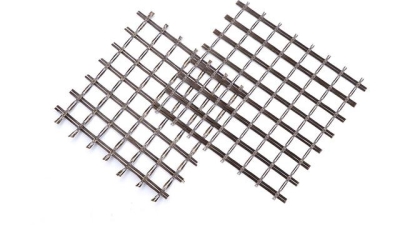
In recent years, the geotechnical engineering field has seen a significant shift towards innovative reinforcement solutions. One such advancement is the use of High Tensile Basalt Fiber Mesh Geogrid, which has emerged as a formidable material for improving structural stability and longevity. This material, crafted from basalt fiber through advanced weaving and coating techniques, offers exceptional durability and strength. Research indicates that basalt fiber geogrids can enhance load-bearing capacity by up to 40%, making them an optimal choice for demanding applications.
Basalt fiber geogrids not only provide reinforcement but also deliver superior isolation and protection to underlying layers in various infrastructure projects. According to the Geosynthetic Research Institute, the implementation of basalt-based materials can reduce maintenance costs by approximately 30%, a substantial saving considering the lifecycle of geotechnical structures. This material is particularly advantageous in scenarios involving challenging terrain, where its resistance to environmental degradation ensures continued performance, outlasting traditional reinforcement options.
Moreover, the sustainable nature of basalt fiber, derived from volcanic rock, categorizes it as an eco-friendly alternative in the industry. Its production involves lower energy consumption compared to synthetic fibers, making it a preferred choice for environmentally-conscious projects. As the demand for sustainable construction practices grows, the adoption of basalt fiber geogrids is expected to rise, reflecting a commitment to innovation and environmental stewardship in geotechnical practices.
FAQS
: Basalt fiber offers superior tensile strength, high resistance to chemical degradation, and excellent temperature stability, making it an appealing choice for demanding applications in construction, aerospace, and automotive industries.
China Beihai Fiberglass Co., Ltd. is a prominent leader in the basalt fiber landscape, focusing on innovation and the production of high-performance basalt continuous fiber.
Quality control is crucial as it directly influences the mechanical properties of basalt fiber, ensuring strength, durability, and consistency by adhering to strict quality standards throughout the manufacturing process.
Collaborating with trusted suppliers for high-quality raw basalt is pivotal to maintaining the manufacturing integrity and ensuring that each batch of basalt fiber meets predetermined mechanical standards.
The global basalt fiber market is expected to reach approximately $1.8 billion by 2026, with an anticipated annual growth rate of 12.3% for basalt fiber composites over the next five years.
Basalt fiber is ideal for various applications, particularly in construction, automotive, and aerospace sectors due to its superior mechanical properties and environmental benefits.
Ongoing investments in research and development aim to enhance basalt fiber production technologies, driving innovation and the potential for basalt fiber to replace traditional materials.
Basalt fiber has a low environmental impact due to its natural origins, making it a sustainable alternative to traditional fiber materials.
Businesses should stay informed about the latest technological advancements and market trends and consider collaborating with research institutions to explore customized applications leveraging basalt fiber's unique properties.
Tenacity strength, modulus of elasticity, and resistance to environmental factors are critical mechanical properties that must meet strict standards throughout the basalt fiber production process.