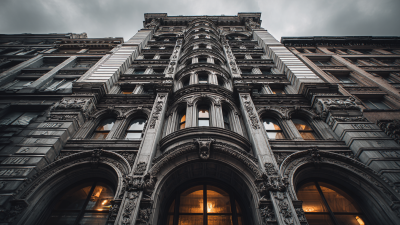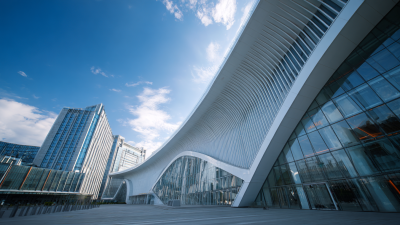
You know, in today's fast-changing world of architecture, Architectural Facades really play a bigger role than most people realize. They're not just the outer shells of buildings—no, they actually give a lot of character and even influence how energy-efficient a space is. With folks all around the world on the lookout for bold, innovative designs, designers have plenty of options to choose from. Big names like Zaha Hadid Architects and SOM are really pushing the boundaries and setting trends with their unique styles.
Right now, the buzz is all about using sustainable materials and incorporating smart tech into facades. You see more adaptive designs that can respond to the environment—like, they change depending on weather or sunlight. Sounds exciting, right? But at the same time, it raises questions about how long these features will last and how much maintenance they’ll need. Striking the perfect balance between looking good and working well isn’t always simple.
For buyers everywhere, it’s not just about how a facade looks—it’s also about its environmental impact and what it means for future building projects. Picking the right materials can be tricky, and it’s a lot to consider. Overall, this journey of blending new innovations with trusty old methods makes building design pretty fascinating—definitely not straightforward, but definitely worth exploring.
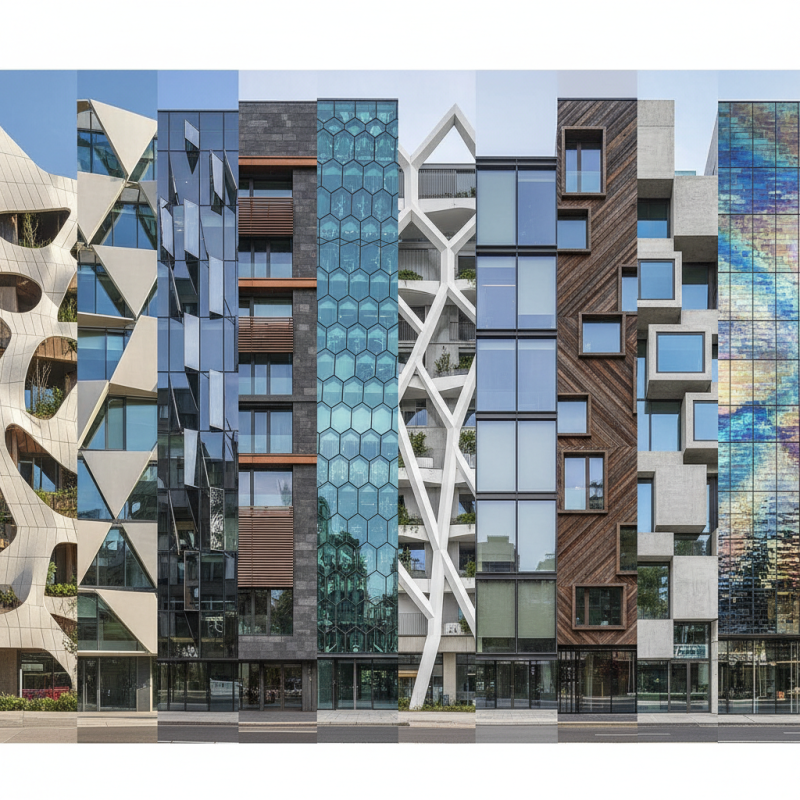
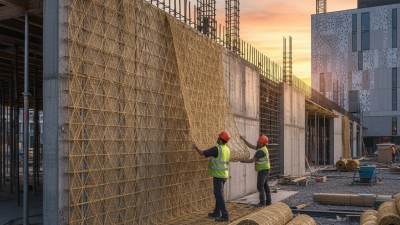
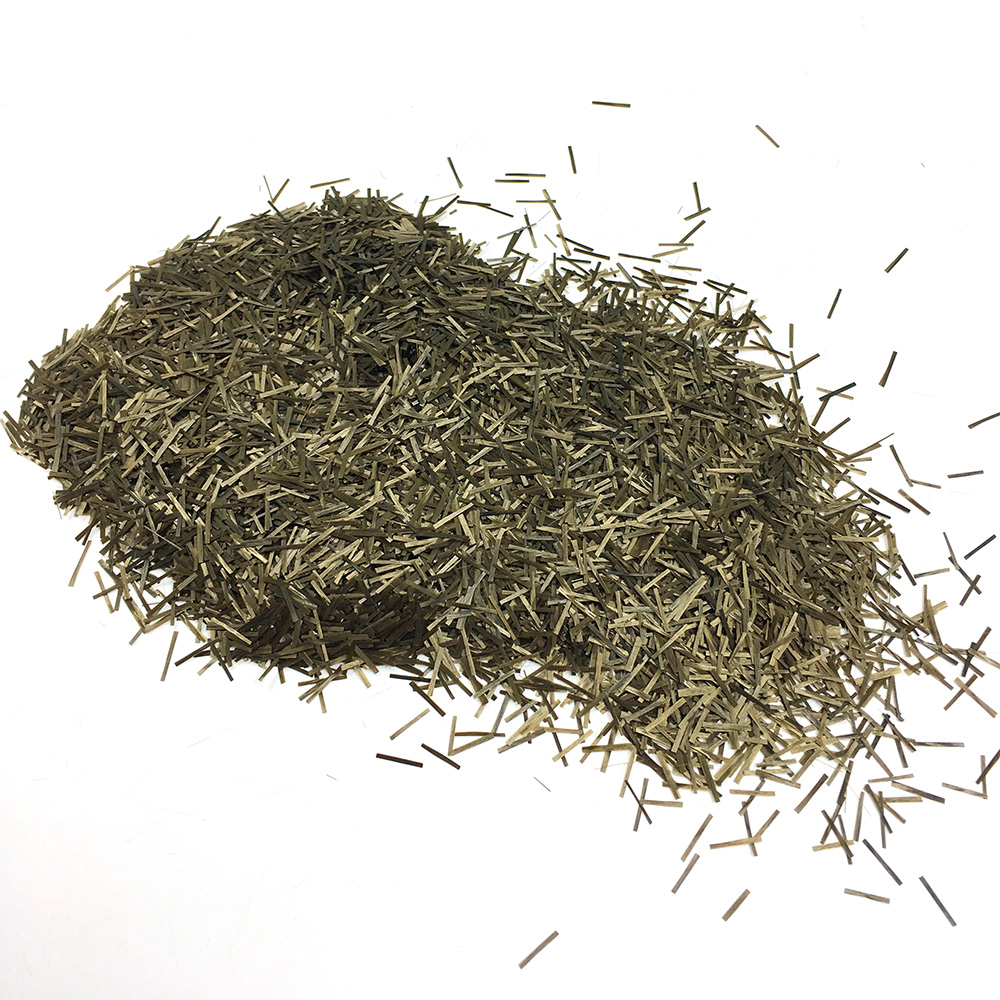
The realm of architectural facades is undergoing a significant transformation. Emerging materials are shaping the design approach for modern buildings. One notable trend is the use of Lightweight composites. These materials can reduce energy consumption and enhance insulation. Architects appreciate their versatility in creating unique visual identities. It’s an exciting time for innovation.
Another material gaining attention is transparent polymer. This option allows natural light to flood interiors while maintaining aesthetic appeal. The balance of light and structure creates inviting spaces. However, it requires careful consideration of durability and weather resistance. The design process can be complex, and some will face challenges in implementation.
Sustainable materials like recycled metal also play a key role. They offer durability and a reduced carbon footprint. Their use in Architectural Applications encourages environmentally conscious designs. Nonetheless, achieving the right balance between aesthetics and function can be tricky. As these materials evolve, architects must continually adapt their approaches. The journey is full of learning opportunities.
Sustainable design practices in modern facade Construction have gained increasing attention among architects and builders. According to a report by the World Green Building Council, buildings contribute to around 39% of carbon emissions globally. This highlights the urgent need for sustainable solutions in facade design.
One trend is the use of energy-efficient materials. These materials reduce overall energy consumption. For instance, insulated panels are prevalent in contemporary designs. They help maintain indoor temperatures and lower heating costs. In 2022, research indicated that buildings with robust insulation cut energy use by up to 30%. This figure underscores the significance of material choices in reducing carbon footprints.
Another noteworthy approach is incorporating green walls into facades. These walls improve air quality and provide aesthetic value. A study found that vertical gardens can reduce urban heat islands and regulate building temperature. However, maintaining these green facades can be challenging. Regular upkeep is necessary to ensure their effectiveness. As the industry evolves, facing these challenges will be crucial to fulfill sustainability goals.
The use of glass in architectural facades is evolving rapidly. Recent reports indicate that glass usage in construction is projected to grow by over 25% from 2023 to 2030. Architects are experimenting with various types of glass, enhancing both functionality and aesthetics. Innovations like low-emissivity (low-E) glass improve energy efficiency while maintaining transparency. This is vital as sustainable design becomes more critical in urban planning.
One trend gaining traction is the use of glass frit, which adds texture and visual interest. By incorporating patterns or colors, architects create unique appearances while ensuring privacy and controlling light. However, the balance between aesthetics and energy performance remains a challenge. Some designs compromise insulation for a striking visual impact. This calls for reflection and innovation to ensure designs meet both aesthetic and environmental goals.
Another noteworthy trend is the rise of insulating glass units (IGUs). These units enhance thermal performance, making buildings significantly more energy-efficient. Reports highlight that buildings utilizing IGUs can reduce energy costs by 30% or more. Yet, installation complexities and potential condensation issues require careful consideration. Striving for innovation requires awareness of both technical limitations and evolving consumer needs in modern design.
Color and texture are powerful tools in architecture. They shape the identity of buildings and influence our emotions. In the latest trends, bold palettes are gaining popularity. Vibrant hues can attract attention and create a lively atmosphere. Deep blues and rich greens evoke tranquility. Meanwhile, warm earth tones ground buildings in their surroundings.
Texture plays a crucial role, too. Smooth surfaces create a contemporary feel, while rough textures evoke a sense of tradition. Natural materials, like wood and stone, are in demand. They provide warmth and connection to nature. However, balancing texture with durability is a challenge. Some textures may weather poorly, losing their appeal over time.
Innovative techniques are being explored. Textured coatings can enhance durability while maintaining aesthetics. The choice of color and texture is subjective, often reflecting the architect's vision and client preferences. Yet, it’s essential to consider how these choices impact the environment and community. Are we creating spaces that resonate or simply buildings that fade into the background?
| Trend | Description | Color Palette | Texture Type | Popularity Rating (1-10) |
|---|---|---|---|---|
| Sustainable Materials | Emphasizing eco-friendly and recycled materials for building exteriors. | Earth Tones | Natural Grain | 9 |
| Bold Colors | Using bright and vibrant colors which stand out in urban environments. | Bright Red, Blue, and Yellow | Smooth Finish | 8 |
| Textural Contrast | Combining different textures to create visual interest. | Neutrals with Accents | Rough and Smooth | 7 |
| Geometric Patterns | Incorporating geometric shapes in façade designs to enhance aesthetics. | Monochrome | Matte and Glossy | 8 |
| Biophilic Design | Integrating natural elements to create a connection with nature. | Green and Brown | Organic Texture | 9 |
| Smart Facades | Incorporating technology for enhanced performance and energy efficiency. | Technical Gray | High-tech Finish | 10 |
| Minimalist Designs | Focusing on simplicity and clean lines in façade designs. | White and Gray | Sleek and Polished | 8 |
| Metallic Finishes | Using metal materials to create modern and Durable exteriors. | Copper, Silver | Reflective Surface | 7 |
| Adaptive Reuse | Transforming old structures into modern, functional spaces. | Rustic Colors | Revived Textures | 8 |
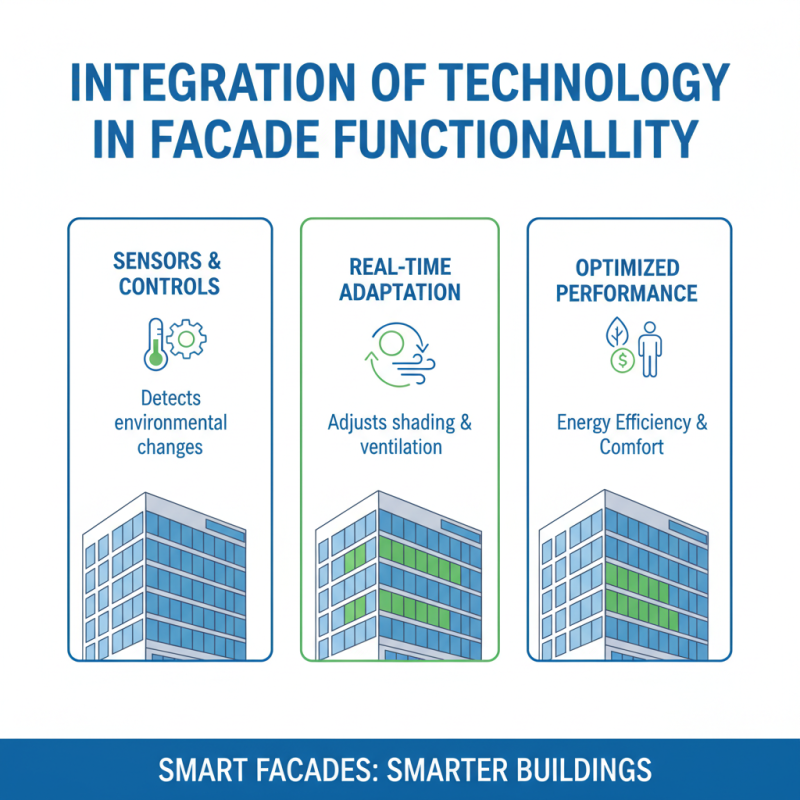
The integration of technology in architectural facades is transforming how buildings interact with their environments. Smart facades now utilize sensors and controls to optimize energy efficiency. These systems respond to changing weather conditions, adjusting elements such as shading and ventilation in real-time. This leads to significant savings on energy costs while enhancing occupant comfort.
Tips: Consider passive strategies too. Use natural ventilation alongside smart systems for better air quality and reduced energy consumption. Explore designs that incorporate overhangs or reflective materials.
The trend also focuses on aesthetic appeal. Facades can include dynamic elements that change appearance based on light and climate. While visually striking, this complexity could require careful planning. Technology needs to align with the building's overall design and purpose.
Tips: Collaborate with specialists early in the design phase. It’s essential to align architectural vision with technological capabilities. Invest in training for staff to manage new systems effectively.
Cultural influences play a crucial role in shaping architectural facades across the globe. Every region has its own unique heritage that significantly shapes its building aesthetics. Traditional designs are often intertwined with modern elements, creating a captivating blend that reflects local customs. For instance, the use of intricate carvings or mosaic tiles can evoke memories of historical narratives.
In urban areas, facades are more than just surfaces. They symbolize a community's identity. Bright colors or bold patterns can stir emotions and bring people together. Yet, this pursuit of innovation sometimes overlooks cultural sensitivity. Architects face the challenge of respecting local traditions while pushing contemporary boundaries. A facade that stands out may also generate debates about authenticity.
As global buyers assess facade trends, the intertwining of culture and design remains paramount. The push for sustainability adds another layer to this discussion. Eco-friendly materials are gaining traction, but they should not erase the essence of local character. Balancing modernity with tradition is a delicate dance. It invites everyone to reflect on what a facade truly represents.
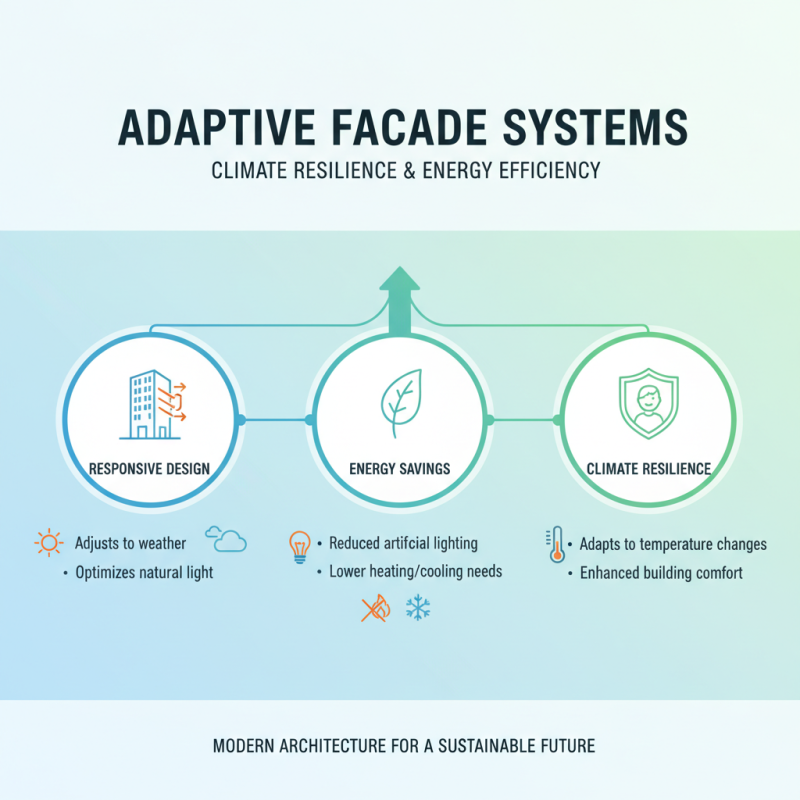
Adaptive facade systems are becoming essential in modern architecture. These structures not only enhance aesthetic appeal but also promote climate resilience. Buildings are increasingly designed to respond to changing weather conditions. For instance, some facades can adjust their angles to optimize natural light and heat gain. This reduces reliance on artificial lighting and heating.
Energy efficiency is another significant benefit of adaptive facades. They can incorporate materials that reflect heat in the summer and retain warmth in the winter. These innovations lead to lower energy consumption. However, creating functional designs can be challenging. It's crucial to balance aesthetics with practicality. Not all adaptive systems perform as expected in various climates, raising concerns about their long-term effectiveness.
Moreover, the integration of smart technology into facades poses its own set of questions. While these systems can offer real-time data for optimization, their maintenance can be complex. There's a need for knowledgeable professionals who can manage these intricate designs. Building these systems is not just about technology; it requires a layered understanding of environmental impact. Adopting adaptive facade systems demands continuous evaluation and reflection on their actual performance in real-world scenarios.
: Emerging materials include lightweight composites and transparent polymers, transforming modern building designs significantly.
They reduce energy consumption and enhance insulation while allowing creative visual identities in architecture.
They let natural light into interiors. However, durability and weather resistance must be considered.
Sustainable materials, like recycled metal, reduce carbon footprints and promote environmentally friendly designs.
Adaptive facade systems adjust to weather changes, optimizing light and heat for energy efficiency.
Balancing aesthetics and functionality is complex. Not all systems perform well in different climates.
It provides real-time data for optimization, but maintenance requires skilled professionals.
Continuous evaluation of the performance and effectiveness of these designs in real-world scenarios is essential.
Yes, complexities can lead to unexpected challenges. Balancing innovation with practical use is necessary.
They utilize materials that reduce reliance on heating and lighting, leading to lower overall energy consumption.
The article "Top 10 Architectural Facades Trends for Global Buyers" highlights the evolving landscape of architectural facades, focusing on innovative materials and sustainable design practices. Emerging materials are revolutionizing facade design, enabling enhanced aesthetics while promoting sustainability. The integration of cutting-edge technologies improves facade functionality, making buildings more energy-efficient and resilient to climate change.
Additionally, the article explores the influence of color and texture trends on building exteriors, as well as the cultural factors shaping facade styles across different regions. Adaptive facade systems are emphasized for their role in enhancing energy efficiency and meeting environmental challenges. Overall, these trends reflect a comprehensive approach to architectural facades that prioritizes both beauty and performance in modern construction.