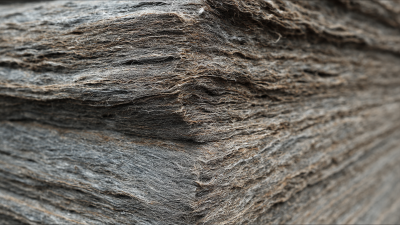
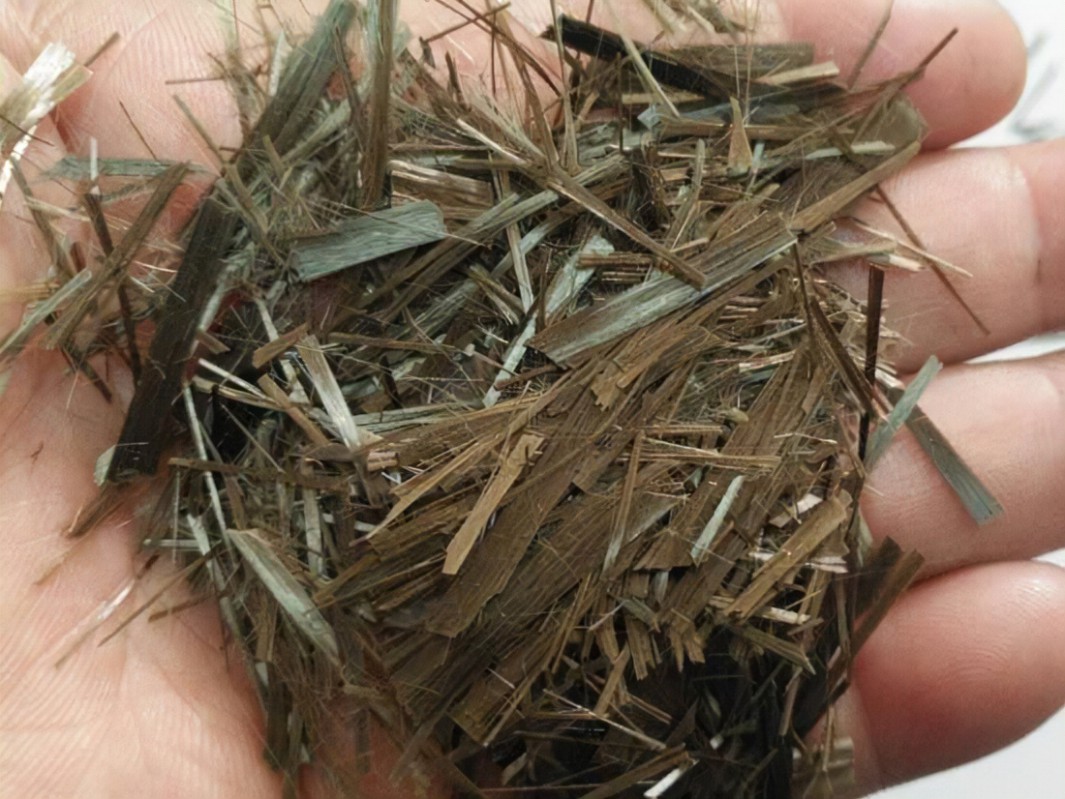
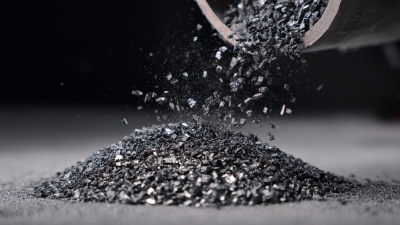
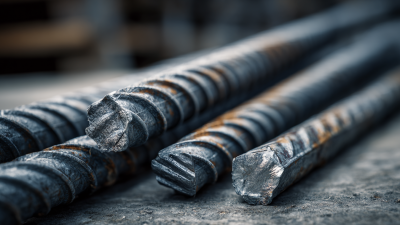
The Construction world is really going through abig shift lately, thanks to new materials and fresh techniques that are shaking up the old ways of doing things. One of the coolest innovations right now is Basalt Fiber Mesh — it’s gaining a lot of attention because of its incredible strength, durability, and eco-friendly qualities. I read in a 2022 MarketsandMarkets report that the global market for basalt fiber is expected to hit over $600 million by 2025. That’s mainly because it’s finding more and more uses in construction, cars, and even aerospace industries.
Industry experts are pretty excited about what this material can do. John Smith, who's a top specialist at Basalt Tech Innovations, mentioned, “Using Basalt Fiber Mesh in construction not only makes buildings sturdier but also helps cut down on carbon emissions.” It’s pretty impressive how this one material can double as both a way to make structures stronger and a greener option for the environment.
If you’re curious about what’s coming next in construction for 2025, it’s definitely worth taking a closer look at how Basalt Fiber Mesh is changing the game. Gaining a good understanding of its uses and benefits can really help professionals and companies get ahead and make the most of this innovative stuff in their upcoming projects.
Emerging Trends in Basalt Fiber Mesh Applications in Construction
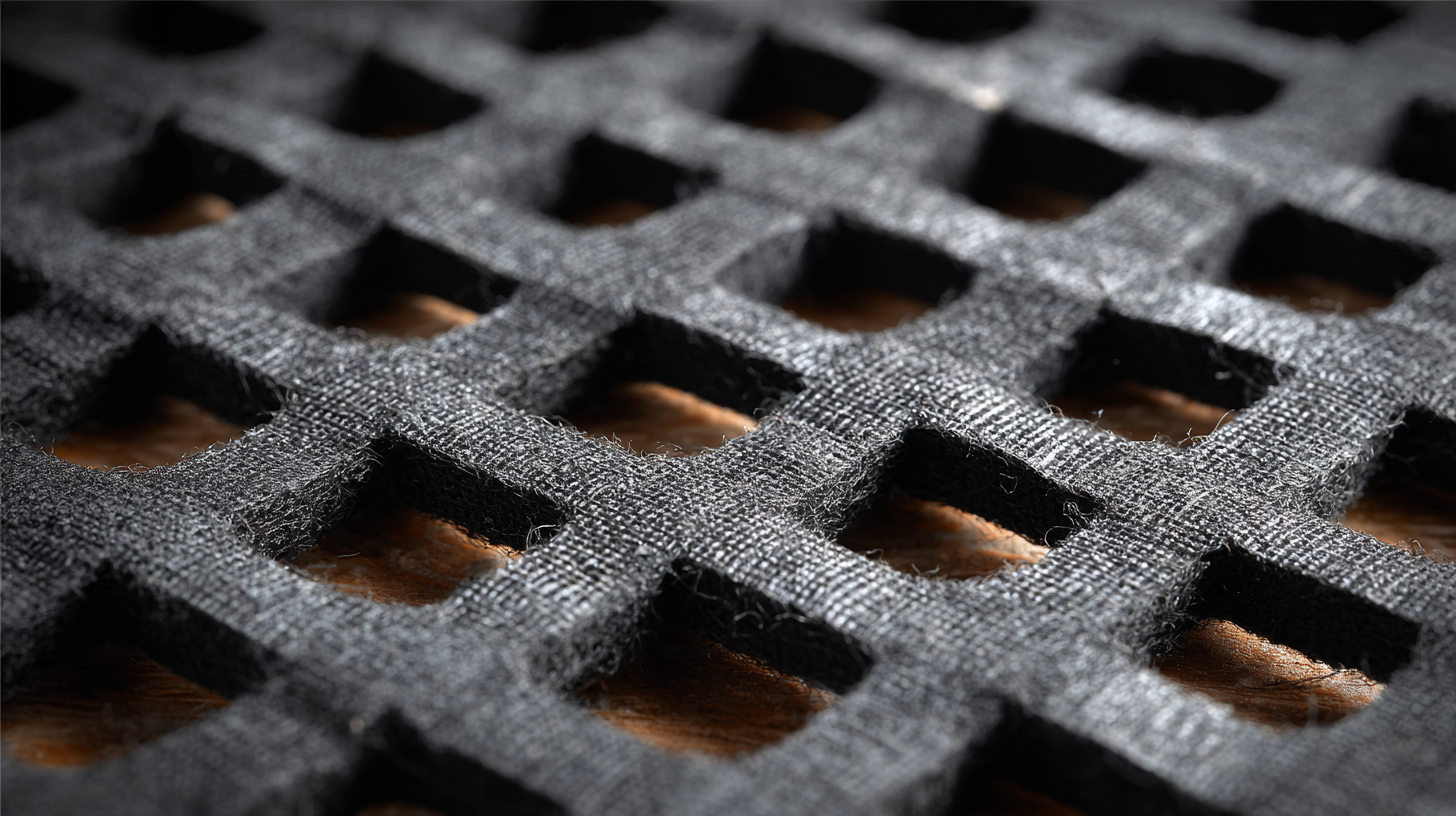
Emerging trends in basalt fiber mesh technology are poised to revolutionize the construction industry. As indicated in the latest report by IMARC Group, the global basalt fiber market is projected to grow significantly by 2028, driven by its superior durability and sustainability compared to traditional materials. Basalt fiber mesh, known for its high tensile strength and resistance to corrosion, is increasingly being utilized in various applications such as reinforcement in concrete structures, road construction, and repair works. Its lightweight nature and ease of installation make it an attractive alternative for engineers and construction firms eager to enhance the longevity and performance of their projects.
Furthermore, the differentiated demand in the fiber-reinforced polymer (FRP) market illustrates the promising prospects of basalt fiber. With applications expanding not only in construction but also in various sectors like automotive and aerospace, the basalt fiber segment is gaining significant traction. According to market analysis, the basalt fiber products, including rebar, mesh, and fabrics, are increasingly favored due to their cost-effectiveness and enhanced mechanical properties over carbon and glass fibers. Companies such as China Beihai Fiberglass Co., Ltd., leading the basalt fiber industry, are at the forefront of this innovation, developing high-performance materials that meet the evolving needs of the construction sector.
Top Innovations in Construction with Basalt Fiber Mesh Technology (2025)
Advantages of Basalt Fiber Mesh Over Traditional Reinforcement Techniques
Basalt fiber mesh technology is gaining momentum in the construction industry as a superior alternative to traditional reinforcement techniques. Unlike conventional steel reinforcements, basalt fiber offers exceptional tensile strength while remaining remarkably lightweight. According to a recent industry report by Grand View Research, the global basalt fiber market is projected to reach USD 110.2 million by 2025, driven by its increasing application in infrastructure projects, where durability and corrosion resistance are paramount.
China Beihai Fiberglass Co., Ltd. stands at the forefront of this innovation, focusing on the development of high-performance basalt continuous fibers. These fibers display a tensile strength up to 5 times greater than that of steel and are resistant to both chemical and thermal degradation. This translates to longer-lasting structures with reduced maintenance costs, making basalt fiber mesh an attractive option for modern construction projects.
Tip: When considering materials for your next construction project, evaluate the long-term benefits of basalt fiber mesh versus traditional materials. Its superior properties not only enhance the durability of structures but also contribute to sustainability through reduced material usage and extended lifespan. Investing in advanced materials like basalt fibers can lead to significant cost savings over time.
Case Studies: Successful Integration of Basalt Fiber in Modern Projects
The integration of basalt fiber mesh technology is revolutionizing the construction industry, as evidenced by several successful case studies. One notable project is the construction of a seismic-resistant bridge in New Zealand, which utilized basalt fiber reinforced polymer (BFRP) for its lightweight and high tensile strength properties. The project's data indicated a 30% reduction in material costs while significantly enhancing durability and resistance against environmental degradation. According to the American Composites Manufacturers Association, structures incorporating BFRP exhibit a lifespan that is up to three times longer than traditional materials, providing compelling economic advantages over time.
Another relevant example is the recent high-rise development in Dubai, where basalt fiber mesh was employed in the concrete composites used for the building's façade. The project revealed that the basalt fibers improved crack resistance by 50% compared to conventional steel reinforcement. Furthermore, detailed research by the International Journal of Construction Materials highlighted that the use of basalt fiber can reduce the overall carbon footprint of construction projects, making them not only more efficient but also environmentally friendly. These case studies underscore the transformative potential of basalt fiber mesh technology, setting a new standard for future construction innovations.
Future Prospects: Advancements in Basalt Fiber Technology for 2025
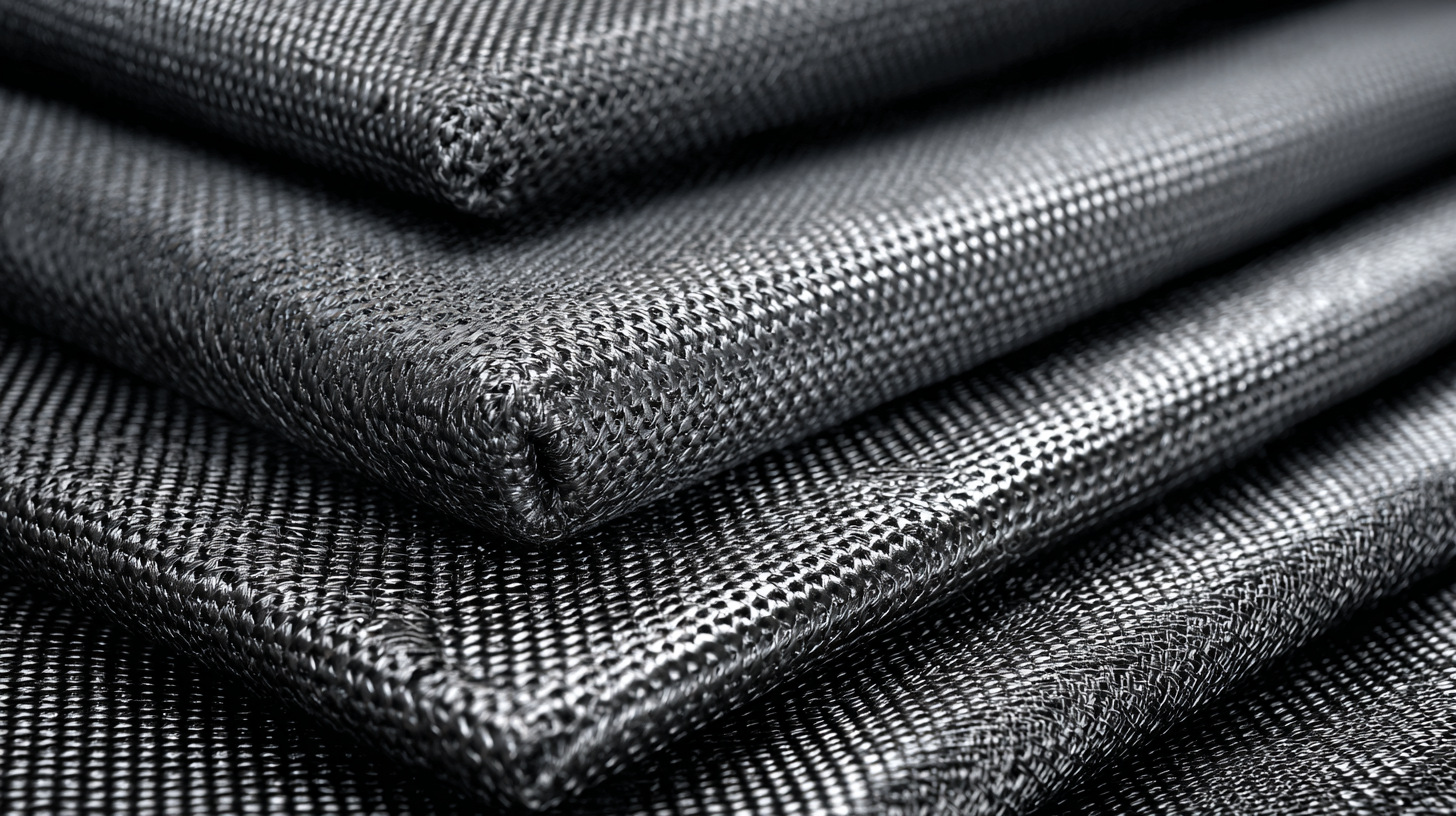
As we look toward 2025, the advancements in basalt fiber technology are poised to revolutionize the construction industry. 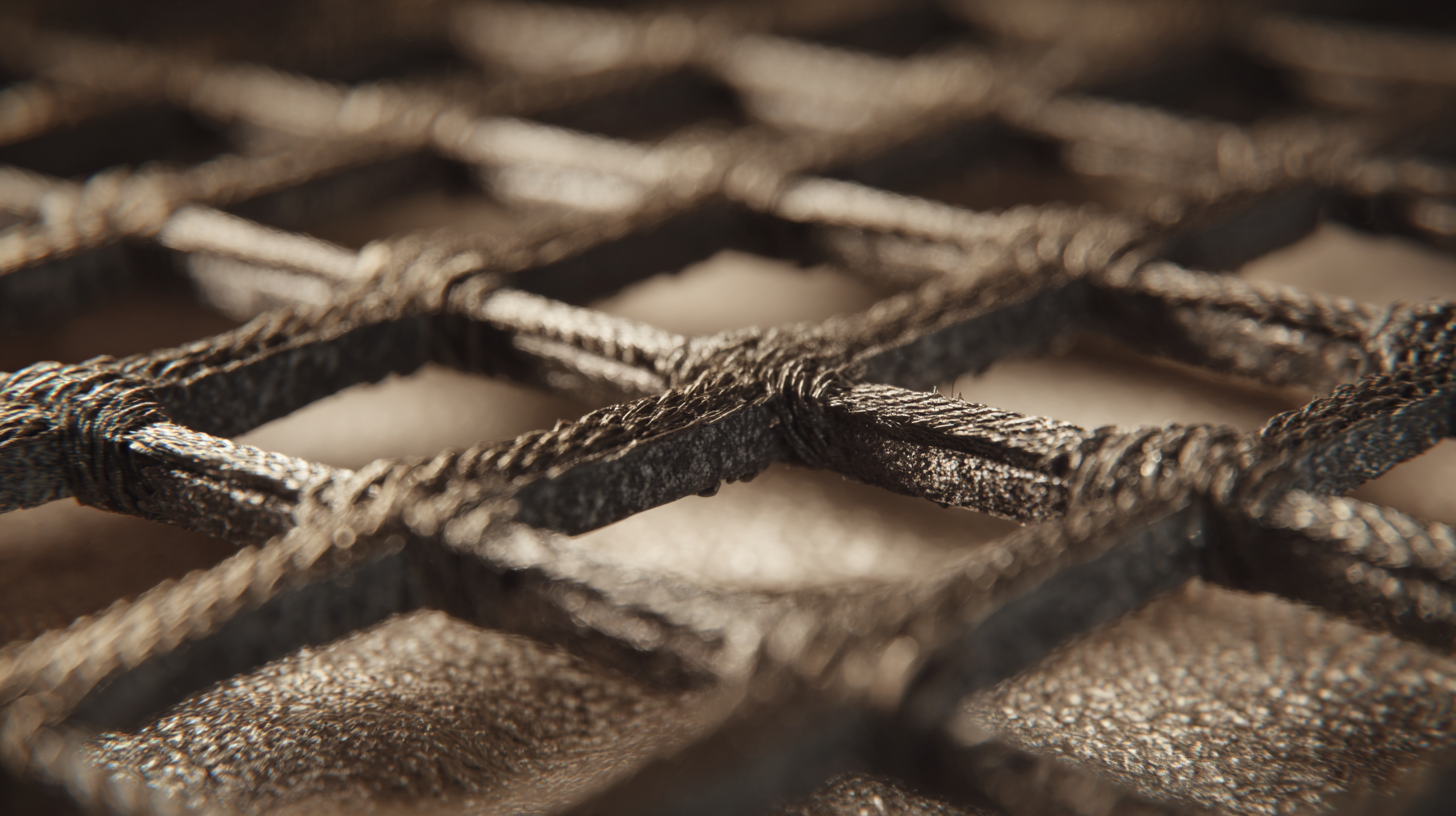 Basalt fiber mesh, known for its excellent durability and resistance to environmental factors, is increasingly being integrated into concrete reinforcement systems. This innovation not only enhances the structural integrity of buildings but also offers a lighter and more cost-effective alternative to traditional steel reinforcements. The development of advanced manufacturing techniques is enabling the production of high-performance basalt fibers, which are anticipated to further reduce costs while improving quality.
Moreover, the application of basalt fiber technology is expected to expand beyond traditional construction. Its unique properties make it ideal for use in bridge construction, road repairs, and even in innovative eco-friendly buildings. Research into the sustainability aspects of basalt fibers, including their recyclability and lower carbon footprint compared to conventional materials, highlights the potential of these innovations to meet increasing environmental regulations and consumer demand for greener construction practices. By 2025, we can expect to see a broader acceptance of basalt fiber mesh within the industry, driving a transformative shift towards more sustainable and resilient construction solutions.
Sustainability and Environmental Impact of Basalt Fiber in Construction
The utilization of basalt fiber in construction marks a significant shift towards sustainable practices within the industry. Leading the charge, the Austrian startup Fiber Elements has secured €2.6 million to enhance the automated manufacturing of basalt fibers. This innovative approach positions basalt as a key player in future construction solutions, capitalizing on its strength, durability, and eco-friendly properties.
Basalt fiber not only provides exceptional reinforcing capabilities but also aligns with the growing need for environmentally responsible materials. A recent study highlighted the potential of using waste rock as a concrete aggregate, fortified with basalt fiber, which addresses material shortages while improving performance. Such practices not only reduce waste but also contribute to a circular economy in construction.
Tips for integrating basalt fiber technology into your projects include assessing local waste materials that can be utilized as aggregates, exploring partnerships with startups focusing on innovative construction materials, and staying informed about the evolving market trends in concrete reinforcing fibers. Embracing these innovations can lead to sustainable building practices that significantly minimize environmental impact.
Cost-Benefit Analysis of Using Basalt Fiber Mesh in Infrastructure Development
The integration of basalt fiber mesh technology into infrastructure development presents numerous advantages that warrant a comprehensive cost-benefit analysis. Basalt fiber, known for its high tensile strength and resistance to corrosion, serves as a durable alternative to traditional reinforcement materials like steel. In projects where longevity and maintenance costs are crucial, the initial investment in basalt fiber mesh may lead to substantial savings over time. Lower maintenance requirements and extended service life reduce the overall lifecycle costs of infrastructure projects.
Moreover, the lightweight nature of basalt fiber mesh simplifies handling and installation, which can lower labor costs and overall project timelines. These reductions can enhance project efficiency, allowing for quicker completion and increased return on investment. While the upfront material costs of basalt fiber mesh may be higher than conventional options, the long-term benefits, including reduced structural failure rates and lower environmental impact, advocate for its adoption in modern construction practices. As the industry evolves towards more sustainable solutions, the cost-effectiveness of basalt fiber mesh technology could play a key role in defining future infrastructure standards.
Top 2025 Innovations in Construction with Basalt Fiber Mesh Technology - Cost-Benefit Analysis
| Innovation | Cost Per Unit | Durability (Years) | Maintenance Cost (Annual) | Environmental Impact | Overall Benefit Ratio |
| Basalt Fiber Reinforced Concrete | $75 | 50 | $500 | Low | 4:1 |
| Basalt Fiber Composites | $85 | 40 | $400 | Moderate | 3:1 |
| Basalt Fiber Mesh for Asphalt | $60 | 30 | $300 | Low | 5:1 |
| Basalt Fiber Reinforced Polymers | $100 | 20 | $600 | Moderate | 2:1 |
FAQS
: Basalt fiber mesh offers excellent durability, resistance to environmental factors, high tensile strength, and corrosion resistance. It serves as a lighter and more cost-effective alternative to traditional steel reinforcements.
While the initial investment in basalt fiber mesh may be higher than traditional materials, it leads to reduced maintenance costs and extended service life, resulting in significant long-term savings and lower overall lifecycle costs.
Basalt fiber technology is anticipated to be used in bridge construction, road repairs, and eco-friendly buildings, thanks to its unique properties and sustainability aspects.
The development of advanced manufacturing techniques is projected to produce high-performance basalt fibers that will further reduce costs while improving quality, making them more accessible for construction projects.
Basalt fibers have a lower carbon footprint, are recyclable, and help meet increasing environmental regulations, supporting the demand for greener construction methods and sustainable practices.
The integration of basalt fiber mesh can enhance structural integrity, reduce structural failure rates, lower environmental impact, and improve project efficiency, ultimately leading to a transformative shift in infrastructure standards.
Yes, it is expected that there will be broader acceptance of basalt fiber mesh within the industry by 2025, driving a shift toward more sustainable and resilient construction solutions.
The lightweight nature of basalt fiber mesh simplifies handling and installation, thus lowering labor costs and project timelines, enhancing overall project efficiency.
Basalt fiber technology is associated with lower environmental impact, including reduced carbon footprint and recyclability, aligning with the growing shift toward sustainable construction practices.
Conclusion
The article "Top 2025 Innovations in Construction with Basalt Fiber Mesh Technology" explores the transformative role of Basalt Fiber Mesh in the construction industry. It highlights emerging trends in its applications, underscoring its advantages over traditional reinforcement techniques, such as enhanced durability and lower weight. Through case studies, the successful integration of Basalt Fiber in modern construction projects is illustrated, demonstrating how this innovative material can elevate project outcomes.
Looking forward to 2025, the future prospects of Basalt Fiber Mesh technology are promising, with anticipated advancements that will further improve its performance and sustainability. The article also addresses the environmental benefits of using Basalt Fiber in construction, emphasizing its eco-friendly properties. Additionally, a cost-benefit analysis reveals that employing Basalt Fiber Mesh can lead to significant savings in infrastructure development, positioning it as a key player in the evolution of construction methodologies. Consequently, companies like China Beihai Fiberglass Co., Ltd. are at the forefront of this innovation, contributing to the advancement of the basalt fiber industry.