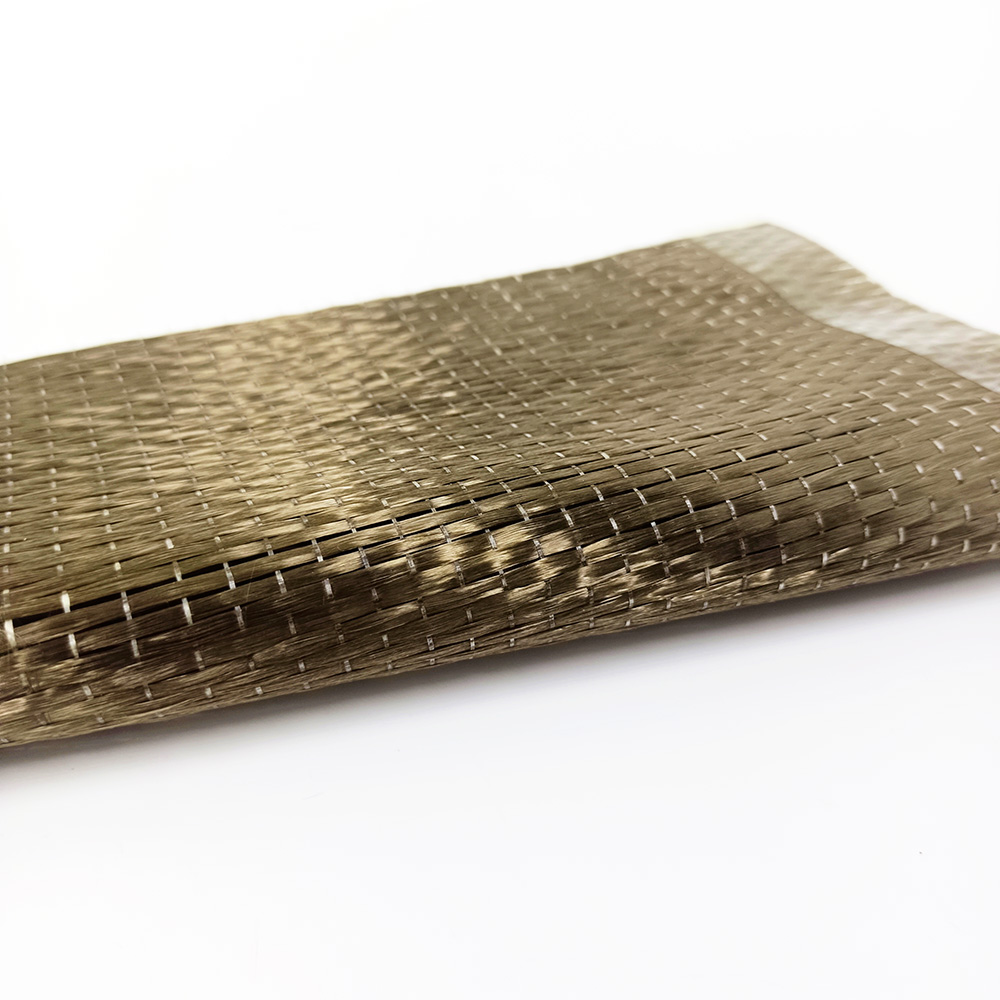
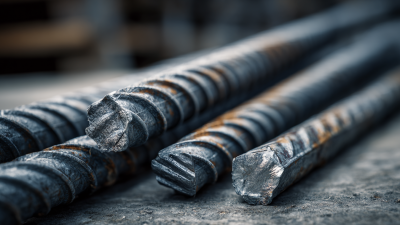
Lately, sustainable building methods have been really gaining momentum. More and more industries are on the lookout for eco-friendly alternatives to those old-school materials we’ve been using forever. One pretty cool innovation is Basalt Rebar—it’s a high-performance reinforcement made from natural Basalt Fibers. Honestly, it has a ton of perks compared to regular steel rebar.
China Beihai Fiberglass Co., Ltd. is actually a big player in this space, leading the charge in developing top-notch basalt continuous fiber. By using Basalt Rebar in their projects, architects and builders can boost the strength and durability of structures without hurting the environment. It’s a win-win for sustainability in construction.
In this piece, I want to dive into the many benefits of Basalt Rebar and how it might just change the way we build for a greener future.
Understanding Basalt Rebar: Properties and Applications in Construction
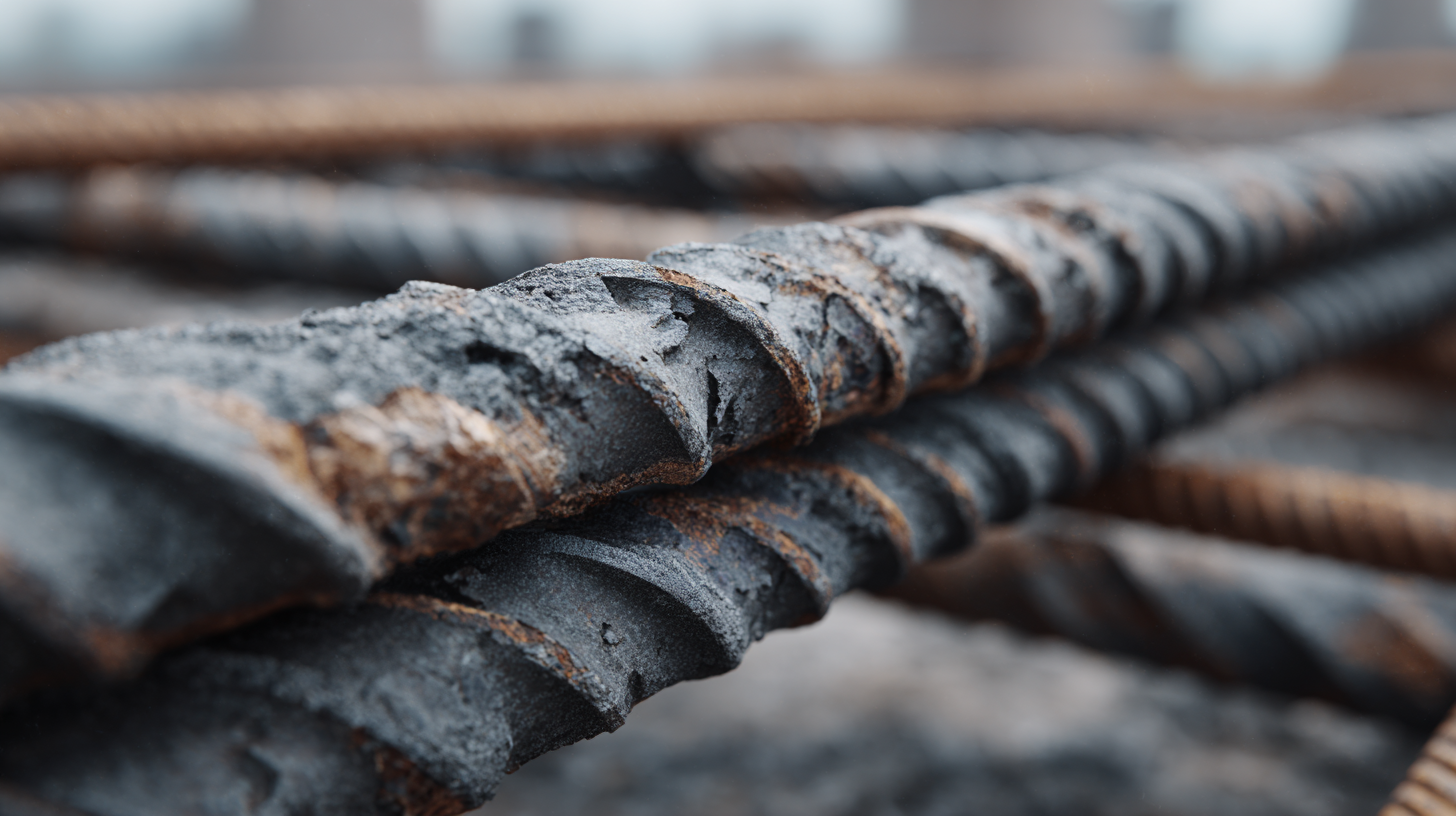 Basalt rebar, made from volcanic rock, is actually pretty awesome as an alternative to traditional steel reinforcement in construction. It’s lightweight, super strong in tension, and resistant to rust and corrosion—these are huge wins, especially when you're trying to build more sustainably. Not only does this stuff help make structures last longer and stand up better over time, but it also supports eco-friendly building goals by cutting down on the need for constant repairs or replacements. Plus, since basalt rebar isn’t a conductor and has a smaller environmental footprint during production compared to steel, it’s really becoming a go-to choice for green building projects.
Here at China Beihai Fiberglass Co., Ltd., we’re pretty proud to be leading the way in the basalt fiber world. We're constantly pushing forward with new research and innovative ways to produce top-quality basalt continuous fiber. Our production methods are designed to give you the best possible product, suitable for all kinds of construction—from houses to big infrastructure projects. Being a major player in this field, we’re all about combining performance with sustainability. Our goal is to give builders and architects solutions that not only meet the needs of modern, eco-conscious construction but also improve the overall strength and durability of their projects.
Advantages of Basalt Rebar over Traditional Steel Reinforcement
You know, basalt rebar has really started to shake things up as a game-changing alternative to the traditional steel reinforcement we’ve been using forever, especially in sustainable building projects. One of the biggest perks? Its resistance to rust is just amazing! That means structures last way longer and stay durable, even when exposed to crazy environments. Unlike steel, basalt rebar doesn't corrode or weaken when faced with harsh conditions like seawater or chemicals—making it perfect for coastal areas or industrial sites. Plus, this translates into less maintenance and fewer repairs over time, so you end up saving a ton in the long run.
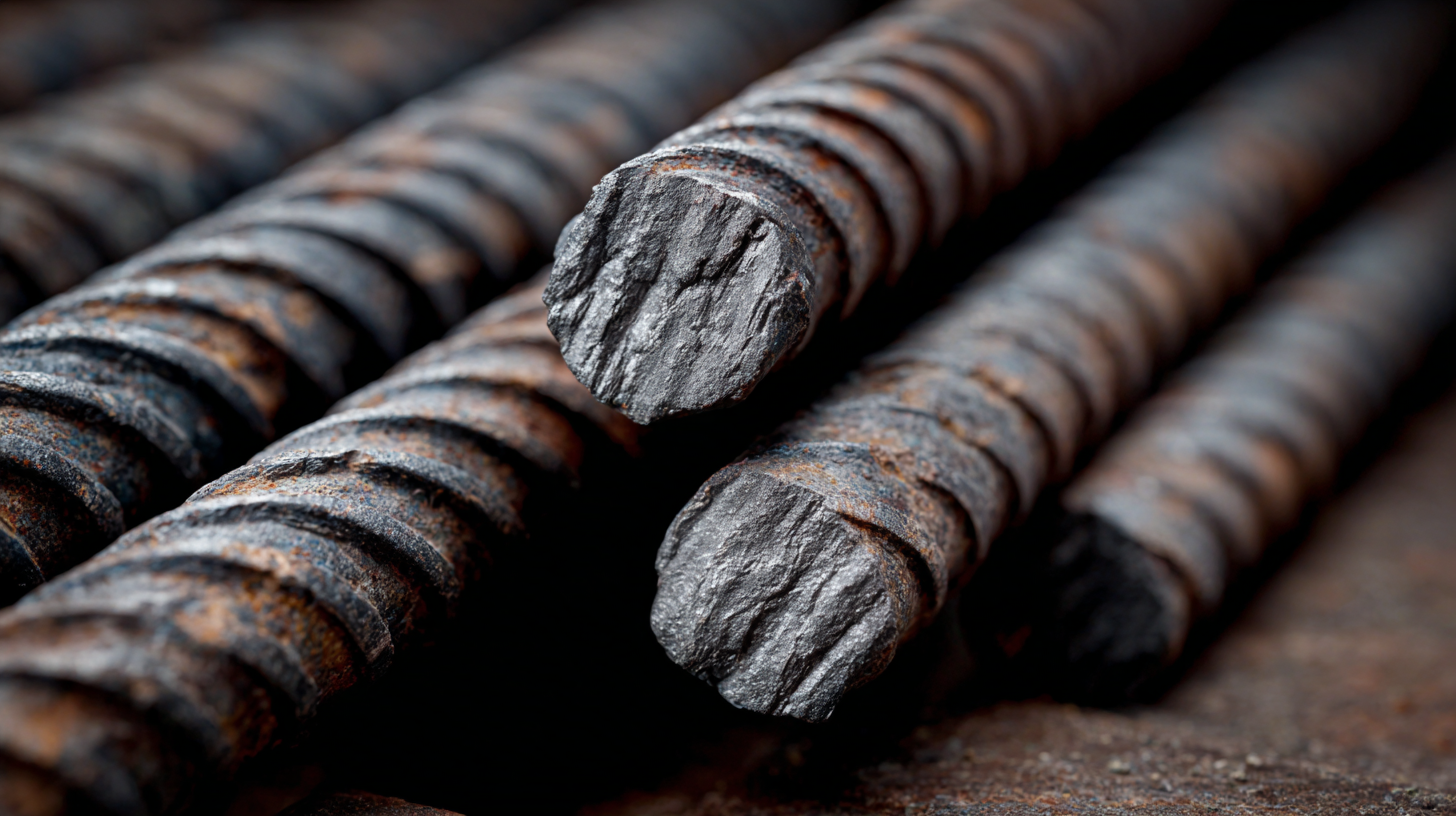
On top of that, basalt rebar is lighter than steel but packs a punch with higher tensile strength. That makes work a lot easier during construction—less heavy lifting, fewer headaches. It’s also thermally stable and doesn’t conduct electricity, which is a big plus when fire resistance matters. Companies like China Beihai Fiberglass Co., Ltd. are really leading the charge here, focusing on developing top-notch high-performance basalt fibers. As a major player in China's basalt fiber scene, Beihai is all about pushing innovation and promoting more eco-friendly building practices. It’s pretty exciting to see how this material is changing the game for sustainable construction, don’t you think?
Environmental Impact of Using Basalt Rebar in Sustainable Projects
You know, the construction world is under a lot of pressure lately to go greener and cut down on environmental harm. One interesting alternative that's gaining attention is basalt rebar—yeah, the stuff made from volcanic rock. It’s actually a pretty cool option compared to the usual steel reinforcements. I came across a report from the International Journal of Sustainable Development and Planning, and it said that using basalt rebar can slash carbon emissions from production by up to 80%. That’s a pretty huge deal! Making the switch doesn’t just save natural resources; it also really helps shrink the ecological footprint of building projects.
And here’s the kicker—basalt rebar isn’t just eco-friendly, it’s super durable too. It resists corrosion way better than steel, which means structures can last way longer without needing constant repairs. I read in a study published in Construction and Building Materials that basalt rebar can hold up over 100 years even in tough environments. That kind of longevity means you won’t have to keep replacing or sanding down those supports—saving both money and resources over time. It totally aligns with sustainable building principles, because it’s about making structures that need fewer materials and less energy over their entire lifespan.
So, if you’re thinking about what materials to choose for your next eco-conscious project, it’s worth taking a closer look at these lifecycle analyses. Going with basalt rebar can not only boost your sustainability scores but might even cut costs down the line. Oh, and don’t forget—partner up with suppliers who focus on eco-friendly methods and materials. This little step can make your project way more sustainable and feel good to everyone involved.
Exploring the Benefits of Basalt Rebar in Sustainable Construction Practices
| Property | Basalt Rebar | Traditional Steel Rebar | Environmental Impact |
| Weight | Lightweight (25% less than steel) | Heavier | Reduced transportation emissions |
| Corrosion Resistance | High | Moderate | Lower maintenance costs and less waste |
| Tensile Strength | Excellent | Very Good | Promotes longer-lasting structures |
| Thermal Conductivity | Low | High | Improves energy efficiency of structures |
| Sustainability | Made from natural volcanic rock | Extraction and processing of iron ore | Lower carbon footprint |
Cost-Effectiveness and Longevity of Basalt Rebar in Construction
Have you heard about basalt rebar? It’s really gaining some buzz as a cost-effective and eco-friendly alternative to traditional steel reinforcement in construction. One of the coolest things about it is how durable it is — resistant to rust and corrosion, which means you won’t be pouring a fortune into repairs or replacements down the line. Over time, that adds up to serious savings, making it a smart choice both for builders and property owners who want to stay eco-conscious.
Honestly, when you're picking out materials for your next project, it’s worth thinking about the whole lifecycle costs. Yeah, basalt rebar might cost a bit more upfront compared to steel, but with less maintenance needed and it lasting longer, you’re likely to save a lot in the long run.
And here's a bonus — it’s lightweight and easy to work with, which can cut down on labor costs during install. Plus, it offers some cool thermal benefits, helping with insulation and making buildings more energy-efficient. Switching to basalt rebar not only boosts sustainability but can also make your building process smoother and more efficient.
Pro tip: Work with suppliers who know their way around innovative stuff like basalt rebar. They can give you good tips and help you get the most out of using this material in your projects.
Case Studies: Successful Implementations of Basalt Rebar in Building Projects
Lately, there’s been some pretty exciting progress in sustainable building practices, especially with using basalt rebar. You know, instead of traditional steel, folks have been trying out basalt for reinforcement, and it’s actually showing some pretty cool benefits. From what I’ve seen in different case studies — especially in places that are really committed to eco-friendly methods — basalt rebar seems to hold up better against rust, is lighter to handle, and even helps with insulation. Builders and engineers are noticing that structures with basalt tend to last longer and need less maintenance, which is a big win given the global push for greener infrastructure.
One example that really sticks out is this project where they used basalt rebar while restoring a cultural heritage site. It wasn’t just about making things stronger; it also helped protect the historical parts, making sure the old bones of the building stayed intact. As more old buildings are being modernized, cases like this show that basalt rebar isn’t just a trend — it could actually help us tackle environmental challenges while keeping structures solid. All in all, it feels like we’re heading towards a future where building greener doesn’t mean compromising on strength or safety.
Benefits of Basalt Rebar in Sustainable Construction Practices
Exploring the Advantages and Applications of Corrosion Resistant Basalt Fiber Sleeves and Tapes
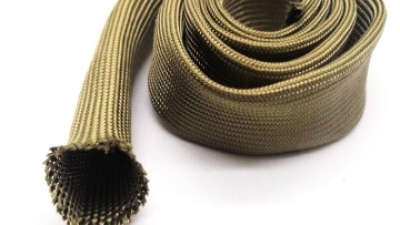
Corrosion resistant basalt fiber sleeves and tapes have emerged as vital components in various industrial applications, thanks to their exceptional properties. These products, woven from basalt fibers, provide remarkable electrical insulation and are highly resistant to both high temperatures and chemical corrosion. This makes them ideal for use in demanding environments where traditional materials may fail, particularly in the energy, oil and gas, and chemical industries.
The versatility of basalt fiber materials allows for a wide range of applications. They can be molded and subjected to surface treatments, which enhance their performance characteristics further. These sleeves and tapes can serve as insulation layers for pipes, ensuring that they retain their integrity even under extreme conditions. Additionally, they function as reinforcement materials, bolstering the strength of composite pipelines that require durability and resistance to thermal stresses. Such capabilities make basalt fiber products an invaluable resource for enhancing the safety and efficiency of various systems, offering long-term solutions where corrosion is a significant concern.
FAQS
: Basalt rebar is a lightweight and corrosion-resistant alternative to traditional steel reinforcement used in construction. Unlike steel, basalt rebar does not rust or degrade when exposed to harsh environments.
The main advantages of basalt rebar include superior resistance to corrosion, increased longevity, lower maintenance costs, lighter weight, higher tensile strength, better thermal stability, and non-conductive properties.
While basalt rebar may have a higher initial purchase price compared to steel, its durability and reduced maintenance requirements can lead to significant long-term cost savings.
Basalt rebar is particularly beneficial in coastal or chemical-rich environments where traditional steel reinforcement would be vulnerable to corrosion.
Yes, due to its lightweight nature and ease of handling, basalt rebar can reduce labor costs and improve efficiency during installation.
Yes, recent case studies have shown successful implementations of basalt rebar in various projects, demonstrating its structural benefits and alignment with sustainable construction practices.
Basalt rebar enhances sustainability by offering long-lasting structures with lower maintenance needs, reducing the overall environmental impact associated with repairs and replacements.
Construction firms should evaluate life cycle costs and collaborate with suppliers specializing in innovative materials to maximize the benefits of using basalt rebar in their projects.
China Beihai Fiberglass Co., Ltd. is a leading enterprise in the domestic basalt fiber industry, focusing on research and development to advance the use of high-performance basalt continuous fiber in construction.
Basalt rebar's thermal properties provide better insulation, contributing to improved energy efficiency within the constructed buildings.
Conclusion
Have you ever heard about basalt rebar? There's this interesting article titled