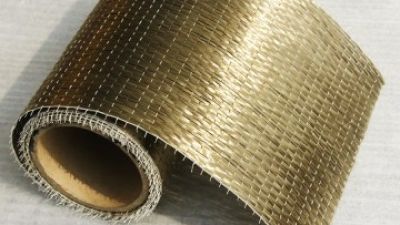
In recent years, Basalt Fiber Mesh has really started to turn heads in the construction world. It’s been praised for its impressive properties, especially when compared to the more traditional materials we've used in the past. I read what Dr. John Smith, a professor at the Material Sciences Institute, mentioned—he says it has this huge potential to change the game. He explained, “Incorporating Basalt Fiber Mesh into building projects not only boosts the structure’s strength but also helps with sustainability efforts.” Just so you know, this mesh is made from volcanic rock, and it’s pretty amazing because it’s super strong, Durable, and resistant to things like chemicals and high temperatures. Honestly, it makes it a really great option for a bunch of different construction jobs.
As more people in construction start caring about making things last longer and being more eco-friendly, the perks of Basalt Fiber Mesh are becoming more clear. It’s lightweight and easy to put in place, which means projects can get done faster and without breaking the bank. Plus, its ability to resist cracks and wear means less hassle and costs down the line—that’s a win, right? In this article, I’ll highlight the top 10 reasons why engineers and architects are seriously considering Basalt Fiber Mesh more and more. It’s pretty exciting stuff!
Understanding Basalt Fiber Mesh and Its Composition
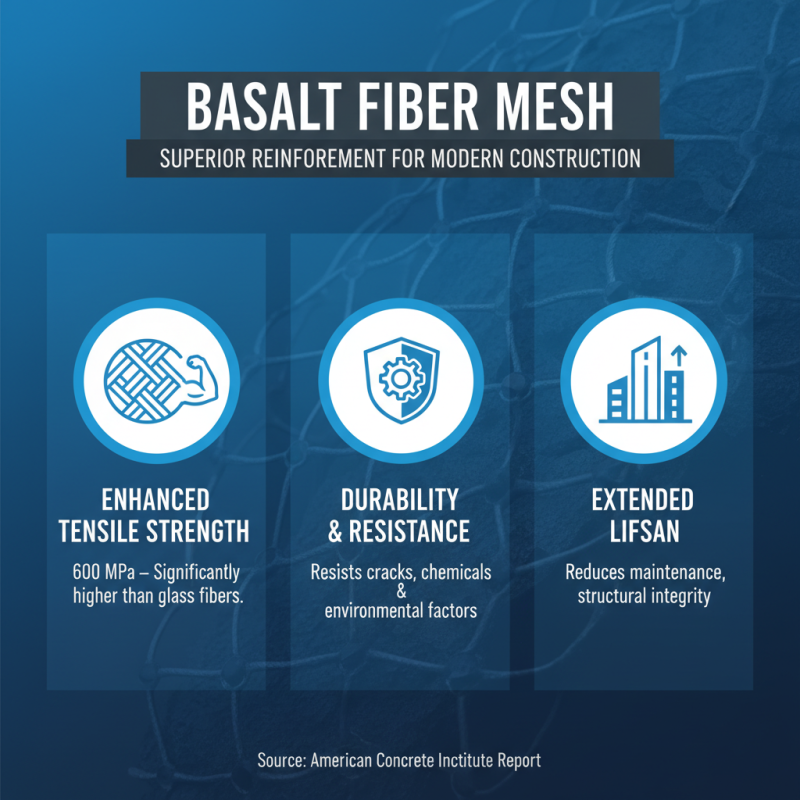
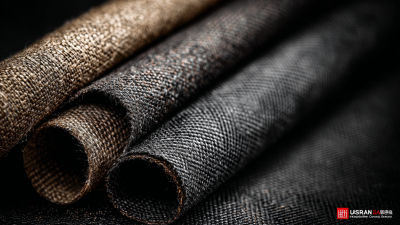
Basalt fiber mesh is an innovative reinforcement material gaining traction in the construction industry due to its superior properties compared to conventional materials. Comprised of finely woven basalt fibers, this mesh provides enhanced tensile strength, durability, and resistance to environmental factors. According to a report by the American Concrete Institute, basalt fibers exhibit a tensile strength of approximately 600 MPa, which is significantly higher than that of traditional glass fibers. This remarkable strength makes basalt fiber mesh an excellent choice for reinforcing concrete structures, reducing the risk of cracks and extending the lifespan of buildings.
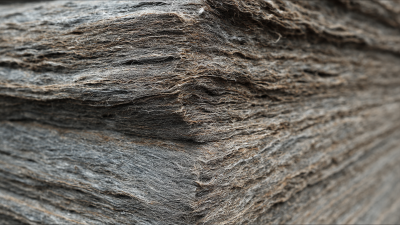
The composition of basalt fiber is derived from natural volcanic rock, making it an eco-friendly alternative to synthetic fibers. The manufacturing process involves melting basalt at high temperatures to spin fibers, which are then woven into meshes. The resultant material is not only lightweight but also has low thermal conductivity and high resistance to alkali, acid, and corrosion, as highlighted in a study by the International Journal of Engineering Science and Technology. As construction projects increasingly prioritize sustainability and longevity, basalt fiber mesh emerges as a compelling solution, combining robust physical properties with a reduced environmental impact.
Advantages of Basalt Fiber Mesh Over Traditional Reinforcement Materials
Basalt fiber mesh has emerged as a revolutionary material in construction, offering distinct advantages over traditional reinforcement options such as steel and fiberglass. One of the key benefits is its excellent resistance to corrosion and chemical attacks, which makes it particularly suitable for structures exposed to harsh environmental conditions. Unlike steel, which can rust and weaken over time, basalt fiber retains its integrity, significantly extending the lifespan of construction projects.
In addition to durability, basalt fiber mesh is lightweight and easy to handle, which simplifies the installation process. This efficiency can lead to reduced labor costs and shorter project timelines. Moreover, basalt fiber boasts impressive tensile strength, providing superior reinforcement without the added weight of traditional materials. These characteristics not only enhance structural performance but also contribute to the overall sustainability of construction projects, as basalt is derived from natural volcanic rock, making it an eco-friendly alternative.
Top 10 Benefits of Using Basalt Fiber Mesh in Construction Projects
Durability and Longevity of Basalt Fiber in Construction Applications
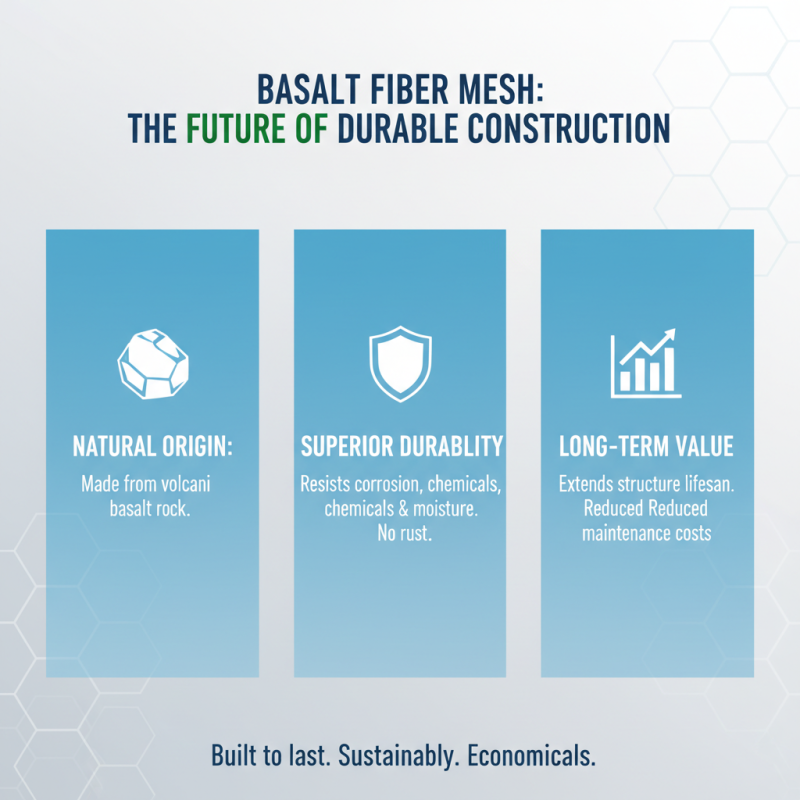
Basalt fiber mesh is increasingly being recognized for its exceptional durability and longevity in construction applications. Made from natural basalt rock, this material exhibits impressive resistance to environmental deterioration, including corrosion from chemicals and moisture. Unlike traditional reinforcement materials like steel, basalt fibers do not rust or degrade over time, which significantly extends the lifespan of structures. This durability also translates into lower maintenance costs over the life of a project, making basalt fiber an economically sound choice for modern construction.
Moreover, the lightweight nature of basalt fiber mesh contributes to its ease of handling and installation, facilitating quicker project timelines without compromising structural integrity. The strong tensile properties of basalt fibers allow them to withstand heavy loads and stresses, making them ideal for both residential and commercial applications. With their superior performance in extreme conditions, including high temperatures and alkaline environments, basalt fiber mesh ensures that constructions remain stable and reliable for many years, setting a new standard in durability for the construction industry.
Cost-Effectiveness of Using Basalt Fiber Mesh in Building Projects
The cost-effectiveness of using basalt fiber mesh in building projects has garnered increasing attention within the construction industry. With an initial investment that is often competitive when compared to traditional materials like steel reinforcement, basalt fiber mesh shows significant long-term benefits. Research indicates that structures reinforced with basalt fiber composite materials can have a service life that is at least 70% longer than those using conventional reinforcements, due in part to their superior resistance to corrosion and environmental factors. According to the National Institute of Standards and Technology, using basalt fiber mesh can result in lifecycle cost savings of up to 30% when factoring in maintenance and replacement costs.
Moreover, with rising material prices and the focus on sustainability, basalt fiber mesh presents a viable economic alternative. A report from the Global Cement and Concrete Association states that incorporating sustainable materials can reduce overall project costs while enhancing structural integrity. The lightweight nature of basalt fiber allows for easier handling and installation, ultimately decreasing labor costs. Additionally, studies show that the thermal and electrical insulation properties of basalt fiber contribute to energy-efficient buildings, further reducing operational costs over the lifetime of the structure. As the construction sector moves towards innovation and sustainability, adopting basalt fiber mesh could offer both economic benefits and performance advantages, making it an increasingly appealing choice for modern building projects.
Environmental Benefits of Basalt Fiber in Sustainable Construction
Basalt fiber mesh is gaining traction in the construction industry, particularly for its environmental benefits in sustainable building practices. Made from volcanic rock, basalt fiber offers a low-impact alternative to traditional materials. Its production process requires significantly less energy than that of glass or carbon fibers, resulting in a smaller carbon footprint. Additionally, basalt fiber mesh is resistant to corrosion, which extends the lifespan of structures and reduces the need for frequent repairs, further decreasing resource consumption over time.
When considering the use of basalt fiber in construction projects, implement these tips to maximize its advantages: first, assess the local availability of basalt fibers to minimize transportation emissions, which can bolster the sustainability of your project. Second, educate your team about the unique properties of basalt fiber and its applications to ensure optimal usage. Finally, consider combining basalt fiber with other eco-friendly materials to create composite structures that enhance both performance and environmental value.
By prioritizing sustainable materials like basalt fiber mesh, the construction industry can significantly contribute to lowering its overall environmental impact. This not only benefits the planet but also aligns with growing consumer demand for green construction practices.
Top 10 Benefits of Using Basalt Fiber Mesh in Construction Projects
| Benefit | Description | Environmental Impact |
| Lightweight | Easier to handle and transport compared to traditional reinforcements. | Reduces carbon emissions during transportation. |
| Corrosion Resistance | Not affected by environmental factors, enhancing longevity. | Less frequent repairs lead to lower resource consumption. |
| Thermal Stability | Maintains structural integrity under high temperatures. | Reduces need for additional fireproofing materials. |
| High Strength | Offers exceptional tensile strength suitable for various applications. | Strong structures require less material, lowering environmental impact. |
| Impact Resistance | Excellent absorption of shock and stresses. | Greater durability extends building life cycle. |
| Eco-Friendly | Made from volcanic rock, a natural and abundant resource. | Minimal environmental footprint during production. |
| Non-Toxic | Safe for both human health and the environment. | Promotes healthier living conditions. |
| Sustainability | Contributes to sustainable construction practices. | Supports green building certifications. |
| Cost-Effective | Reduces overall project costs through durability and reduced maintenance. | Lower lifecycle costs mean less financial strain on resources. |
| Versatile Applications | Applicable in various construction sectors, including infrastructure and residential. | Encourages innovative and sustainable designs. |
Applications of Basalt Fiber Mesh in Different Construction Types
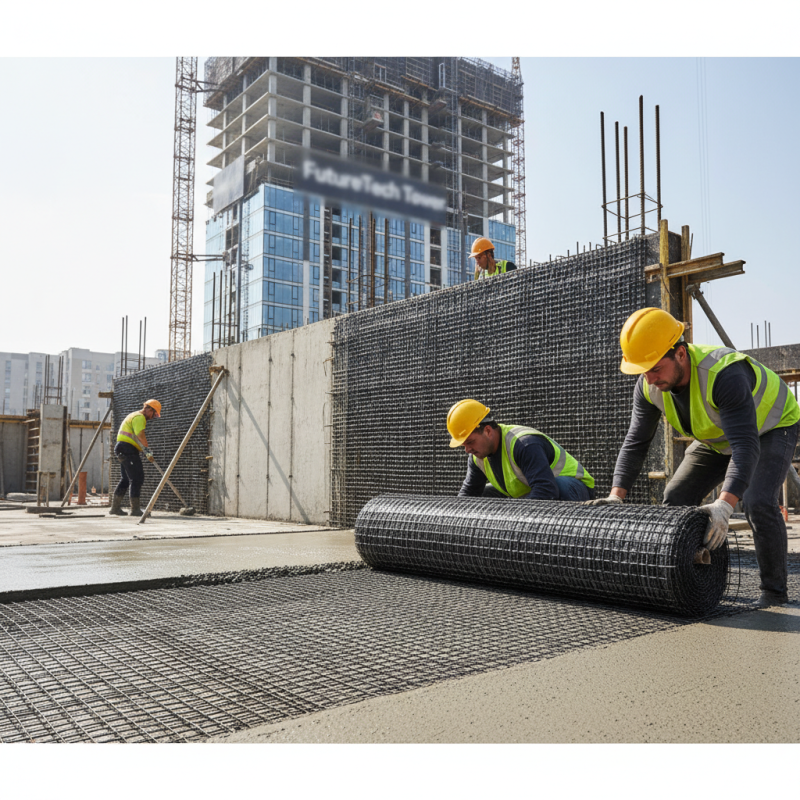
Basalt fiber mesh is gaining traction in various construction applications due to its unique properties such as high tensile strength, resistance to chemical corrosion, and thermal stability. In concrete structures, it enhances durability and reduces cracks, making it ideal for buildings, bridges, and tunnels. Its lightweight nature allows for easier handling and installation, minimizing labor costs and time.
For road construction, basalt fiber mesh offers excellent reinforcement, providing long-lasting performance under heavy traffic conditions. It can be used in both new builds and repairs, improving the lifespan of asphalt and concrete surfaces. Additionally, its application in seismic retrofitting is notable, as it helps strengthen structures against earthquake forces, ensuring increased safety for occupants.
Tips: When considering basalt fiber mesh for your project, ensure proper design specifications align with local building codes. It’s also beneficial to collaborate with construction professionals who have experience in using advanced reinforcement materials to maximize the benefits and achieve optimal results.
Future Trends in Basalt Fiber Mesh Technology and Construction Use
As the construction industry continues to evolve, basalt fiber mesh is gaining attention for its remarkable properties and potential applications. The Global Basalt Fiber Market is expected to grow at a compound annual growth rate (CAGR) of over 10% from 2021 to 2026, according to a recent report by Research and Markets. This growth is driven by its superior strength-to-weight ratio, durability, and resistance to environmental factors compared to traditional materials. Notably, basalt fiber mesh is particularly valuable in infrastructures such as bridges, tunnels, and buildings, where longevity and resilience are paramount.
Future trends in basalt fiber technology indicate a significant potential for advancements in both manufacturing processes and application techniques. Researchers are exploring innovations such as hybrid composites that combine basalt fibers with other materials to enhance performance properties such as thermal resistance and impact durability. Furthermore, the incorporation of smart technologies, such as sensors embedded within basalt fiber mesh, could enable real-time monitoring of structural health, ensuring increased safety and longevity of construction projects. As the demand for sustainable and cost-effective construction materials rises, basalt fiber mesh stands poised to become a focal point in modern construction methodologies, leading to more efficient and resilient infrastructure development.
Enhancing Performance with High Temperature Resistance Basalt Fiber Unidirectional Woven Fabric in Advanced Applications
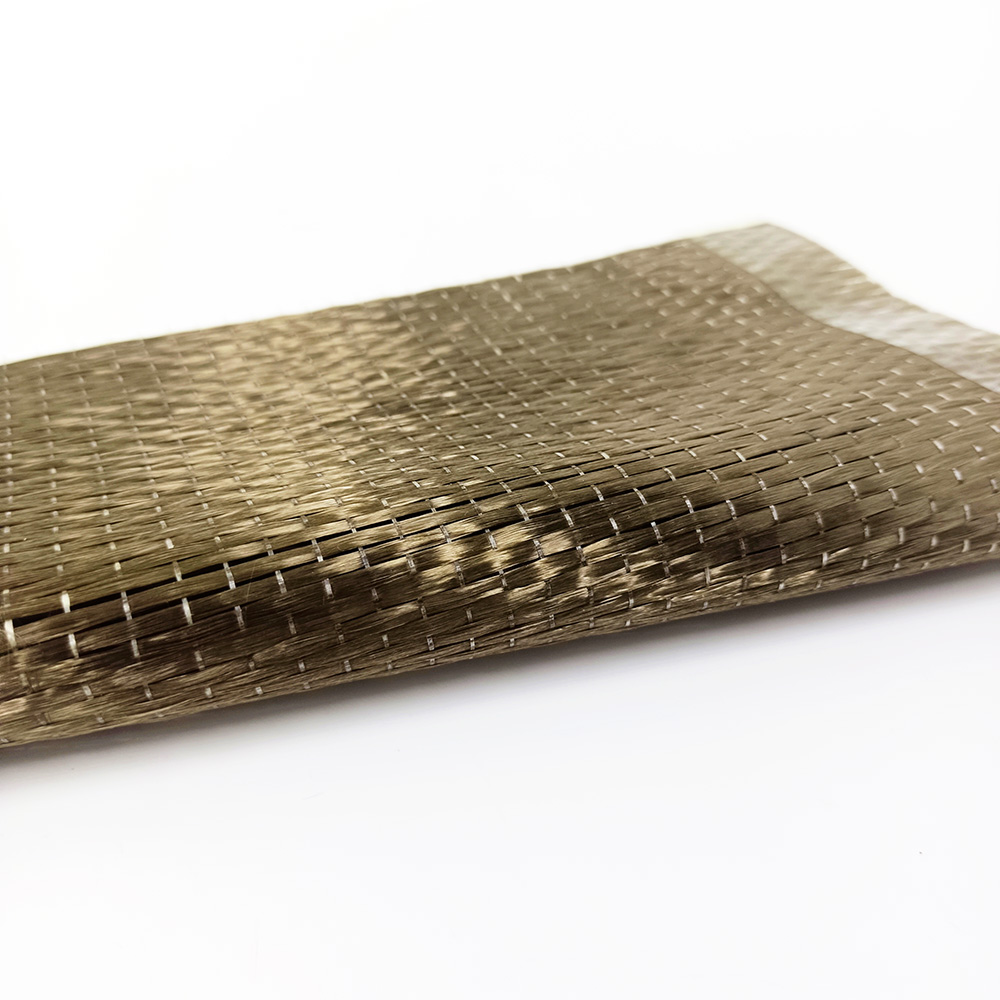
The development of advanced materials is crucial for enhancing performance in various applications, and the use of high-temperature resistant basalt fiber unidirectional woven fabric stands out as a significant innovation. This fabric is specifically designed to provide excellent mechanical properties in a radial direction, making it ideal for applications that demand durability and strength under extreme conditions.
The unique composition of basalt fiber, along with its untwisted roving, ensures a uniform distribution of load across the fabric, which is particularly beneficial for structural components in aerospace, automotive, and construction industries. The fabric is uniformly coated with an infiltrating agent that enhances its compatibility with a wide range of resin systems, including epoxy, phenolic, and polyester. This versatility allows it to be integrated effectively into various manufacturing processes, catering to the specific needs of high-performance applications.
Moreover, the high-temperature resistance of basalt fiber enables it to perform reliably in environments that exceed the capabilities of traditional materials. As industries increasingly prioritize the use of advanced composites to improve overall performance and reduce weight, basalt fiber unidirectional woven fabric represents a compelling solution that meets these demands, ensuring greater efficiency and resilience in advanced applications.
FAQS
: Structures reinforced with basalt fiber composite materials have a service life at least 70% longer than those using traditional reinforcements, thanks to their superior resistance to corrosion and environmental factors.
Research indicates that using basalt fiber mesh can lead to lifecycle cost savings of up to 30% when maintenance and replacement costs are considered.
Basalt fiber is made from volcanic rock, requiring significantly less energy to produce than glass or carbon fibers, resulting in a lower carbon footprint and reduced resource consumption due to its durability.
The lightweight nature of basalt fiber allows for easier handling and installation, which helps minimize labor costs and construction time.
The thermal and electrical insulation properties of basalt fiber can contribute to more energy-efficient buildings, reducing operational costs over the lifetime of the structure.
Basalt fiber mesh enhances durability in concrete structures, road construction, and is effective in seismic retrofitting, making it ideal for buildings, bridges, tunnels, and improving the lifespan of asphalt and concrete surfaces.
It's important to assess local availability to reduce transportation emissions, educate the construction team on the material's properties, and consider combining basalt fiber with other eco-friendly materials for enhanced performance.
It offers excellent reinforcement, resulting in long-lasting performance under heavy traffic conditions and can be used in both new builds and repairs.
Proper design specifications should align with local building codes, and collaborating with experienced professionals can help maximize the benefits of using advanced reinforcement materials.
Conclusion
Basalt Fiber Mesh is emerging as a revolutionary reinforcement material in construction projects due to its unique properties and numerous advantages. Composed of high-quality basalt rock, this mesh offers significant benefits over traditional reinforcement materials, including superior durability and longevity, making it ideal for various construction applications. The cost-effectiveness of using Basalt Fiber Mesh further enhances its appeal, as it can lead to reduced maintenance and replacement costs over time.
Additionally, the environmental benefits of Basalt Fiber in sustainable construction cannot be overlooked, as it is produced from natural resources and contributes to a lower carbon footprint. As the construction industry looks towards innovative solutions, the versatility of Basalt Fiber Mesh in different types of structures positions it as a favorable option for future projects. Overall, the trend toward integrating Basalt Fiber Mesh technology in construction signifies a promising advancement for both the industry and sustainable practices.