





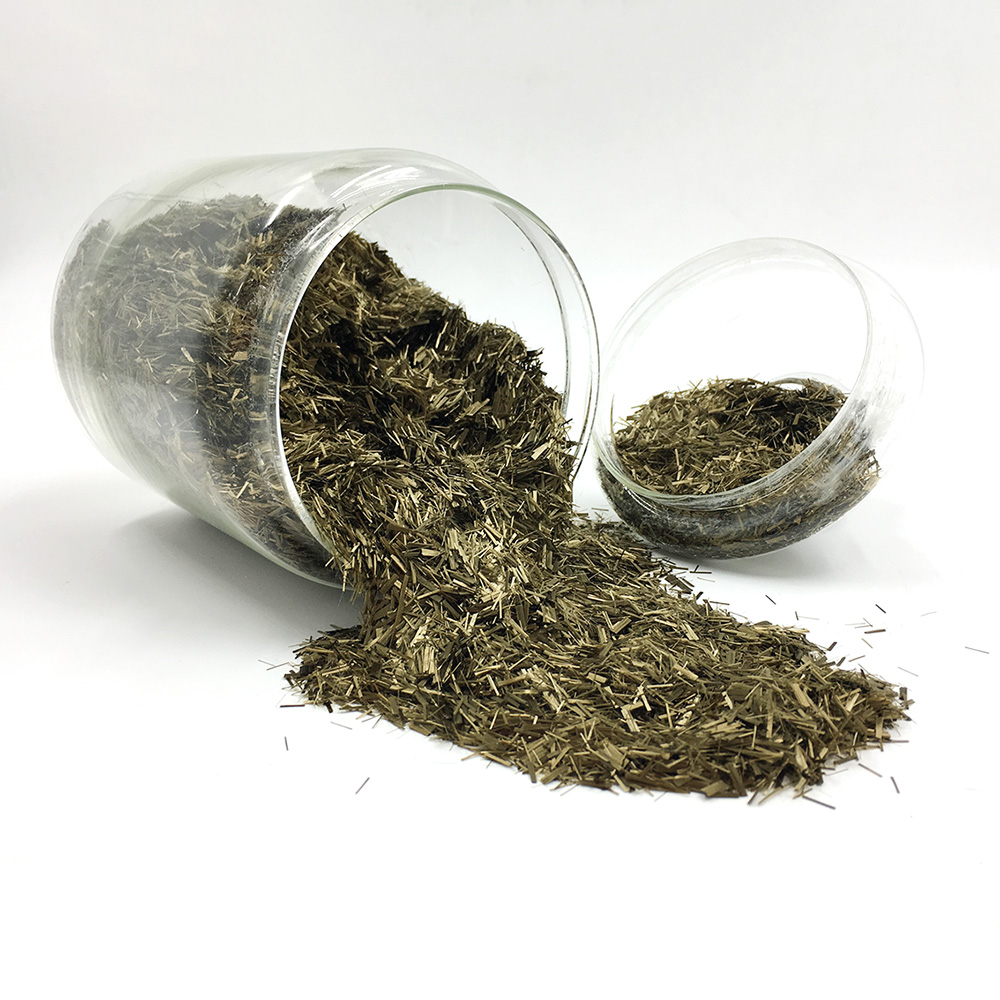
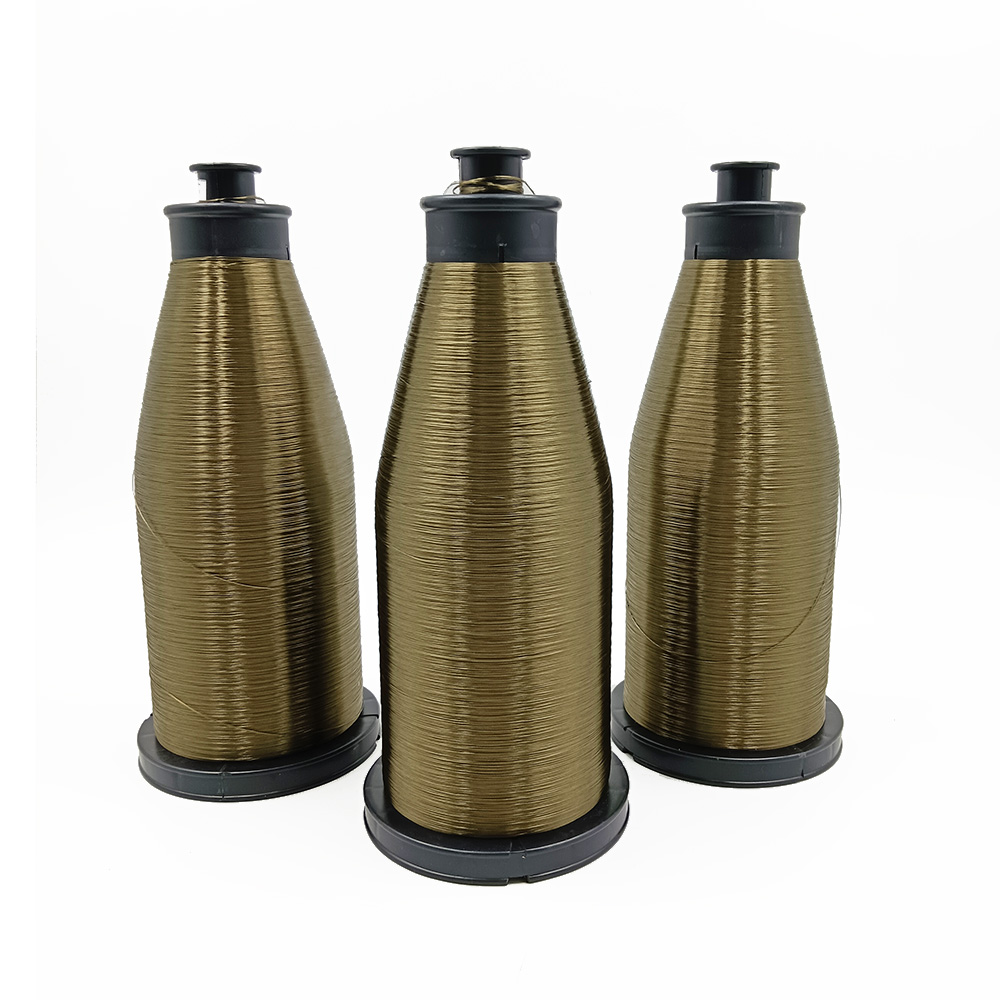
Analysis of Basalt Fiber Technology
Raw Materials and Production Process
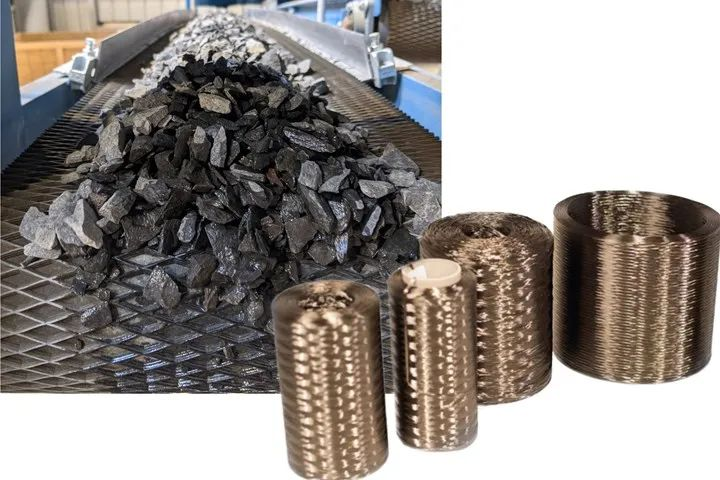
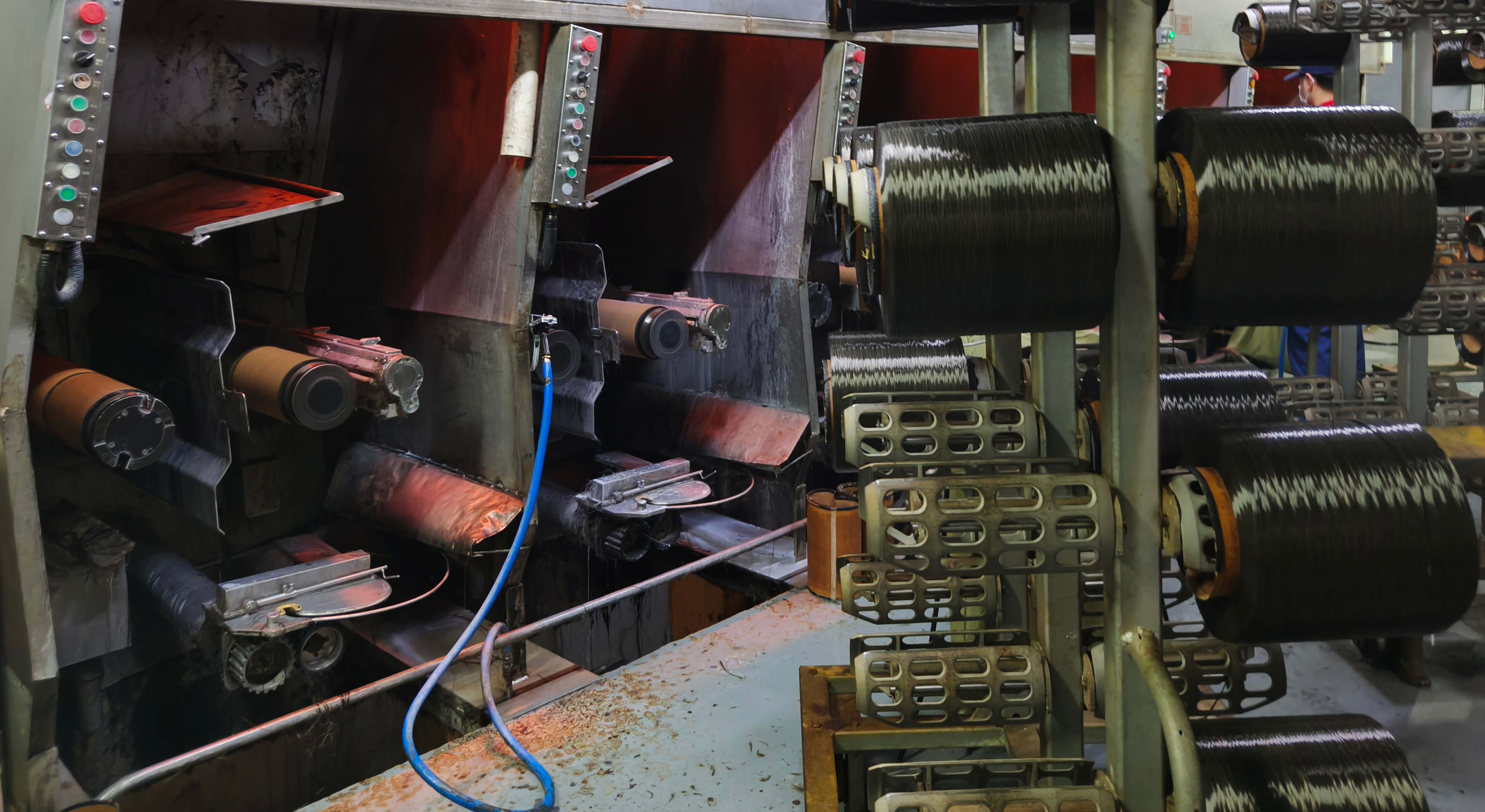
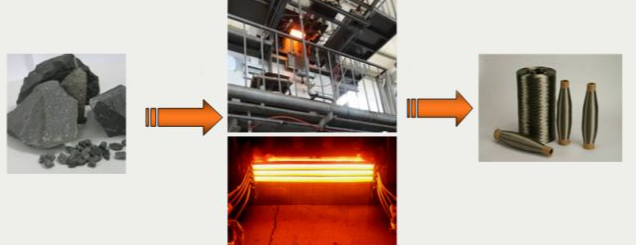
The raw material for basalt fiber is volcanic basalt rock. Its Chemical composition is primarily silicon dioxide and aluminum oxide, supplemented by oxides of iron, calcium, and others. After crushing and cleaning, the ore is fed into a melting furnace, where it is melted into a homogeneous magma at a high temperature of around 1500°C, and then drawn into continuous fibers through a platinum-rhodium alloy spinneret.
Compared to Glass Fiber,basalt fiber eliminates the batching process and uses a more singular raw material. Compared to the complex carbonization process of carbon fiber, which requires an organic precursor, its production process is more direct. However, fluctuations in the composition of basalt ore can affect fiber stability, necessitating strict raw material screening.
Physical and Chemical Performance Characteristics
(1) Mechanical Properties: The tensile strength of basalt fiber is between that of ordinary glass fiber and carbon fiber, typically ranging from 3000 to 4800 MPa, with an elastic modulus of approximately 90-110 GPa. This is superior to E-glass fiber but lower than high-modulus carbon fiber. Its elongation at break is about 3%, indicating a certain level of toughness.
(2) Temperature Resistance: The long-term operating temperature range is -260°C to 700°C, with an instantaneous temperature resistance up to 1000°C. This is superior to most organic fibers and ordinary glass fibers, approaching ceramic fibers but at a lower cost.
(3) Corrosion Resistance: Its stability in acid and alkali environments is better than glass fiber, especially showing almost no corrosion in the pH 2-11 range, making it suitable for harsh environments like damp conditions and salt spray.
(4) Other Properties: It has a low thermal conductivity (approx. ), good electrical insulation performance, and a moisture absorption rate of less than .
Comparison of Application Fields
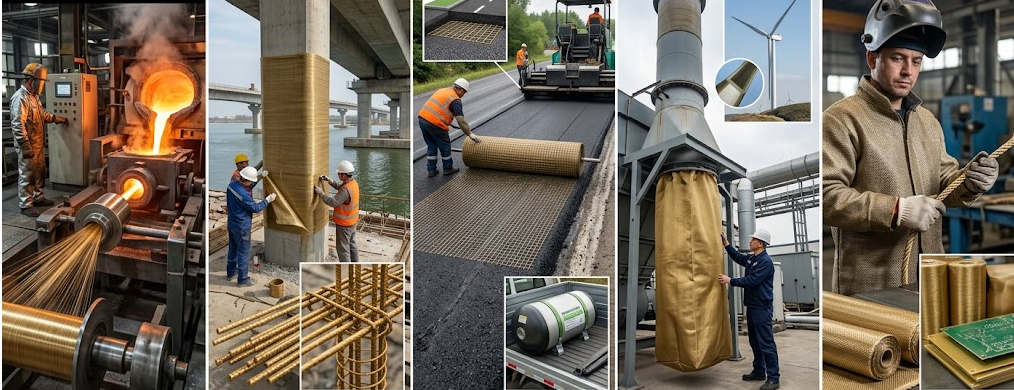
(1) Construction Reinforcement: Compared to traditional steel rebar, basalt fiber rebar is lightweight and corrosion-resistant, which avoids the problem of concrete carbonation, though its initial cost is higher. Compared to carbon fiber rebar, it offers better cost-effectiveness.
(2) Automotive Lightweighting: In components like brake pads and exhaust heat shields, it is more environmentally friendly than asbestos and achieves a weight reduction of over compared to metallic materials.
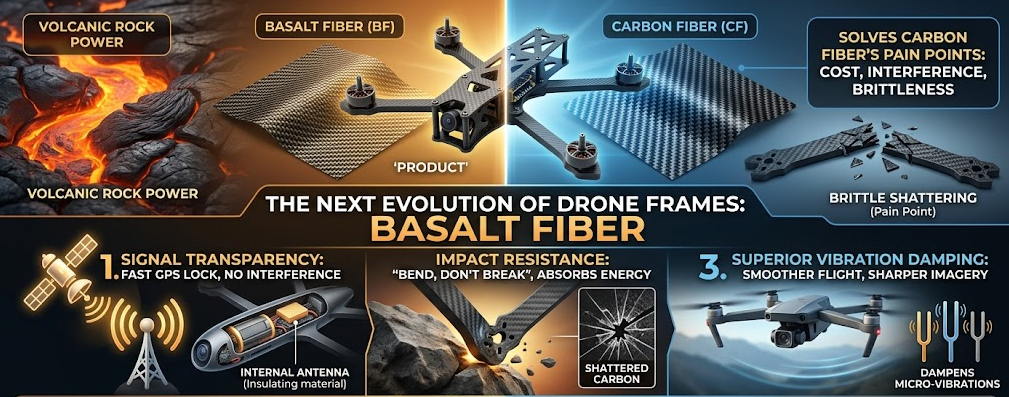
(3) Electronic Equipment: Used as a reinforcing material for circuit boards, its dielectric performance is superior to glass fiber, and it avoids signal shielding issues.
(4) Filtration Materials: Its high-temperature resistance gives it a significant advantage over chemical fiber filters in the field of high-temperature flue gas filtration.
Technical Limitations
(1) Production Cost: The current price of basalt fiber is about 2-3 times that of E-glass fiber, mainly due to high melting energy consumption and significant spinneret wear. Large-scale production may reduce this to about 1.5 times that of glass fiber.
(2) Process Control: The uniformity of the melt significantly affects the fiber diameter, requiring precise control of the temperature field and drawing speed.
(3) Deep Processing Adaptability: The selection of coupling agents for bonding with resin matrices is more stringent than for glass fiber, requiring targeted optimization.
Technological Development Trends
(1) Raw Material Purification Technology: Using methods such as magnetic separation and flotation to reduce the iron content in the ore, thereby improving melt stability.
(2) Melting Process Improvement: Developing new electrode-heated kilns to reduce energy consumption by about compared to traditional gas-fired kilns.
(3) Product Diversification: Special varieties like ultra-fine fibers (single filament diameter ) and fibers with non-circular cross-sections have been developed.
(4) Recycling: Waste fibers can be crushed and used as admixtures in concrete, achieving resource circulation.
Conclusion
Compared to other high-performance fibers, the core advantage of basalt fiber lies in its all-natural raw material system and balanced comprehensive performance. Although its known strength is not as high as carbon fiber, and its temperature limit is lower than ceramic fiber, its environmental friendliness and cost-effectiveness make it irreplaceable in various industrial sectors. With continuous optimization of the production process, its range of applications is expected to expand further.