








Bid Farewell to "Fiber Clumping"! The Beauty of Uniformity in 9mm High-Dispersion Basalt Fiber
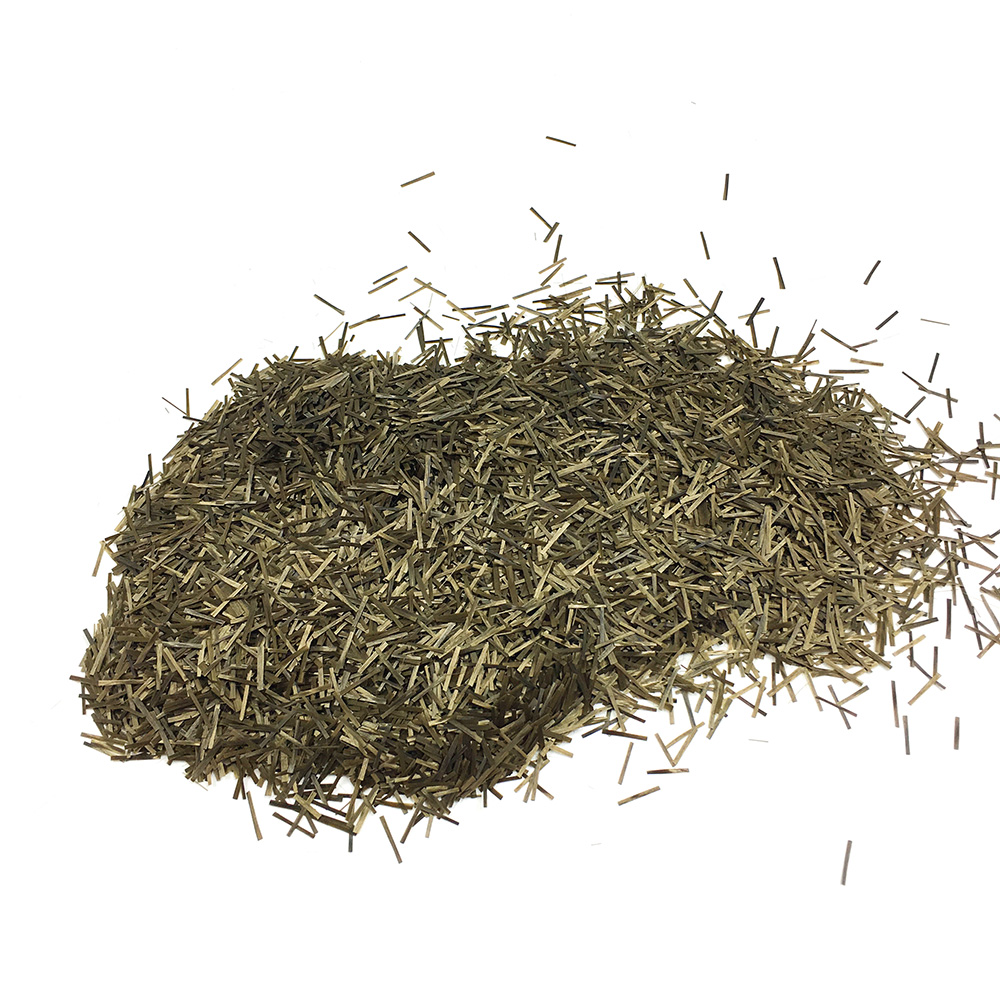
Basalt fiberis an inorganic fiber produced from natural basalt ore; it is created by melting the ore at high temperatures and drawing it out through a specialized manufacturing process. Specifically, 9mm Basalt Fiber refers to a chopped product with a nominal fiber length of approximately 9 millimeters, while the term "high-dispersion" describes the fiber's inherent ability to disperse uniformly and stably within subsequent application systems. This material combines the intrinsic superior properties of basalt fiber with excellent processing compatibility, demonstrating significant potential for application across numerous industrial sectors.
To fully appreciate the value of 9mm high-dispersion basalt fiber, one must examine it from multiple perspectives: its raw materials, manufacturing process, core characteristics, and the specific challenges it addresses.
I. Raw Materials and Basic Manufacturing of Basalt Fiber
Basalt is a widely occurring volcanic rock; its primary constituents—including silicon dioxide, aluminum oxide, calcium oxide, and magnesium oxide—classify it as a typical silicate mineral. The raw material used to manufacture basalt fiber consists of carefully selected basalt rock blocks with specific Chemical compositions.
The basic manufacturing process generally proceeds as follows:
1. Raw Material Preparation and Melting: Crushed basalt ore is fed into a specialized melting furnace, where it is melted at temperatures exceeding 1500°C to form a homogeneous molten mass.
2. Fiberization: The molten basalt is guided to a spinneret (typically a bushing made of platinum-rhodium alloy). As the molten material flows through the minute orifices of the spinneret, it is drawn out—either via high-speed drawing or centrifugal spinning techniques—to form continuous fibers with diameters ranging from just a few microns to approximately twenty microns.
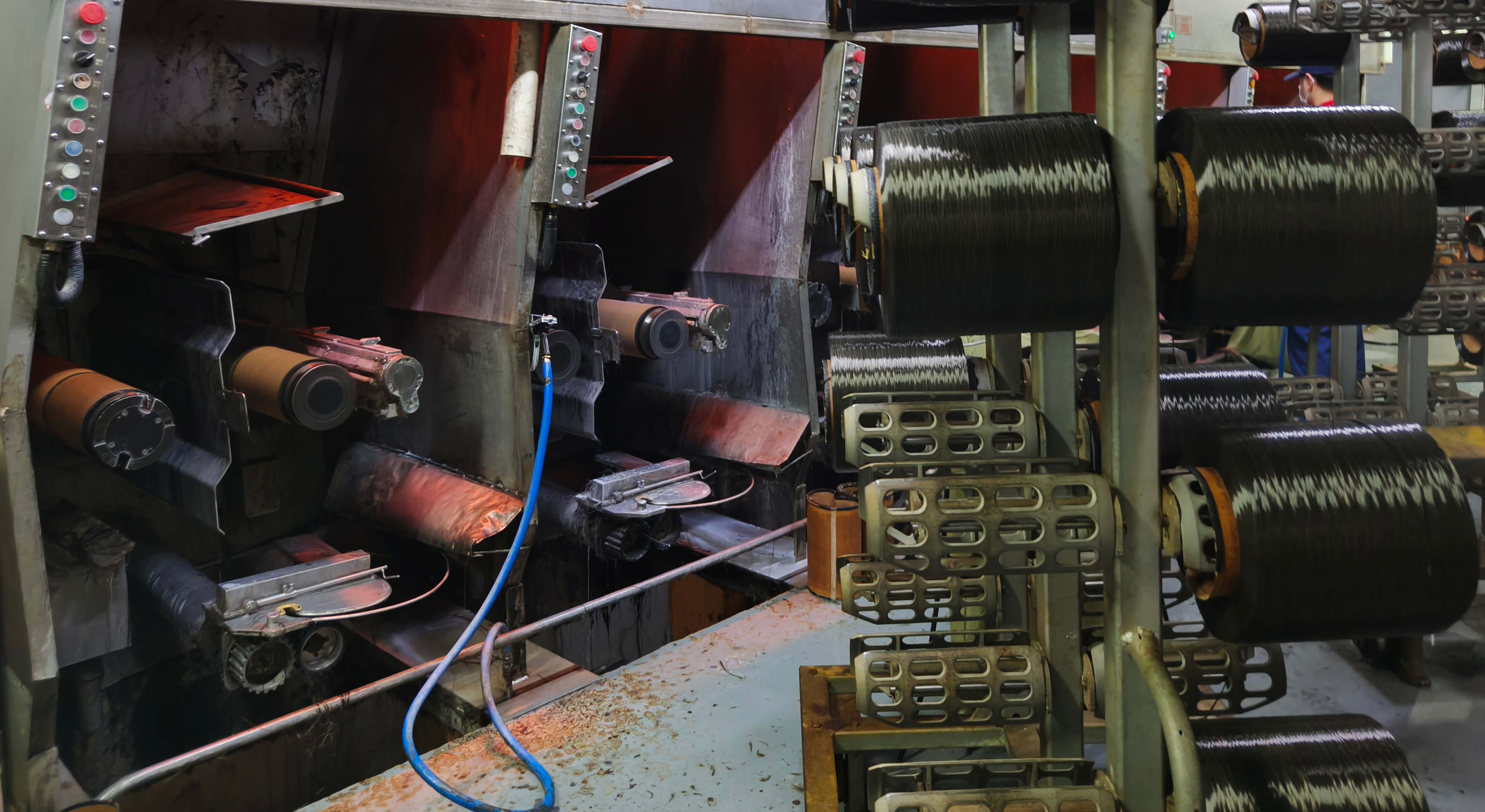
3. Chopping and Surface Treatment: To obtain the 9mm chopped fibers, the continuous fiber strands are mechanically cut to the specified length. The most critical step in this process is the "surface treatment" (also known as "sizing" or "finishing"). During the fiber formation or chopping stage, a specialized sizing agent is applied. This sizing agent is indispensable for achieving "high dispersion"; it enhances the interfacial bonding between the fiber and the subsequent matrix material (such as resins, cement, asphalt, etc.) and prevents the fibers from clumping together due to static electricity during storage and processing, thereby ensuring their uniform distribution throughout the final product.
II. Core Characteristics of 9mm High-Dispersion Basalt Fiber
The attention garnered by this specific fiber specification stems from its comprehensive array of performance attributes:
1. Physical and Mechanical Properties:** Basalt fiber inherently possesses high tensile strength, surpassing that of many common glass fibers. It also exhibits a high elastic modulus, implying minimal deformation when subjected to mechanical stress. The 9mm length is specifically engineered to provide effective stress transfer and load-bearing capacity when reinforcing composite materials, without being excessively long—a factor that could otherwise compromise the flowability and processability of the mixture.
2. Thermal Stability and Weather Resistance:** Basalt fiber operates across a broad temperature range, demonstrating resistance to both high and low temperatures; it does not combust or emit toxic fumes when exposed to high heat. Furthermore, it exhibits excellent resistance to acid and alkali corrosion, remains stable under UV radiation, resists aging, and is therefore well-suited for long-term deployment in harsh environmental conditions.
3. High Dispersion:** This constitutes a pivotal feature of the product. Through optimized surface treatment technologies, the fibers resist clumping within various matrices—such as polymers, mortars, or asphalt—and are capable of dispersing uniformly, either as individual monofilaments or in small bundles. Uniform dispersion is a prerequisite for the fibers to effectively fulfill their roles in reinforcement, toughening, and crack resistance; conversely, uneven dispersion can lead to inconsistent product performance or even structural defects.
4. Environmental Friendliness and Safety:** The raw materials are derived from natural ores, the manufacturing process generates minimal waste, and the finished product itself is non-toxic and harmless. Its chemical inertness further ensures safety throughout its application lifecycle.
III. Analysis of Key Application Areas
Leveraging its distinctive characteristics, 9mm high-dispersion basalt fiber finds its primary applications in sectors where specific material performance requirements are paramount:
1. **Reinforcement of Polymer Composites:**
In the injection molding, compression molding, or extrusion processes involving thermoplastics (e.g., PP, PA, PC) or thermosetting resins (e.g., epoxy resins, unsaturated polyesters), the incorporation of 9mm high-dispersion basalt fiber can significantly enhance the composite material's strength, stiffness, dimensional stability, and heat resistance. Its high dispersion capability ensures uniform filling even within complex mold cavities, thereby guaranteeing consistent performance across the finished products. Such composite materials are widely utilized in the manufacture of automotive components, electrical appliance housings, sports equipment, and various industrial parts. 2. Modification of Construction Materials
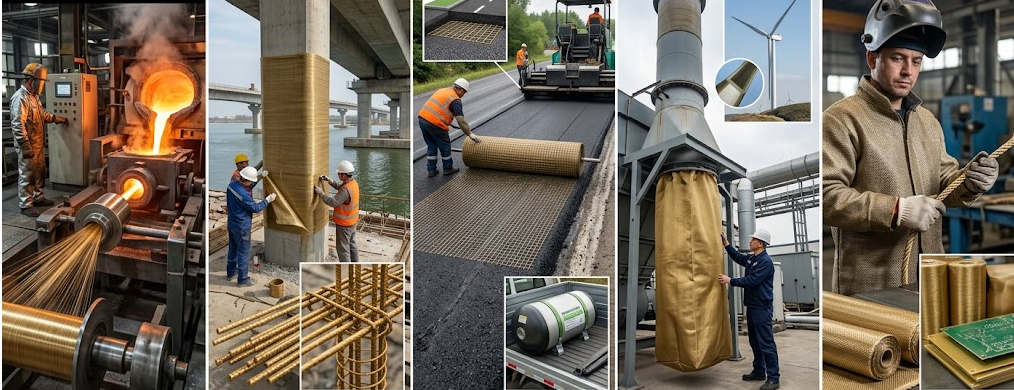
* **Concrete/Mortar Reinforcement:** When incorporated into cement-based materials, it effectively controls plastic shrinkage in mortar and concrete, as well as the initiation and propagation of microcracks after hardening. This enhances the material's crack resistance, toughness, and impact resistance. The 9mm length is ideal for thin-layer mortar applications, while its excellent dispersibility prevents the formation of fiber clumps during the construction process.
* **Asphalt Concrete Reinforcement:** When added to asphalt mixtures, it forms a three-dimensional network structure that improves the asphalt pavement's resistance to high-temperature rutting, low-temperature cracking, and fatigue, thereby extending the road's service life.
3. Friction and Sealing Materials
Used as a reinforcing component in friction materials—such as brake pads and clutch facings—basalt fiber's high-temperature resistance helps stabilize the friction coefficient and reduce wear. Furthermore, its eco-friendly characteristics align with current trends in the industry.
4. Other Specialized Applications
It can also be utilized as a base material for thermal insulation products, as a filtration medium, or as a reinforcing element in certain electronic materials.

IV. Comparison with Other Fiber Materials
To better position the 9mm high-dispersion basalt fiber, a brief comparison with common glass fibers and carbon fibers is provided below:
* **Compared to Glass Fiber:** Basalt fiber generally offers superior advantages in terms of tensile strength, elastic modulus, thermal resistance (particularly high-temperature stability), and corrosion resistance. While its manufacturing process typically involves higher energy consumption, the potential for cost-effective raw materials is significant. In composite processing, high-dispersion basalt fiber performs comparably to similarly treated glass fibers, though the ultimate performance characteristics of the resulting materials may differ.
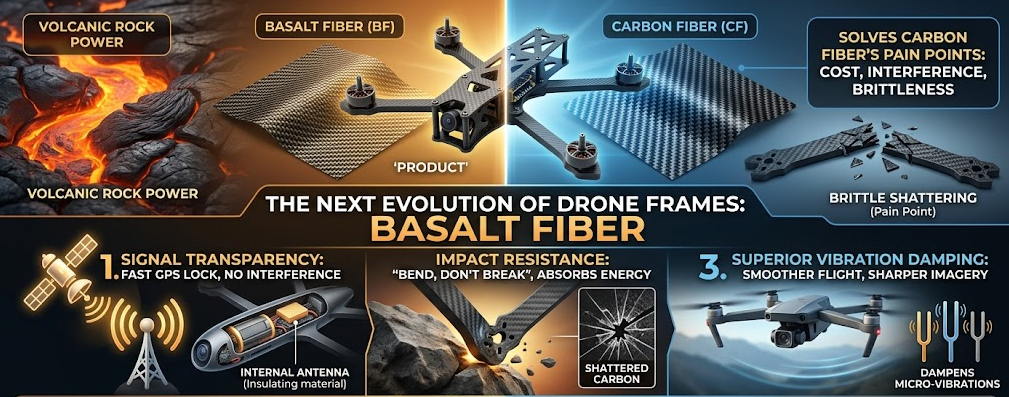
* **Compared to Carbon Fiber:** Carbon fiber boasts exceptionally high specific strength and specific modulus; however, it is expensive and electrically conductive. Although basalt fiber does not match carbon fiber in terms of ultimate strength, it offers excellent cost-effectiveness, superior electrical insulation properties, and distinct advantages in areas such as impact resistance. The application markets for these two materials exhibit both areas of overlap and distinct differentiation.
V. Considerations for Selection and Application
When evaluating the practical use of 9mm high-dispersion basalt fiber, the following points should be carefully considered:
1. **Verification of Dispersibility:** While high dispersibility is a core selling point, it must be empirically verified within the specific matrix system and processing conditions intended for the actual application. This can be analyzed by observing the state of the mixed slurry or melt, as well as the microstructure of the final product.
2. Interfacial Bonding Effectiveness: The type of sizing agent determines the bonding strength between the fibers and a specific matrix. It is crucial to select a fiber grade that is compatible with the target resin or cement system; robust interfacial bonding serves as the guarantee for enhanced performance.
3. Dosage and Process Compatibility: There is an optimal range for fiber addition levels; adding too little yields insignificant results, while adding too much may lead to processing difficulties or a decline in performance. Optimization trials must be conducted based on the performance requirements of the target product and the specific processing parameters (such as injection molding pressure, extrusion speed, mixing conditions, etc.).
4. Cost-Performance Balance: Although basalt fibers offer numerous performance advantages, a comprehensive assessment is required to determine whether the resulting performance enhancements justify the increased costs, thereby validating the rationale for their application.
9mm high-dispersion basalt fiber is a novel inorganic fiber material characterized by balanced performance and eco-friendliness. It is not intended merely as a superior substitute for existing materials, but rather serves as a valuable option in specific scenarios with distinct performance requirements—particularly where it is necessary to balance mechanical properties, heat and weather resistance, processing dispersibility, and environmental considerations. As research into its surface treatment technologies and composite processing techniques continues to deepen, the scope and depth of its applications are expected to expand even further.