





Basalt Fiber Pipelines: A New Choice for Energy Transportation
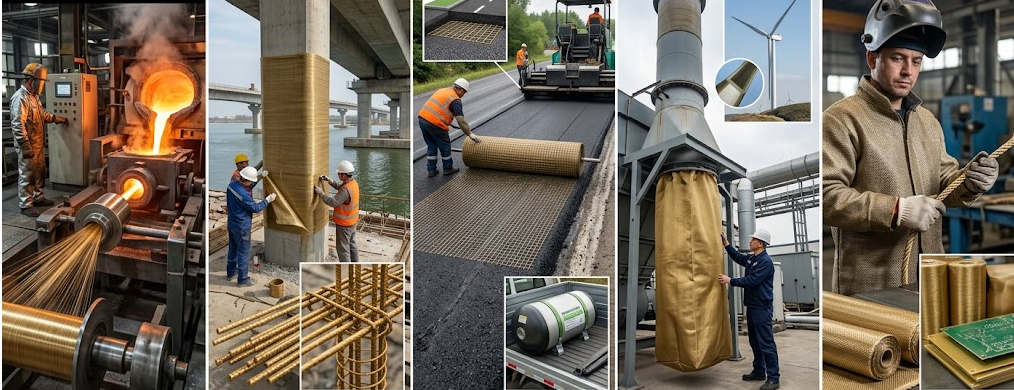
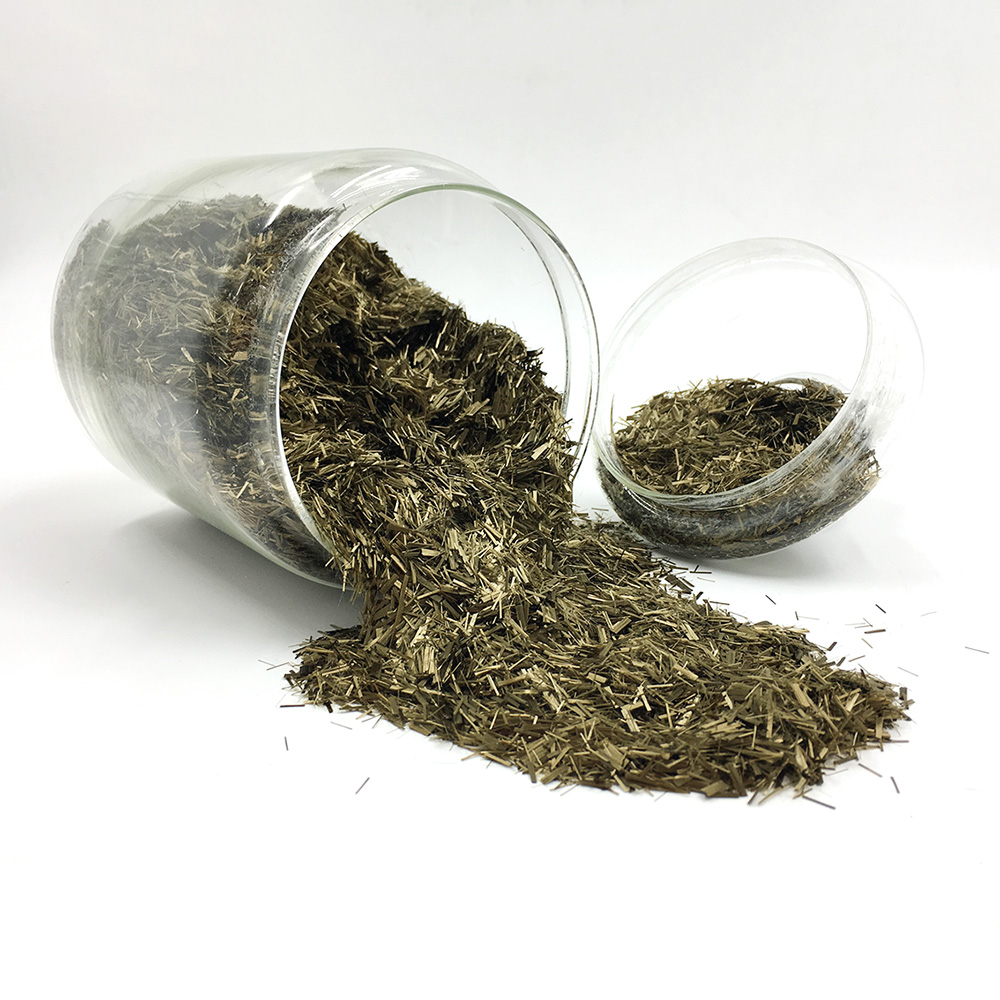
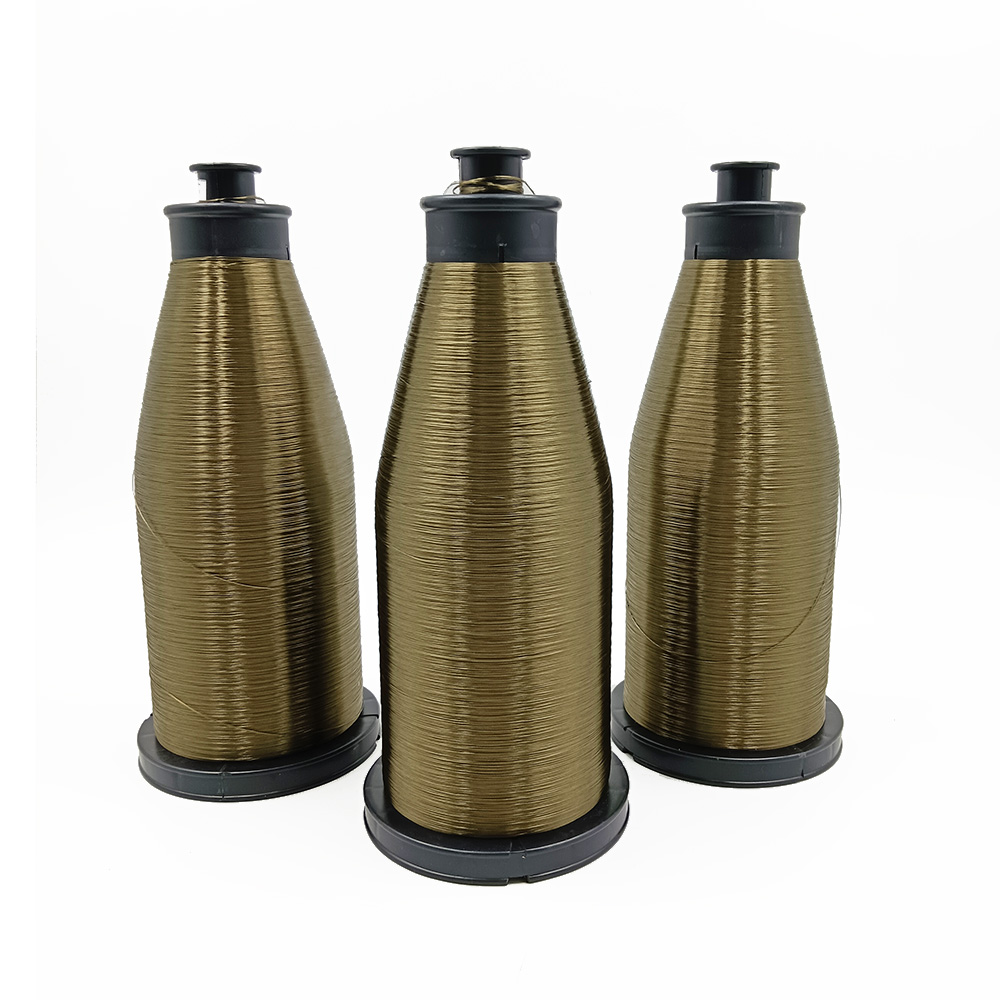
In the market for high-pressure pipes, composite materials like Glass Fiber, carbon fiber, and basalt fiber are all used. However, glass fiber reinforced plastic (GRP) high-pressure pipes are the most widely used, while basalt and carbon fiber pipes are less common.Basalt fibercomposite high-pressure pipes, with their exceptional corrosion resistance, lightweight and high strength, low fluid resistance, and long service life, are finding widespread applications in various fields such as petroChemicals, aerospace, and construction.
Advantages of Basalt Fiber Pipes
Material Comparison and Application Fields
Basalt fiber high-pressure pipes are resistant to corrosion from various media, including H2S, CO2, and saltwater. They also have superior flow characteristics, with a flow coefficient up to 1.5 times that of steel pipes. While GRP is the most common, basalt fiber pipes are finding applications in more diverse fields due to their superior performance. Additionally, basalt fiber high-pressure pipes possess excellent mechanical strength, are lightweight, and have low installation costs. Their designed service life is over 30 years, and in some projects, they have performed well for as long as 50 years. Although basalt fiber high-pressure pipes are still relatively new products in both China and internationally, and engineering application reports are limited, their outstanding performance has already enabled them to play a significant role in various high-pressure pipelines, including crude oil, natural gas, and freshwater transport, wastewater injection, downhole tubing, and petrochemical process pipelines.
Corrosion Resistance and Service Life
The structural design of basalt fiber high-pressure pipes includes three layers: an inner liner, a structural layer, and an outer protective layer. The inner liner is rich in resin, with a resin content of over 70%, and the resin content on the inner surface can reach around 95%. This enables basalt fiber high-pressure pipes to exhibit outstanding corrosion resistance, allowing them to withstand long-term erosion from various strong acids and bases, inorganic salt solutions, oxidizing agents, hydrogen sulfide, carbon dioxide, and organic solvents. The design life is over 20 years, but many pipes have remained in good condition after more than 30 years and require no maintenance during their service life.
Manufacturing Process and Cost-Effectiveness
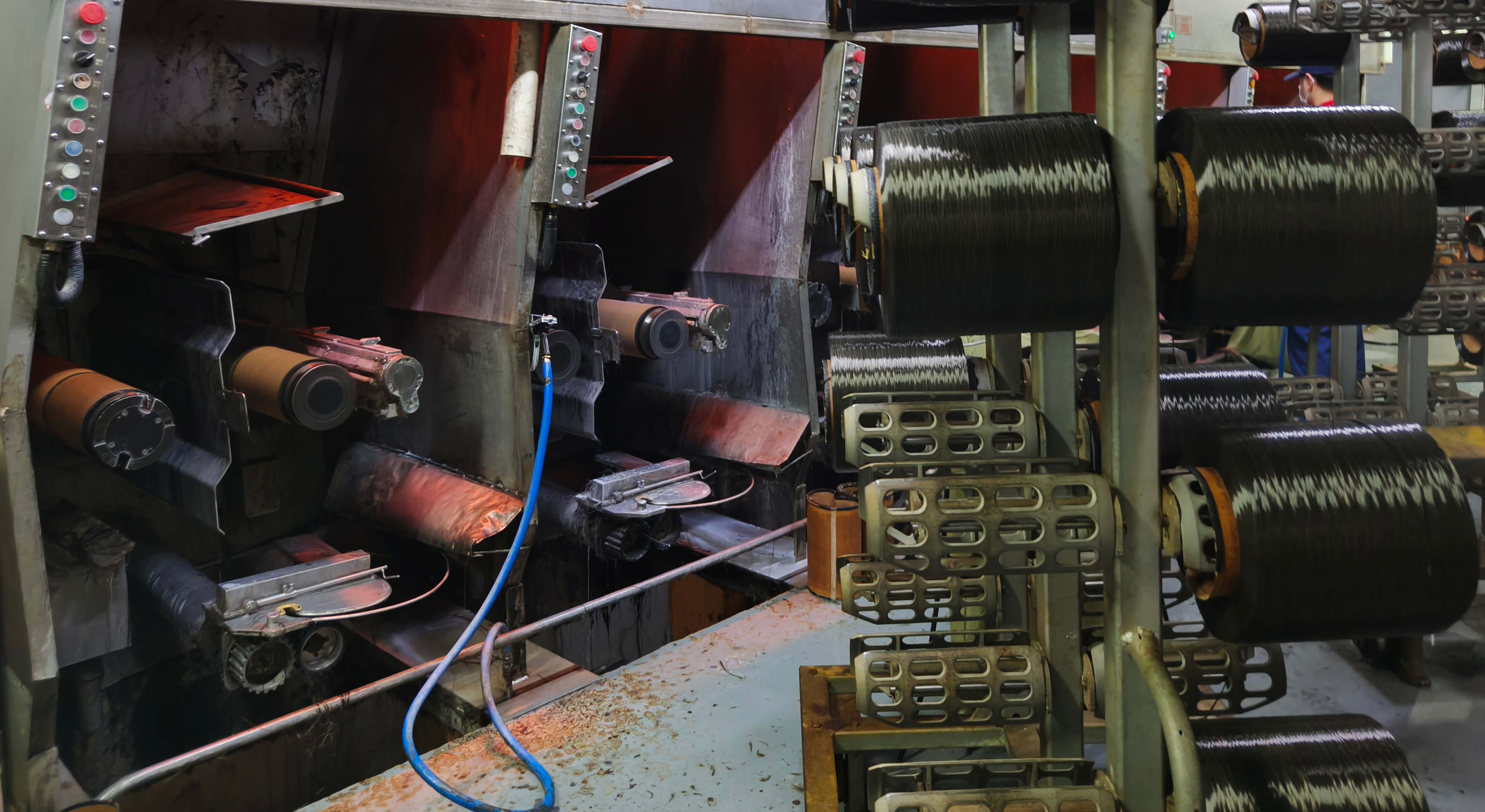
The manufacturing process for basalt fiber high-pressure pipes differs significantly from that of glass fiber high-pressure pipes. Under the same fiber specifications, lay-up, and equipment conditions, the hydrostatic pressure resistance of basalt fiber pipes is significantly better than that of glass fiber pipes. By reducing the number of lay-up layers, basalt fiber pipes can maintain their pressure resistance while effectively reducing raw material consumption and product costs, making them more cost-effective.

Design and Performance Characteristics
Structural Design
The three-layer structure of basalt fiber high-pressure pipes, which includes an inner liner, a structural layer, and an outer protective layer, gives them excellent corrosion resistance. These pipes also have outstanding fatigue resistance and a long service life.
Weight and Mechanical Properties
In terms of weight, basalt fiber high-pressure pipes have a significant advantage. Their specific gravity is about 1.6, only 1/4 to 1/5 that of steel or cast iron pipes. Practical applications show that for the same internal pressure, a GRP pipe of the same diameter and length weighs only about 28% of a steel pipe. They have a high specific strength and reasonable mechanical properties, with axial tensile strength reaching 200 to 320 MPa, close to that of steel pipes, but with a higher specific strength. This allows for a significant reduction in the pipe's self-weight during structural design, simplifying the installation process.
Other Superior Characteristics
In addition, basalt fiber high-pressure pipes are resistant to scaling and paraffin build-up, have low fluid resistance, good electrical insulation, simple connection methods, high strength, low thermal conductivity, and low thermal stress. These excellent properties enable the widespread use of basalt fiber high-pressure pipes in various fields, with the potential for more extensive promotion and application in the future.