





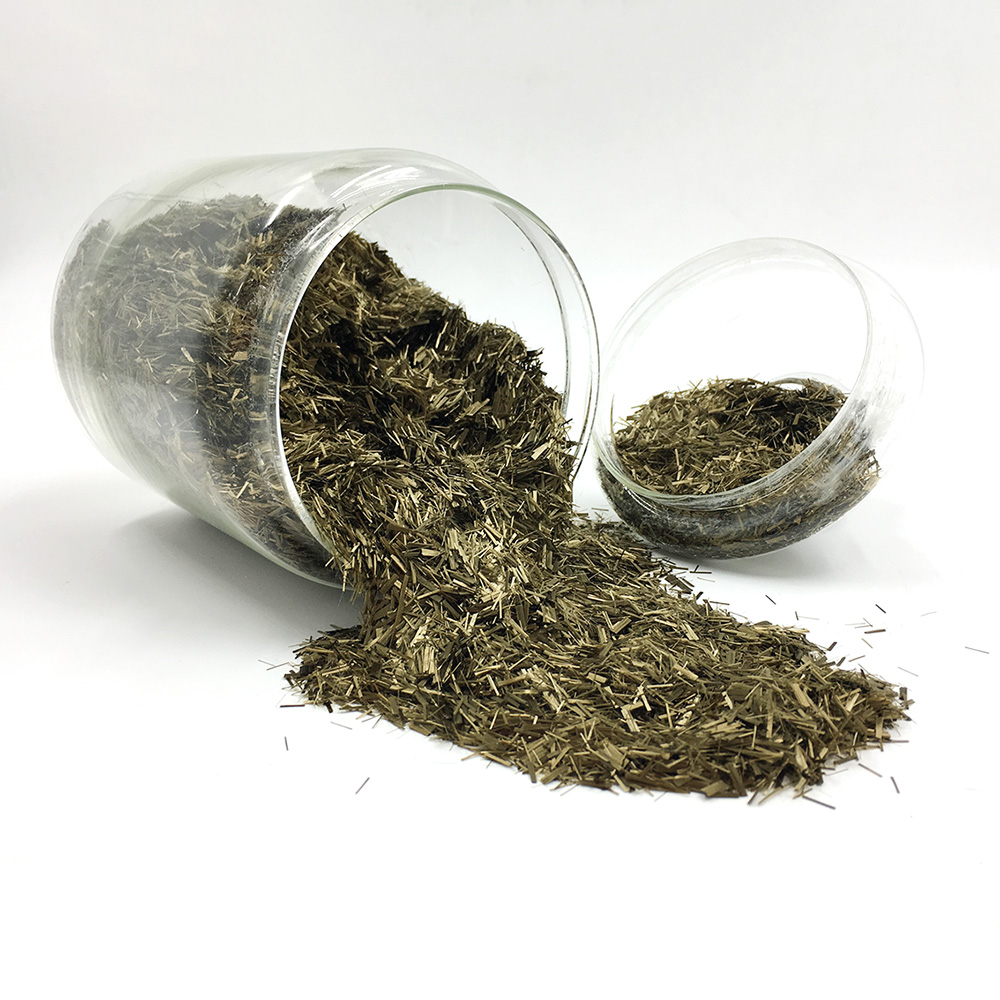
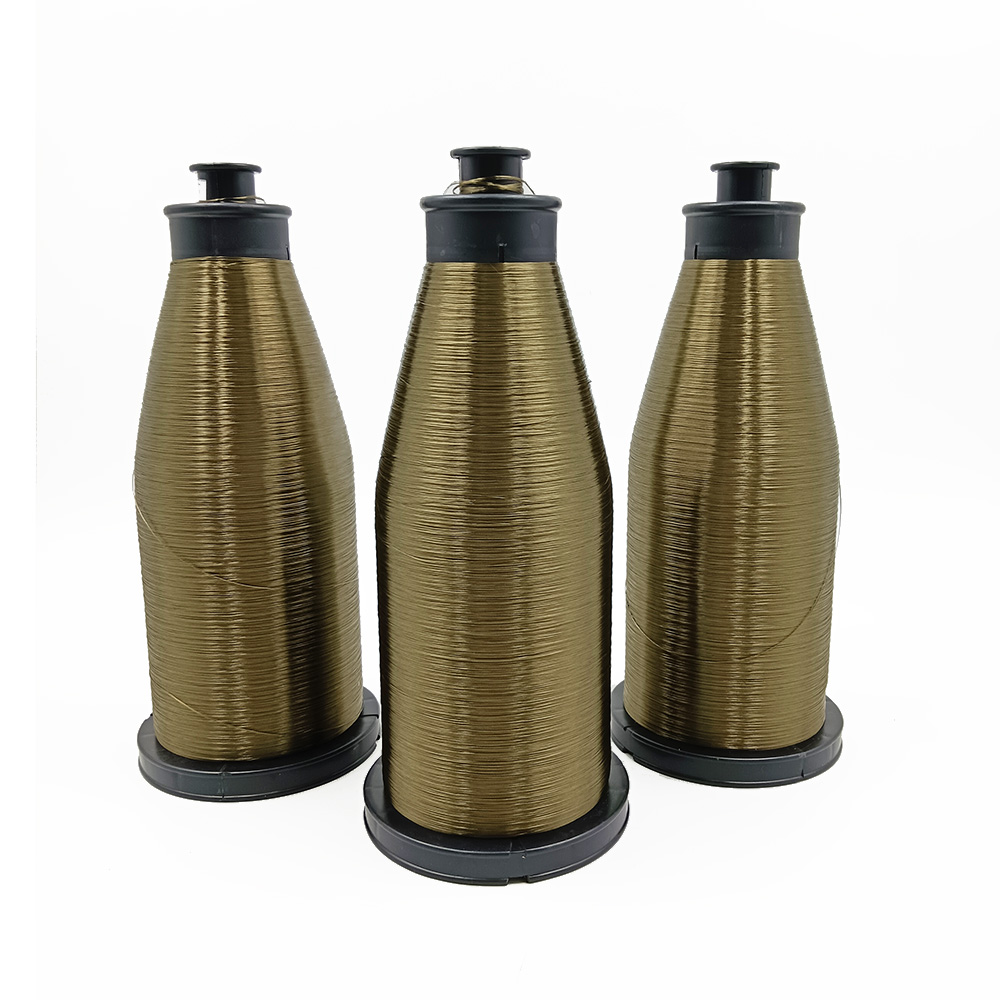
Construction Methods and Precautions for Chopped Basalt Fiber Concrete
1. Construction Temperature
Chopped basalt fiber concrete should ideally be constructed under temperatures ranging from -5°C to 25°C. Both excessively high or low temperatures can lead to an uneven mix.
2. Construction Quality Control
Quality control for chopped Basalt Fiber concrete construction should focus on raw material inspection, accurate measurement, and the quality of the mixing process.
2.1 Mix Design
In practical construction, the proportion of chopped basalt fiber should be selected within a reasonable range based on project requirements. Since chopped basalt fiber itself does not chemically react with other concrete components or admixtures, its inclusion generally does not alter the original concrete mix design principles. During construction, the quality of all materials must be strictly determined according to the construction mix ratio and the single batch mixing quantity.
Table 1: Example of Optimal Mix Ratio for Basalt Fiber Reinforced Concrete
| Fiber Content (kg/m³) | Water-Binder Ratio | Fly Ash Content (%) | Sand Ratio (%) | Unit Water Content (kg/m³) |
| 1.2 | 0.34 | 15 | 40 | 160 |
Tests have shown that a higher fiber content does not necessarily result in better crack resistance. When the fiber content does not exceed 1.2 kg/m³, the compressive strength of the concrete shows an initial increase followed by a decrease as fiber content increases (there is a peak value).
2.2 Feeding Sequence and Method
During the mixing process, chopped basalt fibers should preferably be added simultaneously with aggregates such as sand and gravel. It's recommended to evenly scatter the fibers into the mix while feeding in the sand and gravel, then add water for wet mixing.
Fiber addition methods can be divided into manual feeding and automatic feeding:
Manual Feeding: After the hot aggregate is fed into the mixer, the weighed basalt fibers are manually added. This method is labor-intensive, and the mixing uniformity is relatively lower. The mixing time may need to be appropriately extended to ensure uniform fiber dispersion.
Automatic Feeding: A basalt fiber feeder is used for automatic measurement and simultaneous feeding into the mixer with the hot aggregate. Fiber feeders are usually equipped with automatic metering, pre-dispersion, and pneumatic conveying mechanisms, offering the advantages of convenient, fast, and accurate addition. The appropriate method should be selected based on the conditions of the actual construction site.
2.3 Slump Adjustment
The addition of fibers will slightly increase the viscosity of the concrete mix, affecting its slump. If the slump does not meet construction requirements, plasticizers or water-reducing agents should be prioritized for adjustment, and the problem should not be solved by increasing water content.
2.4 Forming and Curing
Concrete incorporating chopped basalt fibers has no special requirements for forming, but it must be ensured that it is fully vibrated and compacted. Its curing requirements are the same as those for ordinary concrete.