









From Smooth to "Micro-Pitted": How Acid-Base Etching Upgrades Basalt Fiber Performance
Acid-base etched basalt fiberis a specially treated basalt fiber material with unique physical and Chemical properties.
Surface Morphology Changes
Increased Micro-Roughness
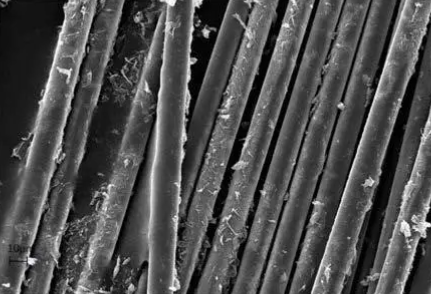
The surface of untreated basalt fiber is relatively smooth. However, after acid-base etching, the fiber surface exhibits numerous tiny pits and bumps. This is because the acid-base solutions react chemically with the mineral components on the fiber surface, selectively dissolving certain substances.
For example, acid etching might preferentially dissolve metal compounds like calcium and magnesium on the fiber surface, while base etching might cause a degree of corrosion to silicon compounds, resulting in an uneven, rough surface. This increase in micro-roughness can enlarge the contact area between the fiber and matrix materials like resins.
Diameter Change
Generally, acid-base etching slightly reduces the diameter of the basalt fiber. This is because some material on the fiber surface is dissolved, leading to a slight decrease in the overall fiber size. However, this diameter change is usually small and can be regulated by controlling factors such as the etching time and the concentration of the acid or base.
Chemical Composition Changes
Impurity Removal
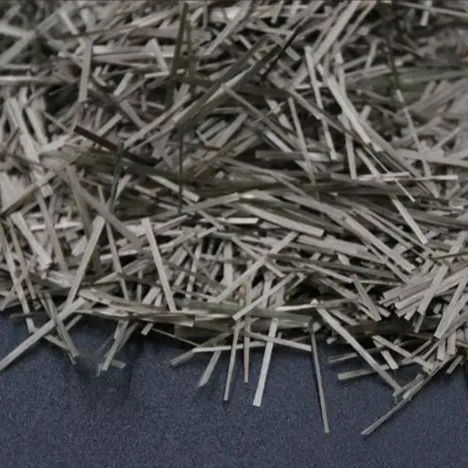
Original basalt fibersmay contain some impurity minerals, such as iron oxides and aluminum oxides. Acid-base etching can remove or reduce the content of these impurities. For example, acid etching can effectively dissolve impurities like iron oxide, thereby improving the purity of the fiber. This is significant for enhancing the physical and chemical properties of the fiber, as the presence of impurities might affect properties like fiber strength and Corrosion Resistance.
Element Ratio Adjustment
Acid-base etching also alters the ratio of elements in the basalt fiber. For instance, during acid etching, the relative content of silicon elements might increase due to the dissolution of some metal elements; the opposite situation might occur during base etching. This change in element ratio affects fiber properties such as chemical stability and thermal stability.
Physical Performance Changes
Strength Change
Acid-base etching has a complex effect on the strength of basalt fiber. On one hand, the increased surface roughness and removal of impurities can, to some extent, enhance the interfacial bonding force between the fiber and the matrix material, which is beneficial for improving the strength of the composite material. On the other hand, if the etching is excessive, leading to severe surface damage or an overly thin diameter, the intrinsic strength of the fiber itself might decrease. Therefore, the etching process needs to be optimized to balance these two aspects of influence.
Enhanced Adsorption Performance
The etched fiber surface possesses more active sites, which enhances its adsorption performance. For example, when adsorbing a resin matrix, it can better combine with resin molecules to form a stronger interfacial layer. Simultaneously, for certain functional coatings or additives, the etched fiber can also adsorb them better, thereby imparting more functionalities to the composite material.