





How is basalt fiber used in the automotive industry?
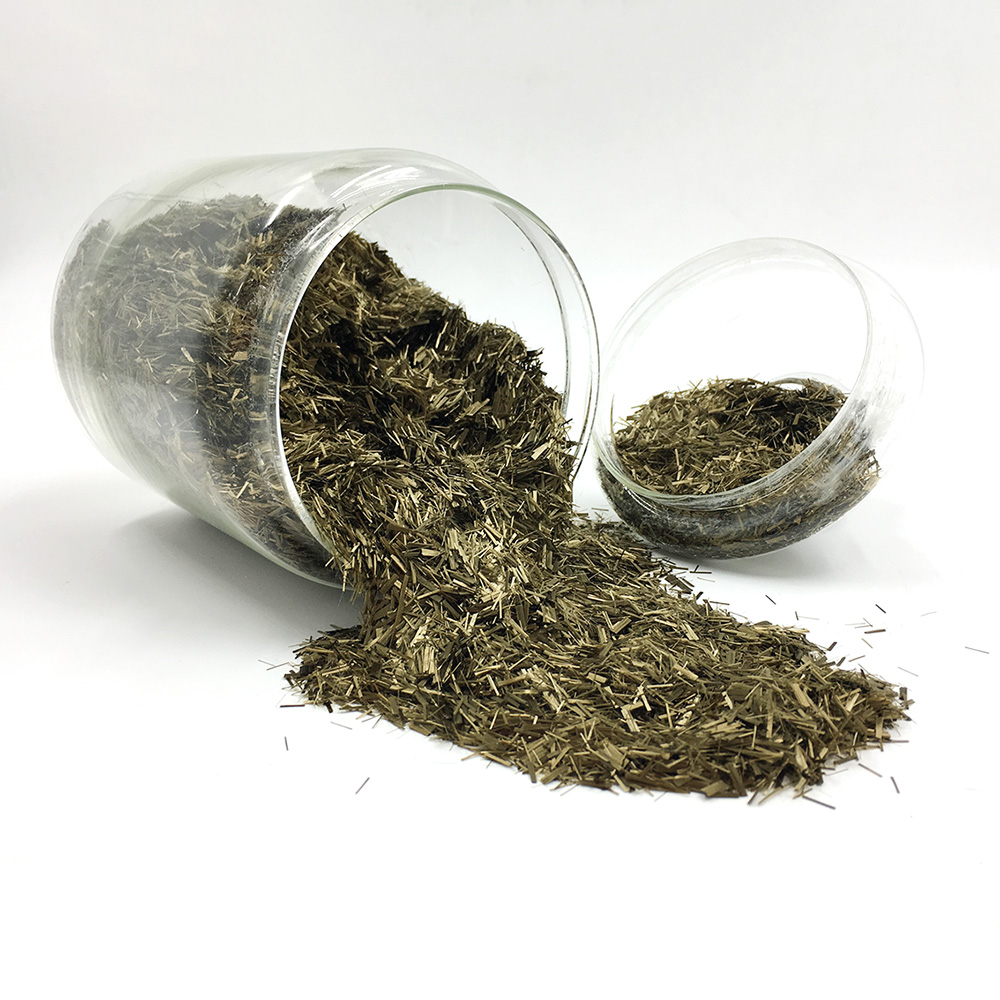
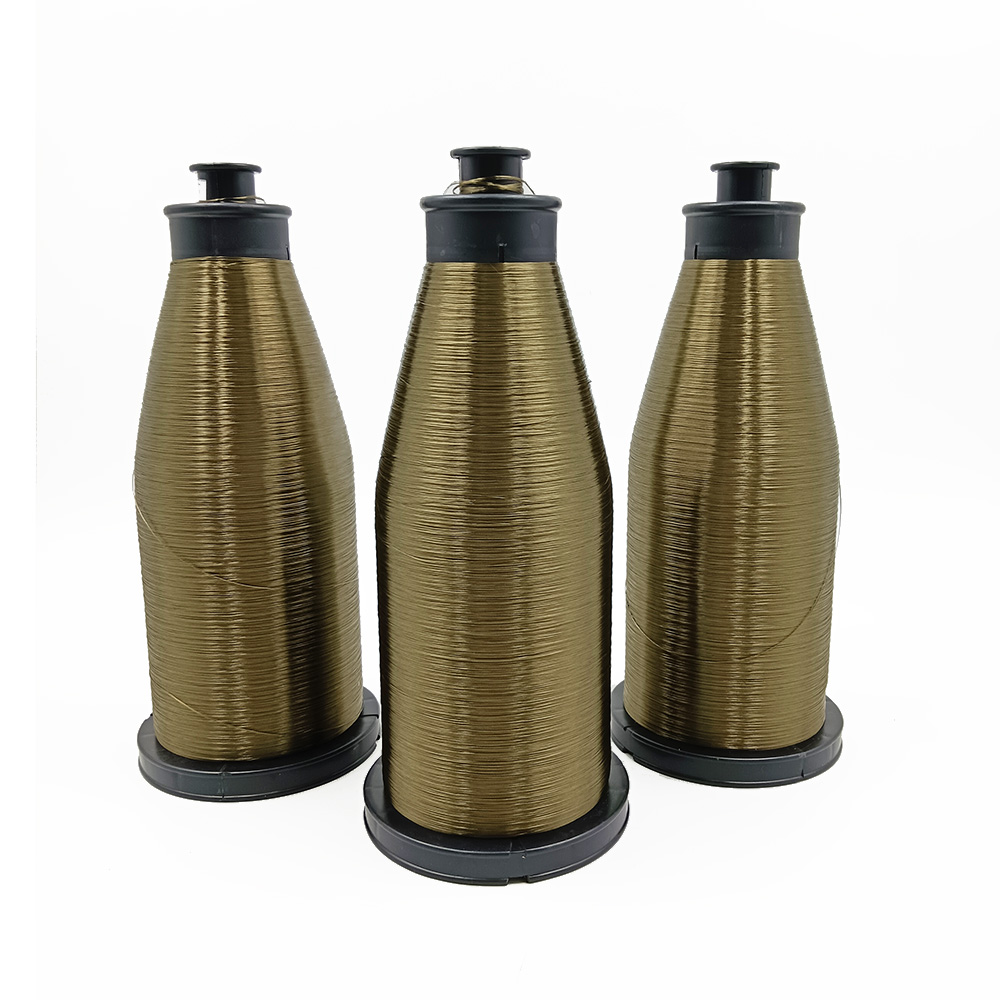
Basalt fiber is not only high in strength, thermally stable, resistant to damage to mating surfaces, and exhibits low wear and a stable coefficient of friction, but it is also reasonably priced. Applying basalt fiber to friction reinforcement materials not only increases the lifespan and operating temperature of automotive friction materials, but also addresses various unfavorable factors in current friction materials, helping to solve the thermal fade phenomenon in traditional automotive brakes, thereby reducing traffic accidents.
Basalt Fiber-reinforced car bodies
The Spanish company GALFER has successfully developed the 1052 series motorcycle brake pads using basalt fiber as the main reinforcing fiber. High-temperature resistant structures made from basalt fiber are used as friction reinforcement materials in automotive brakes, clutches, etc., contributing to the high-speed development of automobiles and improving vehicle safety performance; its development has broad market prospects.
Performance of different fibers and their reinforcement in phenolic resin-based friction materials
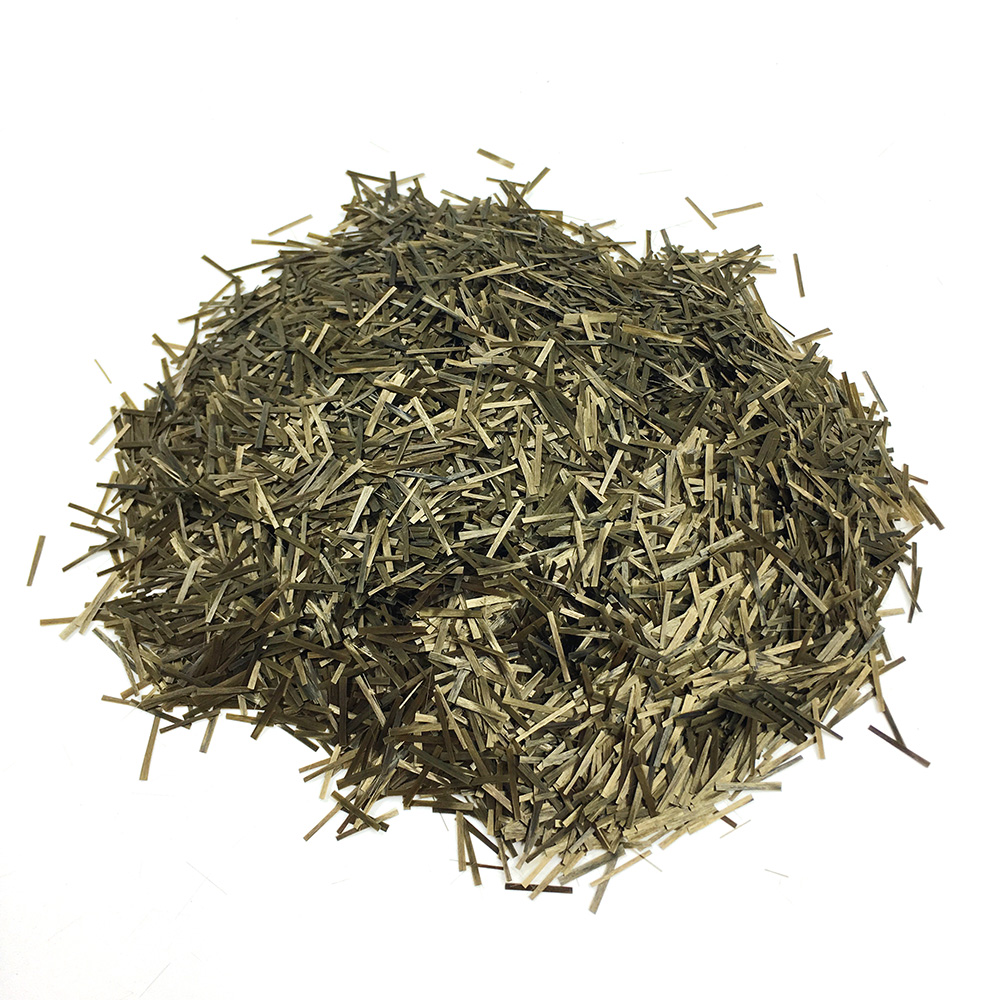
Basalt fiber has a moderate density, and its tensile strength is comparable to that of Glass Fiber. Furthermore, the wear resistance of basalt fiber-reinforced friction materials is higher than that of asbestos fiber, steel fiber, and glass fiber. Performance testing ofbasalt chopped fiber reinforced brake pads revealed their characteristics, including stable high-temperature friction coefficient, low thermal fade, and low braking noise, making them suitable as a primary reinforcing material for friction components.
Basalt fiber automotive filter materials can effectively filter and separate solid particles from vehicle exhaust under high-temperature conditions, reducing urban pollution. These filter materials also maintain stable performance over extended periods at high temperatures. In Russia and Ukraine, filter cloths made from continuous basalt fibers showed a mass loss of only 12% at 900°C. The application of basalt fiber automotive filter materials aligns with the environmental requirements of the new century and caters to the demand for high-performance vehicles.
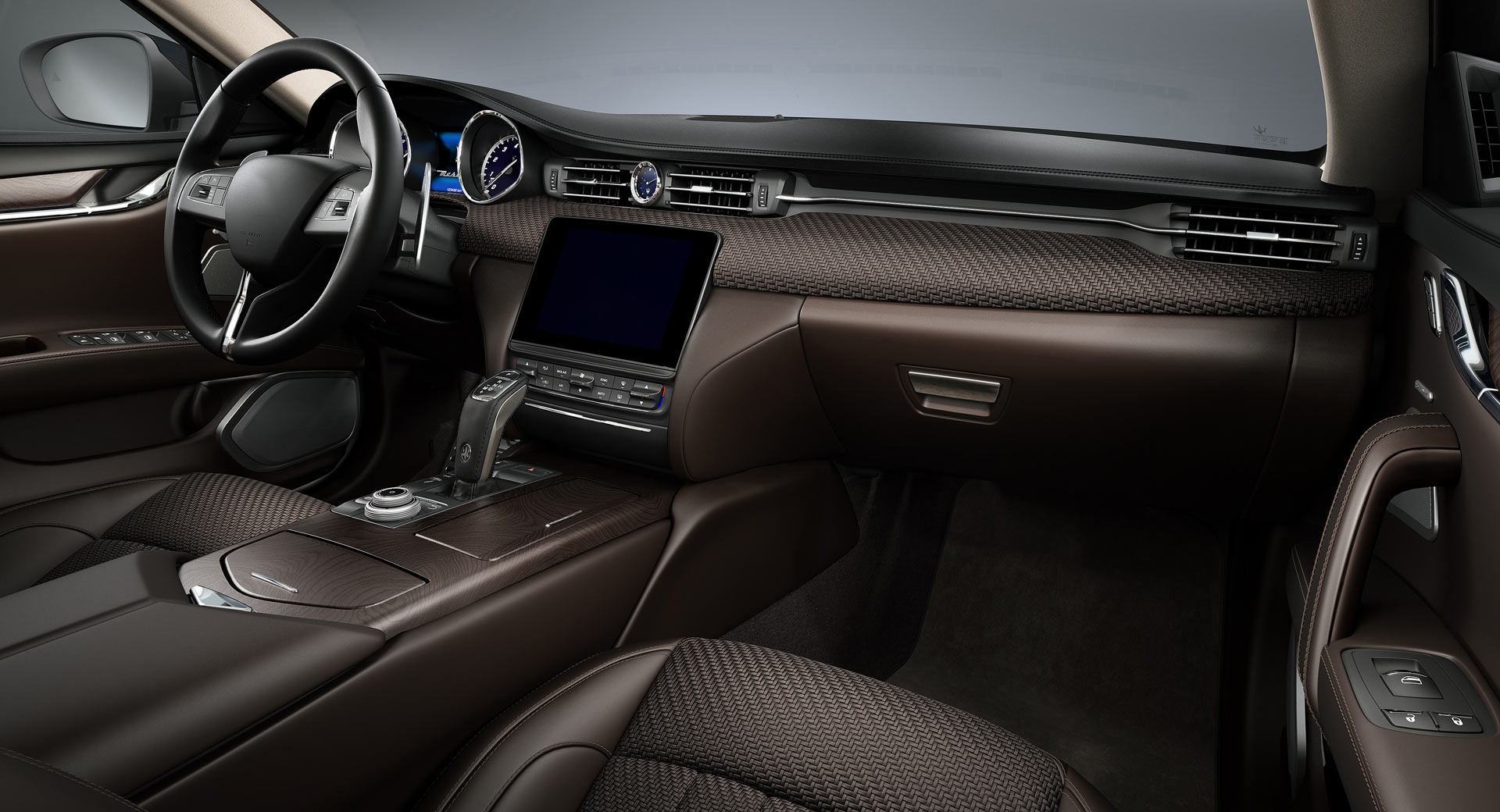
Compared to glass fiber, which is widely used in interior materials, basalt fiber exhibits significantly superior sound absorption and heat resistance.
Applying heat-insulating and sound-absorbing basalt fiber materials to automobiles improves sound insulation and reduces noise generated by vehicle components. Japan has selected basalt fiber as the best material for the development of automotive mufflers, and the annual demand for automotive sound insulation and heat insulation fiber materials is over 100,000 tons. Therefore, basalt fiber has great market development potential in this area.