





Impact of Basalt Fiber Reinforced Materials on Seismic Performance of Buildings
1. Improved Structural Strength and Stiffness
High Tensile Strength: The tensile strength of basalt fibers can reach 3000-4800 MPa, significantly higher than that of ordinary steel (about 400-600 MPa). This greatly enhances the tensile and shear strength of brittle materials like concrete and masonry, reducing the risk of cracking under seismic loads.
Moderate Elastic Modulus: The elastic modulus of basalt fibers (80-110 GPa) lies between that of steel (200 GPa) and carbon fiber (200-400 GPa). This provides improved stiffness without causing brittle failure due to excessive rigidity.
2. Enhanced Structural Ductility
Improved Ductility: Traditional concrete structures have poor ductility and are prone to brittle failure during earthquakes. Basalt Fibers, as reinforcement, can disperse cracks and delay their propagation, allowing structures to undergo greater deformation before failure and absorb more seismic energy.
Seismic Joint Reinforcement: Wrapping or bonding bfrp at critical areas such as beam-column joints and shear walls can enhance shear capacity and deformation ability, preventing failure due to stress concentration.
3. Increased Energy Dissipation Capacity
Energy Dissipation: During loading, BFRP materials dissipate energy through interfacial friction between fibers and the matrix, as well as fiber deformation, reducing the destructive impact of seismic energy on structures.
Damping Characteristics: Basalt fiber composites have a certain damping ratio, which can reduce structural vibration amplitude and mitigate resonance effects.
4. Reduced Structural Weight
Lightweight Properties: Basalt fibers have a low density (about 2.6-2.8 g/cm³), only one-third that of steel. Replacing part of the steel reinforcement with BFRP or using it as a strengthening material can reduce the weight of buildings, lowering seismic inertial forces. This is particularly beneficial for high-rise buildings or the retrofitting of old structures.
5. Corrosion Resistance and Durability
High Corrosion Resistance: Basalt fibers are resistant to acids, alkalis, high temperatures, and moisture, making them suitable for corrosive environments such as coastal areas and chemical plants. Their long-term performance stability prevents degradation of seismic performance due to material corrosion.
Low Maintenance Costs: Compared to traditional steel reinforcement, BFRP does not require frequent anti-corrosion maintenance, resulting in lower lifecycle costs.
6. Application Forms and Scenarios
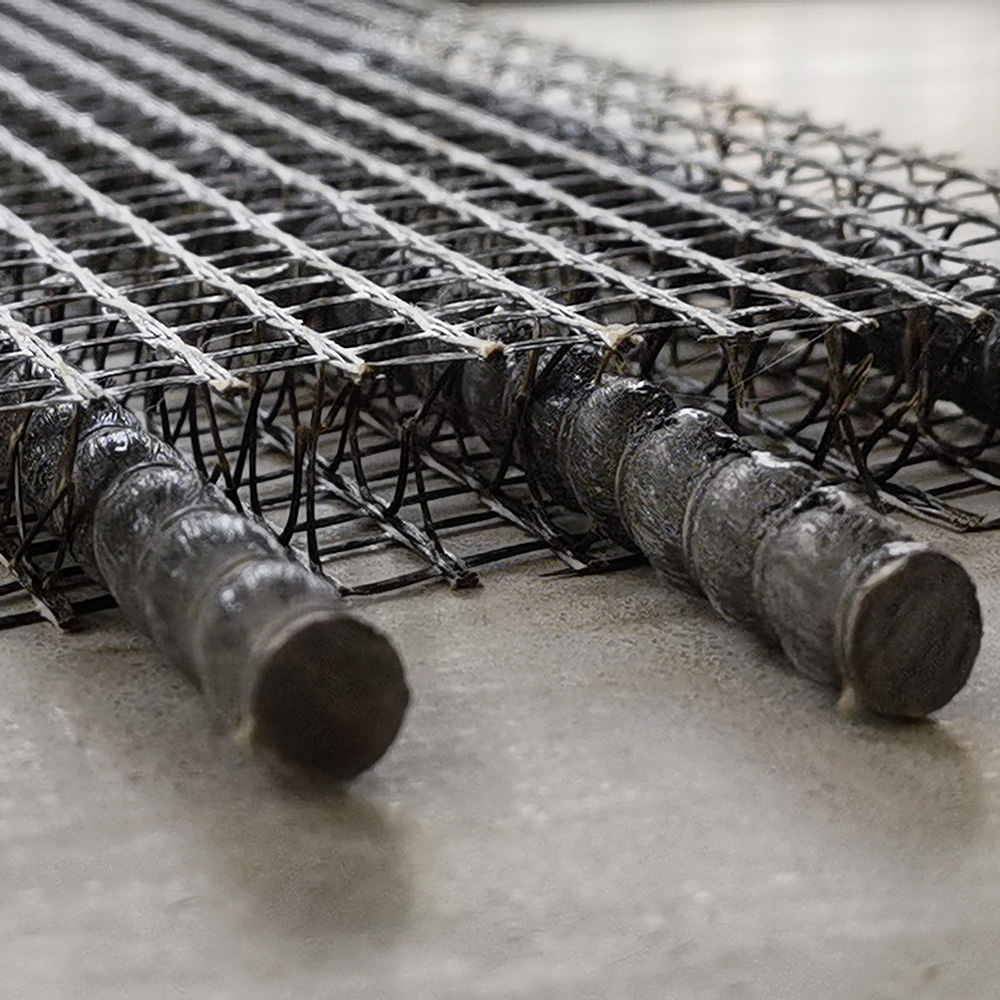
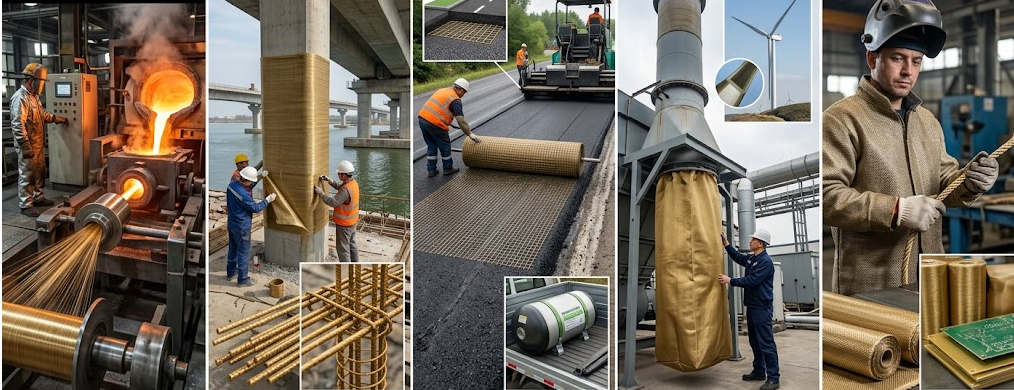
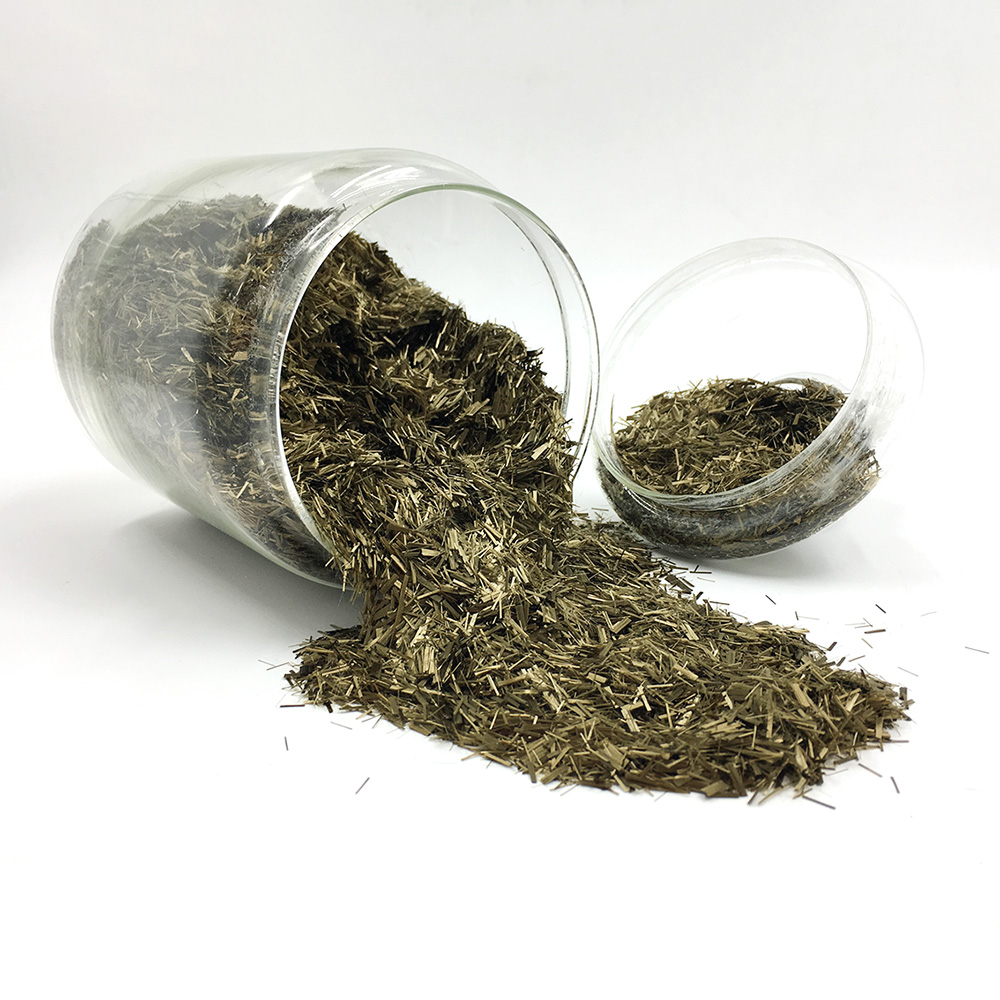
Concrete Reinforcement: Adding chopped basalt fibers (e.g., BFRC) to concrete or using BFRP bars to replace steel reinforcement.
Structural Strengthening: Bonding BFRP sheets or plates to reinforce beams, columns, walls, and other components, improving seismic weak points.
Composite Structures: Combining BFRP with steel or concrete to form hybrid structural systems, balancing strength and ductility.
7. Limitations
Higher Costs: Currently, the production cost of BFRP is higher than that of ordinary steel but lower than carbon fiber (CFRP).
Limited Long-Term Performance Data: More research is needed on the durability and fatigue performance of BFRP over ultra-long periods (over 50 years).
Incomplete Design Codes: Some countries have not yet fully incorporated BFRP into seismic design codes, relying on experiments and engineering experience.
Engineering Cases and Research
Post-Hanshin Earthquake Retrofitting in Japan: BFRP was used to retrofit bridges and buildings, showing significant effectiveness.
Post-Wenchuan Earthquake Reconstruction in China: Some schools and hospitals were retrofitted with BFRP to improve seismic resistance.
Experimental Research: Studies show that BFRP-reinforced concrete columns can achieve a 30%-50% increase in displacement ductility and a 20%-40% improvement in energy dissipation capacity.
Conclusion
Basalt fiber reinforced materials significantly enhance the seismic performance of buildings by improving strength, ductility, and energy dissipation capacity. They are particularly suitable for high-seismic-intensity zones, corrosive environments, or scenarios requiring lightweight design. With decreasing costs and improving design codes, the application of BFRP in seismic engineering has broad prospects.