




Low-Carbon Mobility: Basalt Fiber Transforming Automotive Interior Materials
As the core carrier of the driving and riding experience, the upgrading of automotive cabin materials has become a key lever for the transformation towards low-carbon travel. Currently, cabin materials face pain points such as insufficient environmental friendliness, excessive weight, and potential health hazards. Traditional plastics, leather, and imported Composite Materials not only have high production energy consumption but also suffer from VOC emissions and difficulty in recycling, contradicting the concept of low-carbon travel.Basalt fiber, as a natural green inorganic fiber, is made from natural basalt through melt drawing. It possesses unique advantages such as low carbon footprint, environmental friendliness, Lightweight, strong weather resistance, and excellent mechanical properties. After composite modification and process innovation, it has achieved large-scale application in the field of automotive cabin materials, reshaping the cabin material system from multiple dimensions of environmental protection, performance, and cost, injecting core momentum into low-carbon travel.
The core characteristics of basalt fiber precisely match the low-carbon innovation needs of automotive cabin materials, building core competitiveness. In terms of low-carbon and environmental protection, basalt fiber production requires no chemical modification, relying solely on physical melting and drawing. Energy consumption is 20%-30% lower than glass fiber and over 60% lower than carbon fiber, with no pollutant emissions. Waste basalt fiber composites can be naturally degraded or mechanically crushed and recycled, retaining over 80% of their performance. The total life-cycle carbon footprint is 45%-60% lower than traditional cabin materials, perfectly aligning with the core goal of "carbon reduction and emission reduction" in low-carbon travel. Regarding lightweighting, basalt fiber has a density of only 2.6-2.8 g/cm³, comparable to glass fiber and over 60% lighter than steel. The composite material made from it has a specific strength 3-4 times that of traditional plastics and 2-3 times that of aluminum alloys. Using it to manufacture cabin components can achieve a 30%-50% weight reduction, directly reducing vehicle energy consumption and contributing to improved range for new energy vehicles.
In terms of health and performance, basalt fiber composite materials are odorless and have low VOC emissions. The release of harmful gases such as formaldehyde and benzene is far below the national environmental standards for automotive cabins, addressing the health hazards of traditional materials at the source. They also possess excellent weather resistance, wear resistance, and flame retardancy. After high and low temperature cycling (-40℃ to +80℃) and UV aging tests, the performance retention rate reaches over 85%. Wear resistance is four times better than traditional plastics, and the flame retardancy rating reaches UL94 V-0, making them suitable for the complex environment of automotive cabins and ensuring driving safety.
Through composite modification and process optimization, basalt fiber enables the reshaping of materials in multiple automotive cabin components. In the seating system, basalt fiber reinforced PP/PA composite materials are used to manufacture the seat frame, backrest, and headrest, reducing weight by more than 50% compared to traditional steel frames and improving environmental friendliness by 30% compared to glass fiber composite frames. Combined with seat fabrics made of basalt fiber composite nonwoven fabric, these materials offer breathability, antibacterial properties, and flame retardancy, reducing VOC emissions by more than 70%, thus improving driving comfort and health. After adopting this seating system, a certain domestic automaker saw a reduction of approximately 6-8 kg in the weight of the passenger compartment per vehicle, and a 6%-8% increase in the driving range of new energy vehicles.
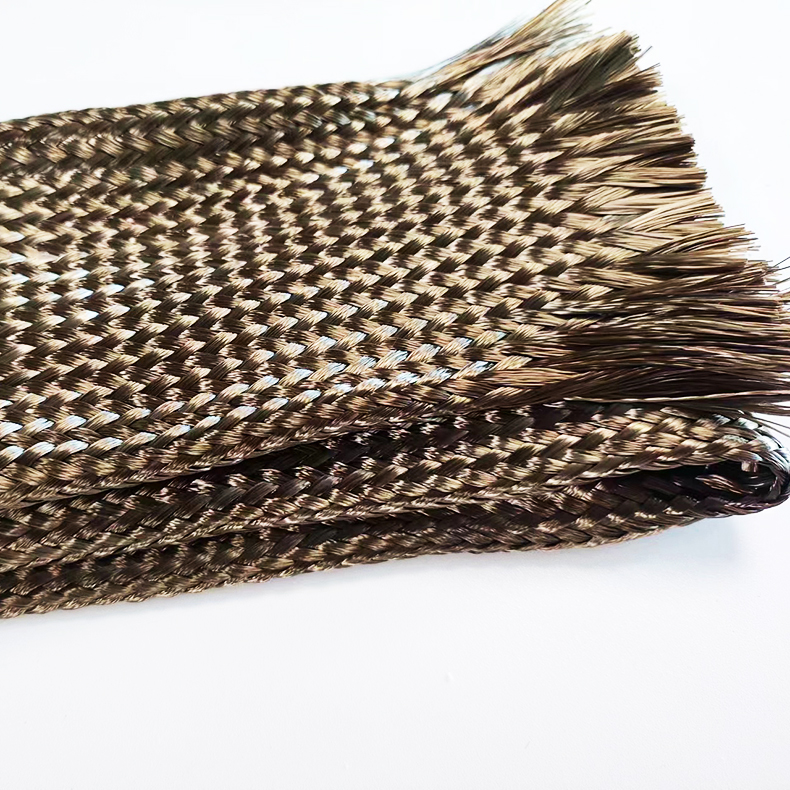
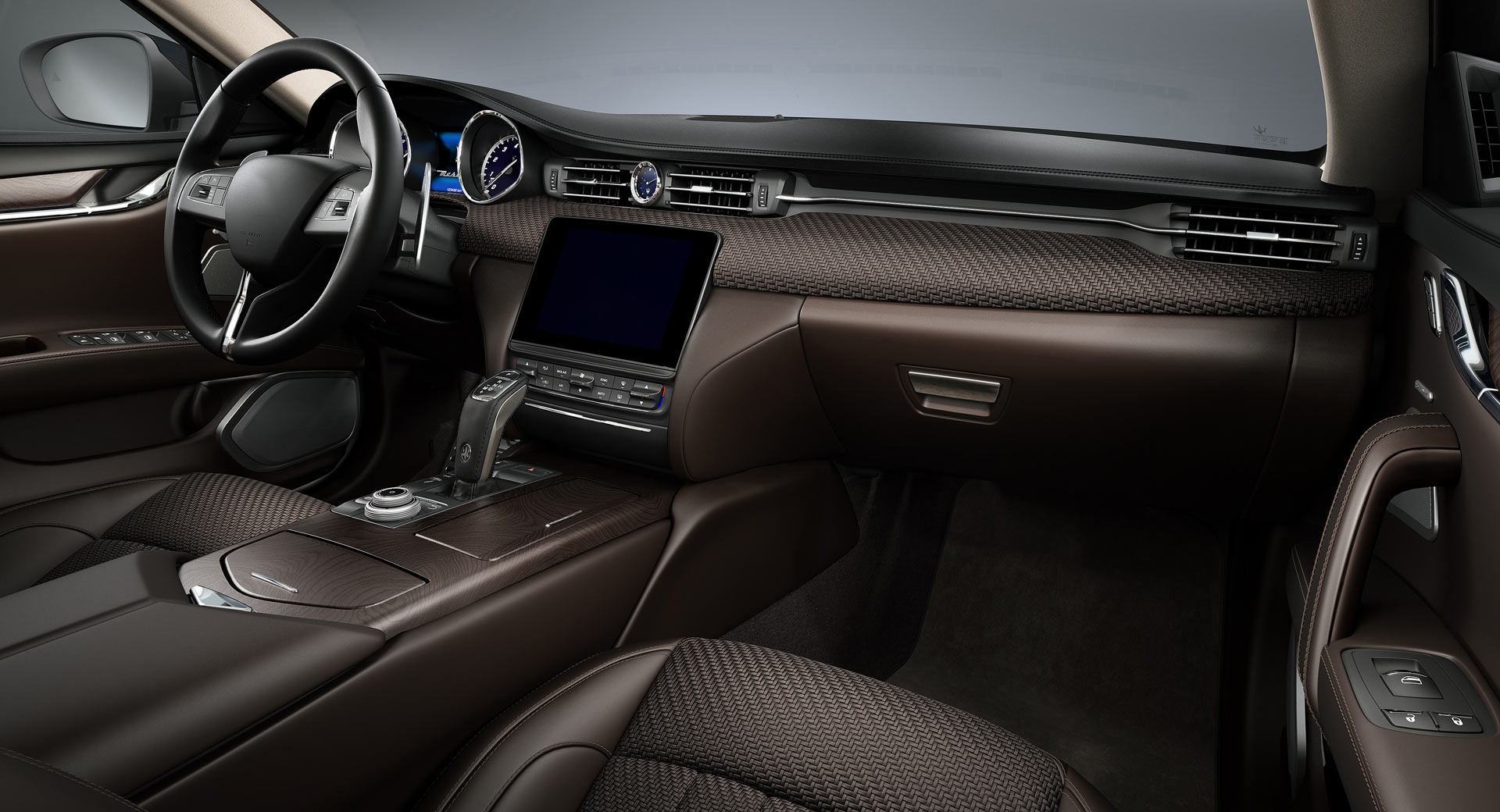
In the area of interior panels, dashboards, center consoles, and door panels made of basalt fiber and bio-based resin composites can precisely replicate the textures of wood grain, metal, and carbon fiber, enabling personalized designs. The material boasts a surface hardness of HRC 30 or higher, making it scratch-resistant, easy to clean, and with a lifespan more than twice that of traditional plastic panels. Simultaneously, its lightweight properties reduce the overall load on the passenger compartment, and combined with integrated molding processes, reduce the number of component joints, improving the overall structural integrity of the passenger compartment. Furthermore, this composite material can also be used in components such as passenger compartment storage boxes and armrests, further expanding the application scope of low-carbon materials.
In terms of functional components, basalt fiber reinforced composite materials are used in key components such as passenger compartment wiring harness protection pipes, air conditioning ducts, and steering wheel frames. Wiring harness protection tubing, with its superior insulation and wear resistance, can replace traditional PVC tubing, reducing weight by 40% and extending service life by 3 times. The air conditioning duct utilizes basalt fiber composite foam material with a thermal conductivity as low as 0.03 W/(m·K), improving thermal insulation by 50%, reducing air conditioning system energy consumption, and simultaneously possessing excellent noise reduction performance, lowering cabin noise by 10-15 dB and enhancing ride quietness.
Domestic technological innovation and industrial upgrading continue to strengthen the adaptability of basalt fiber for cabin materials. Domestic companies improve the interfacial bonding strength between the fiber and the resin matrix through fiber surface modification (silane coupling agents, plasma treatment), increasing the mechanical properties of the composite material by 25%-35%. They have also developed molding processes such as injection molding, compression molding, and vacuum adsorption adapted to cabin components, enabling efficient mass production of complex curved surface components, shortening the molding cycle by more than 30% compared to traditional processes, and reducing costs by 20%-30%. Furthermore, industry-academia-research collaboration is building a complete industrial chain system encompassing "raw materials-composite materials-molding-recycling," forming industrial clusters in basalt-rich areas such as Sichuan and Hebei provinces. This enables localized supply of cabin materials, further reducing supply chain costs and carbon footprint.
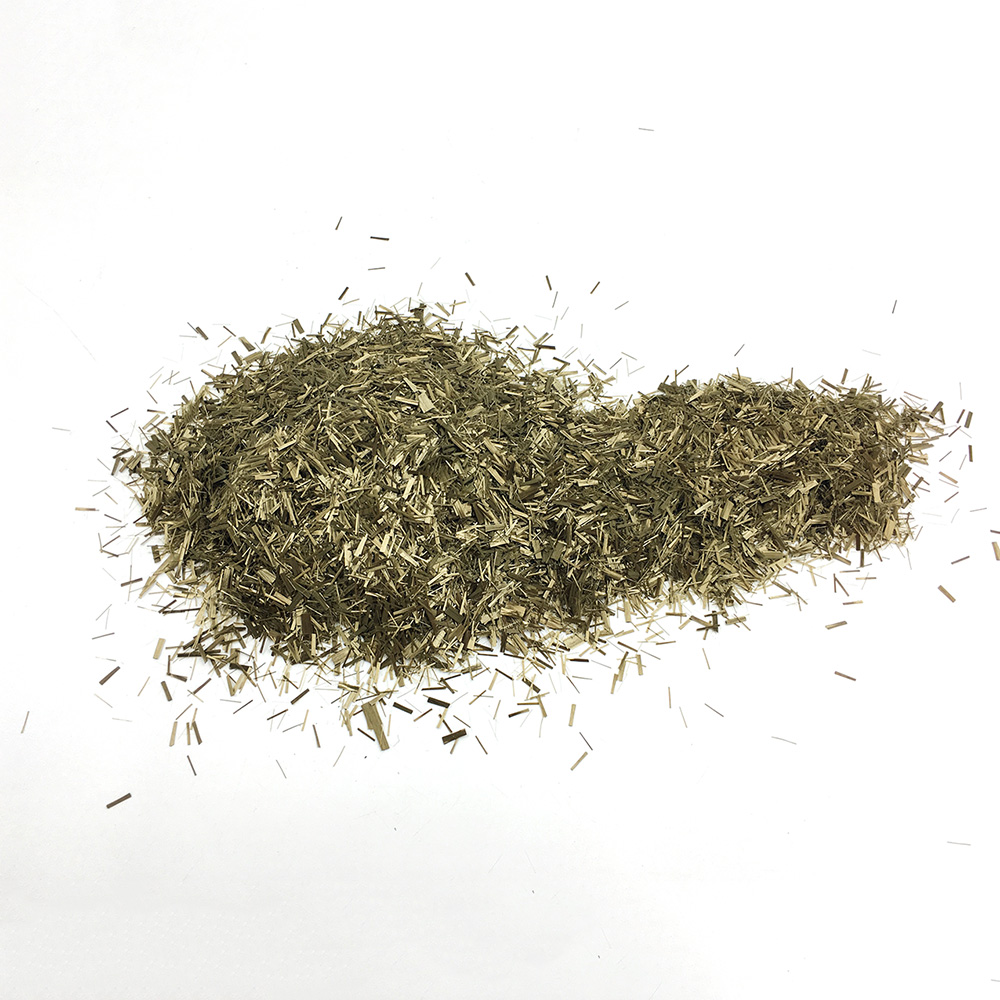
In the future, with the continuous iteration of basalt fiber composite technology, it will develop towards "functional integration, personalized customization, and low cost." Through synergistic composites with intelligent sensors and luminescent materials, intelligent cabin functional components (such as luminescent interior panels and pressure-sensitive seats) can be developed. Combined with 3D printing technology, personalized cabin materials can be customized to suit the style requirements of different vehicle models. As large-scale applications advance, costs will further decrease, promoting its widespread adoption in mid-to-low-end vehicles. With low carbon emissions as its core and performance as its support, basalt fiber is reshaping the new ecosystem of automotive cabin materials, providing key material support for low-carbon travel, and contributing to the green and high-quality development of the automotive industry.