





Mechanism of Basalt Fiber in Concrete
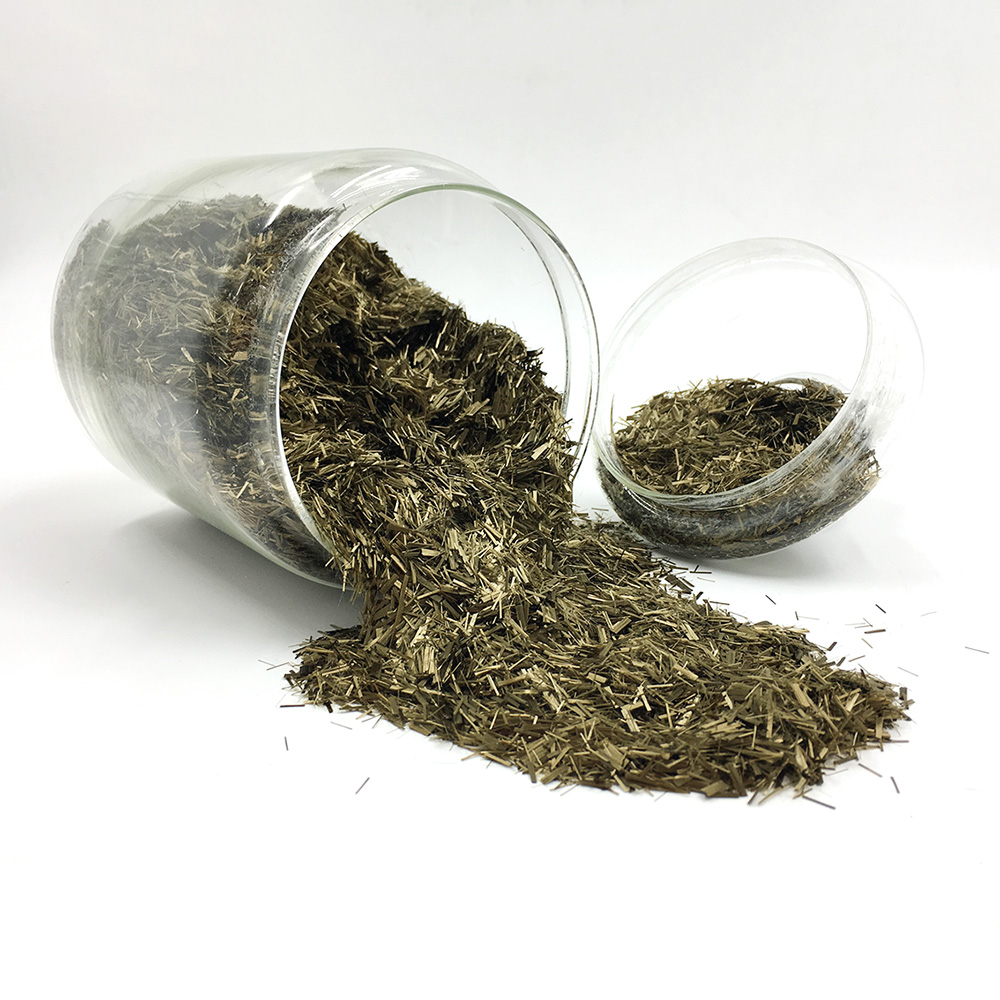
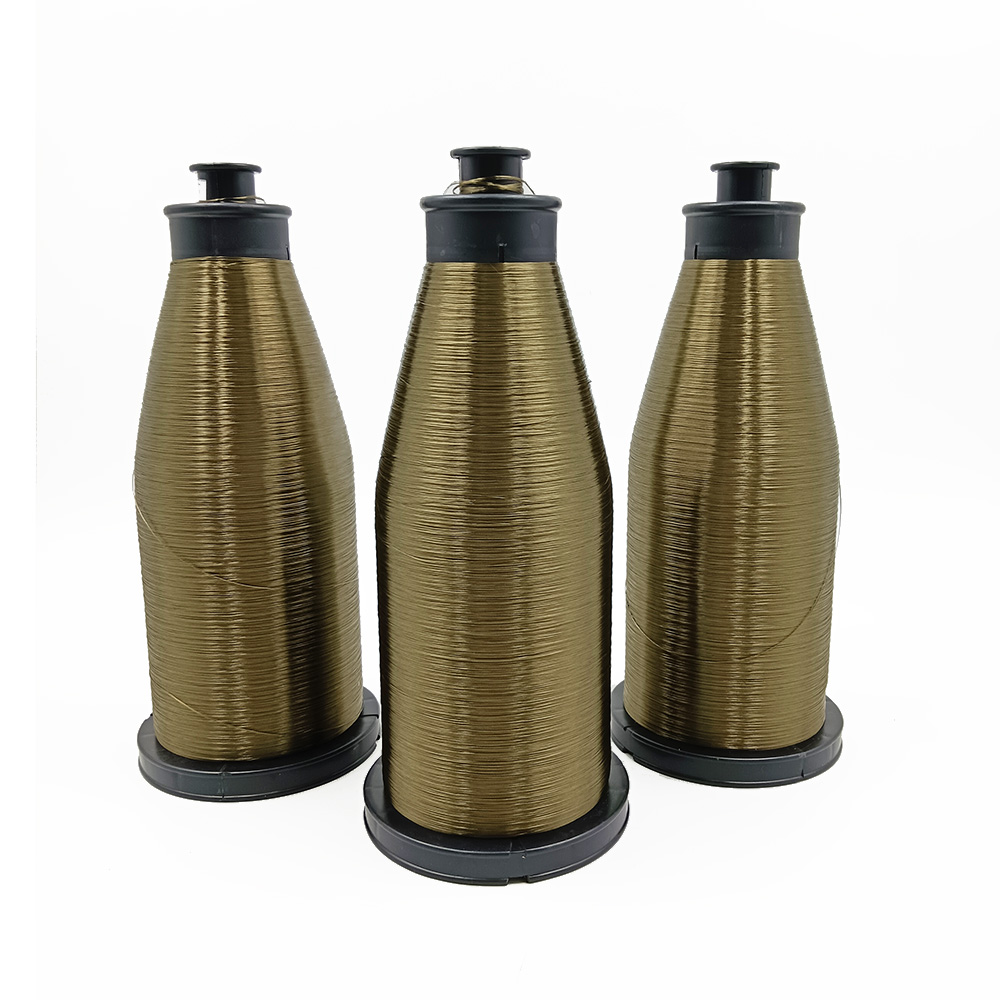
Concrete, as a brittle material, commonly incorporates fibers to enhance its performance. The mechanism of Basalt Fiber in concrete primarily manifests in the following aspects .
1.Crack Inhibition and Bridging Effect
Based on the fiber spacing theory and elastic fracture mechanics, basalt fibers improve the internal structure of concrete through physical-mechanical interactions. During the hardening shrinkage and moisture evaporation of concrete, these fibers effectively inhibit the initiation and propagation of early-stage drying shrinkage microcracks and segregation cracks, thereby preventing further crack development. This significantly enhances the crack resistance and impermeability of concrete. Furthermore, when cracks form in the concrete matrix, basalt fibers bridge both sides of the cracks, bearing external loads and preventing sudden concrete fragmentation. This mechanism improves the toughness and crack resistance of concrete.
2.Enhancement of Mechanical Properties
Basalt fibers and the concrete matrix jointly bear external loads. In the initial loading stage, the matrix bears most of the load. Once cracks develop in the matrix, the fibers continue to carry the load, improving the deformation capacity of concrete in the plastic phase. Studies show that incorporating basalt fibers significantly increases the compressive strength, tensile strength, toughness, splitting tensile strength, and flexural tensile strength of concrete.
3.Improvement of Durability
By bridging cracks and reducing their formation, basalt fibers enhance the frost resistance and impact resistance of concrete, significantly improving the durability of concrete structures. Additionally, the inclusion of fibers markedly improves impermeability, frost resistance, and drying shrinkage properties, extending the service life of concrete in harsh environments.
4.Microstructural Optimization
Basalt fibersinteract with the cement matrix through Chemical and physical bonds, forming a complex microstructure. The incorporation of fibers modifies the concrete’s microstructure and optimizes its stress-strain behavior, thereby enhancing the overall performance of the material.